Introduction
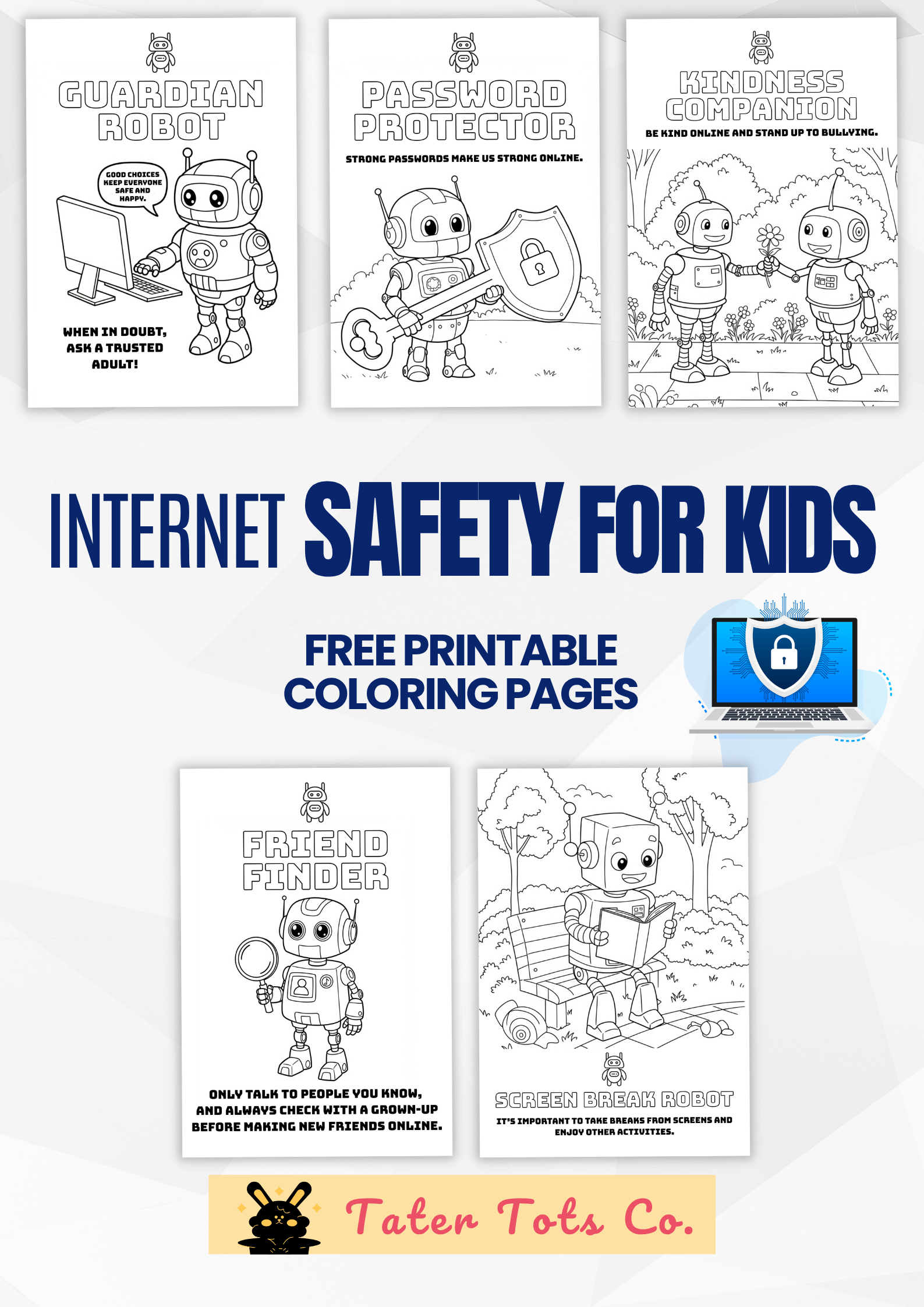
Digital engagement for young children rarely happens in a computer lab anymore. Instead, daily life involves shared family tablets on the couch, sudden pop-up text in multiplayer video games, and autonomous viewing on video platforms during quiet afternoons. Navigating these environments requires more than parental control software; it demands foundational critical thinking skills. Adults often struggle to introduce these abstract concepts without causing unnecessary anxiety. Traditional lectures about internet dangers frequently trigger defensive reactions or silent withdrawal in elementary-aged learners. Hands-on learning bridges this gap by translating invisible rules into tangible concepts. This approach treats digital safety as a life skill to build rather than a threat to dread. To support this goal, {site_name} provides a free printable online safety coloring page designed specifically to make these discussions approachable, engaging, and entirely stress-free. Related guide: Please Provide Free 8.5″X11″ Digital Safety Coloring Pages For K-2 Grade.
💡 Activity Key Takeaways:
- Core Focus: Printable Online Safety Coloring Page designed for creative expression and fine-motor coordination.
- Target Scope: Ideal for toddlers, preschool, kindergarten, and classroom art activities.
- Best Recommendation: Use standard heavy printer paper (24–28 lb) or cardstock for vibrant results with crayons, colored pencils, or washable markers.
What This Printable Covers
Visual learning tools provide a low-pressure entry point for complex subjects. When children hold crayons and focus on filling in lines, cognitive guards lower significantly. Coloring reinforces safety messages because the tactile, creative process anchors abstract digital concepts in physical memory. It sounds simple, and that’s the point. The artwork centers on friendly characters navigating everyday online moments, such as protecting personal information, recognizing secure environments, and practicing kindness in digital spaces. Rather than focusing on frightening scenarios, the imagery highlights positive choices. Children encounter situations where characters pause before clicking, create strong passwords with trusted adults, or decide to log off when something feels confusing. Every element is intentionally designed to foster proactive, healthy digital habits from an early age.
Key Learning Outcomes
Working through this creative activity helps children internalize four essential protective habits. First, learners discover the value of keeping private details like full names, addresses, and school names off public platforms. Second, the artwork emphasizes the importance of talking to a trusted adult whenever an unexpected pop-up or uncomfortable message appears on screen. Crucially, the accompanying discussions reinforce that children are never in trouble for reporting something that feels wrong. Third, young users learn the basics of password safety and why sharing login credentials with peers is discouraged. Finally, the resource encourages the golden rule of digital citizenship: pausing to think before sharing a photo, comment, or reaction. Developing these competencies early transforms reactive panic into calm, routine problem-solving whenever children encounter unfamiliar online territory.
How to Use This Printable
Implementation requires very little preparation, making it ideal for busy classrooms, afternoon homeschool sessions, or quiet weekend kitchen tables. Adults can introduce the page as a casual art activity rather than a formal lesson on Internet and Digital Safety. As pencils move across the paper, natural conversational openings emerge organically. Asking simple open-ended questions transforms the coloring session into a collaborative dialogue. Inquiries like “What do you think our character should do next?” or “Has something like this ever popped up on your screen?” invite children to share their actual digital experiences without feeling interrogated. This informal setting encourages honest answers about in-game chat rooms and shared device usage, revealing how young minds interpret the digital world around them.
Practical Tips for Parents and Teachers
Maximizing the impact of any educational printable relies heavily on the surrounding environment. Adults should approach the session with calm curiosity rather than strict warnings. According to Common Sense Media research, children who discuss digital dilemmas regularly with trusted adults demonstrate significantly higher resilience when facing online challenges. Educators can integrate these sheets into broader Online and Digital Safety units, displaying finished artwork on classroom walls as a daily reminder of healthy boundaries. Keeping the tone empowering ensures that learners view digital tools with confidence. For parents managing device time at home, pairing this activity with browsing additional Worksheets creates a consistent, positive reinforcement loop across different learning environments.
Age-Appropriate Recommendations
Child development happens in stages, requiring tailored approaches for different age brackets. Younger children aged five to seven benefit most from focusing on basic concepts like asking permission before clicking and keeping physical locations private. Older elementary students aged eight to twelve can dive deeper, exploring nuanced topics such as digital footprints, respectful communication, and empathy in gaming environments. Aligning these lessons with established frameworks like the Common Sense Education Digital Citizenship Curriculum ensures that teaching methods match cognitive readiness. Educators and caregivers can adapt the conversation depth based on whether a child is just beginning to play educational tablet games or actively participating in multiplayer platforms with friends.
The majority of children encounter digital media primarily on mobile devices and shared screens within family spaces — Common Sense Media
Frequently Asked Questions
Clear answers help caregivers and educators implement digital citizenship tools effectively. To explore more creative options, visitors can browse the complete library of Coloring Pages.
Explore More Free Kids Online Safety Printables
Building lifelong digital resilience takes more than a single afternoon activity. Caregivers and educators can continually reinforce these habits by pairing creative exercises with structured guides. Expanding the toolkit with complementary resources helps normalize ongoing conversations about technology use. Every shared discussion strengthens the bridge between adult guidance and independent digital exploration, ensuring children feel supported every step of the way.
Key Specifications & Age-Group Overview
| Age / Grade Group | Target Skill Focus | Recommended Medium |
|---|---|---|
| Toddlers (Ages 2–4) | Hand-eye coordination & broad motor grasp | Jumbo crayons & washable finger paints |
| Early Elementary (Ages 5–7) | Line boundaries & fine pencil control | Standard colored pencils & fine-tip markers |
| Intermediate (Ages 8+) | Color blending, shading & artistic patience | Watercolor pencils, gel pens & dual-brush markers |
Images References