Why Building Foundational Habits Through a Microwave Safety Worksheet Matters for Modern Kids
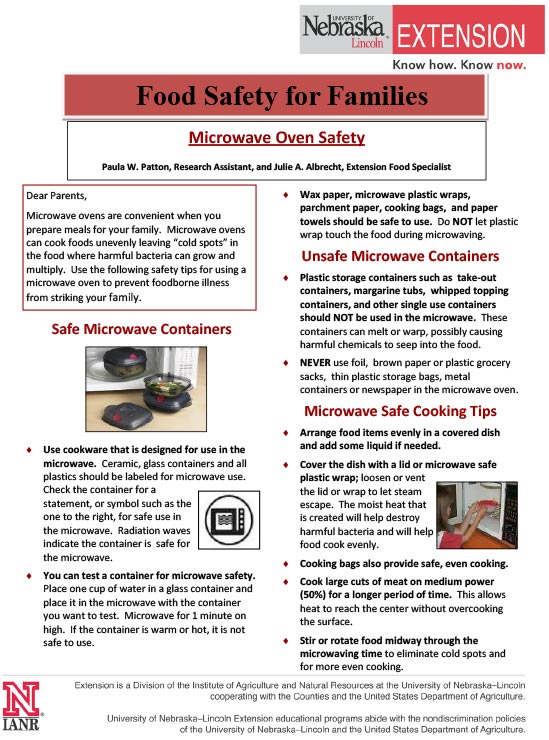
As K-12 digital citizenship coordinators, we often focus exclusively on screens, but true student wellness extends into the physical environment where children interact with everyday appliances like school breakroom microwaves or kitchen units at home. Navigating independence means teaching students how to balance digital tools with physical life-skills. When educators and parents integrate a practical microwave safety worksheet into daily routines, they provide children with clear, structured guidelines for handling kitchen technology independently. According to youth safety frameworks from organizations like ConnectSafely and the Federal Trade Commission, teaching children tangible life competencies builds the overall self-regulation skills they need to stay safe both online and offline.
💡 Educational Key Takeaways:
- Core Skill: Structured Microwave Safety Worksheet focused on developing pencil grip, stroke control, and early literacy/math confidence.
- Target Scope: Suited for homeschoolers, preschool, kindergarten, and elementary learners.
- Best Recommendation: Practice 10–15 minutes daily with ergonomic writing tools to reinforce muscle memory without hand fatigue.
Key Risk Signals and Preventive Guardrails in Kitchen and Classroom Environments
Children face distinct risks when operating kitchen appliances without direct supervision, ranging from steam burns to electrical hazards. Adults must recognize common behavioral vulnerabilities—such as rushing, skipping container checks, or misreading digital timer pads—and implement targeted physical safeguards. Utilizing structured educational resources like printable Worksheets helps students visualize these hazards before accidents happen in the school cafeteria or at home.
| Setting / Context | Common Vulnerability | Practical Safeguard |
|---|---|---|
| Home Kitchen Routine | Rushing to heat snacks and using non-microwave-safe containers like regular plastic or metal. | Establish a rule to always check for microwave-safe symbols and teach parents to store safe dishware within reach. |
| School Multi-Use Breakrooms | Overheating liquids or popping popcorn bags for too long, causing smoke, sparks, or minor kitchen fires. | Post explicit heating duration charts near the unit and require adult supervision for younger students. |
| Independent After-School Care | Distraction from digital devices like tablets while food is heating, leading to forgotten items or spills. | Enforce a screen-free zone in the kitchen while operating appliances to maintain full focus and situational awareness. |
Actionable Protocols and Routine Habits Families and Schools Can Establish Together
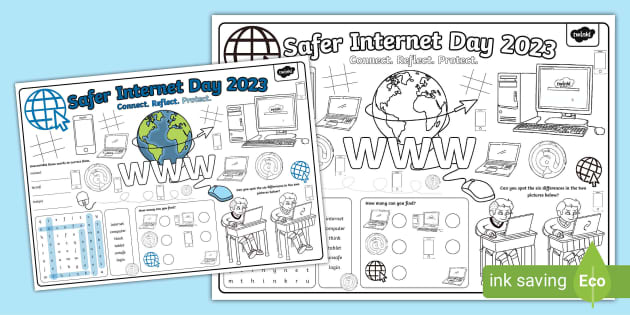
Effective safety education relies on consistent routines rather than one-time warnings. Schools and families can partner to build predictable habits that reinforce caution without inducing anxiety. Start by incorporating creative lessons, such as pairing a microwave safety worksheet with engaging Coloring Pages for younger grade levels. Establish clear family agreements regarding when appliances can be used independently, and keep emergency instructions—such as keeping the microwave door shut in case of a minor spark—clearly posted at eye level. By fostering calm, open communication, adults encourage children to report mistakes or accidents immediately without fear of punishment, ensuring a safer environment for everyone.
Managing Student Pushback and Overcoming Common Supervision Pitfalls
Children naturally crave autonomy and may push back against strict kitchen rules, viewing them as unnecessary micromanagement. When adults react with anger or overly punitive restrictions, kids often attempt to use appliances in secret when parents are out of the room. To prevent this, frame safety instructions around empowerment rather than restriction. Explain the science behind why certain materials spark or why boiling water can superheat and splash unexpectedly. Pairing these logical explanations with gradual increases in kitchen independence builds mutual trust and reduces risky behavioral workarounds.
Frequently Asked Questions About Appliance and Home Safety Education
At what age is it appropriate to let a child use the microwave independently?
Most children develop the fine motor skills, reading comprehension, and impulse control required around ages eight to ten. However, readiness varies by individual, so parents should observe supervised trials before granting full independence.
How can teachers reinforce kitchen safety within a digital citizenship curriculum?
Educators can connect physical safety to digital responsibility by discussing how following rules in both spaces protects personal well-being. Using structured activities from Internet and Digital Safety modules helps students see that safety guidelines apply across all areas of daily life.
What should a child do if food catches fire inside the microwave?
Children must be explicitly taught never to open the door if sparks or fire appear, as fresh oxygen can feed the flames. Instead, they should immediately tell an adult, step back, and let the appliance cut power automatically while keeping the door closed.
Explore More Digital Citizenship and Student Safety Resources
Empowering children requires comprehensive resources that address physical, emotional, and digital well-being. Continue your journey by visiting SafeWiredSchools.org to discover expert-backed guides, printable activities, and actionable advice designed for modern families and educators.
Worksheet Previews & Reference Materials