Why Integrating Digital Safety Into Kindergarten Bus Routines Matters
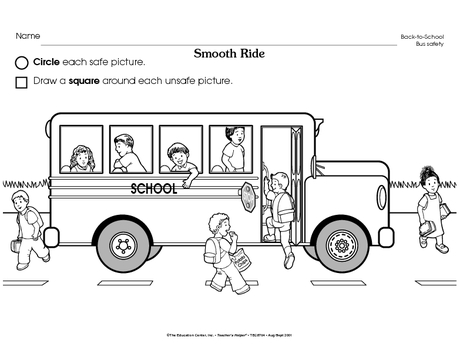
Teaching our youngest learners how to stay safe begins the moment they step out the front door and board the yellow school bus. At SafeWiredSchools.org, we emphasize that early childhood education extends far beyond traditional print media. As classrooms increasingly blend physical routines with digital tools, educators and parents must look for comprehensive resources like bus safety worksheets for kindergarten that reinforce critical life skills. Organizations like ConnectSafely and the Family Online Safety Institute (FOSI) remind us that foundational safety concepts—whether navigating a physical neighborhood crosswalk, behaving respectfully on shared transport, or learning how to spot deceptive online links—rely heavily on repetition, calm adult guidance, and age-appropriate materials. By introducing structured safety lessons early, we help children build cognitive guardrails that protect them in both physical transit environments and digital spaces.
💡 Educational Key Takeaways:
- Core Skill: Structured Bus Safety Worksheets For Kindergarten focused on developing pencil grip, stroke control, and early literacy/math confidence.
- Target Scope: Suited for homeschoolers, preschool, kindergarten, and elementary learners.
- Best Recommendation: Practice 10–15 minutes daily with ergonomic writing tools to reinforce muscle memory without hand fatigue.
Identifying Early Safety Gaps and Balancing Digital Tools in Kindergarten
Young children process safety rules best when abstract concepts are paired with visual reinforcement and clear behavioral boundaries. However, integrating digital worksheets or interactive tablet apps into early childhood routines introduces unique vulnerabilities if proper technical controls are absent. Adults must actively monitor how young learners interact with educational media platforms, ensuring that accidental clicks do not lead them away from trusted school portals into unvetted advertising networks or tracking traps. The following breakdown highlights common risk signals across various environments alongside practical guardrails recommended by cybersecurity and youth safety authorities.
| Setting / Context | Common Vulnerability | Practical Safeguard |
|---|---|---|
| Home Devices & Tablets | Accidental navigation to external commercial sites or video auto-play loops while searching for printable activities. | Utilize strict device-level parental controls, browser extensions that block third-party pop-ups, and curated bookmark folders. |
| School Chromebooks & Shared iPads | Unintended access to unmonitored web browsers or unsecured cloud storage folders during independent station work. | Ensure district-managed content filters are active, and rely on pre-screened resources found within reliable Worksheets repositories. |
| Interactive Classrooms & Apps | Over-collection of student behavioral data or exposure to embedded third-party tracking cookies on educational flashcard games. | Verify that all classroom applications comply with student privacy laws like COPPA and FERPA before deployment. |
Actionable Habits for Building Bus and Digital Awareness Together
Establishing reliable daily habits prevents panic and confusion when unexpected situations arise. For school bus safety, this means practicing safe boarding stances, staying seated while the vehicle is in motion, and listening closely to the driver. When paired with digital citizenship lessons found in categories like Internet and Digital Safety, children learn to treat rules as protective boundaries rather than arbitrary restrictions. Teachers and parents should establish clear physical routines—such as centralized charging stations at home and designated device drop-off zones in the classroom—so that screen time never overshadows vital social-emotional interactions. Furthermore, when downloading interactive materials, adults should review them beforehand to ensure the content encourages calm, constructive problem-solving without inducing fear.
Kindergarteners are naturally curious and often eager to click, swipe, or explore beyond designated activity boundaries. When adults impose overly rigid digital bans without explanation, children may seek out workarounds or feel a sense of shame when they accidentally trigger a warning screen. Instead of reacting with immediate frustration, educators and parents should embrace teachable moments. Explain why certain links are blocked or why bus safety rules require remaining seated. Pairing technical filter mechanisms with warm, open conversations ensures that children feel comfortable reporting strange pop-ups, broken website links, or confusing online prompts immediately to a trusted adult.
Frequently Asked Questions About Safety Education and Printables
How do bus safety worksheets for kindergarten support overall school readiness?
These specialized printables translate critical rules regarding boarding, transit behavior, and stranger awareness into accessible visual formats. They reinforce listening comprehension and help children connect physical actions to personal well-being.
Can digital coloring pages and safety printables pose privacy risks?
Some external websites hosting free printables may track user data or display aggressive targeted advertising. To protect young learners, adults should download resources exclusively from trusted educational networks and verified platforms like Coloring Pages collections.
What is the best way to talk to a five-year-old about transit and online safety?
Keep conversations short, positive, and focused on concrete actions. Use simple scenarios, role-play safe boarding practices, and reassure them that adults are always nearby to help navigate both physical buses and digital environments.
Explore More Digital Citizenship Resources
Building a secure, well-rounded foundation for young learners requires continuous collaboration between home and school. To discover additional printable activities, expert safety guides, and comprehensive curriculum tools, visit us at SafeWiredSchools.org.
Worksheet Previews & Reference Materials