Why Visual Learning Works for Digital Citizenship
Teaching elementary and middle school students about online kindness requires tools that bridge abstract concepts with tangible actions. Relying solely on verbal warnings or dense policy handbooks often leaves younger children overwhelmed. By integrating a cyberbullying prevention pledge coloring page into your classroom routine or home curriculum, adults can spark meaningful conversations about empathy, peer pressure, and digital footprints. Organizations like ConnectSafely and the Family Online Safety Institute emphasize that positive peer norms are best established early through interactive, low-stress activities that encourage kids to verbalize their boundaries. Related guide: Two Factor Authentication Coloring Page Kids.
💡 Activity Key Takeaways:
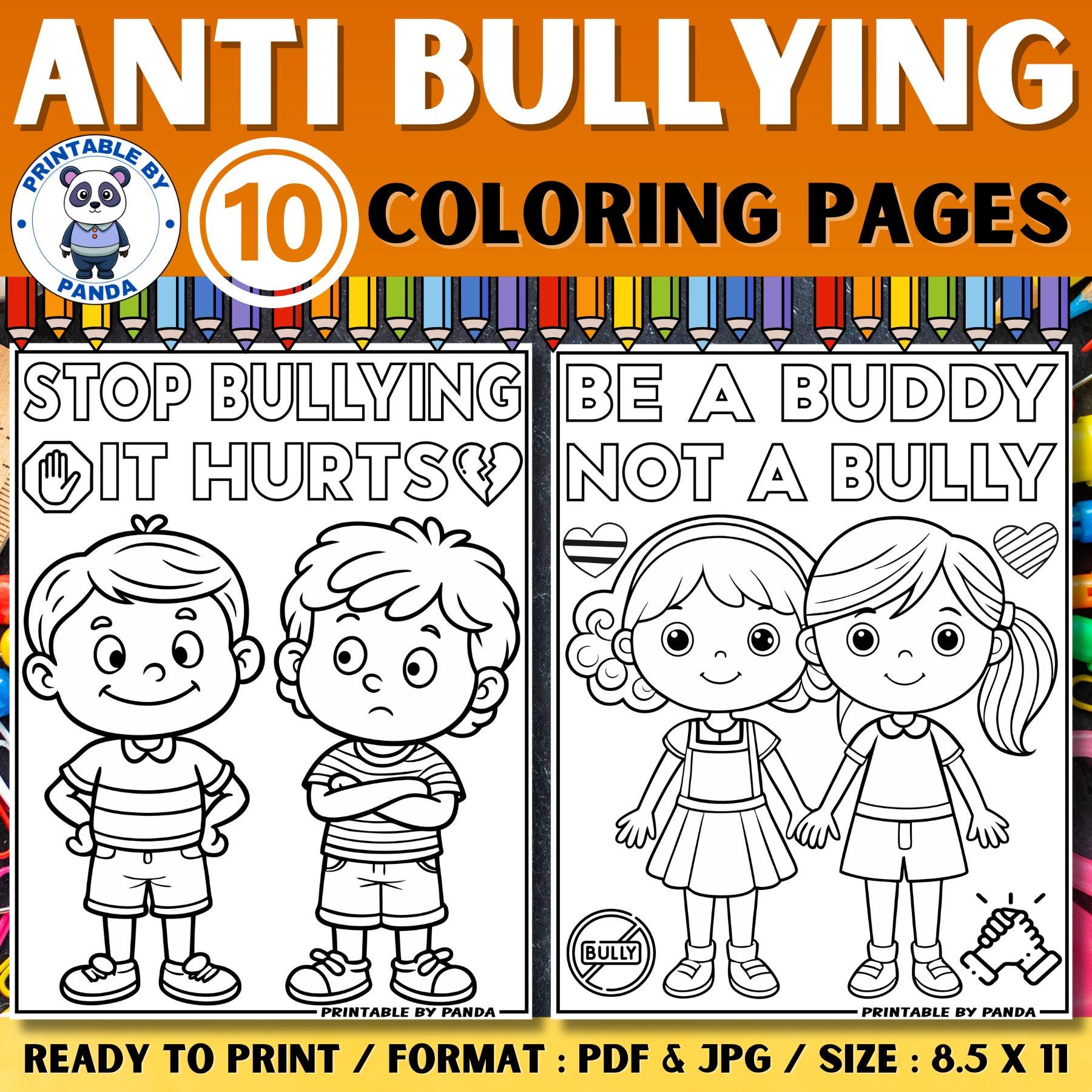
- Core Focus: Printable Cyberbullying Prevention Pledge Coloring Page designed for creative expression and fine-motor coordination.
- Target Scope: Ideal for toddlers, preschool, kindergarten, and classroom art activities.
- Best Recommendation: Use standard heavy printer paper (24–28 lb) or cardstock for vibrant results with crayons, colored pencils, or washable markers.
Early Indicators and Practical Technical Guardrails
Protecting children online demands a proactive blend of behavioral awareness and age-appropriate device configurations. Educators and parents must look beyond visible emotional shifts and inspect how students interact across shared school devices and personal home tablets. The matrix below outlines common vulnerabilities across different environments alongside actionable safeguards aligned with current cyber hygiene recommendations from agencies like CISA.
| Setting / Context | Common Vulnerability | Practical Safeguard |
|---|---|---|
| Home Mobile Devices | Unrestricted direct messaging apps enabling private, unmonitored peer exclusion. | Configure family-sharing controls, restrict app store downloads, and review contact lists weekly. |
| School Chromebooks & Tablets | Using anonymous or secondary chat features embedded in collaborative web tools. | Coordinate with IT staff to disable non-educational chat functions during independent study blocks. |
| Social Media & Multiplayer Chat | Escalating arguments in gaming lobbies where reporting mechanisms are ignored. | Turn off voice chat defaults and demonstrate how to capture screenshots and block hostile users. |
Establishing Positive Daily Routines for Home and School
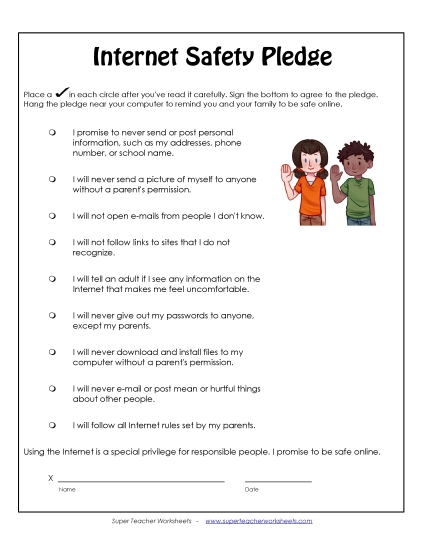
To ensure digital safety rules stick, consistency between the classroom and the living room is essential. Educators can introduce a cyberbullying prevention pledge coloring page during morning meetings or art class, allowing students to creatively internalize promises of online respect. Once finished, children can bring these colored pledges home to display on the refrigerator, serving as a visual reminder of their digital citizenship commitment. Pair these creative exercises with concrete household routines, such as establishing a central charging station in the kitchen where all smartphones and tablets sleep overnight, completely away from bedrooms. Encourage open communication by thanking children when they report uncomfortable online interactions, reinforcing that reporting peer harassment leads to support rather than device confiscation.
Children and teens are remarkably inventive when it comes to bypassing digital restrictions, whether by deleting browser histories, using hidden photo vaults, or setting up secret social media profiles. Overly punitive bans or aggressive snooping typically backfire, driving kids to hide their digital lives rather than seeking help when cyberbullying occurs. Instead of reacting with immediate punishments, pair robust technical filters with regular, calm check-ins. If a student shows reluctance to discuss their online activities, use neutral prompts inspired by creative resources like our Coloring Pages collection to lower defenses and discuss tricky digital dilemmas without inducing shame or defensiveness.
Answers to Common Questions About Digital Safety Activities
At what age should we introduce cyberbullying prevention concepts?
Children as young as kindergarten and first grade can begin learning foundational concepts of kindness, sharing, and safe communication online. Using visual and tactile tools like a cyberbullying prevention pledge coloring page helps younger learners grasp digital empathy long before they receive their own smartphones.
How can teachers incorporate digital citizenship into tight academic schedules?
Educators can seamlessly blend digital wellness lessons into art, social-emotional learning, or language arts blocks. Pairing a creative pledge activity with a short read-aloud or group discussion fulfills character education requirements without cutting into core instructional minutes.
What should a parent do if their child admits to participating in online bullying?
Stay calm, acknowledge their honesty, and address the behavior immediately by discussing the real-world impact of their words. Work together to draft a sincere apology, establish temporary device restrictions, and explore problem-solving strategies found within our Internet and Digital Safety guides.
Explore More Digital Citizenship Resources
Empowering the next generation of digital citizens requires continuous dialogue, practical safeguards, and engaging educational materials that resonate with students. To discover additional printable activities, classroom lesson plans, and expert guidance for parents and educators, visit SafeWiredSchools.org today.
Printable Coloring Page Previews