Why Creative Tools Work Best for Early Digital Citizenship Education
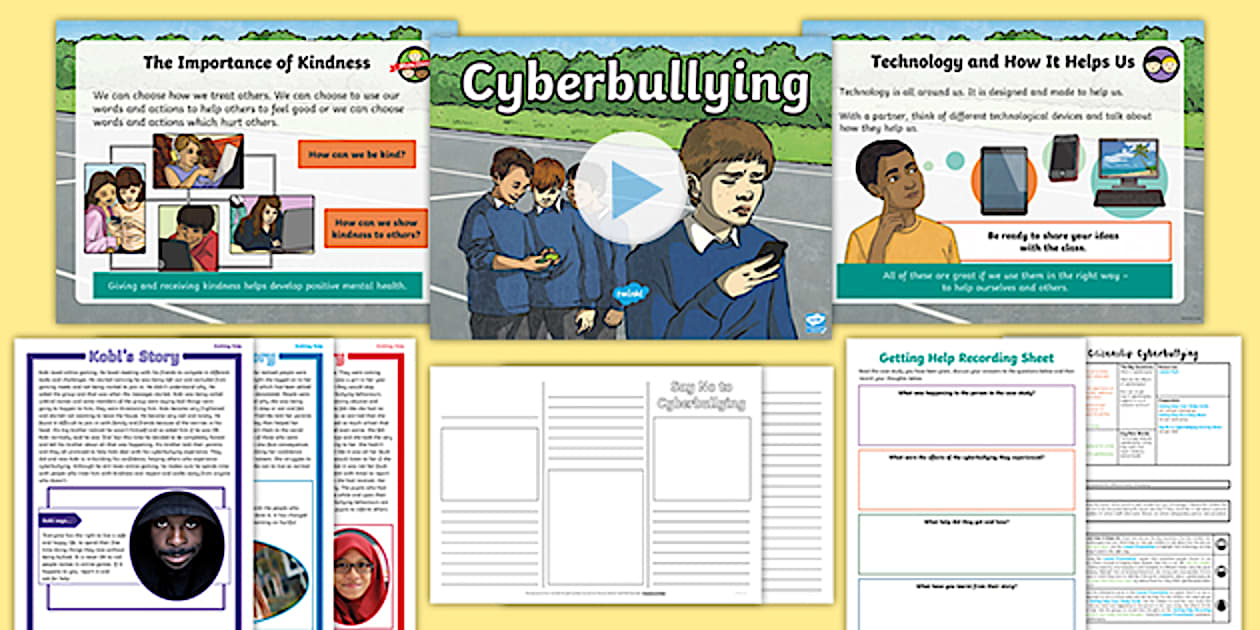
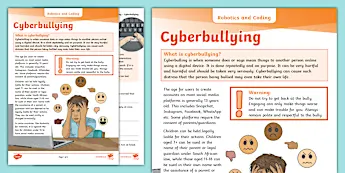
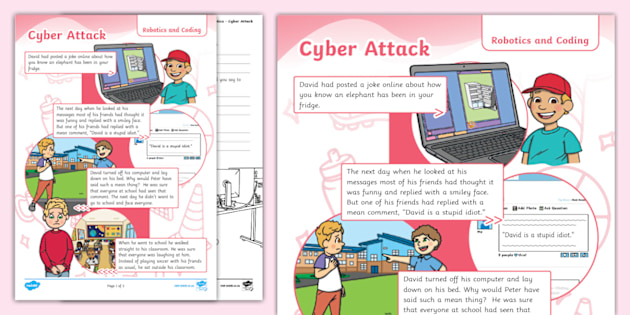
Teaching younger students about online peer dynamics requires approaches that avoid inducing fear while still conveying vital protective messages. When educators and parents utilize a cyberbullying coloring and activity worksheet, they give children a tangible, non-threatening medium to explore complex concepts like empathy, respectful communication, and digital boundaries. Organizations such as ConnectSafely and the Family Online Safety Institute continually emphasize that early conversations work best when they are interactive rather than punitive. By pairing visual art with guided discussions, elementary and middle schoolers can process online exclusion, learn how words sting behind screens, and discover constructive ways to ask trusted adults for help.
💡 Activity Key Takeaways:
- Core Focus: Printable Cyberbullying Coloring And Activity Worksheet designed for creative expression and fine-motor coordination.
- Target Scope: Ideal for toddlers, preschool, kindergarten, and classroom art activities.
- Best Recommendation: Use standard heavy printer paper (24–28 lb) or cardstock for vibrant results with crayons, colored pencils, or washable markers.
Early Warning Signals & Preventive Device Guardrails
Recognizing the indicators of digital distress requires monitoring both device configurations and behavioral shifts in children. Preventive guardrails should span home networks, school-issued tablets, and informal messaging spaces where kids socialize outside instructional hours.
| Setting / Context | Common Vulnerability | Practical Safeguard |
|---|---|---|
| Home Mobile Devices | Unmonitored evening messaging apps with disappearing text features. | Establish a centralized household charging station and enforce a screen curfew one hour before bedtime. |
| School Chromebooks & Tablets | Private document commenting features utilized for peer exclusion or mockery. | Review classroom Internet and Digital Safety policies with IT staff to ensure collaboration tools restrict non-academic comments. |
| Interactive Gaming & Chat | Anonymous lobbies where children encounter aggressive language and targeted harassment. | Disable open voice chat features and restrict communication settings to verified friends only. |
Establishing Healthy Home and Classroom Safety Habits
Building a culture of trust relies on predictable, consistent routines between home and school. Adults can reinforce lessons from any cyberbullying coloring and activity worksheet by embedding safety practices into everyday life. Start by creating a no-shame reporting workflow where children know they can disclose bad online experiences without fearing that their devices will be immediately confiscated. Schools should regularly publish updated digital guidelines, while parents can review these principles during weekly family check-ins. Incorporating hands-on activities, games, and printable resources from structured Worksheets helps students visualize how online actions carry real-world emotional consequences, turning passive listeners into active, supportive digital citizens.
Overly strict surveillance or blanket app bans often backfire by driving student communication underground or making children reluctant to report distress. If kids fear losing device privileges, they will hide screenshots, delete chat histories, or create secondary secret accounts. To prevent this, adults must balance technological filters with open, empathetic dialogue. Instead of reacting with immediate anger when a boundary is crossed, use the moment to dissect what happened. Remind children that cybersecurity guidance from agencies like CISA highlights the importance of keeping personal information private, while emphasizing that emotional safety is just as critical as password protection.
Parent and Educator Questions on Digital Empathy Resources
What age group benefits most from a cyberbullying coloring and activity worksheet?
Children in kindergarten through fifth grade respond exceptionally well to visual and tactile learning tools. These resources break down abstract concepts like digital footprints and online kindness into manageable, creative exercises.
How can teachers integrate these lessons without adding to instructional time?
Educators often incorporate these printable activities into homeroom morning meetings, art class extensions, or advisory periods. They serve as valuable conversation starters that align smoothly with broader Online and Digital Safety curricula.
What should a child do immediately if they encounter online meanness?
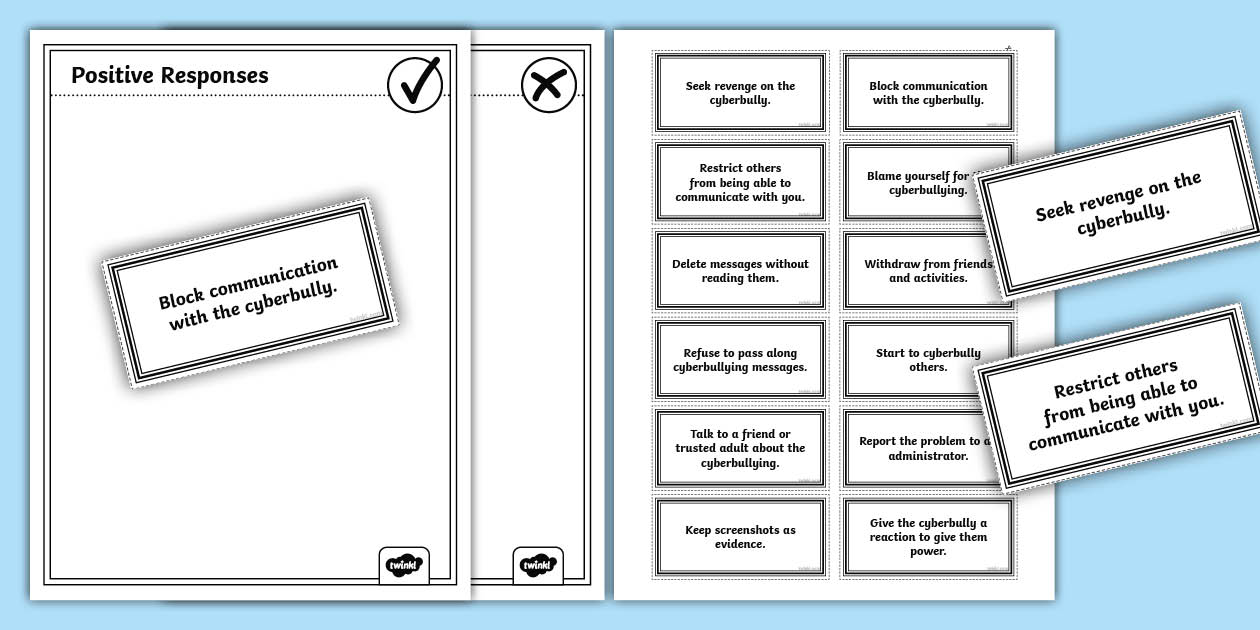
Children should be taught a three-step response: stop interacting, take a screenshot of the offending content as evidence, and immediately show a trusted parent, teacher, or school counselor.
Explore More Digital Citizenship Resources
Equipping the next generation with resilient digital habits requires a steady stream of engaging, reliable tools for home and classroom use. Discover expert advice, lesson plans, and interactive materials by visiting SafeWiredSchools.org to support your students every step of the way.
Printable Coloring Page Previews