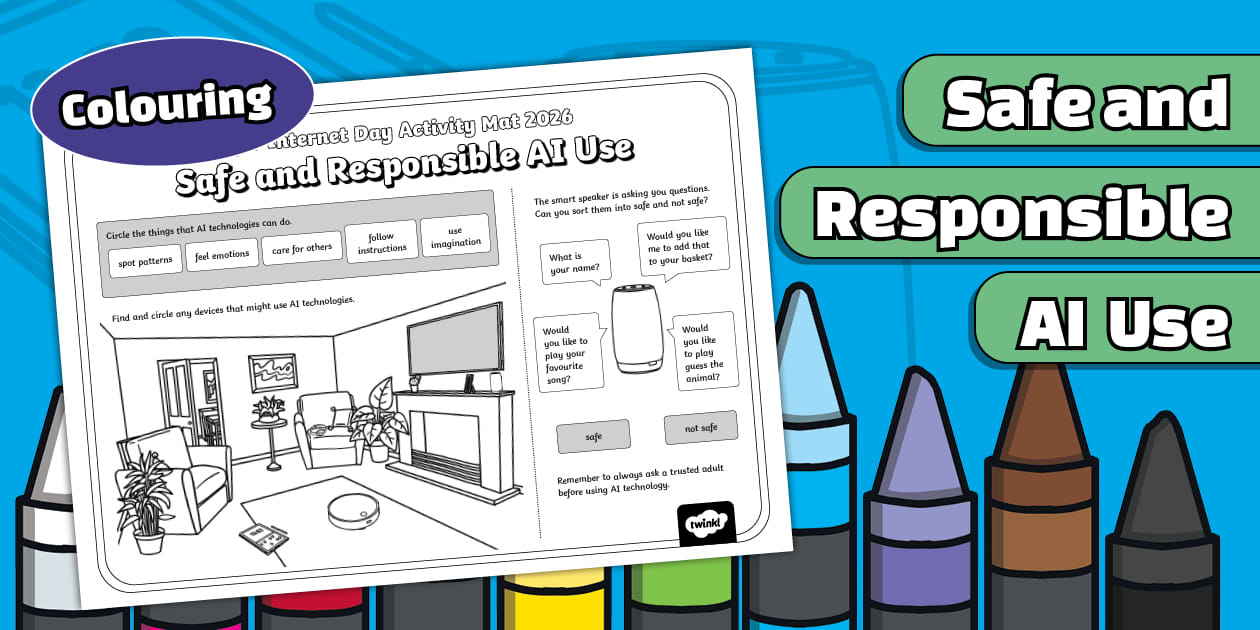
Introducing Media Literacy Early: Why Creative Activities Help Children Spot Altered Media
As synthetic media becomes increasingly sophisticated, teaching children how to critically evaluate what they see online is more important than ever. Educators and parents often struggle to find entry points for discussing complex topics like synthetic media and manipulated images with young students. Integrating creative exercises like a deepfake awareness coloring page kids activity provides a tangible, pressure-free way to open up discussions about digital reality. Organizations like ConnectSafely and the Cybersecurity and Infrastructure Security Agency emphasize that early digital literacy builds a mental firewall against online deception. By combining visual arts with age-appropriate media literacy lessons, classrooms and households can equip children with the critical thinking skills needed to recognize when a picture, video, or voice is not what it seems.
💡 Activity Key Takeaways:
- Core Focus: Printable Deepfake Awareness Coloring Page Kids designed for creative expression and fine-motor coordination.
- Target Scope: Ideal for toddlers, preschool, kindergarten, and classroom art activities.
- Best Recommendation: Use standard heavy printer paper (24–28 lb) or cardstock for vibrant results with crayons, colored pencils, or washable markers.
Comparing Digital Risks: Risk Signals and Practical Guardrails
Protecting children from deceptive media requires a mix of technical safeguards and behavioral awareness across home and school environments. Adults must understand where vulnerabilities lie—from unmonitored home devices to school-issued tablets and social chat apps—so they can implement the right protective measures without stifling exploration. Related guide: Please Provide Free 8.5″X11″ Digital Safety Coloring Pages For K-2 Grade.
| Setting / Context | Common Vulnerability | Practical Safeguard |
|---|---|---|
| Home Devices & Tablets | Unrestricted app store downloads and random video-sharing applications. | Enable strict parental controls, restrict app approvals, and maintain centralized device charging stations. |
| School Chromebooks & Portals | Students bypassing web filters or sharing credentials on unsecured chat channels. | Enforce network-level content filtering via Internet and Digital Safety tools and run regular security audits. |
| Social Apps & Messaging | Exposure to altered profile pictures, fake audio notes, and persuasive deepfake scams. | Review privacy settings together, discuss red flags, and utilize resources from Online and Digital Safety curricula. |
Actionable Habits for Families and Schools to Build Lasting Digital Resilience
Building resilience against digital trickery goes beyond installing software filters; it requires establishing consistent routines that encourage open communication. Educators and parents should coordinate to ensure that children feel comfortable reporting strange online encounters without fear of losing their device privileges. Incorporating hands-on activities, such as completing a Coloring Pages session while discussing how digital images can be altered, makes abstract concepts concrete for younger minds. Adults should also model healthy skepticism by verbalizing their own thought processes when encountering sensational headlines or suspicious photos online. Establishing a regular digital check-in routine ensures that students know they can ask questions whenever a piece of media looks or sounds unreal.
When adults tell children that not everything online is true, kids often respond with intense curiosity or defensiveness, especially if they enjoy using face-swap filters and generative art tools. Overly strict device bans frequently backfire, driving children to experiment with unvetted tools in secret. Instead of framing creative technologies as entirely forbidden, educators and parents should guide children in exploring the difference between playful editing and malicious impersonation. By pairing technical device boundaries with transparent, calm conversations about privacy and consent, adults can channel student curiosity into healthy media skepticism and responsible digital citizenship.
Frequently Asked Questions About Teaching Synthetic Media Safety
At what age should we start discussing manipulated media and altered photos with children?
You can introduce foundational media literacy concepts as early as kindergarten or first grade through storytelling and creative exercises. Frame lessons around the idea that pictures can be changed just like drawings, gradually moving into more advanced discussions about video and audio as kids mature.
How can a creative coloring exercise help children understand complex topics like deepfakes?
Creative exercises allow children to engage with abstract concepts through tactile, low-stress mediums. Discussing how an image can be colored differently or altered on paper builds a cognitive bridge to understanding how digital photos and videos can be manipulated on screens.
What should a child do if they encounter a suspicious or inappropriate video online?
Teach children a simple three-step rule: pause, don’t share, and tell a trusted adult immediately. Ensure they know they will not get into trouble for reporting what they saw, which encourages transparency and swift intervention.
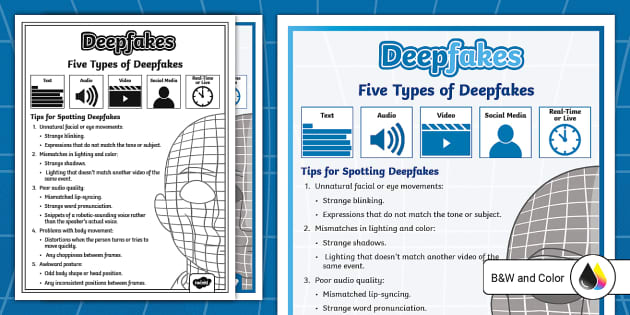
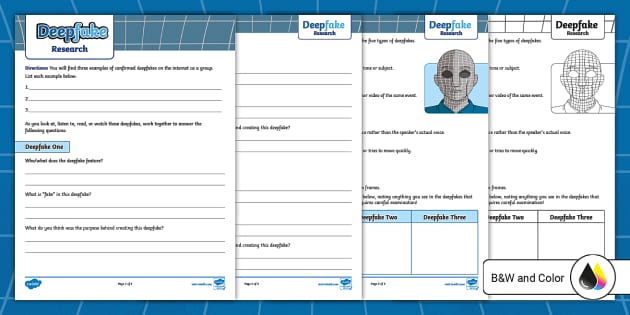
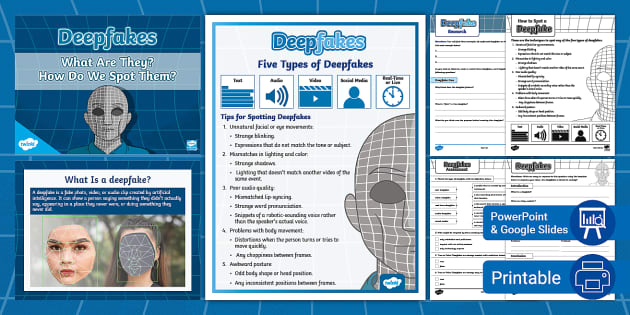
Printable Coloring Page Previews




Explore More Educational Digital Citizenship and Safety Resources
To help children navigate the digital landscape safely, explore our growing library of guides, printables, and lesson plans designed for homes and classrooms. Visit SafeWiredSchools.org to discover additional strategies and activity sheets that empower the next generation of safe, smart digital citizens.