Introduction
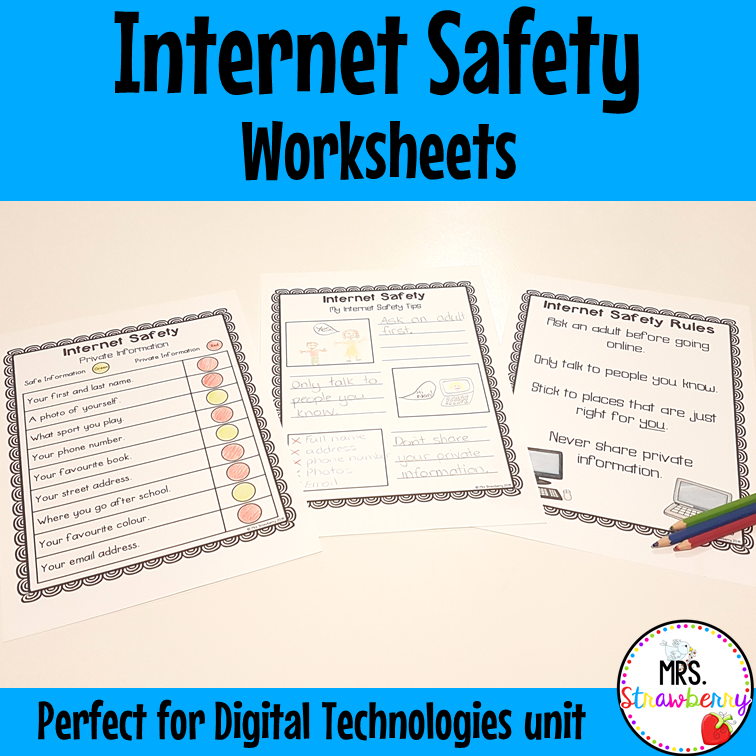
The “internet safety journal for kids” is a crucial resource for fostering responsible digital citizenship, primarily designed for Elementary (grades 3-5) and Middle School (grades 6-8) learners, yet highly adaptable for younger and older students. This printable journal provides a hands-on, engaging method for children to internalize vital online safety principles. Its structured activities reinforce critical concepts through direct interaction, moving beyond passive learning. Printable worksheets are trusted tools by educators and parents alike, offering tangible learning experiences that build digital awareness and encourage responsible online behavior. The act of writing, drawing, and reflecting within a personal journal format deepens understanding and ownership of internet safety rules, making abstract concepts concrete and memorable for developing minds.
💡 Educational Key Takeaways:
- Core Skill: Structured Internet Safety Journal For Kids focused on developing pencil grip, stroke control, and early literacy/math confidence.
- Target Scope: Suited for homeschoolers, preschool, kindergarten, and elementary learners.
- Best Recommendation: Practice 10–15 minutes daily with ergonomic writing tools to reinforce muscle memory without hand fatigue.
What This Worksheet Covers
The “internet safety journal for kids” addresses fundamental internet safety topics, ensuring a comprehensive understanding of navigating the digital world securely. It covers the importance of protecting personal information, recognizing and reporting suspicious online interactions, understanding the concept of digital footprints, and practicing respectful online communication. Furthermore, the journal introduces scenarios related to cyberbullying prevention and encourages critical thinking about online content veracity. This content directly aligns with recognized digital citizenship and child safety education standards, which advocate for proactive learning about online risks and responsible technology use from an early age. The activities are designed to build foundational knowledge that empowers young users to make safe choices independently. Related guide: Free Internet Safety Worksheet For Grade 4.
Key Learning Outcomes
By completing the “internet safety journal for kids,” learners will develop several essential skills and knowledge areas:
- Personal Information Protection: Students will learn to identify sensitive personal data and understand why it must not be shared online without adult permission.
- Stranger Awareness Online: Children will recognize the potential dangers of interacting with unknown individuals online and the importance of reporting uncomfortable situations.
- Critical Thinking and Content Evaluation: Learners will cultivate the ability to question information encountered online and understand that not everything seen on the internet is true.
- Responsible Digital Footprint Management: Students will grasp the concept that online actions have lasting consequences, encouraging thoughtful posting and interaction.
- Cyberbullying Prevention and Response: Participants will learn strategies for identifying, preventing, and reporting cyberbullying incidents, promoting a supportive online environment.
How to Use This Worksheet
The “internet safety journal for kids” offers a flexible format, making it suitable for various educational settings. Activities within the journal include fill-in-the-blank exercises, matching safety rules with scenarios, true or false statements, drawing prompts to illustrate safe online practices, and reflection questions encouraging personal connection to the material. The difficulty level progresses gradually, with clear instructions scaffolding learning from basic concepts to more complex decision-making scenarios. Educators can integrate the journal as a standalone activity to kickstart discussions on digital safety or incorporate specific pages into broader lesson plans focusing on digital citizenship. At home, parents can utilize it as a structured bonding activity, completing pages together and discussing responses. It also functions effectively as a homework assignment, allowing children to reinforce classroom learning in a familiar environment. Browse more guides on Safe Wired Schools.
Practical Tips for Parents and Teachers
- Establish a Safe Space: Begin each journal session by creating an open, non-judgmental environment where children feel comfortable asking questions and sharing concerns about their online experiences.
- Facilitate Discussion, Not Just Completion: After each activity, engage learners in a conversation about their answers. Explore the reasoning behind their choices and provide real-world examples to solidify understanding.
- Personalize the Learning: Encourage children to relate the journals scenarios to their own online activities or those of their friends, making the lessons more relevant and impactful.
- Model Safe Behavior: Demonstrate good digital habits yourself, such as thoughtful posting, privacy settings awareness, and balanced screen time, reinforcing the journals teachings through example.
- Extend the Learning: Use the journal as a springboard for further exploration. Watch age-appropriate educational videos on internet safety, read books, or create family rules based on the concepts covered.
Age-Appropriate Recommendations
Utilizing the “internet safety journal for kids” effectively requires tailoring the approach to different developmental stages, ensuring maximum engagement and comprehension across the 5-18 age range.
Ages 5-8 (Early Elementary): For younger learners, focus on the drawing and simple matching activities. Parental or teacher involvement is crucial, providing direct guidance for each page and reading instructions aloud. Vocabulary support is essential; simplify complex terms and explain concepts using relatable examples. Keep sessions short and interactive, emphasizing basic rules like “Ask an adult before clicking” and “Don’t share your name.” The goal is to introduce fundamental safety concepts through repetition and positive reinforcement.
Ages 9-12 (Late Elementary to Early Middle School): This age group can engage with more complex fill-in-the-blank, true/false, and scenario-based activities. Encourage independent completion of sections, followed by guided discussions to deepen understanding. Vocabulary support may still be needed for terms like “digital footprint” or “phishing.” Focus on critical thinking skills, such as evaluating online content and recognizing potential online dangers. The journal serves as an excellent prompt for discussing real-life online dilemmas and appropriate responses, fostering greater autonomy.
Ages 13-18 (Middle to High School): While primarily designed for younger learners, the journal can initiate valuable discussions for older students. Focus on the reflection questions and scenario-based challenges, prompting deeper critical analysis of complex online issues like cyberbullying, online reputation, and privacy settings. Minimal direct involvement is required, but teachers or parents should be available for in-depth conversations sparked by the journal’s content. The journal can serve as a foundation for exploring more advanced digital citizenship topics and ethical considerations in their increasingly complex online lives.
Frequently Asked Questions
Q: What specific internet safety topics does the journal cover?
A: The “internet safety journal for kids” covers essential topics including personal information protection, recognizing online strangers, cyberbullying prevention, critical thinking about online content, and managing one’s digital footprint. It provides a comprehensive overview of safe online practices.
Q: Is this journal suitable for all age groups?
A: While primarily designed for elementary and middle school students, the journal’s adaptable content allows for effective use across ages 5-18 with appropriate adult guidance and discussion. Specific age-based recommendations ensure optimal learning outcomes.
Q: How can I download or access the free printable “internet safety journal for kids”?
A: The free printable “internet safety journal for kids” is readily available for download directly from the SafeWiredSchools.org website. Navigate to the “Worksheets” section to find and print this valuable educational resource instantly.
Explore More Free Printable Worksheets
A single resource, while valuable, works best as part of a consistent digital safety learning routine. The “internet safety journal for kids” represents just one component of a comprehensive approach to online safety education. Educators and parents are invited to explore a full collection of free printable internet safety worksheets, activity sheets, checklists, quizzes, and more at SafeWiredSchools.org Worksheets. This extensive library covers every internet safety topic, meticulously designed for every grade level and learning environment, ensuring continuous reinforcement of critical digital literacy skills.
Developmental Milestone & Activity Table
| Development Stage | Recommended Daily Duration | Primary Learning Objective |
|---|---|---|
| Preschool & Pre-K | 10 – 15 Minutes | Pencil grip development & basic pre-stroke lines |
| Kindergarten | 15 – 20 Minutes | Letter/number formation & spatial line awareness |
| Early Elementary (Grade 1–2) | 20 – 30 Minutes | Fluency, sentence construction & neatness |