Introduction
Expert educators understand the profound impact of digital technology on young lives. Establishing healthy digital habits from an early age is not merely beneficial; it is essential for fostering responsible digital citizens. The “screen time monitoring checklist for parents” is an invaluable free printable resource, primarily designed for parents guiding children from Elementary grades (1-5) through Middle and High School (grades 6-12). This practical tool reinforces crucial internet safety concepts by providing a structured approach to managing digital device usage. Printable worksheets and checklists remain trusted pedagogical instruments for educators and parents alike, offering tangible, hands-on methods to build digital awareness, encourage critical thinking, and cultivate responsible online behavior within the home and classroom environments. The checklist serves as a foundational element in developing a balanced approach to technology, ensuring that screen time contributes positively to learning and development rather than detracting from it.
💡 Educational Key Takeaways:
- Core Skill: Structured Screen Time Monitoring Checklist For Parents focused on developing pencil grip, stroke control, and early literacy/math confidence.
- Target Scope: Suited for homeschoolers, preschool, kindergarten, and elementary learners.
- Best Recommendation: Practice 10–15 minutes daily with ergonomic writing tools to reinforce muscle memory without hand fatigue.
What This Worksheet Covers
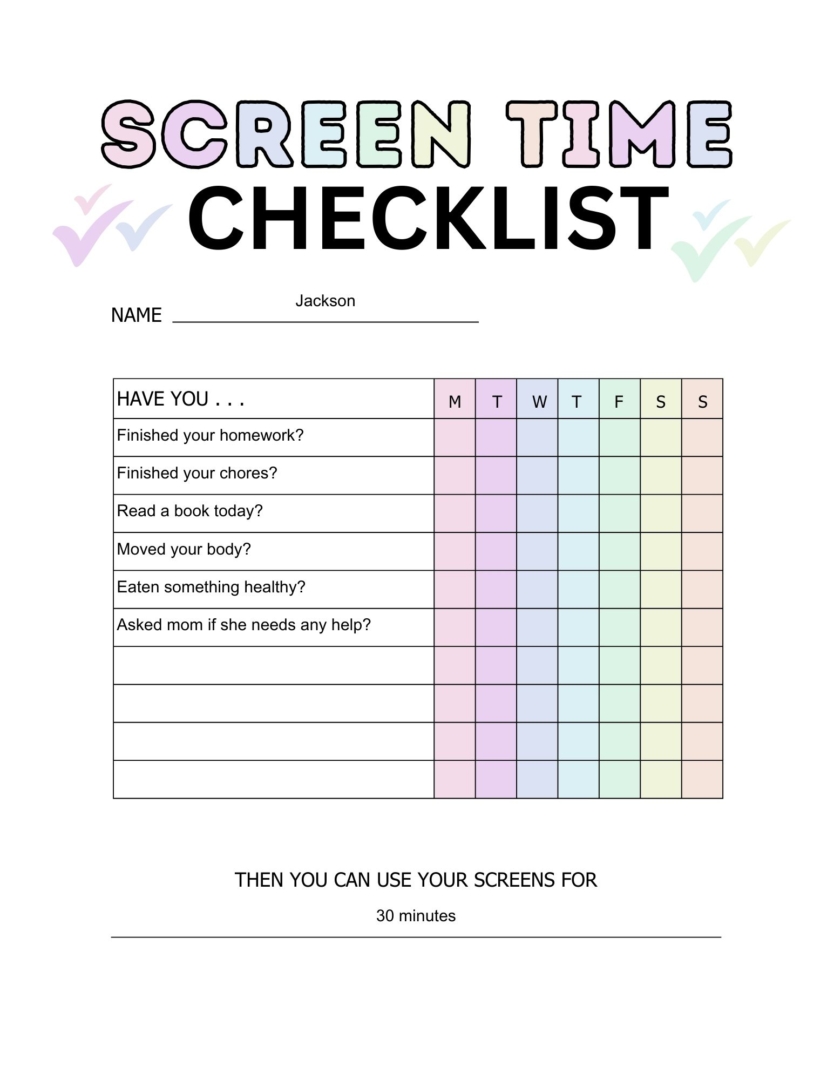
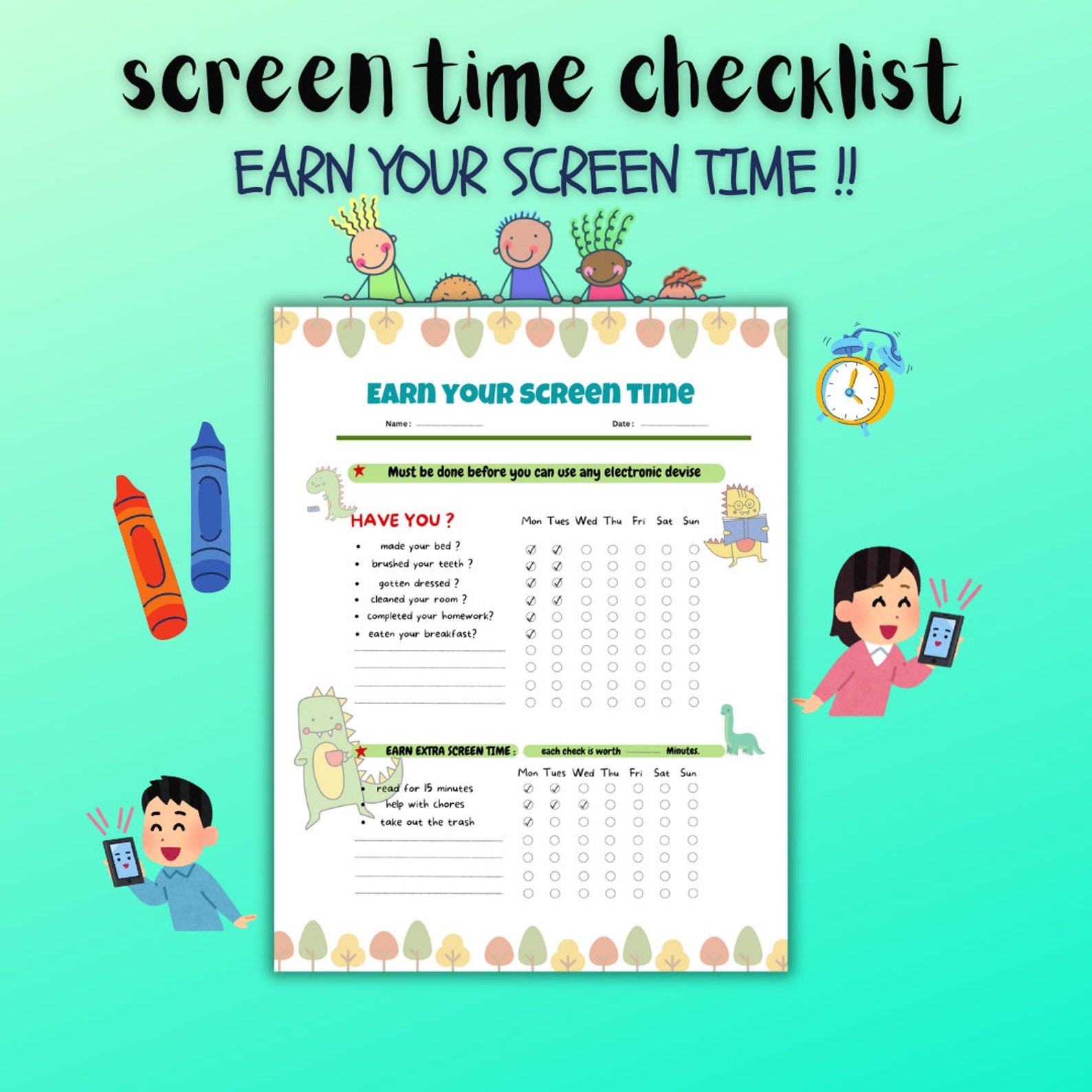
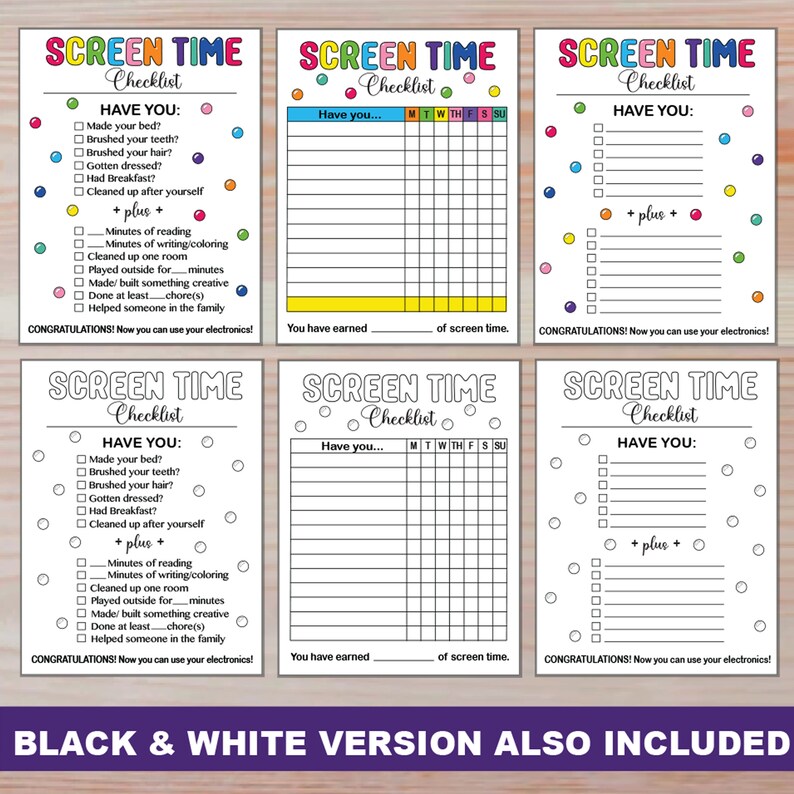
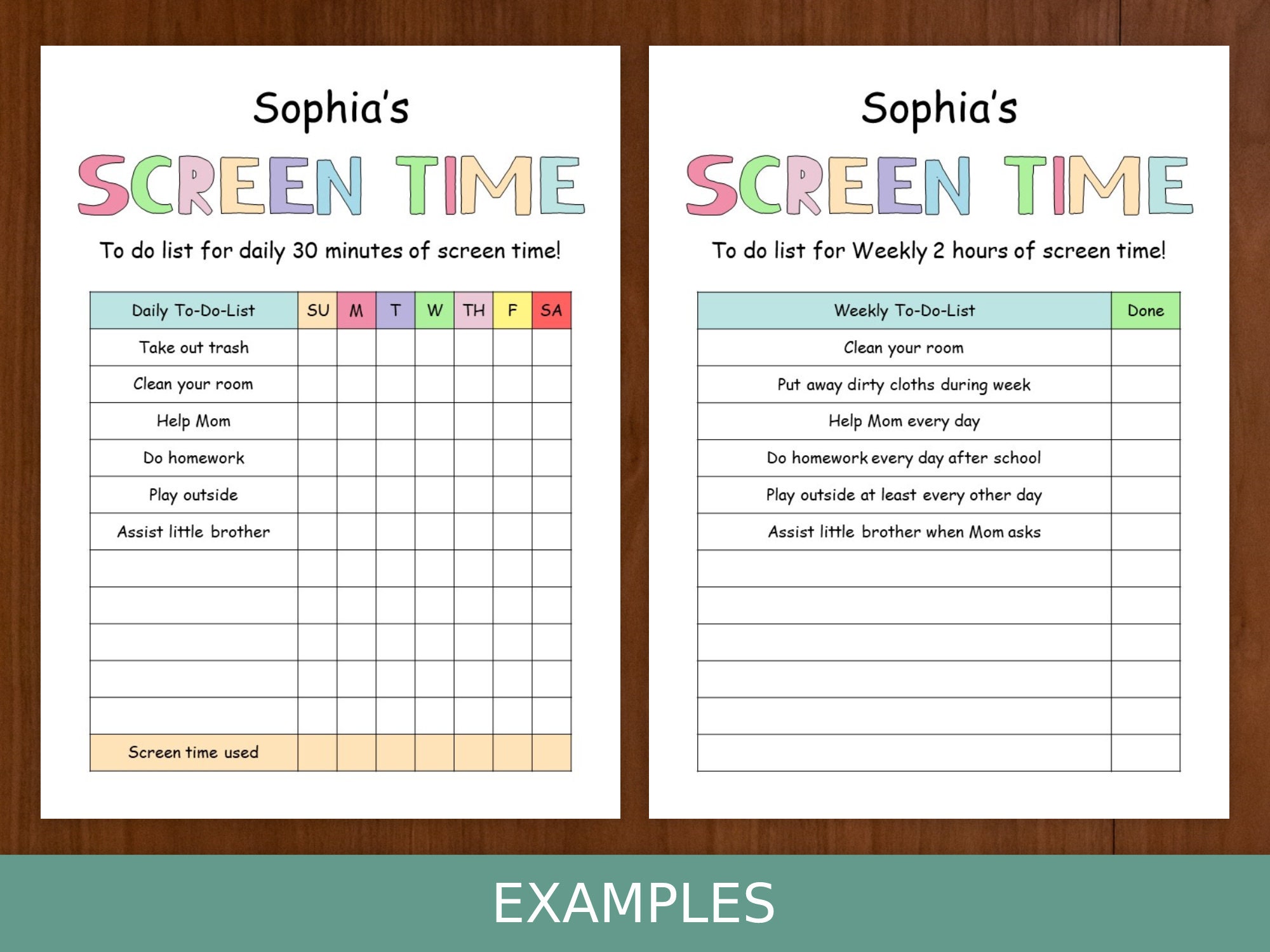
The “screen time monitoring checklist for parents” addresses the vital topic of healthy screen time management and digital well-being. This comprehensive resource guides parents through the process of establishing clear boundaries, identifying appropriate content, and promoting a balanced integration of online and offline activities. It covers concepts such as setting realistic time limits, recognizing signs of potential overuse, and creating a family media plan tailored to individual needs. The checklist encourages consideration of various factors, including educational value, social interaction, and physical activity, ensuring a holistic perspective on digital engagement. The content directly connects to recognized digital citizenship and child safety education standards, which emphasize responsible technology use, media literacy, and the cultivation of positive online habits for learners across all age groups. Related guide: Internet Safety Contract For Students.
Key Learning Outcomes
By effectively implementing the strategies outlined in the “screen time monitoring checklist for parents,” children and students will develop several crucial skills and knowledge areas:. Browse more guides on Safe Wired Schools.
- Understanding the importance of screen time limits and the reasons behind established rules.
- Developing essential self-regulation skills in relation to digital device usage.
- Identifying and engaging in a diverse range of online and offline activities.
- Communicating openly and effectively about their digital habits and online experiences.
- Practicing responsible digital citizenship by making conscious choices about their screen engagement.
How to Use This Worksheet
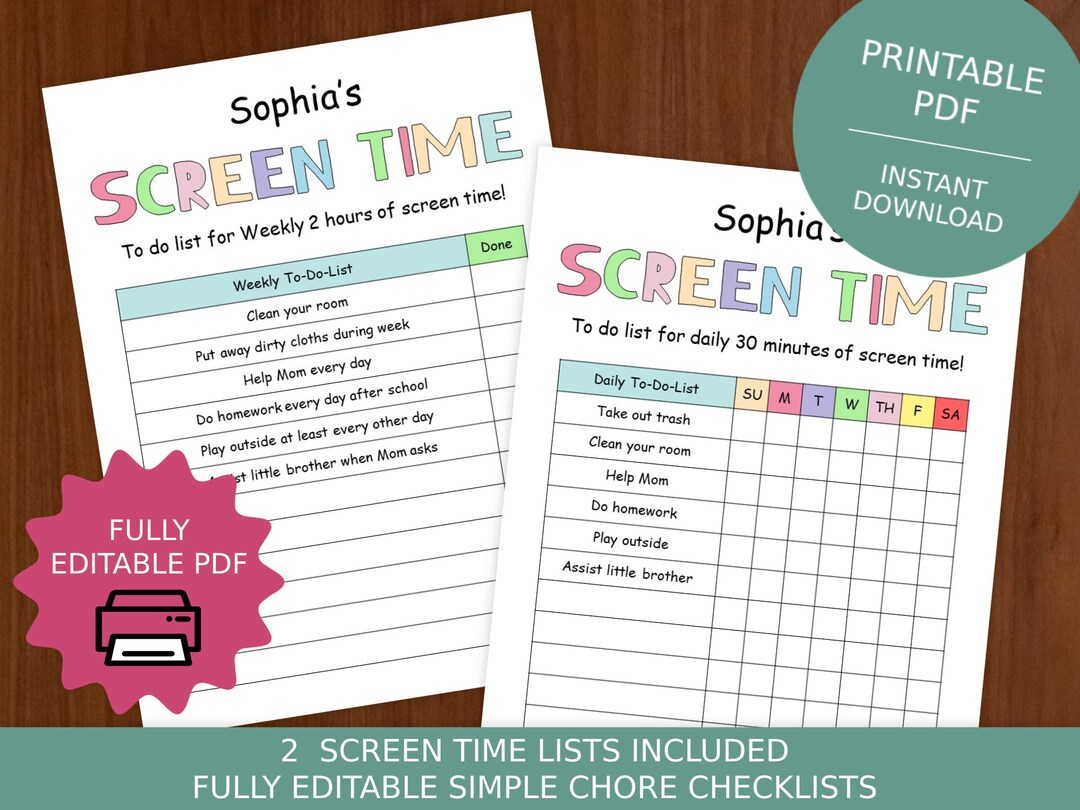
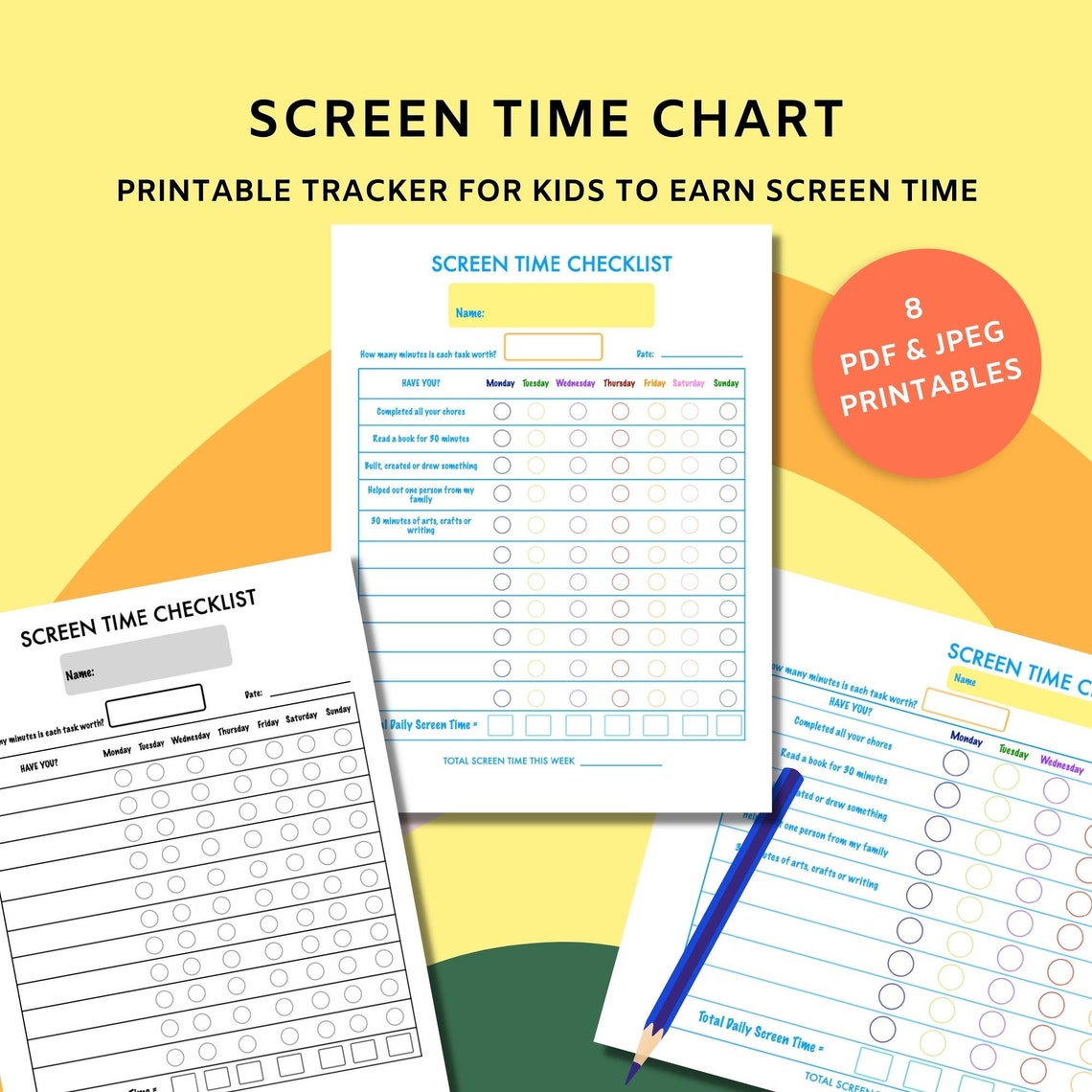
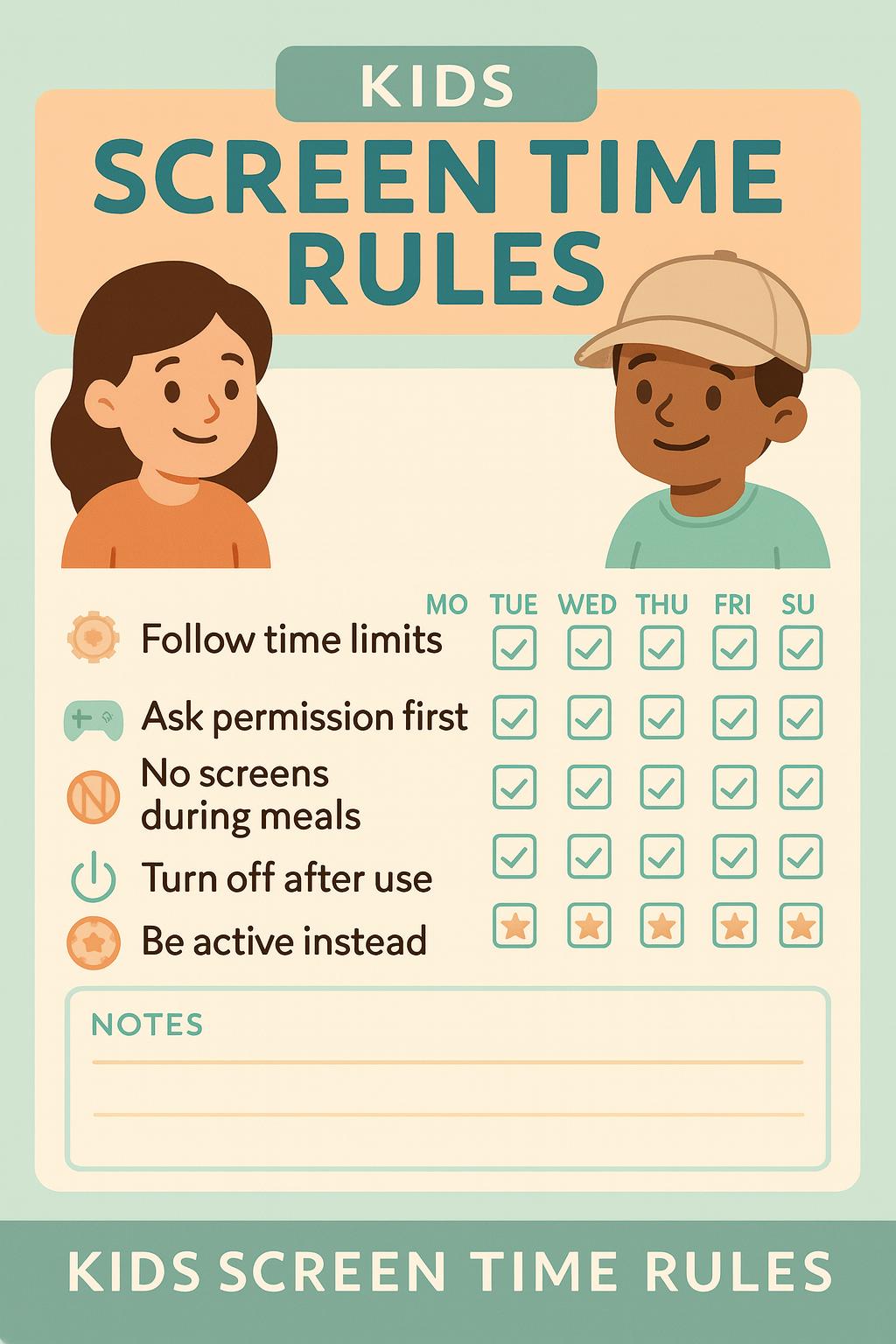
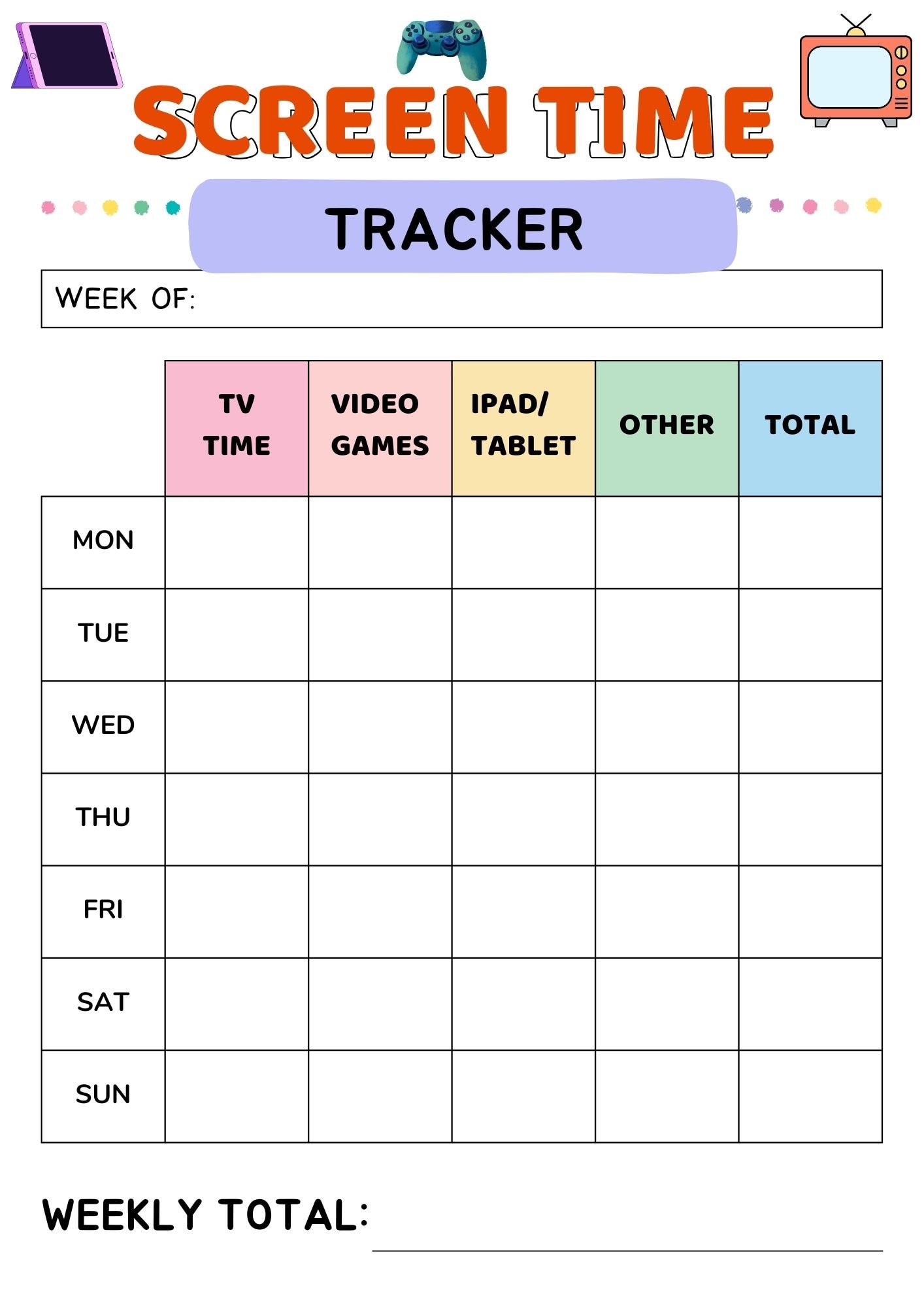
The “screen time monitoring checklist for parents” functions as a practical framework for guiding discussions and establishing family expectations regarding digital device use. Its format is that of a clear, actionable checklist, presenting prompts and categories for parents to review, discuss, and track. This resource is not an activity sheet for children to complete independently but rather a strategic tool for adults to facilitate meaningful conversations and implement consistent rules. The difficulty level is accessible, designed for straightforward implementation without requiring specialized technical knowledge. It can be utilized as a standalone planning document for developing a family media strategy, integrated into a broader digital citizenship lesson plan by educators for parent engagement, or assigned as a foundational task for families committed to fostering healthy digital habits at home.
Practical Tips for Parents and Teachers
- Preparation and Review: Before implementation, thoroughly review the checklist to understand each category. Parents should discuss it with co-parents or caregivers to ensure a unified approach, while teachers can use it as a guide for parent-teacher conferences on digital safety.
- Collaborative Rule-Setting: Involve children in the process of setting screen time rules and expectations, appropriate to their age. This fosters a sense of ownership and increases compliance. Frame rules positively, focusing on what can be done rather than just what cannot.
- Consistent Implementation: Establish a routine for monitoring and discussion. Consistency is key to habit formation. Regular check-ins using the checklist can help identify patterns and make necessary adjustments.
- Model Good Behavior: Adults serve as primary role models. Demonstrate healthy screen time habits, balance online and offline activities, and avoid excessive personal device use, especially during family time.
- Extend the Learning: Use the checklist as a springboard for exploring new hobbies, outdoor activities, reading, or creative play that do not involve screens. Regularly discuss the benefits of a balanced lifestyle and the impact of technology on well-being.
Age-Appropriate Recommendations
Effective screen time management requires an age-sensitive approach, adapting expectations and involvement levels as children grow. The “screen time monitoring checklist for parents” can be tailored to meet developmental needs across various age bands.
For Ages 5-8 (Early Elementary), the focus should be on establishing basic, clear routines and identifying appropriate versus inappropriate screen choices. Parental involvement will be high, with adults primarily setting and enforcing limits. Vocabulary support is crucial, explaining concepts simply, perhaps using visual cues or simple charts. Activity pacing should be brief, with frequent breaks from screens. Discussions can revolve around “what makes a good screen choice” and “what else can we do that’s fun.”
For Ages 9-12 (Late Elementary/Middle School), children can be more actively involved in the rule-setting process. Discussions should introduce concepts of content appropriateness, digital footprint awareness, and the importance of balancing online interaction with real-world experiences. The checklist can be used to track specific types of screen time (e.g., educational vs. entertainment) and to reflect on personal usage patterns. Parental guidance remains essential, but the goal shifts towards fostering greater self-management and critical thinking.
<
For Ages 13-18 (Middle/High School), the approach should emphasize self-management, critical evaluation of media, and understanding the broader implications of screen time on mental health, privacy, and future opportunities. Collaborative rule-setting is paramount, treating the checklist as a framework for an ongoing dialogue about responsible autonomy. Students can use the checklist for personal reflection and goal setting, with parents acting as mentors and facilitators, guiding them to make informed decisions about their digital lives.
Frequently Asked Questions
Q: What is the primary purpose of this checklist?
A: The “screen time monitoring checklist for parents” is designed to help parents establish, implement, and maintain healthy screen time habits and boundaries for children of all ages. It provides a structured guide for managing digital device usage effectively.
Q: How does this checklist benefit children?
A: By encouraging consistent screen time management, the checklist promotes digital well-being, fosters self-regulation skills, and encourages a balanced lifestyle that integrates both online and offline activities. It helps children understand the value of mindful technology use.
Q: Where can this free printable checklist be accessed?
A: The “screen time monitoring checklist for parents” is available as a free printable resource. It can be easily downloaded from the SafeWiredSchools.org website, typically located within the comprehensive resources or worksheets section.
Explore More Free Printable Worksheets
A single resource, while valuable, works best as part of a consistent and comprehensive digital safety learning routine. The “screen time monitoring checklist for parents” is just one component of a robust collection of educational tools. Educators and parents are invited to explore a full collection of free printable internet safety worksheets, activity sheets, checklists, quizzes, and more at SafeWiredSchools.org Worksheets. These resources cover every essential internet safety topic and are specifically designed for every grade level and learning environment, ensuring continuous learning and reinforcement of responsible digital practices.
Developmental Milestone & Activity Table
| Development Stage | Recommended Daily Duration | Primary Learning Objective |
|---|---|---|
| Preschool & Pre-K | 10 – 15 Minutes | Pencil grip development & basic pre-stroke lines |
| Kindergarten | 15 – 20 Minutes | Letter/number formation & spatial line awareness |
| Early Elementary (Grade 1–2) | 20 – 30 Minutes | Fluency, sentence construction & neatness |
Images References