Introduction
Effective digital literacy begins with foundational understanding, and managing digital interactions is a cornerstone of this education. The “screen time worksheet for students” is a valuable, free printable resource designed to reinforce critical internet safety concepts through engaging, hands-on learning. This educational tool is primarily suited for Elementary (grades 1-5) and Middle School (grades 6-8) students, though its principles can be adapted for younger and older learners with appropriate guidance. Educators and parents consistently trust printable worksheets for their tangible nature, offering a distraction-free environment to build digital awareness and cultivate responsible online behavior. Such resources provide a concrete platform for discussing abstract digital concepts, fostering deeper comprehension and practical application. The structured format of a worksheet ensures a focused learning experience, aiding in the development of essential habits for navigating the digital world safely and thoughtfully.
💡 Educational Key Takeaways:
- Core Skill: Structured Screen Time Worksheet For Students focused on developing pencil grip, stroke control, and early literacy/math confidence.
- Target Scope: Suited for homeschoolers, preschool, kindergarten, and elementary learners.
- Best Recommendation: Practice 10–15 minutes daily with ergonomic writing tools to reinforce muscle memory without hand fatigue.
What This Worksheet Covers
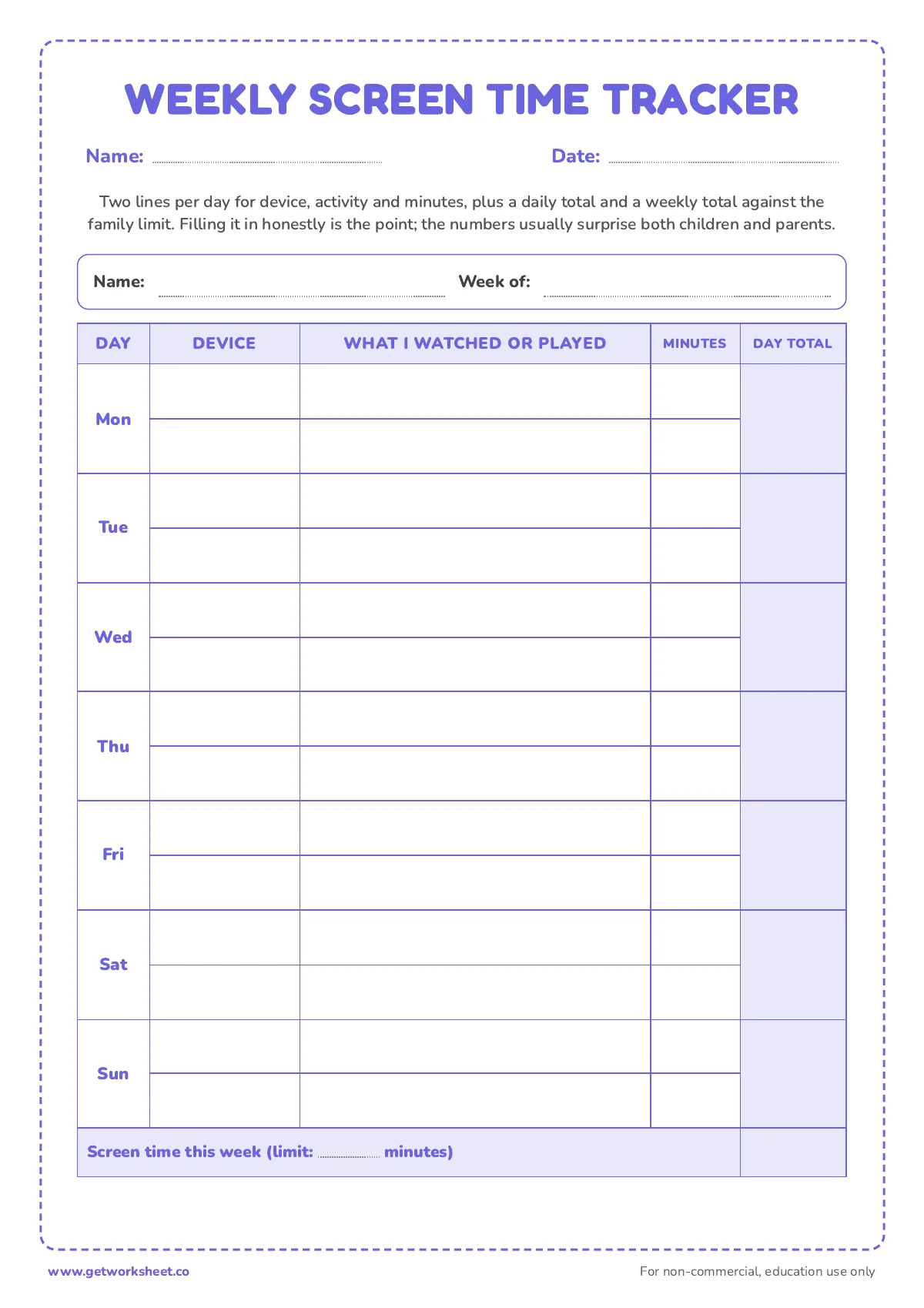
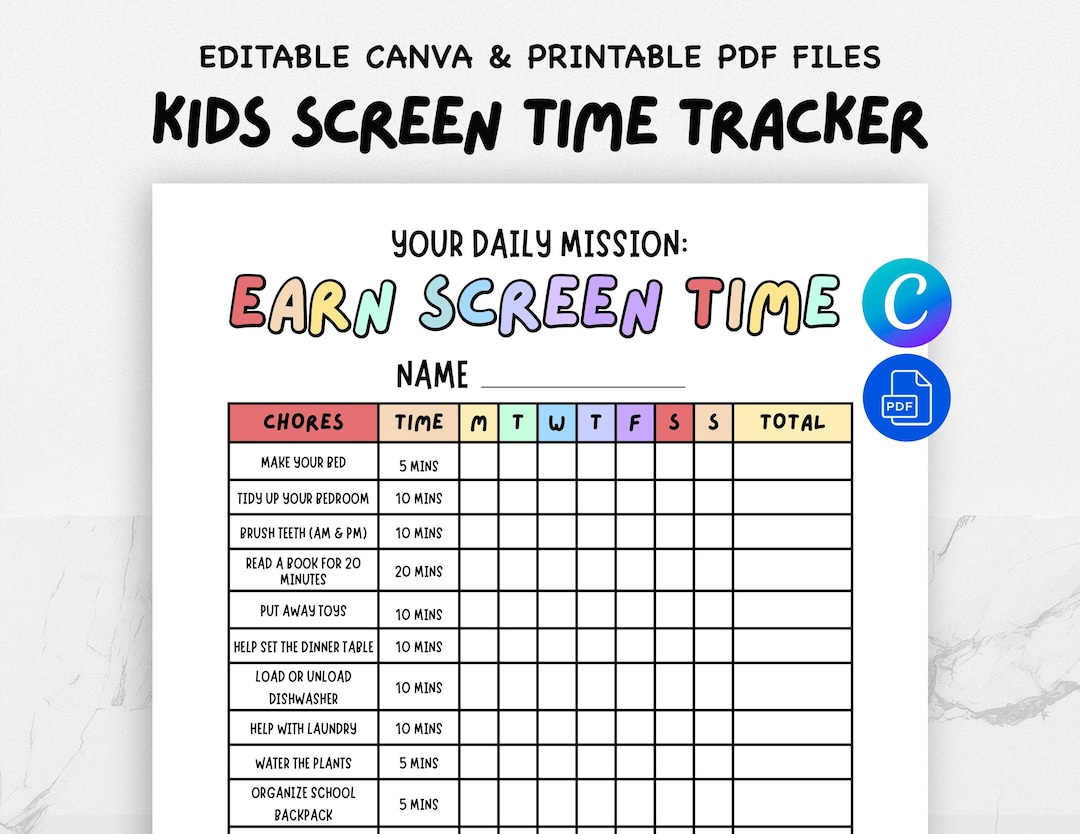
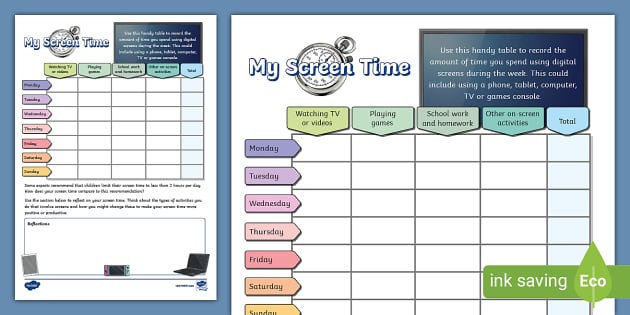
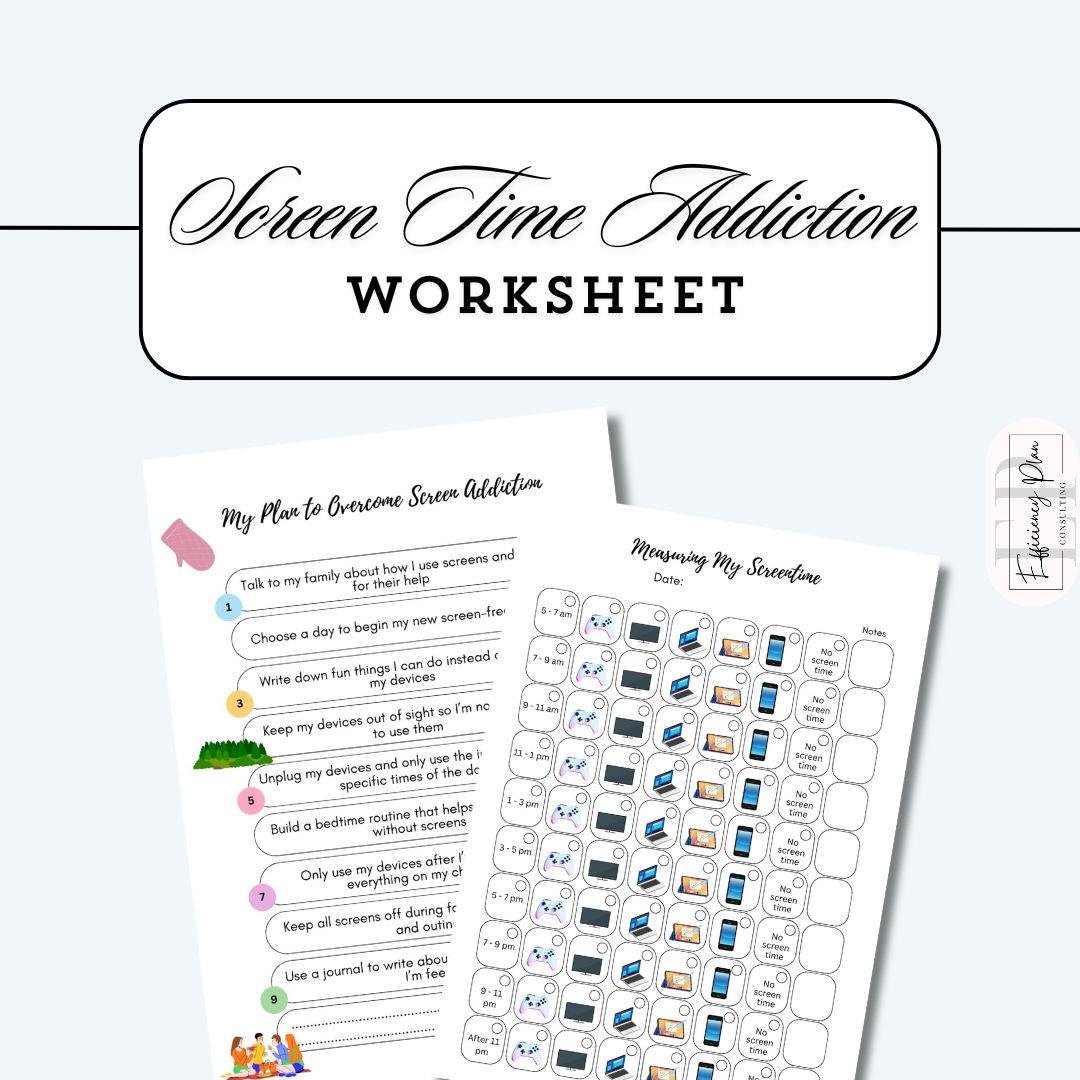
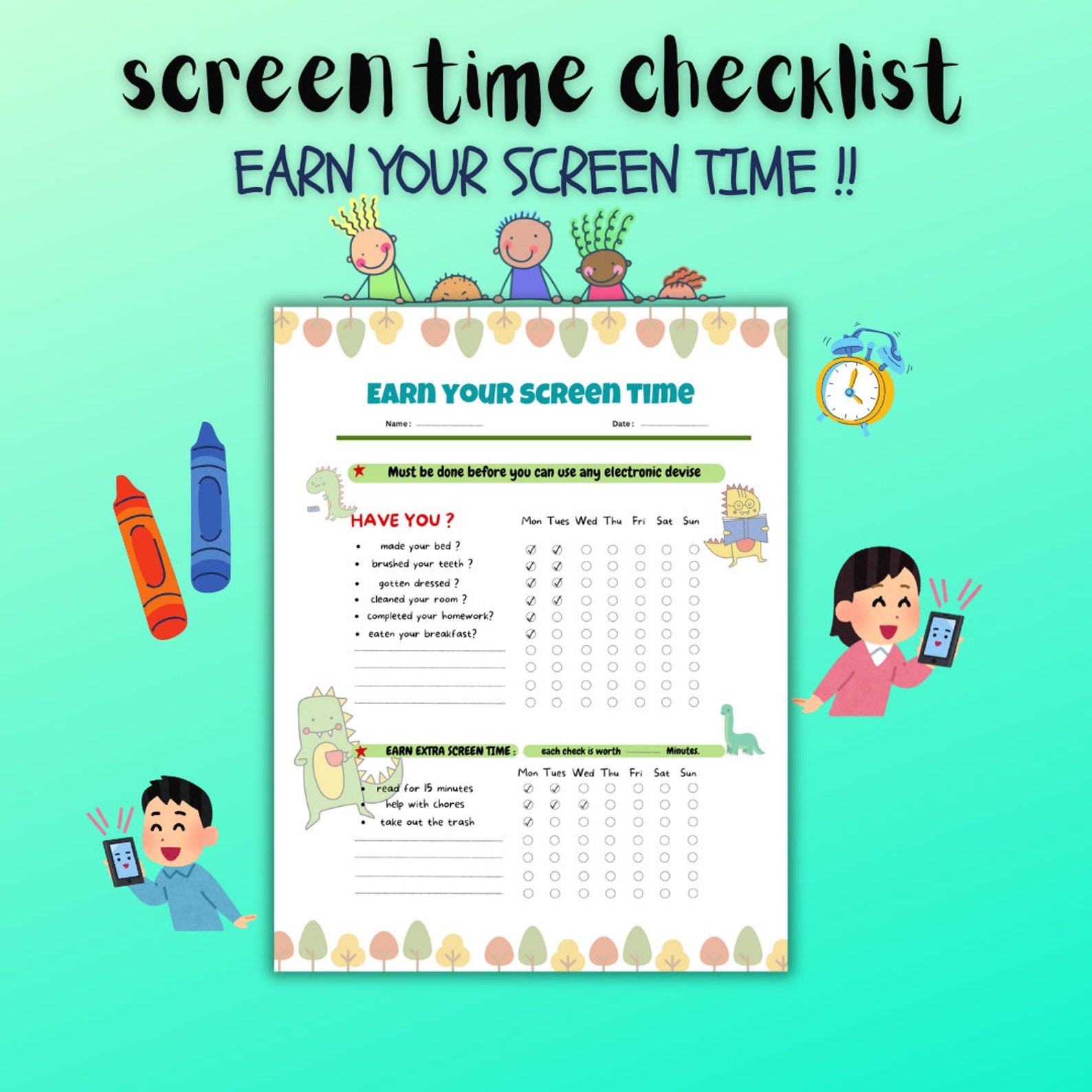
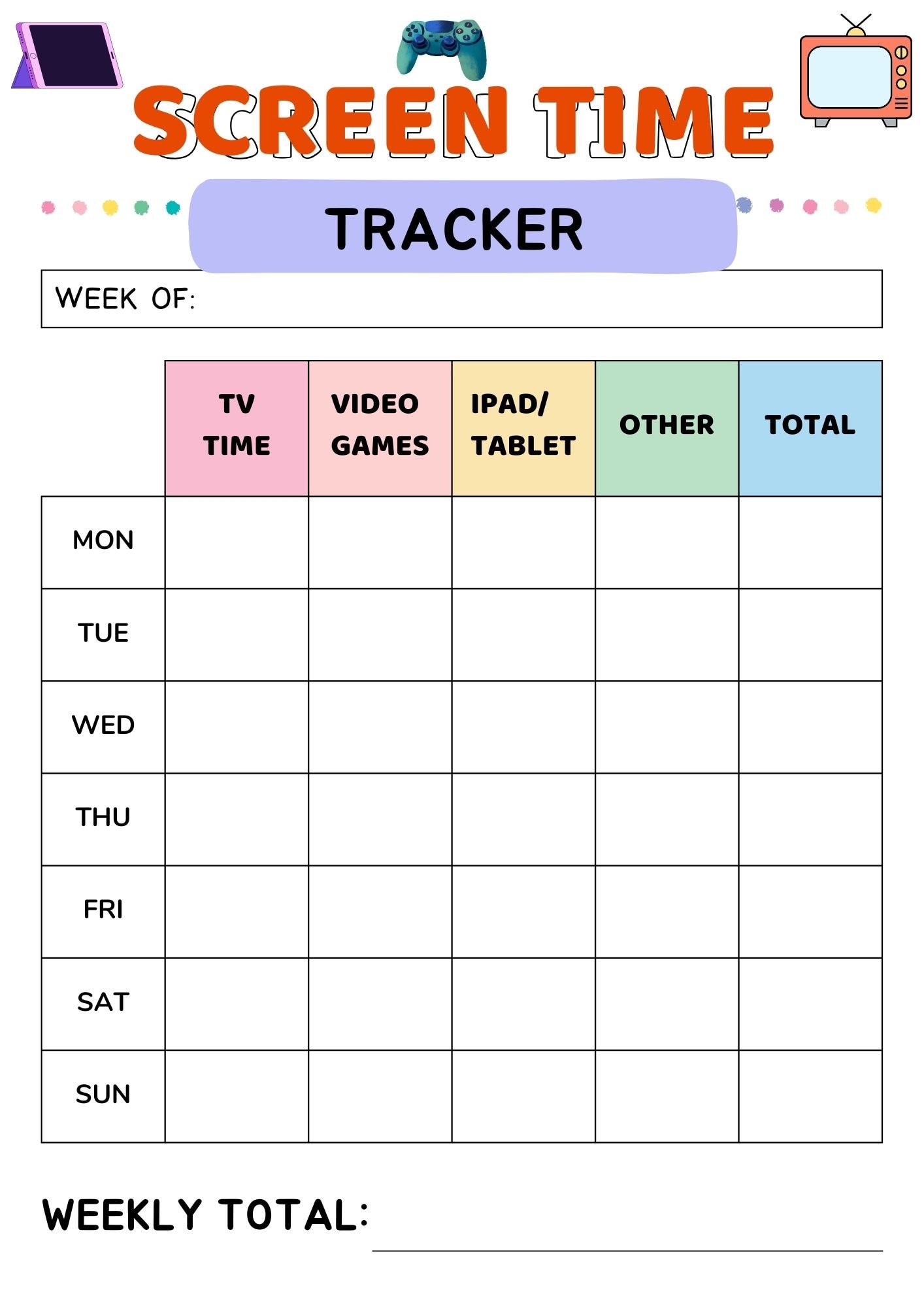
The “screen time worksheet for students” specifically addresses the crucial internet safety topic of balanced digital engagement and healthy screen habits. It explores concepts such as identifying appropriate versus excessive screen use, understanding the impact of digital devices on daily life, and the importance of setting clear boundaries. The worksheet covers essential rules for managing time spent online, considering factors like sleep, academic responsibilities, physical activity, and social interactions. Scenarios are presented to help students recognize potential pitfalls of imbalanced screen time and encourage thoughtful decision-making. The content of this worksheet directly connects with recognized digital citizenship and child safety education standards, which advocate for media literacy, personal responsibility, and well-being in the digital age. It provides a structured approach to understanding the ‘why’ behind screen time guidelines, moving beyond simple rules to foster genuine comprehension.
Key Learning Outcomes
Completing the “screen time worksheet for students” helps learners develop several vital skills and knowledge areas, crucial for digital well-being. These outcomes are designed to empower students with the tools for responsible digital engagement. Browse more guides on Safe Wired Schools.
- Students gain an understanding of the importance of balancing screen time with other daily activities.
- Learners develop the ability to identify both healthy and potentially unhealthy screen time habits.
- Children acquire strategies for setting personal screen time boundaries and adhering to them.
- Participants recognize the potential impact of excessive screen engagement on physical health, academic performance, and social interactions.
- Students improve their communication skills regarding screen time rules and expectations with family members and educators.
How to Use This Worksheet
The “screen time worksheet for students” is designed for flexible implementation in diverse learning environments. Its format incorporates a variety of activity types, including self-assessment checklists for daily habits, reflection prompts on digital experiences, and scenario-based questions that encourage critical thinking about real-world situations. The difficulty level is carefully calibrated, with instructions that scaffold learning progressively, ensuring accessibility for its target age groups. The worksheet can function effectively as a standalone activity, providing a focused discussion starter for a single session. Alternatively, it integrates seamlessly into broader internet safety lesson plans, serving as a hands-on component to reinforce theoretical concepts. Its structure also makes it suitable as a meaningful homework assignment, encouraging independent thought and family discussion outside the classroom setting. The printable nature of the resource ensures an engaging, tactile experience, free from digital distractions.
Practical Tips for Parents and Teachers
Maximizing the educational impact of the “screen time worksheet for students” involves thoughtful preparation and facilitation. Educators and parents can employ specific strategies to enhance the learning experience.
- Review the worksheet content thoroughly before presenting it, anticipating potential questions or discussion points.
- Facilitate an open and non-judgmental discussion after completion, allowing students to share their reflections and insights freely.
- Model healthy screen time habits consistently, demonstrating the principles discussed in the worksheet through personal actions.
- Collaboratively create a family or classroom screen time plan based on the worksheet’s lessons, fostering a sense of shared responsibility.
- Revisit the concepts and discussions regularly, reinforcing positive habits and adapting strategies as digital environments evolve.
Age-Appropriate Recommendations
Tailoring the approach to the “screen time worksheet for students” ensures its relevance and effectiveness across different developmental stages. Expert guidance allows for optimal engagement for various age bands.
For Ages 5-8 (Early Elementary), focus on basic recognition and simple habit formation. Adults should provide significant vocabulary support, explaining terms clearly and concisely. Activities should be paced slowly, allowing ample time for drawing, circling, or simple check-box responses. Parental or teacher involvement should be high, guiding each section and initiating brief, easy-to-understand discussions about the difference between a little screen time and too much. The emphasis should be on establishing routines and understanding basic family rules.
For Ages 9-12 (Upper Elementary/Early Middle School), encourage greater self-reflection and independent thought. Students at this age can engage with more complex scenarios and begin to articulate their own screen time experiences. Vocabulary support can be more targeted, focusing on digital citizenship terms. Activity pacing can be moderate, allowing for thoughtful completion of reflection prompts and short written answers. Adult involvement should transition to facilitation, posing open-ended questions and encouraging students to identify personal strategies for balanced use. Discussions can delve into the impact on homework, friendships, and hobbies.
For Ages 13-18 (Middle/High School), the worksheet serves as a springboard for deeper critical thinking and self-regulation. Discussions should explore the nuances of digital well-being, including the influence of social media, online gaming, and the impact on mental health. Minimal vocabulary support is typically needed, as students possess a stronger grasp of digital terminology. Activity pacing can be self-directed, with a focus on comprehensive reflection, goal setting, and creating personal digital contracts. Adult involvement should be advisory, prompting students to consider long-term consequences, peer pressure, and the development of sustainable healthy habits.
Frequently Asked Questions
Q: What is the recommended age range for this particular worksheet? A: The “screen time worksheet for students” is primarily designed for Elementary and Middle School students (ages 6-14), though its adaptable content can be used with guidance for younger learners or as a discussion starter for older teens. The key is adjusting the level of adult involvement and discussion depth to match the student’s developmental stage.
Q: How does this worksheet contribute to broader digital citizenship education? A: This worksheet significantly supports digital citizenship by fostering self-awareness and promoting responsible decision-making regarding online habits. It encourages students to think critically about their digital footprint and the impact of their choices on their overall well-being, moving beyond simple rules to instilling a sense of personal responsibility for balanced online engagement.
Q: Where can this free printable “screen time worksheet for students” be accessed? A: This valuable educational resource is available for immediate and free download on the SafeWiredSchools.org website. Simply navigate to the resources section or search for “screen time worksheet for students” to access and print the material for use in classrooms or at home, supporting digital safety education effortlessly.
Explore More Free Printable Worksheets
Reinforcing internet safety concepts requires a consistent and varied approach to learning. While the “screen time worksheet for students” offers immense value, its impact is amplified when integrated into a broader collection of printable educational resources. A single worksheet works best as part of a comprehensive curriculum designed to cover all facets of digital safety. Educators and parents are invited to explore a full collection of free printable internet safety worksheets, activity sheets, checklists, quizzes, and more at SafeWiredSchools.org Worksheets. These resources cover every essential internet safety topic, including privacy, cyberbullying, critical thinking, and responsible online communication, and are specifically designed for every grade level and learning environment, ensuring a robust and continuous digital safety learning routine.
Developmental Milestone & Activity Table
| Development Stage | Recommended Daily Duration | Primary Learning Objective |
|---|---|---|
| Preschool & Pre-K | 10 – 15 Minutes | Pencil grip development & basic pre-stroke lines |
| Kindergarten | 15 – 20 Minutes | Letter/number formation & spatial line awareness |
| Early Elementary (Grade 1–2) | 20 – 30 Minutes | Fluency, sentence construction & neatness |
Images References