Introduction
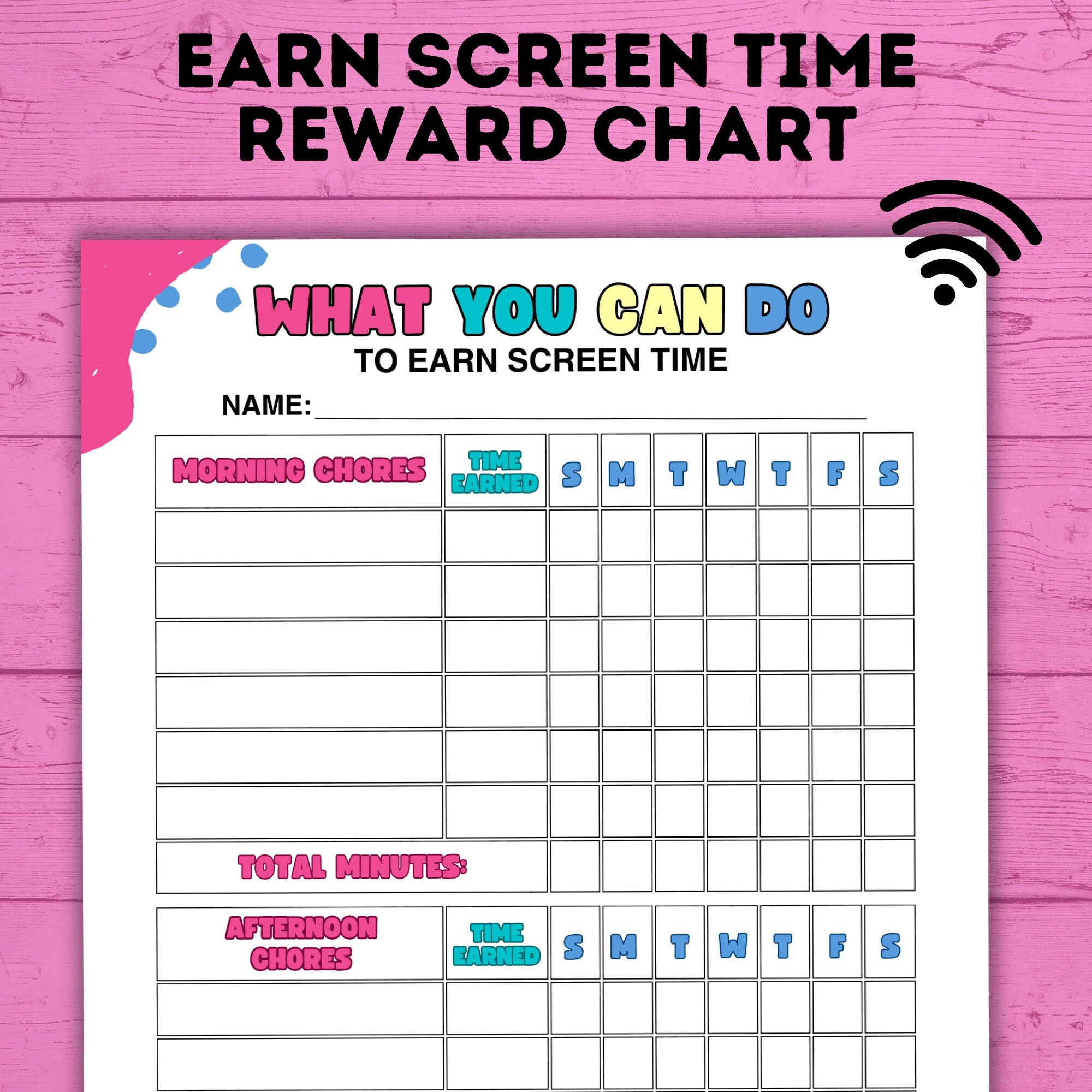
The “free printable screen time reward chart” serves as an invaluable resource primarily designed for Elementary grades 1-5, though its foundational principles extend to younger learners (ages 3-5) and offer a basis for discussion with older children (ages 6-12). This chart reinforces critical internet safety concepts by fostering responsible digital habits through a tangible, hands-on approach. Printable learning resources are widely recognized by educators and parents as highly effective tools for cultivating digital awareness and promoting responsible online behavior. The physical act of tracking progress and earning rewards creates a concrete connection between choices and consequences, a crucial element in early childhood development. Such materials provide a structured framework, making abstract concepts of digital balance and safety more accessible and actionable for young minds. Their effectiveness stems from providing clear visual cues and encouraging consistent engagement, which are cornerstones of successful behavioral guidance in both home and classroom settings. Explore more in our Worksheets category.
💡 Educational Key Takeaways:
- Core Skill: Structured Free Printable Screen Time Reward Chart focused on developing pencil grip, stroke control, and early literacy/math confidence.
- Target Scope: Suited for homeschoolers, preschool, kindergarten, and elementary learners.
- Best Recommendation: Practice 10–15 minutes daily with ergonomic writing tools to reinforce muscle memory without hand fatigue.
What This Worksheet Covers
This resource directly addresses the essential internet safety topic of balanced screen time management. It focuses on guiding children to understand that screen time is a privilege earned through responsible behavior, both online and offline, rather than an automatic right. The chart helps to illustrate concepts such as setting healthy boundaries, making intentional choices about digital activities, and recognizing the importance of offline engagement for overall well-being. It promotes the idea that responsible digital use is a key component of a healthy lifestyle. The worksheet‘s structure encourages adherence to family or classroom rules regarding device usage, content selection, and time limits. This approach aligns directly with recognized digital citizenship standards, emphasizing self-regulation, media literacy, and the development of discerning online habits from an early age. It provides a practical framework for integrating digital discipline into daily routines, laying groundwork for future online safety practices.
Key Learning Outcomes
Children and students completing the “free printable screen time reward chart” will develop several crucial skills and areas of knowledge:. Browse more guides on Safe Wired Schools.
- Self-Regulation: Learners begin to understand and manage their impulses regarding screen usage, fostering greater control over their digital interactions.
- Balanced Digital Engagement: The chart helps establish a clear understanding of the importance of balancing online activities with essential offline pursuits, such as reading, playing, and family time.
- Consequence and Reward Understanding: Children learn that positive actions and adherence to rules can lead to earned privileges, reinforcing the concept of responsibility.
- Goal Setting: The visual nature of the chart encourages setting and working towards small, achievable goals related to screen time and other responsibilities.
- Family/Classroom Rules Adherence: The resource strengthens the understanding and acceptance of established guidelines for device use, promoting a safer digital environment.
How to Use This Worksheet
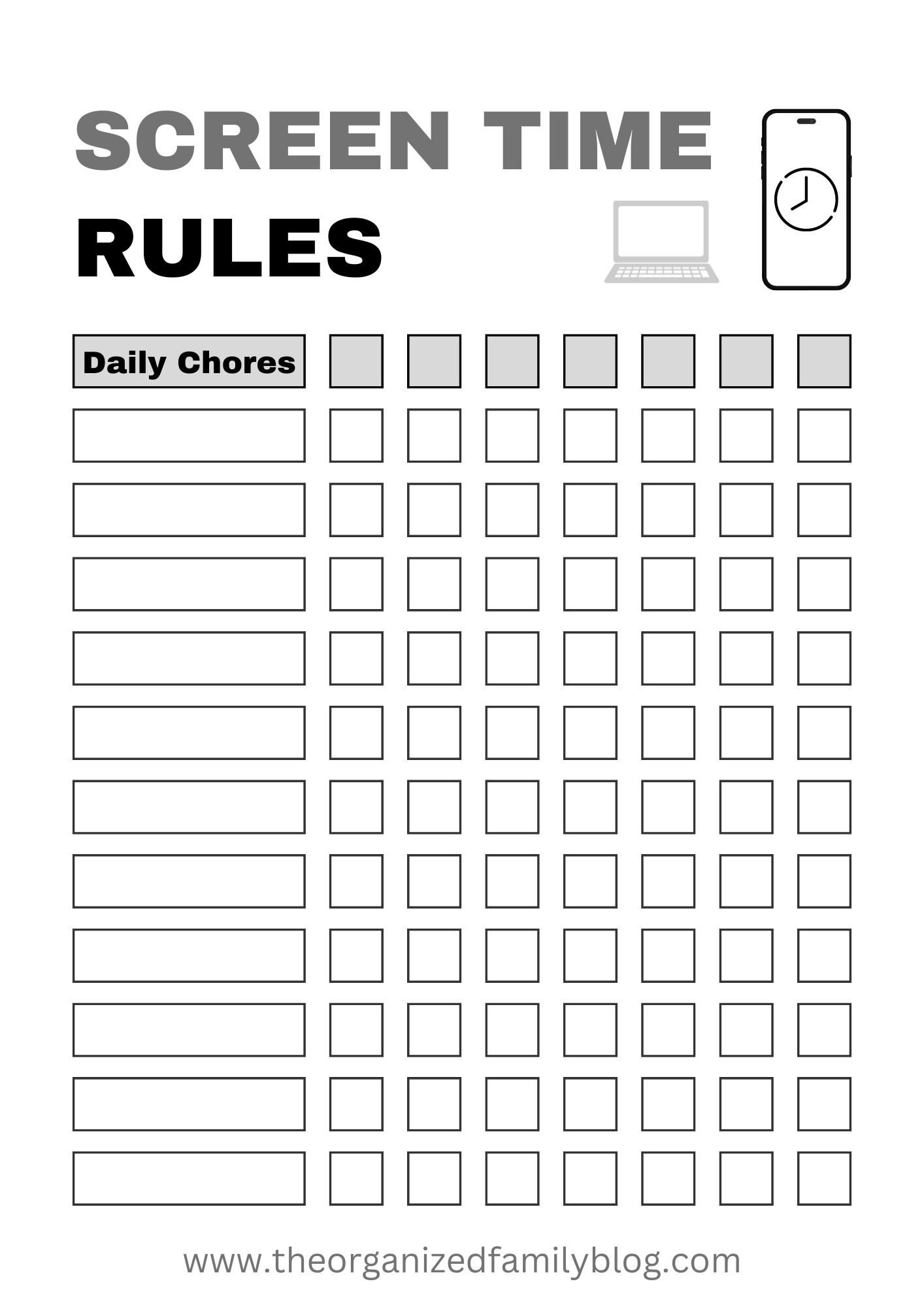
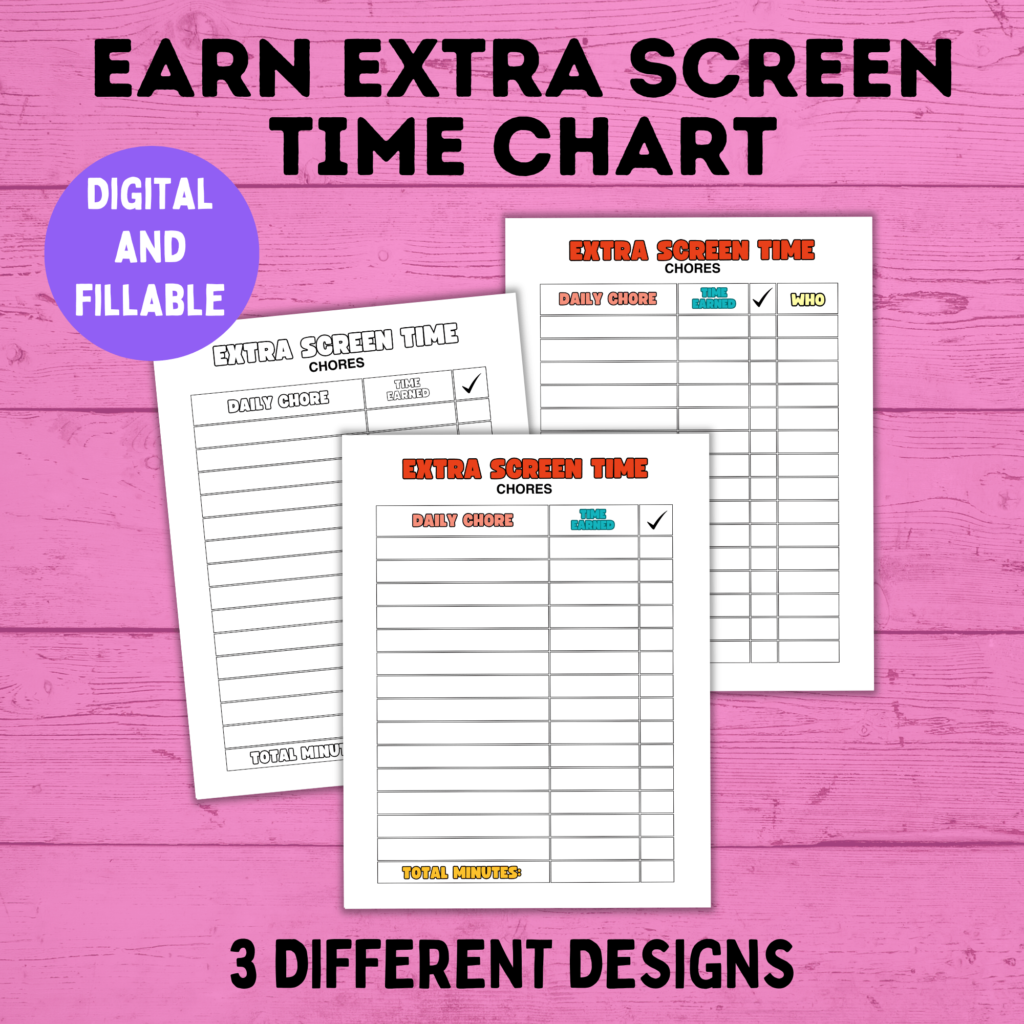
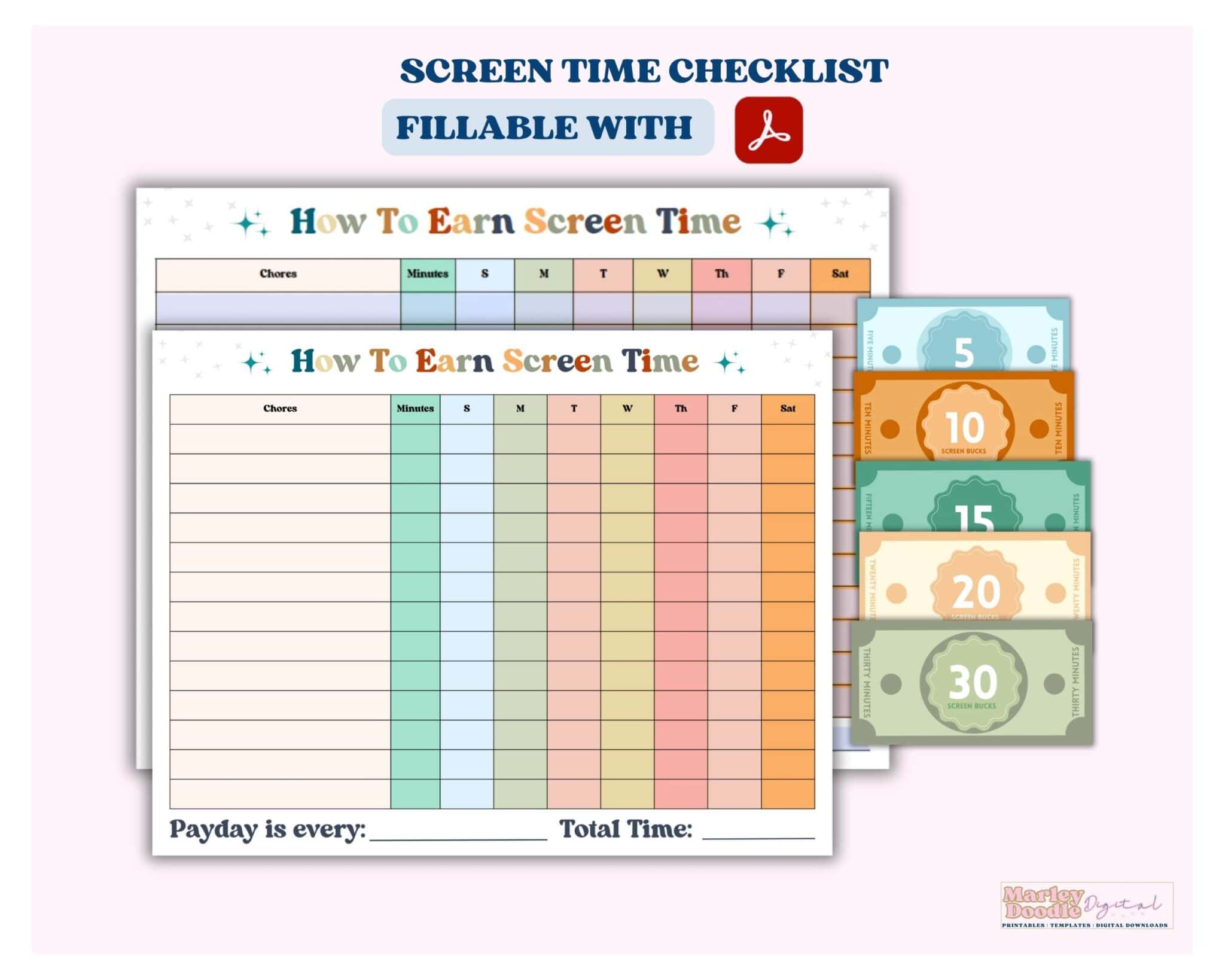
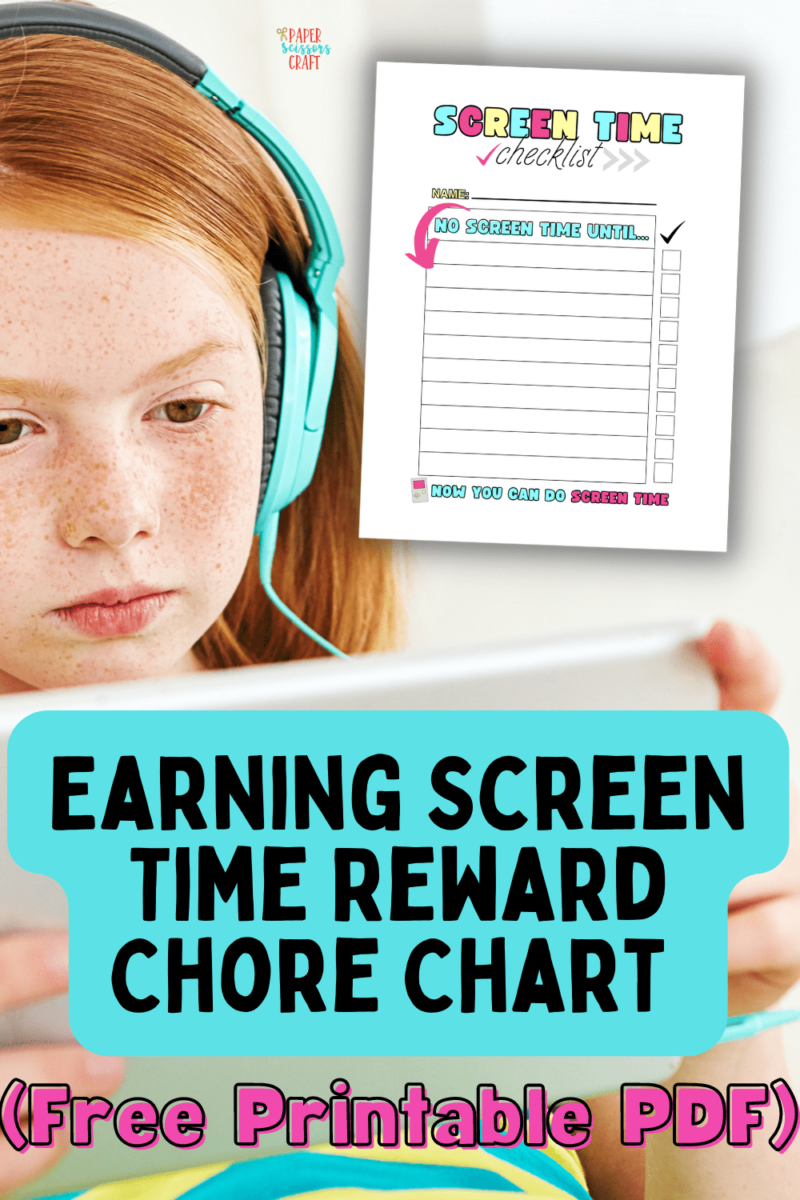
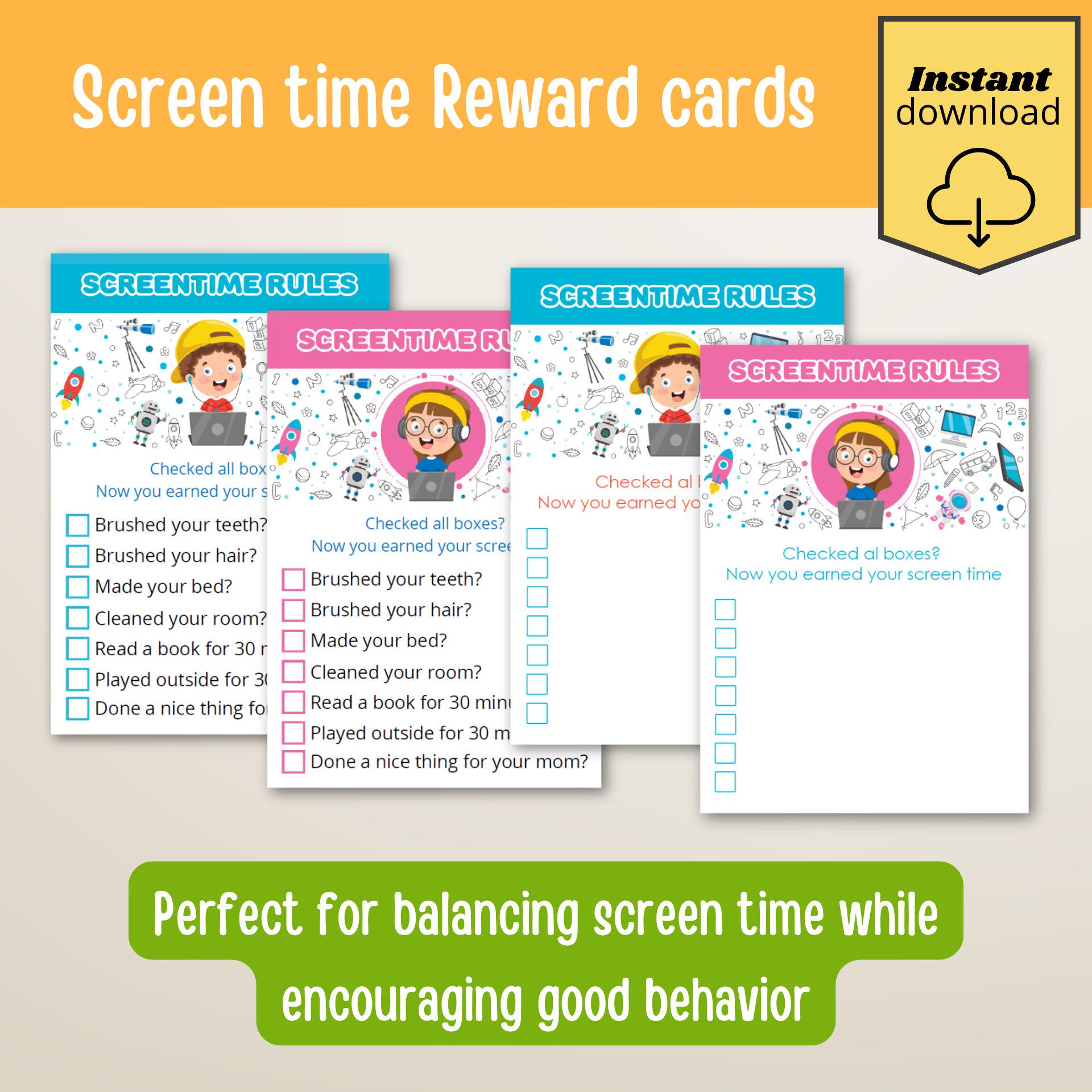
The “free printable screen time reward chart” is designed for ease of use in both educational and home environments. Its format typically involves a visual grid where children can track positive behaviors or responsible screen time choices through stickers, checkmarks, or coloring. The activity types are straightforward, focusing on consistent, daily engagement with a clear visual representation of progress. Instructions are usually simple and direct, often using visual aids to scaffold learning progressively, making it accessible even for pre-readers. The chart can function as a standalone activity to introduce or reinforce screen time rules, or it can be integrated into a broader lesson plan on digital citizenship and healthy habits. As a homework assignment, it facilitates consistent practice of responsible digital behavior within the home, extending classroom learning into daily life. Its adaptable nature allows it to support various learning styles and family routines effectively.
Practical Tips for Parents and Teachers
Maximizing the impact of the “free printable screen time reward chart” involves thoughtful implementation:
- Collaborative Goal Setting: Involve children in defining the behaviors to be rewarded and the nature of the rewards themselves. This increases buy-in and motivation.
- Visible Placement: Display the chart in a prominent, accessible location where it can be regularly updated and reviewed, such as on a refrigerator or classroom bulletin board.
- Consistent Acknowledgment: Regularly acknowledge and celebrate progress, no matter how small. Verbal praise and positive reinforcement are just as important as the physical rewards.
- Meaningful Rewards: Ensure rewards are motivating and appropriate for the child’s age and interests, focusing on experiences or privileges rather than just material items.
- Open Discussion: Use the chart as a conversation starter. Discuss why certain rules are in place and how balanced screen time contributes to overall well-being and online safety.
Age-Appropriate Recommendations
The application of the “free printable screen time reward chart” can be tailored to different developmental stages to ensure maximum effectiveness and relevance.
Ages 5-8 (Foundational Habits): For early learners, the chart should be highly visual and simple. Focus on 1-2 clear, actionable behaviors daily, such as “asked permission before using a device” or “turned off screen when asked.” Use stickers, colorful markers, or drawing to mark progress. Parental or teacher involvement should be direct and consistent, offering frequent reminders and immediate praise. Vocabulary should be basic and easily understood, emphasizing positive reinforcement. Rewards should be small, immediate, and tangible, like extra story time, a special activity, or choosing a snack.
Ages 9-12 (Developing Independence): At this stage, children can be more involved in setting their own screen time goals and selecting rewards. The chart can track slightly more complex behaviors, such as “completed homework before screen time” or “followed all family rules for online gaming.” Encourage self-monitoring and allow for some flexibility in reward choices. Discussions can delve deeper into the “why” behind screen time limits, linking them to academic performance, physical activity, and social interactions. Parental guidance remains important, but the emphasis shifts toward fostering personal responsibility and critical thinking about digital choices.
Ages 13-18 (Advanced Digital Literacy – Adapting Principles): While a physical “reward chart” may not be suitable for this age group, the underlying principles of self-regulation and goal-setting for screen time remain highly relevant. For older learners, the focus shifts to creating a “digital well-being plan” or a “family media agreement.” This might involve using digital tools for tracking screen time, setting personal goals for reducing usage, or dedicating specific times for “digital detox.” Discussions should center on the impact of excessive screen time on mental health, sleep, and academic performance, encouraging self-advocacy and informed decision-making about their digital footprint and habits. The goal is to cultivate intrinsic motivation for balanced digital engagement, rather than relying on external rewards.
Frequently Asked Questions
Q: How does a screen time reward chart enhance internet safety? A: A screen time reward chart enhances internet safety by establishing clear boundaries and promoting responsible digital habits from a young age. It helps children understand that screen time is a privilege tied to adherence to safety rules and balanced behavior, fostering self-regulation and an awareness of healthy limits.
Q: What types of rewards are most effective for a screen time chart? A: Effective rewards are typically non-screen-related and meaningful to the child, such as extra playtime outdoors, choosing a family game, a special book, or a small outing. The most impactful rewards often involve quality time, new experiences, or privileges that reinforce positive behavior and encourage a balanced lifestyle.
Q: How can the “free printable screen time reward chart” be accessed? A: The “free printable screen time reward chart” can be easily accessed and downloaded directly from the SafeWiredSchools.org website. Simply navigate to the ‘Worksheets’ section or use the site’s search function to locate the resource, then print it from any standard printer.
Explore More Free Printable Worksheets
A single worksheet, while valuable, works best when integrated into a comprehensive and consistent digital safety learning routine. The “free printable screen time reward chart” is one piece of a larger educational puzzle, offering focused support for a crucial aspect of online well-being. Educators and parents are encouraged to explore a full collection of free printable internet safety worksheets, activity sheets, checklists, quizzes, and more. These resources cover every internet safety topic imaginable, from identifying trusted sources to understanding cyberbullying, and are meticulously designed for every grade level and learning environment. Build a robust digital safety curriculum or reinforce home rules by visiting SafeWiredSchools.org Worksheets today.
Developmental Milestone & Activity Table
| Development Stage | Recommended Daily Duration | Primary Learning Objective |
|---|---|---|
| Preschool & Pre-K | 10 – 15 Minutes | Pencil grip development & basic pre-stroke lines |
| Kindergarten | 15 – 20 Minutes | Letter/number formation & spatial line awareness |
| Early Elementary (Grade 1–2) | 20 – 30 Minutes | Fluency, sentence construction & neatness |
Images References