Introduction
The “screen time checklist for grade 5” stands as a vital resource for fostering responsible digital habits among elementary school students. This printable worksheet targets Grade 5 learners, offering a structured approach to understanding and managing daily screen use. Educators and parents recognize the enduring value of tangible learning tools in cultivating digital awareness. Printable worksheets provide a hands-on, engaging method for reinforcing crucial internet safety concepts, moving beyond abstract discussions to concrete application. Such resources are trusted by teaching professionals for their ability to build foundational knowledge, encourage critical thinking, and promote responsible online behavior through direct interaction. This particular checklist serves as an excellent starting point for families and classrooms aiming to instill balanced digital citizenship from an early age, equipping students with practical skills for navigating the online world safely and thoughtfully.
💡 Educational Key Takeaways:
- Core Skill: Structured Screen Time Checklist For Grade 5 focused on developing pencil grip, stroke control, and early literacy/math confidence.
- Target Scope: Suited for homeschoolers, preschool, kindergarten, and elementary learners.
- Best Recommendation: Practice 10–15 minutes daily with ergonomic writing tools to reinforce muscle memory without hand fatigue.
What This Worksheet Covers
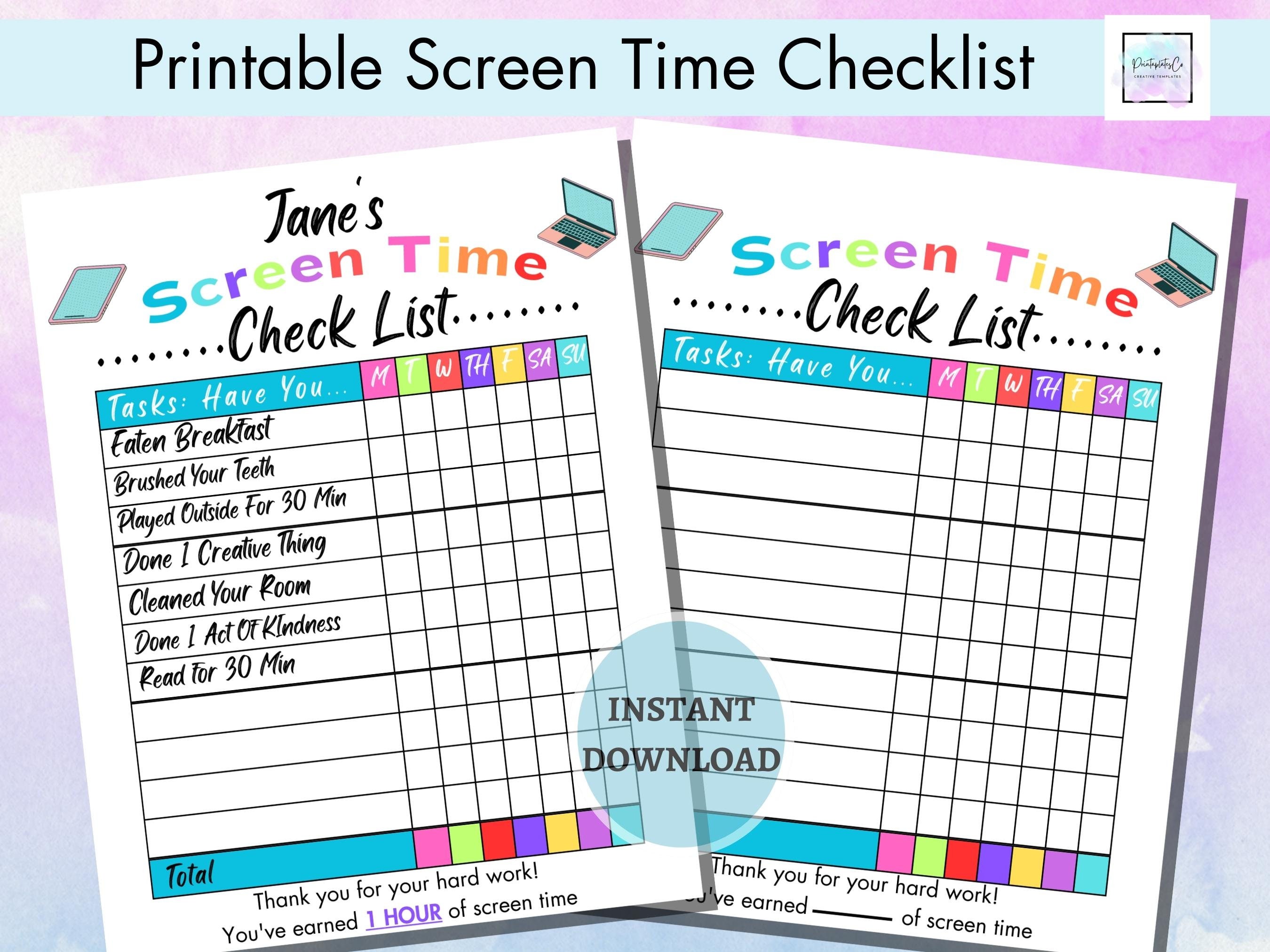
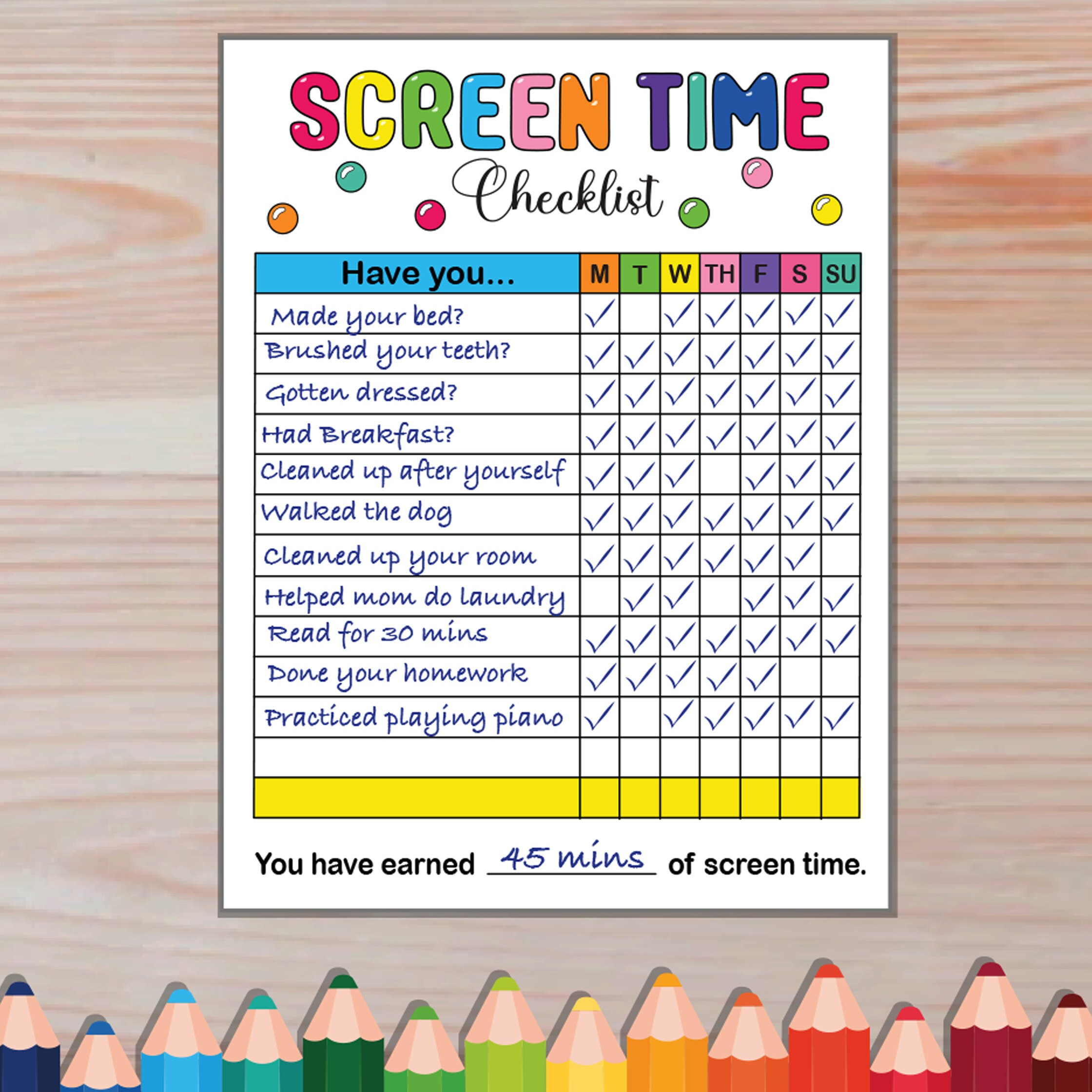
The “screen time checklist for grade 5” addresses the critical topic of healthy screen time management. This resource guides students through evaluating their current digital habits, promoting self-awareness regarding time spent on various devices and platforms. It covers concepts such as balancing online activities with offline pursuits, recognizing appropriate content, and understanding the potential impact of excessive screen engagement on well-being and academic performance. The worksheet integrates practical rules for digital use, encouraging students to identify personal boundaries and family guidelines. It connects directly to recognized digital citizenship standards, emphasizing responsible media consumption, personal safety, and the development of self-regulation skills essential for a balanced digital life. The content is designed to prompt thoughtful reflection, encouraging students to become active participants in managing their own screen time effectively.
Key Learning Outcomes
Students engaging with the “screen time checklist for grade 5” will achieve several important developmental milestones in digital safety:. Browse more guides on Safe Wired Schools.
- Learners develop self-awareness regarding their daily screen usage patterns.
- Children understand the importance of balanced digital engagement for overall well-being.
- Students identify and practice healthy screen time habits, distinguishing beneficial from excessive use.
- Individuals learn to set and adhere to personal screen time limits, fostering self-discipline.
- Critical thinking skills are strengthened regarding content consumption and digital activity choices.
How to Use This Worksheet
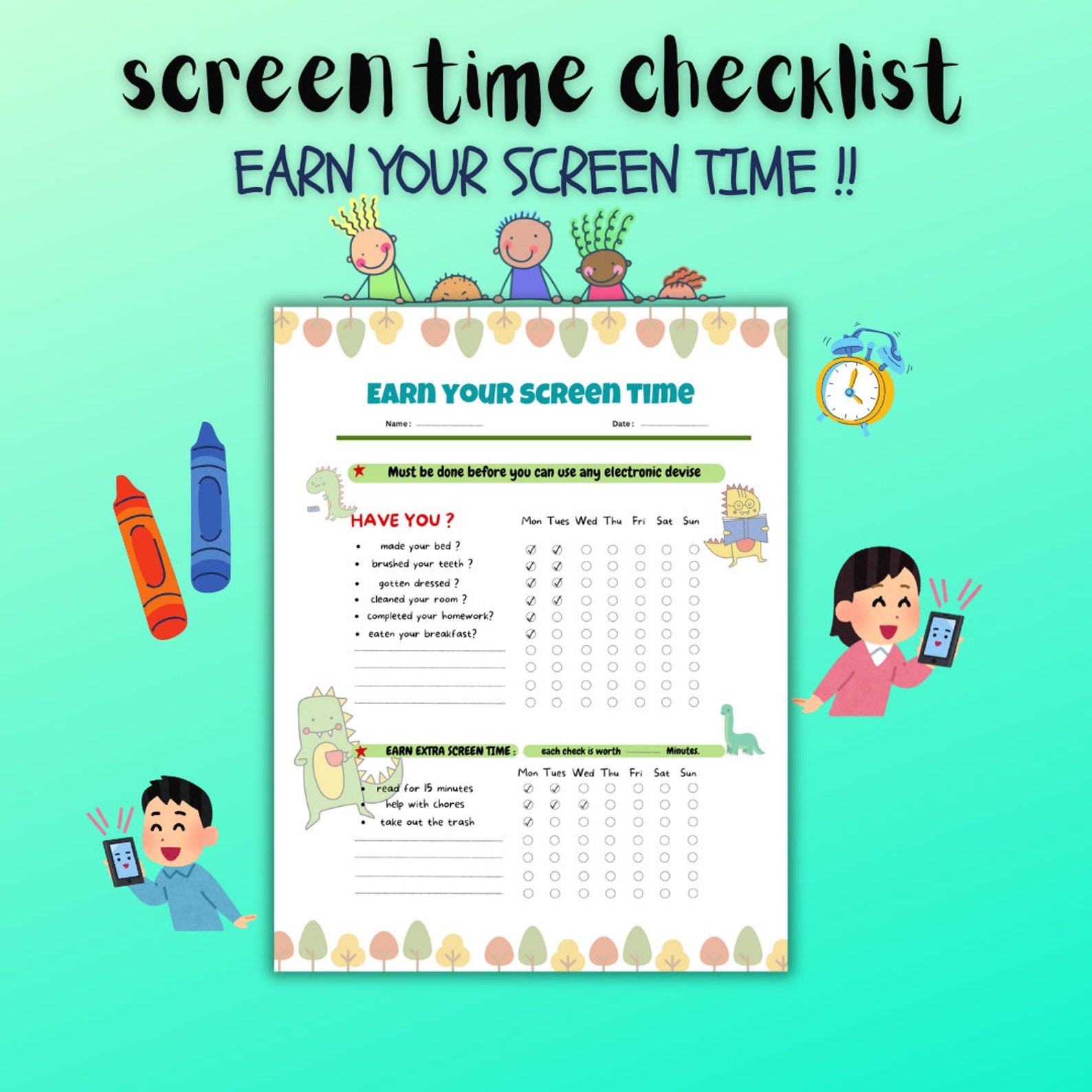
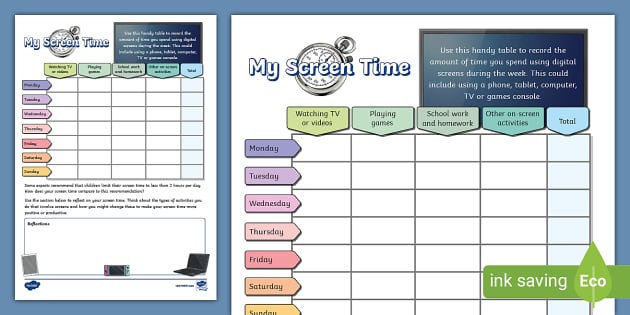
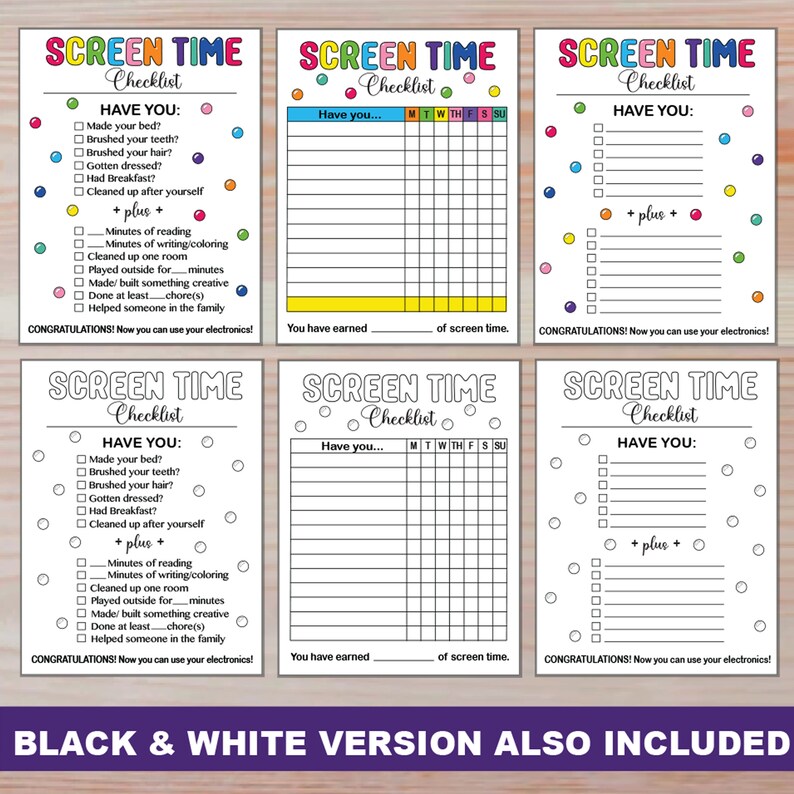
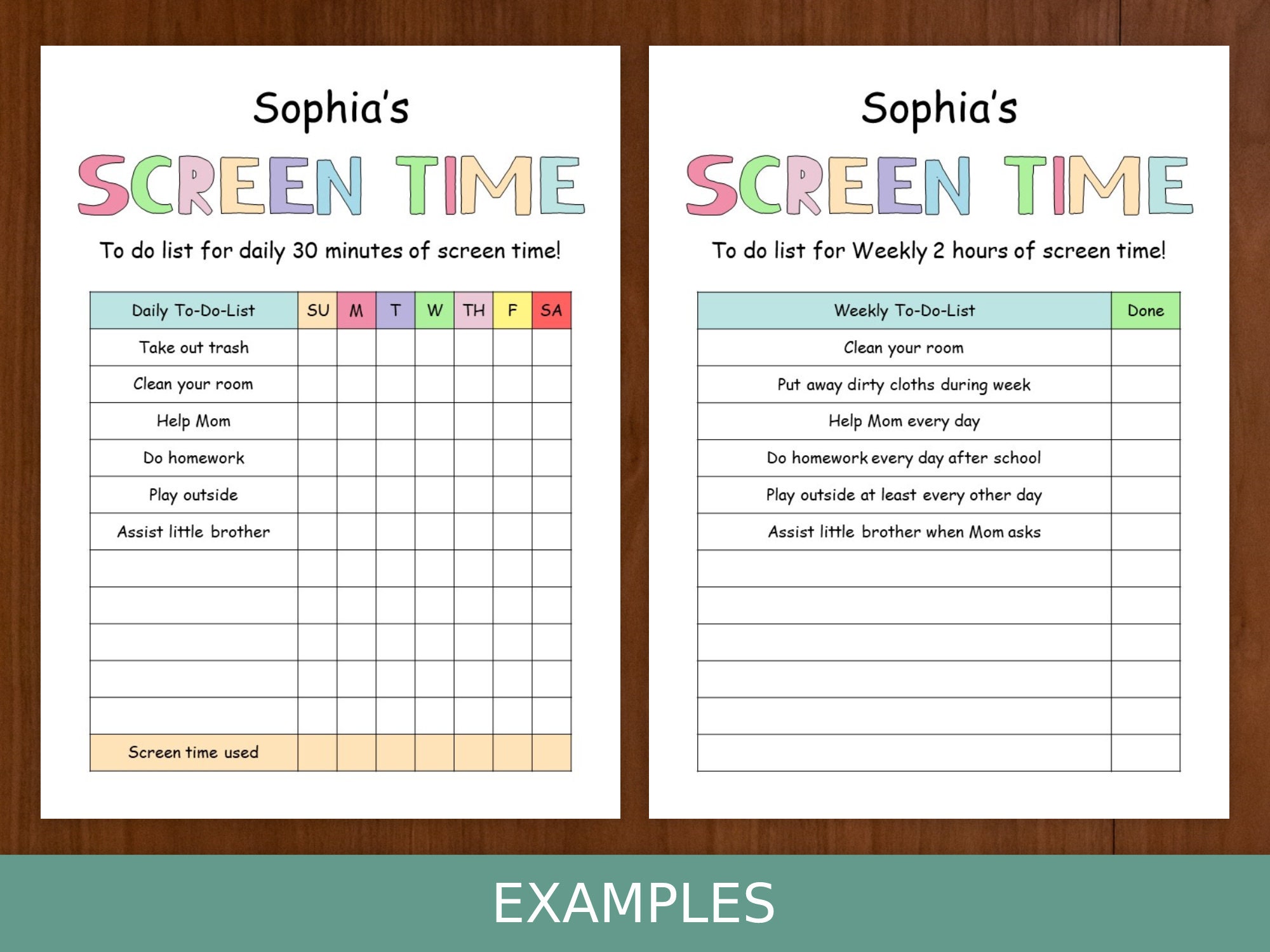
Educators can integrate the “screen time checklist for grade 5” into digital citizenship lessons, health education curricula, or as a standalone activity. Parents find this resource invaluable for initiating conversations about screen time at home. The worksheet primarily features a checklist format, prompting students to tick off daily activities, reflect on time spent, and evaluate their adherence to established screen time goals. Its difficulty level is perfectly suited for Grade 5, with clear, concise instructions that scaffold learning progressively. The design encourages independent completion while providing opportunities for discussion and peer sharing. This checklist functions effectively as a pre-lesson assessment, a core activity within a unit on digital wellness, or as a homework assignment to extend learning and promote family involvement in responsible screen time management.
Practical Tips for Parents and Teachers
- Introduce the checklist with an open discussion about the benefits and challenges of screen time, establishing a positive and non-judgmental atmosphere.
- Model healthy digital habits personally; children often learn best by observing the behavior of adults around them.
- Encourage students to personalize their checklists by adding specific activities or goals relevant to their own lives, increasing engagement and ownership.
- Review completed checklists together, using the opportunity to celebrate successes and collaboratively identify areas for improvement or adjustment.
- Extend the learning beyond the worksheet by creating a family media plan or classroom digital agreement based on insights gained from the checklist, fostering consistent practices.
Age-Appropriate Recommendations
The “screen time checklist for grade 5” is specifically designed for students typically aged 10-11 years. At this stage, children possess developing self-awareness and are capable of more independent reflection on their habits. The worksheet’s vocabulary is accessible, yet it introduces concepts requiring a degree of abstract thought, such as balancing different types of activities. Teachers can facilitate group discussions, allowing students to share their experiences and strategies for managing screen time, promoting peer learning. Parents should approach the checklist as a tool for dialogue, not simply a punitive measure. While the core “screen time checklist for grade 5” targets this age group, the principles of balanced digital engagement are universal. For younger learners (ages 5-9), simpler visual charts focusing on activity switching and designated screen-free times might be more appropriate. Older students (ages 12-18) benefit from more complex discussions around digital well-being, cyberbullying, and online reputation, utilizing resources that delve deeper into the psychological and social aspects of digital interaction.
Frequently Asked Questions
Q: How does the “screen time checklist for grade 5” support digital citizenship?
A: This checklist directly supports digital citizenship by encouraging self-regulation, responsible media choices, and an understanding of the balance between online and offline life. It helps students develop critical thinking skills essential for navigating the digital world safely and thoughtfully.
Q: Is this resource suitable for home use?
A: Absolutely, the “screen time checklist for grade 5” is ideal for home use. It provides a structured way for families to discuss and monitor screen habits, fostering open communication and collaborative goal-setting for healthy digital engagement within the household.
Q: Where can the free printable “screen time checklist for grade 5” be downloaded?
A: The free printable “screen time checklist for grade 5” is readily available for download on the SafeWiredSchools.org website. Navigate to the worksheets section to access this valuable resource and many others, all designed for immediate use.
Explore More Free Printable Worksheets
A single worksheet forms a part of a comprehensive approach to digital safety education. Consistent engagement with various resources yields the most significant and lasting impact on student behavior and understanding. SafeWiredSchools.org offers an extensive collection of free printable internet safety worksheets, activity sheets, checklists, quizzes, and more, all designed to complement and reinforce learning. These resources cover every internet safety topic imaginable, from identifying reliable sources to understanding cyberbullying prevention, and are carefully crafted for every grade level and learning environment. Educators and parents are encouraged to explore the full collection available at SafeWiredSchools.org Worksheets, building a robust foundation for digital literacy and responsible online conduct.
Developmental Milestone & Activity Table
| Development Stage | Recommended Daily Duration | Primary Learning Objective |
|---|---|---|
| Preschool & Pre-K | 10 – 15 Minutes | Pencil grip development & basic pre-stroke lines |
| Kindergarten | 15 – 20 Minutes | Letter/number formation & spatial line awareness |
| Early Elementary (Grade 1–2) | 20 – 30 Minutes | Fluency, sentence construction & neatness |
Images References