Introduction
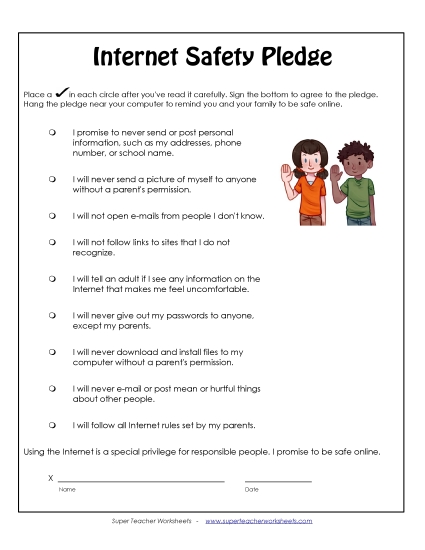
Reinforcing internet safety concepts through hands-on, printable learning remains a trusted pedagogical approach. The “phishing awareness worksheet free printable” serves as an invaluable resource, primarily designed for Elementary grades 3-5 through Middle/High School grades 6-12, with adaptable content for younger learners. This tangible tool offers a structured method for introducing and solidifying critical digital awareness skills. Educators and parents consistently rely on printable worksheets to build foundational knowledge regarding responsible online behavior. Such resources provide a concrete, engaging pathway for children and young adults to interact with complex topics, moving beyond abstract discussions to practical application. The act of completing a worksheet physically aids in information retention and encourages deeper engagement, making it an essential component of a comprehensive digital safety curriculum.
💡 Educational Key Takeaways:
- Core Skill: Structured Phishing Awareness Worksheet Free Printable focused on developing pencil grip, stroke control, and early literacy/math confidence.
- Target Scope: Suited for homeschoolers, preschool, kindergarten, and elementary learners.
- Best Recommendation: Practice 10–15 minutes daily with ergonomic writing tools to reinforce muscle memory without hand fatigue.
What This Worksheet Covers
The “phishing awareness worksheet free printable” directly addresses the critical internet safety topic of phishing. This resource educates learners on identifying suspicious digital communications, including emails, text messages, and social media posts, designed to trick individuals into revealing personal information. Concepts covered include recognizing common phishing tactics such as urgent requests, unexpected prizes, threats of account closure, and the use of deceptive links or sender addresses. The worksheet clarifies the potential consequences of falling victim to phishing scams, emphasizing data breaches and identity theft. It also outlines proactive steps for reporting suspicious messages and verifying information before taking action. The content aligns with recognized digital citizenship and child safety education standards, focusing on critical evaluation of online content and safe communication practices.
Key Learning Outcomes
By completing the “phishing awareness worksheet free printable,” students and children will develop several crucial skills and knowledge areas:. Browse more guides on Safe Wired Schools.
- Ability to recognize common characteristics and red flags of various phishing attempts.
- Development of critical thinking skills necessary for evaluating the legitimacy of online communications.
- Understanding the importance of verifying sender identities and scrutinizing embedded links before clicking.
- Knowledge of appropriate safe actions to take when encountering a suspicious message, including reporting and seeking adult guidance.
- Promotion of responsible digital habits, fostering a proactive approach to personal online security.
How to Use This Worksheet
Educators and parents can effectively integrate the “phishing awareness worksheet free printable” into various learning environments. The worksheet features a variety of activity types, including scenario analysis, identification of red flags in sample messages, matching terms with definitions, true or false questions, and short answer reflections. Its difficulty level is thoughtfully designed to scaffold learning progressively, starting with basic recognition and moving towards more analytical tasks. Clear instructions accompany each section, guiding learners through the material with ease. This resource functions excellently as a standalone activity to introduce or review phishing concepts. It also serves as a valuable component within a broader internet safety lesson plan or as a focused homework assignment, reinforcing classroom discussions and encouraging independent thought.
Practical Tips for Parents and Teachers
- Review the worksheet content beforehand to familiarize oneself with the concepts and potential discussion points.
- Facilitate a brief discussion before starting the worksheet, defining phishing in simple terms and asking what learners already know.
- Encourage open dialogue during and after completion, prompting learners to explain their answers and share any personal experiences with suspicious messages.
- Relate the worksheet scenarios to real-world examples that might be encountered in daily digital interactions.
- Extend learning by role-playing different phishing scenarios, allowing learners to practice their response strategies in a safe environment.
Age-Appropriate Recommendations
Effective utilization of the “phishing awareness worksheet free printable” requires tailoring the approach to specific age groups.
For Ages 5-8 (Early Elementary), the focus should remain on foundational concepts with significant adult involvement. Vocabulary support is crucial; simplify terms like “phishing” to “tricky messages.” Activities should be paced slowly, emphasizing visual cues such as identifying unusual sender names or strange-looking links. Discussion should center on the rule of “always ask a trusted adult before clicking anything unfamiliar.”
For Ages 9-12 (Upper Elementary/Early Middle School), the worksheet can be approached with moderate guidance. Learners at this stage are ready for more vocabulary, including terms like “personal information” and “scam.” Scenarios can be slightly more complex, and activities might involve identifying multiple red flags within a single message. Pacing can be more independent, but discussion after completion is vital to solidify understanding and address questions.
For Ages 13-18 (Middle/High School), the worksheet can be largely self-directed, serving as a prompt for deeper analysis. Learners can delve into sophisticated phishing techniques, including smishing (SMS phishing) and vishing (voice phishing), and discuss the broader implications for privacy and cybersecurity. The focus shifts to critical evaluation, understanding motivations behind phishing, and developing robust reporting mechanisms and prevention strategies. Discussion should encourage nuanced understanding and proactive security measures.
Frequently Asked Questions
Q: What exactly is phishing?
A: Phishing involves deceptive attempts to trick individuals into revealing sensitive information, such as usernames, passwords, and credit card details, by disguising as a trustworthy entity in electronic communication. These scams often appear as legitimate emails, text messages, or social media posts.
Q: How can this “phishing awareness worksheet free printable” be accessed?
A: The “phishing awareness worksheet free printable” is available for immediate and free download directly from the SafeWiredSchools.org website. Navigate to the worksheets section to locate and print the resource instantly.
Q: Is parental or teacher supervision necessary when children complete the worksheet?
A: While the worksheet is designed to be user-friendly, active parental or teacher supervision and guidance are highly recommended, especially for younger learners. Adult involvement ensures correct understanding of complex concepts, facilitates meaningful discussion, and helps contextualize the information within real-world scenarios.
Explore More Free Printable Worksheets
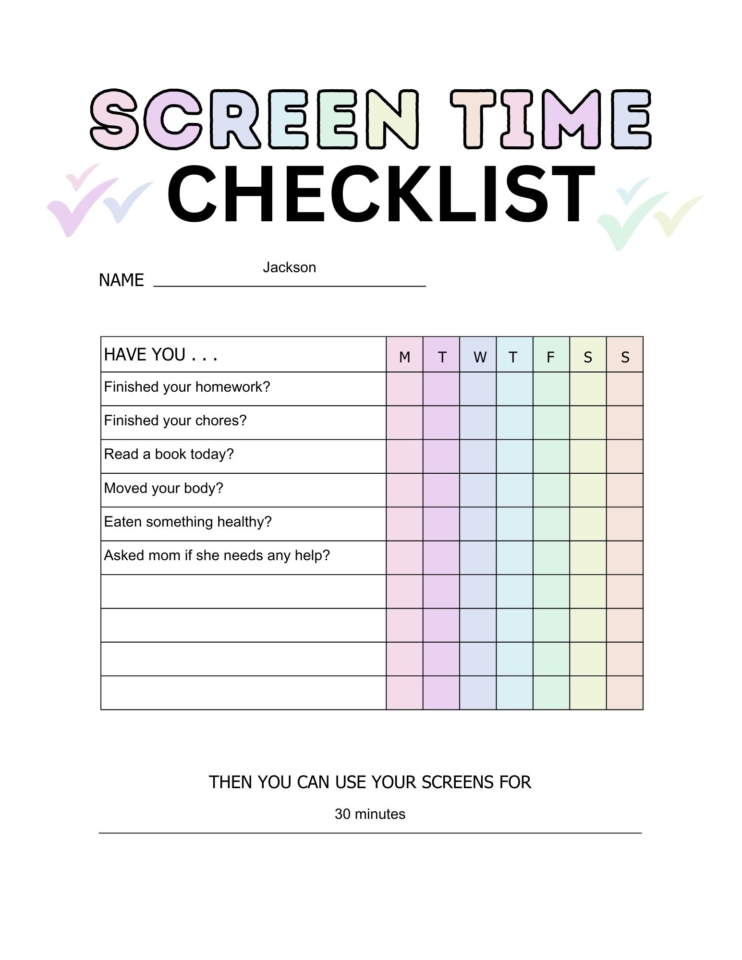
A single worksheet works best as part of a broader collection of printable resources, establishing a consistent digital safety learning routine. Educators and parents are invited to explore a full collection of free printable internet safety worksheets, activity sheets, checklists, quizzes, and more at SafeWiredSchools.org Worksheets. These resources cover every internet safety topic, from cyberbullying to digital footprints, and are meticulously designed for every grade level and learning environment, ensuring comprehensive and ongoing digital literacy development.
Developmental Milestone & Activity Table
| Development Stage | Recommended Daily Duration | Primary Learning Objective |
|---|---|---|
| Preschool & Pre-K | 10 – 15 Minutes | Pencil grip development & basic pre-stroke lines |
| Kindergarten | 15 – 20 Minutes | Letter/number formation & spatial line awareness |
| Early Elementary (Grade 1–2) | 20 – 30 Minutes | Fluency, sentence construction & neatness |