Introduction
Navigating the digital world safely is a fundamental skill for young learners. The “online safety worksheet for students” offers a crucial, hands-on resource designed to reinforce essential internet safety concepts. Primarily tailored for Elementary grades 1-5, this printable educational tool provides a structured approach to digital awareness. Educators and parents consistently trust printable worksheets for their effectiveness in building foundational knowledge and fostering responsible online behavior. These resources transform abstract digital concepts into tangible, engaging activities, making complex ideas accessible. A well-designed worksheet serves as an invaluable component in a comprehensive digital citizenship curriculum, ensuring young people develop the critical thinking necessary for secure online interactions. Its format encourages active learning, a method proven to enhance retention and application of vital safety rules.
💡 Educational Key Takeaways:
- Core Skill: Structured Online Safety Worksheet For Students focused on developing pencil grip, stroke control, and early literacy/math confidence.
- Target Scope: Suited for homeschoolers, preschool, kindergarten, and elementary learners.
- Best Recommendation: Practice 10–15 minutes daily with ergonomic writing tools to reinforce muscle memory without hand fatigue.
What This Worksheet Covers
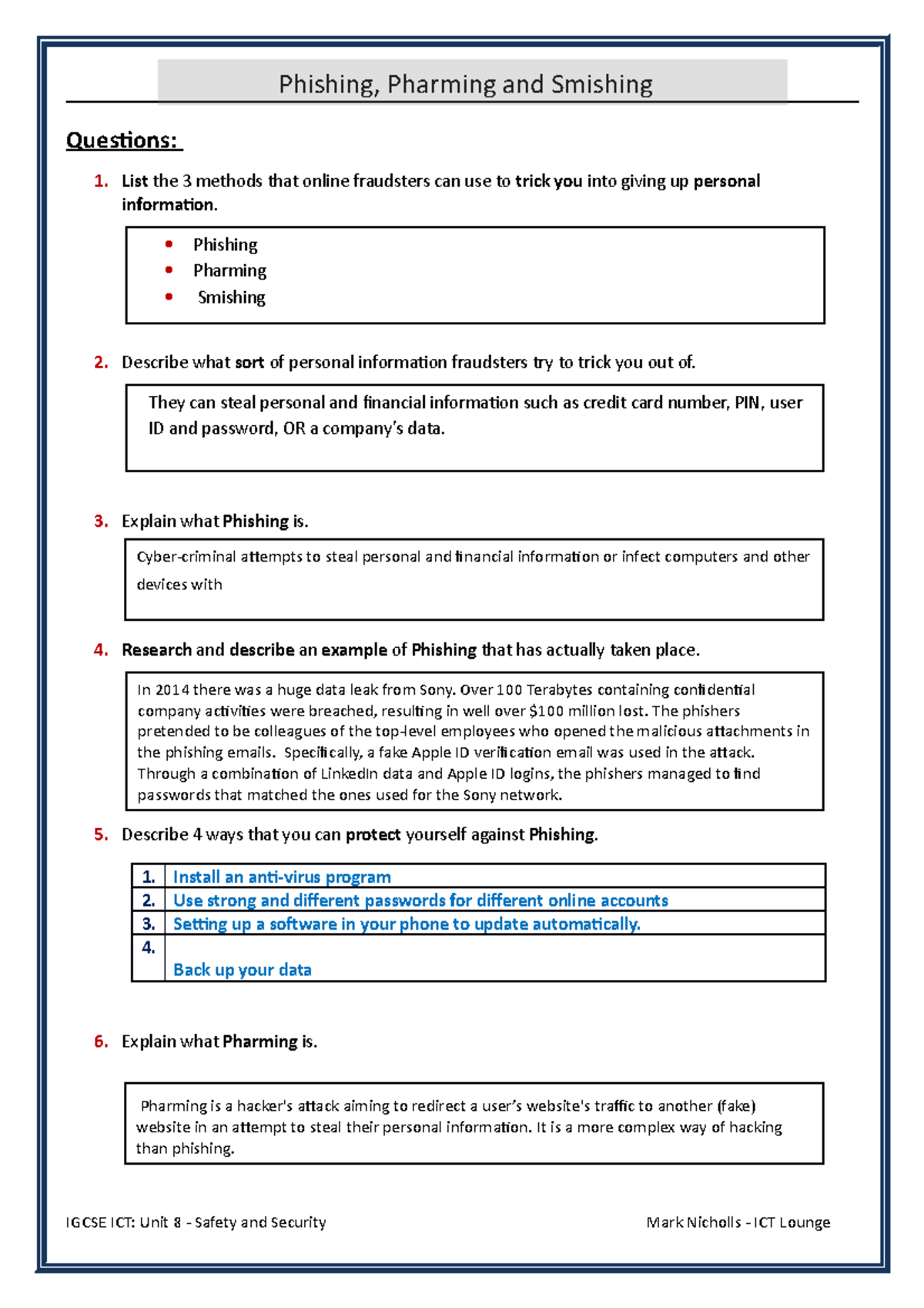
This particular “online safety worksheet for students” focuses on two critical internet safety topics: identifying personal information and understanding safe sharing practices. The resource meticulously guides learners through recognizing what constitutes private data, such as full names, addresses, phone numbers, and school names. It clarifies the distinction between information that is safe to share with trusted adults in person versus data that must never be disclosed online. Scenarios presented within the worksheet help students grasp the implications of oversharing. Furthermore, the content introduces the concept of online strangers, emphasizing the importance of not communicating with unfamiliar individuals. This worksheet aligns with recognized digital citizenship standards by promoting privacy awareness, critical evaluation of online interactions, and the cultivation of a protective mindset from an early age. Its exercises are crafted to empower students with actionable knowledge for secure digital engagement.
Key Learning Outcomes
Upon completing the “online safety worksheet for students,” learners will achieve several vital educational milestones:
- Students will differentiate between public and private information, understanding which details are safe to share and which are not.
- Learners will be able to identify trusted adults who can provide support and guidance regarding online concerns or challenging situations.
- An understanding of the concept of online strangers will be developed, alongside the critical rule of never meeting or sharing personal details with them.
- Children will practice making safe online choices through engaging scenarios, applying learned rules to hypothetical situations.
- A foundational awareness of responsible digital citizenship will be cultivated, promoting thoughtful and secure online behavior.
How to Use This Worksheet
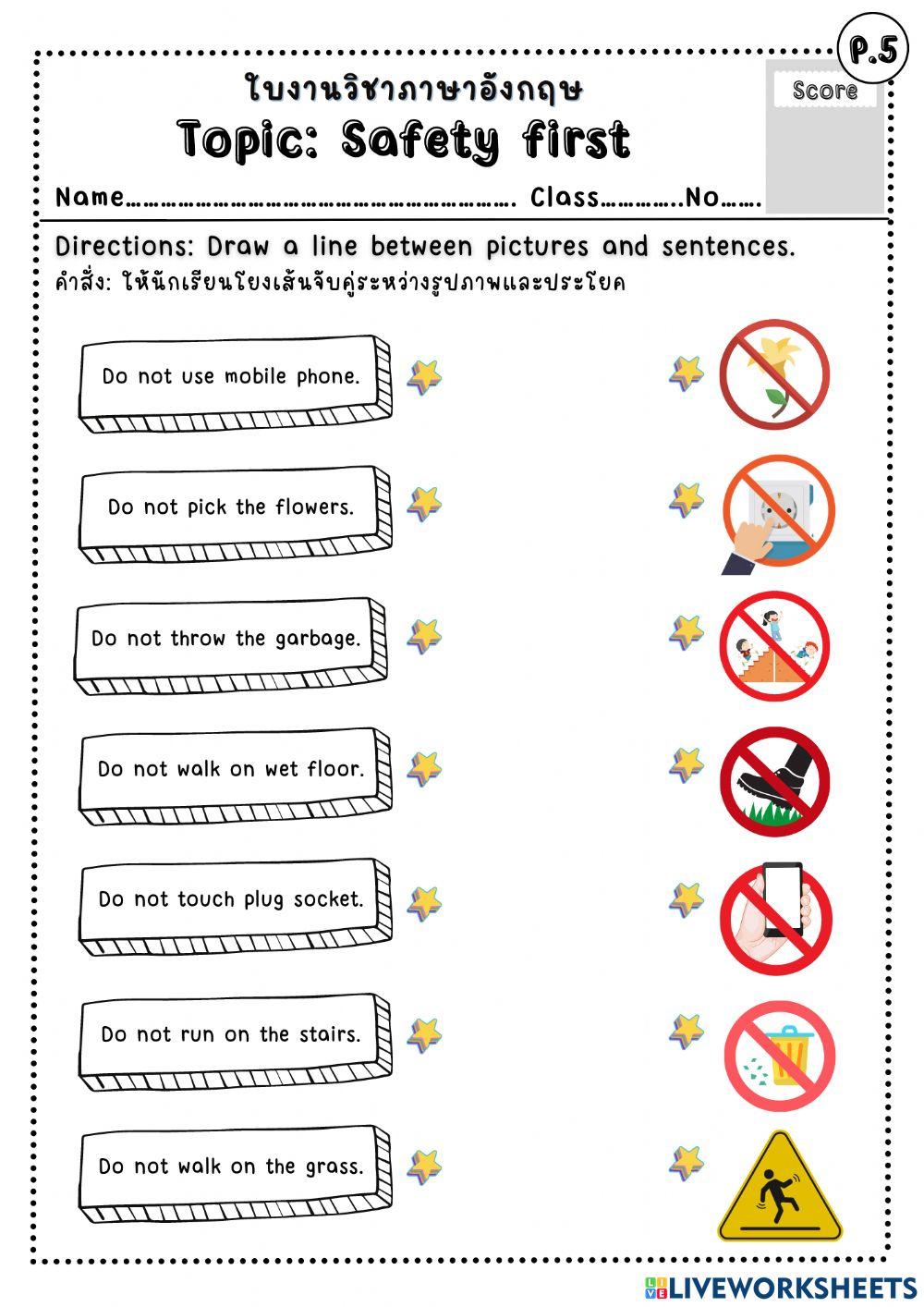
The “online safety worksheet for students” is structured for versatile application in various learning environments. Its format incorporates a variety of activity types, including fill-in-the-blank exercises for reinforcing key vocabulary, matching activities for concept association, and true/false questions for critical evaluation. Engaging scenarios prompt students to apply safety rules to real-world situations, while drawing sections allow for creative expression and deeper understanding of abstract concepts. Instructions are clear and progressively scaffold learning, starting with basic identification and moving towards more complex decision-making. The worksheet can function effectively as a standalone activity to introduce or review specific safety topics. Alternatively, it integrates seamlessly into a broader lesson plan as a reinforcing exercise or serves as a thought-provoking homework assignment, encouraging family discussion about internet safety. Its design supports both independent work and collaborative group activities, fostering a dynamic learning experience. Browse more guides on Safe Wired Schools.
Practical Tips for Parents and Teachers
Maximizing the educational impact of the “online safety worksheet for students” involves thoughtful preparation and facilitation:
- Review the Worksheet First: Before presenting the worksheet, thoroughly read through all sections to anticipate potential questions and prepare supplementary explanations or examples. This ensures a smooth and confident delivery of the material.
- Facilitate Discussion: Encourage open dialogue during and after completion. Ask open-ended questions about the scenarios, prompting students to explain their reasoning for safe choices. This deepens comprehension beyond simple answers.
- Connect to Real-World Examples: Relate the worksheet’s concepts to actual online activities students might encounter, such as gaming, watching videos, or using educational apps. Concrete examples make the abstract rules more relatable and actionable.
- Reinforce Positive Behavior: Acknowledge and praise students for demonstrating understanding and making safe choices. Positive reinforcement encourages continued adherence to internet safety principles and builds confidence in their digital literacy.
- Extend Learning: Utilize the worksheet as a springboard for further exploration. This might involve creating a family safety plan, discussing privacy settings on devices, or exploring other educational resources on digital citizenship.
Age-Appropriate Recommendations
Adapting the “online safety worksheet for students” to different developmental stages ensures optimal learning and engagement:
-
Ages 5-7 (Early Elementary): For younger learners, a higher level of direct guidance is beneficial. Instructions should be read aloud and concepts explained simply, perhaps using visual aids or drawing connections to familiar situations. Focus on the drawing and simple identification activities. Vocabulary support is crucial; simplify terms like “personal information” to “private stuff” or “things only family needs to know.” Pacing should be slower, allowing ample time for questions and discussion. Parental or teacher involvement is essential for guiding each step.
-
Ages 8-10 (Mid-Elementary): Students in this age group can approach the worksheet with more independence. Encourage them to read instructions themselves, though checking for comprehension is still important. Focus on the fill-in-the-blank, matching, and true/false sections, along with initial discussions of scenarios. The vocabulary in the worksheet will generally be appropriate, but clarifying discussions around terms like “online stranger” can be valuable. This age group benefits from peer discussion, so small group work can be effective. Adult involvement shifts to facilitation and deeper questioning.
-
Ages 11-12 (Late Elementary/Early Middle): Older elementary and early middle school students can engage with the “online safety worksheet for students” with significant autonomy. Emphasize the scenario-based questions, encouraging nuanced responses and critical thinking about potential consequences. Discussions can delve into the motivations behind unsafe online behaviors and strategies for reporting or seeking help. The worksheet can serve as a valuable assessment tool for existing knowledge, prompting deeper conversations about online reputation and digital footprints. Adult guidance focuses on challenging assumptions and exploring the broader implications of online choices.
Frequently Asked Questions
Q: What age group is this online safety worksheet for students best suited for?
A: This worksheet is primarily designed for Elementary students in grades 1-5 (ages 6-10). Its content and activities are tailored to their developmental stage, focusing on foundational internet safety concepts. It can be adapted for slightly younger or older learners with appropriate adult guidance.
Q: How can this online safety worksheet for students be integrated into a lesson plan?
A: The worksheet can serve as an introductory activity, a reinforcing exercise after a lesson on digital privacy, or an assessment tool. It effectively prompts discussion, allowing educators to gauge understanding and address misconceptions within a broader digital citizenship curriculum.
Q: Where can this free printable online safety worksheet for students be accessed?
A: This valuable educational resource, along with many others, is available for free download on the SafeWiredSchools.org website. Navigate to the “Worksheets” section to find and print this and other internet safety materials instantly.
Explore More Free Printable Worksheets
A single “online safety worksheet for students” forms a vital part of a continuous learning journey in digital safety. For comprehensive digital literacy, consistent exposure to educational resources is paramount. Educators and parents are invited to explore the full collection of free printable internet safety worksheets, activity sheets, checklists, quizzes, and more at SafeWiredSchools.org Worksheets. This extensive library covers every essential internet safety topic, meticulously designed for every grade level and diverse learning environments. Building a robust foundation of online safety skills requires a varied and accessible array of educational tools, all readily available to support secure and responsible digital navigation.
Developmental Milestone & Activity Table
| Development Stage | Recommended Daily Duration | Primary Learning Objective |
|---|---|---|
| Preschool & Pre-K | 10 – 15 Minutes | Pencil grip development & basic pre-stroke lines |
| Kindergarten | 15 – 20 Minutes | Letter/number formation & spatial line awareness |
| Early Elementary (Grade 1–2) | 20 – 30 Minutes | Fluency, sentence construction & neatness |