Introduction
The “free printable screen time worksheet” offers an invaluable resource for fostering digital well-being among young learners. This educational tool is specifically designed for Elementary grades 1-5, with clear adaptability for Middle School grades 6-8, addressing the critical need for balanced screen engagement. It plays a crucial role in reinforcing essential internet safety concepts through a tangible, hands-on learning experience. Educators and parents consistently trust printable worksheets as effective tools for building foundational digital awareness and promoting responsible online behavior. The act of physically interacting with information, rather than solely engaging with screens, enhances comprehension and retention, making these resources a cornerstone of effective digital citizenship education. Such resources empower children to develop critical thinking skills regarding their media consumption from an early age.
💡 Educational Key Takeaways:
- Core Skill: Structured Free Printable Screen Time Worksheet focused on developing pencil grip, stroke control, and early literacy/math confidence.
- Target Scope: Suited for homeschoolers, preschool, kindergarten, and elementary learners.
- Best Recommendation: Practice 10–15 minutes daily with ergonomic writing tools to reinforce muscle memory without hand fatigue.
What This Worksheet Covers
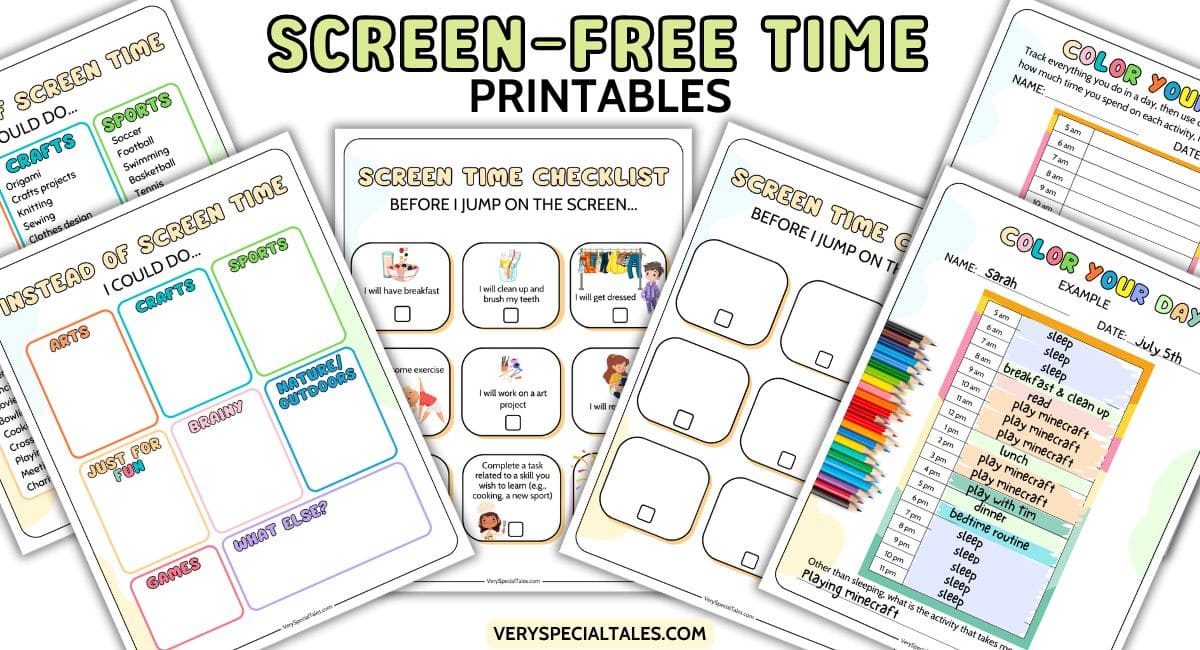
The “free printable screen time worksheet” specifically addresses the vital topic of responsible screen time management. It guides learners through understanding the importance of balancing online activities with offline pursuits, encouraging a healthy digital lifestyle. The worksheet covers concepts such as identifying appropriate times for screen use, recognizing the benefits of non-digital hobbies, and understanding potential impacts of excessive screen exposure. Scenarios presented within the worksheet prompt reflection on daily routines and the allocation of time to various activities. This content directly aligns with recognized digital citizenship and child safety education standards, which emphasize media balance, digital wellness, and self-regulation as core competencies for young people navigating the digital world. The exercises encourage learners to think critically about their habits and make informed choices.
Key Learning Outcomes
Completing the “free printable screen time worksheet” facilitates several important developmental and educational milestones:
- Learners develop the ability to identify and differentiate between healthy and unhealthy screen time habits.
- Students gain an understanding of the critical importance of balancing online and offline activities for overall well-being.
- Children acquire practical skills to begin setting personal and family-agreed screen time limits.
- Participants increase their awareness of how screen time can impact physical health, mental focus, and social interactions.
- The worksheet cultivates a capacity for self-reflection regarding personal media consumption patterns and their consequences.
How to Use This Worksheet
The “free printable screen time worksheet” can be effectively utilized in various educational settings, from the classroom to the home environment. The worksheet typically features a mix of engaging activity types, including fill-in-the-blank questions that prompt specific answers, matching exercises to connect concepts with definitions, true or false statements to test understanding, and simple scenarios requiring reflective responses. For younger learners, drawing or coloring sections might be included to visualize healthy choices. The difficulty level is carefully scaffolded, beginning with basic identification and progressing to more nuanced decision-making prompts. This resource functions excellently as a standalone activity to spark discussion, can be integrated seamlessly into a broader digital citizenship lesson plan, or assigned as homework to encourage family engagement. Clear instructions guide learners through each section, ensuring a progressive learning journey. Browse more guides on Safe Wired Schools.
Practical Tips for Parents and Teachers
Maximizing the educational impact of the “free printable screen time worksheet” involves thoughtful preparation and facilitation:
- Before beginning, ensure a quiet, comfortable space is available and all necessary materials, such as pencils and crayons, are at hand.
- Encourage open discussion throughout the activity, prompting learners to explain their reasoning for answers rather than just stating them.
- After completion, extend the learning by discussing family or classroom “screen time rules” and considering a written agreement or contract.
- Model responsible screen habits personally; children often learn best by observing the behavior of trusted adults.
- Personalize the conversation by relating worksheet concepts to real-life situations and individual daily routines, making the learning more relevant.
Age-Appropriate Recommendations
The application of the “free printable screen time worksheet” can be tailored to suit different age groups, ensuring maximum engagement and comprehension.
Ages 5-8 (Early Elementary): For this age band, the focus should be on foundational concepts. Vocabulary support will be essential, with adults reading questions aloud and explaining terms. Activities should prioritize simple identification of healthy versus unhealthy choices, drawing favorite offline activities, and basic true/false statements. The worksheet can be completed in shorter segments, with frequent breaks, and requires significant parental or teacher involvement to guide the discussion and ensure understanding. The emphasis remains on introducing the idea of balance rather than strict rules.
Ages 9-12 (Upper Elementary/Middle School): Learners in this group are capable of more independent work and deeper reflection. The worksheet can be used to prompt discussions about the specific impacts of excessive screen time, such as effects on sleep or schoolwork. Activities can include analyzing short scenarios, setting personal screen time goals, and reflecting on how media use makes them feel. Parental or teacher involvement transitions to facilitation, encouraging critical thinking, problem-solving, and the development of self-regulation skills. This age group benefits from connecting the worksheet’s concepts to their own experiences with digital devices.
Frequently Asked Questions
Q: How can the “free printable screen time worksheet” be accessed? A: The worksheet is readily available for download directly from the SafeWiredSchools.org website. Navigate to the “Worksheets” section, locate the resource, and click the designated download button for immediate access.
Q: What is the primary age range this worksheet is designed for? A: This educational tool is primarily designed for elementary students (ages 5-12). Its content and activities are structured to be accessible and relevant for children in grades 1-8, with adaptable guidance for younger or slightly older learners.
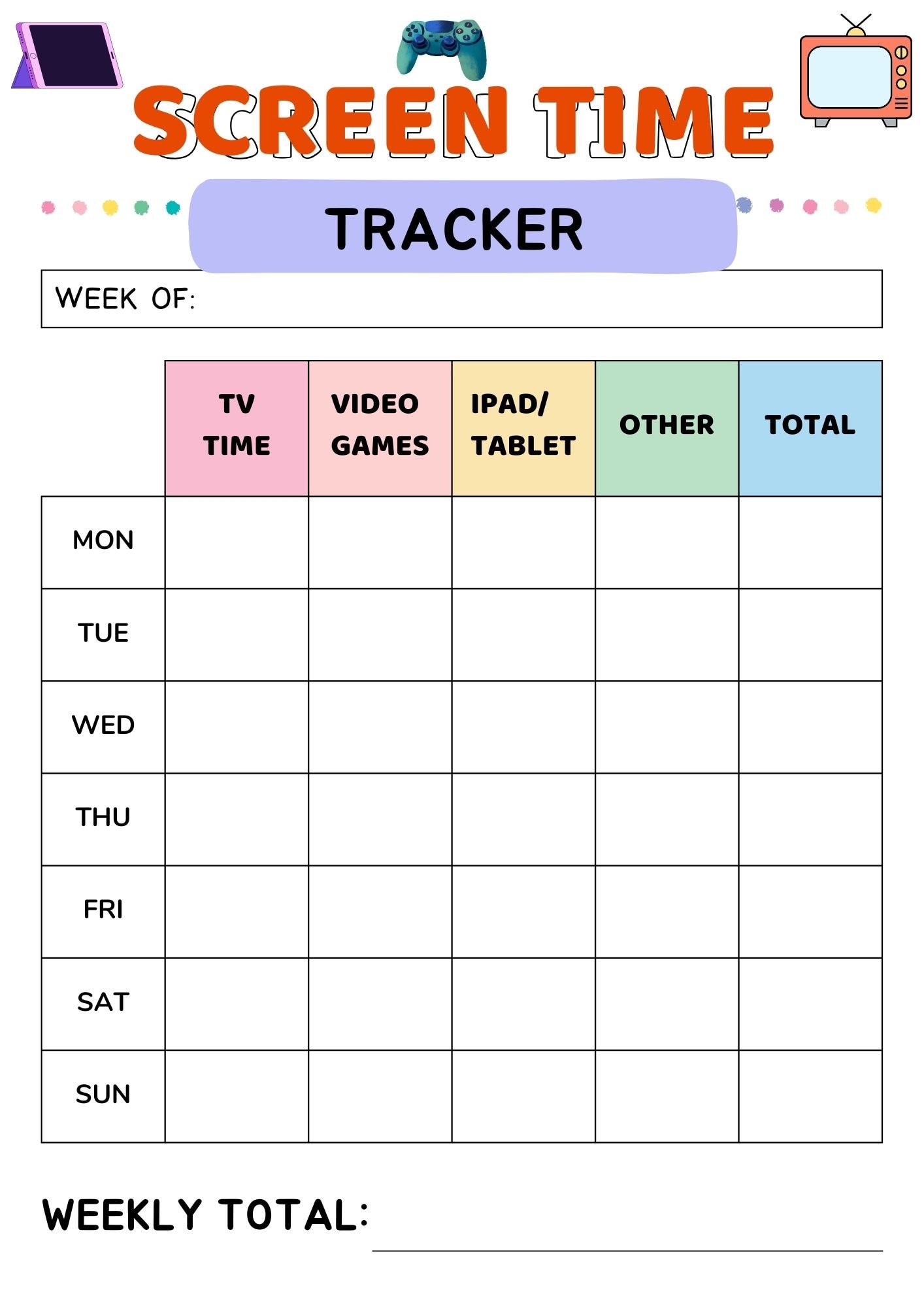
Q: Can this worksheet be used as part of a recurring lesson or activity? A: Absolutely. The worksheet can be utilized periodically to reinforce learning, track changes in screen time habits over time, or prompt discussions around new digital challenges as they arise. Its adaptable nature supports repeated use.
Explore More Free Printable Worksheets
A single educational resource, while valuable, achieves its greatest impact when integrated into a consistent and comprehensive learning routine. The “free printable screen time worksheet” serves as an excellent starting point for cultivating responsible digital habits, yet it is just one component of a larger educational ecosystem. Educators and parents are encouraged to explore the full collection of free printable internet safety worksheets, activity sheets, checklists, quizzes, and more. These resources cover a wide spectrum of internet safety topics, meticulously designed for every grade level and learning environment, providing robust support for ongoing digital citizenship education. Discover the complete range of materials at SafeWiredSchools.org Worksheets.
Developmental Milestone & Activity Table
| Development Stage | Recommended Daily Duration | Primary Learning Objective |
|---|---|---|
| Preschool & Pre-K | 10 – 15 Minutes | Pencil grip development & basic pre-stroke lines |
| Kindergarten | 15 – 20 Minutes | Letter/number formation & spatial line awareness |
| Early Elementary (Grade 1–2) | 20 – 30 Minutes | Fluency, sentence construction & neatness |
Images References