Introduction
Educating children about internet safety is a paramount responsibility for both homes and schools. A foundational tool for reinforcing these crucial lessons is the free printable online safety worksheet. This particular resource is meticulously designed for learners in Elementary grades 1-5 and can be effectively adapted for early Middle School students (grades 6-8), making it a versatile asset for ages approximately 6-13. The worksheet’s relevance stems from the ever-increasing digital engagement of young individuals, necessitating early intervention in digital literacy. Printable learning materials, such as this worksheet, are trusted by educators and parents worldwide for their tangible, hands-on approach. They provide a structured, engaging method for building fundamental digital awareness and cultivating responsible online behaviors, moving beyond abstract concepts to concrete application. The tactile nature of completing a worksheet aids in information retention and provides a shared activity for discussion and learning.
💡 Educational Key Takeaways:
- Core Skill: Structured Free Printable Online Safety Worksheet focused on developing pencil grip, stroke control, and early literacy/math confidence.
- Target Scope: Suited for homeschoolers, preschool, kindergarten, and elementary learners.
- Best Recommendation: Practice 10–15 minutes daily with ergonomic writing tools to reinforce muscle memory without hand fatigue.
What This Worksheet Covers
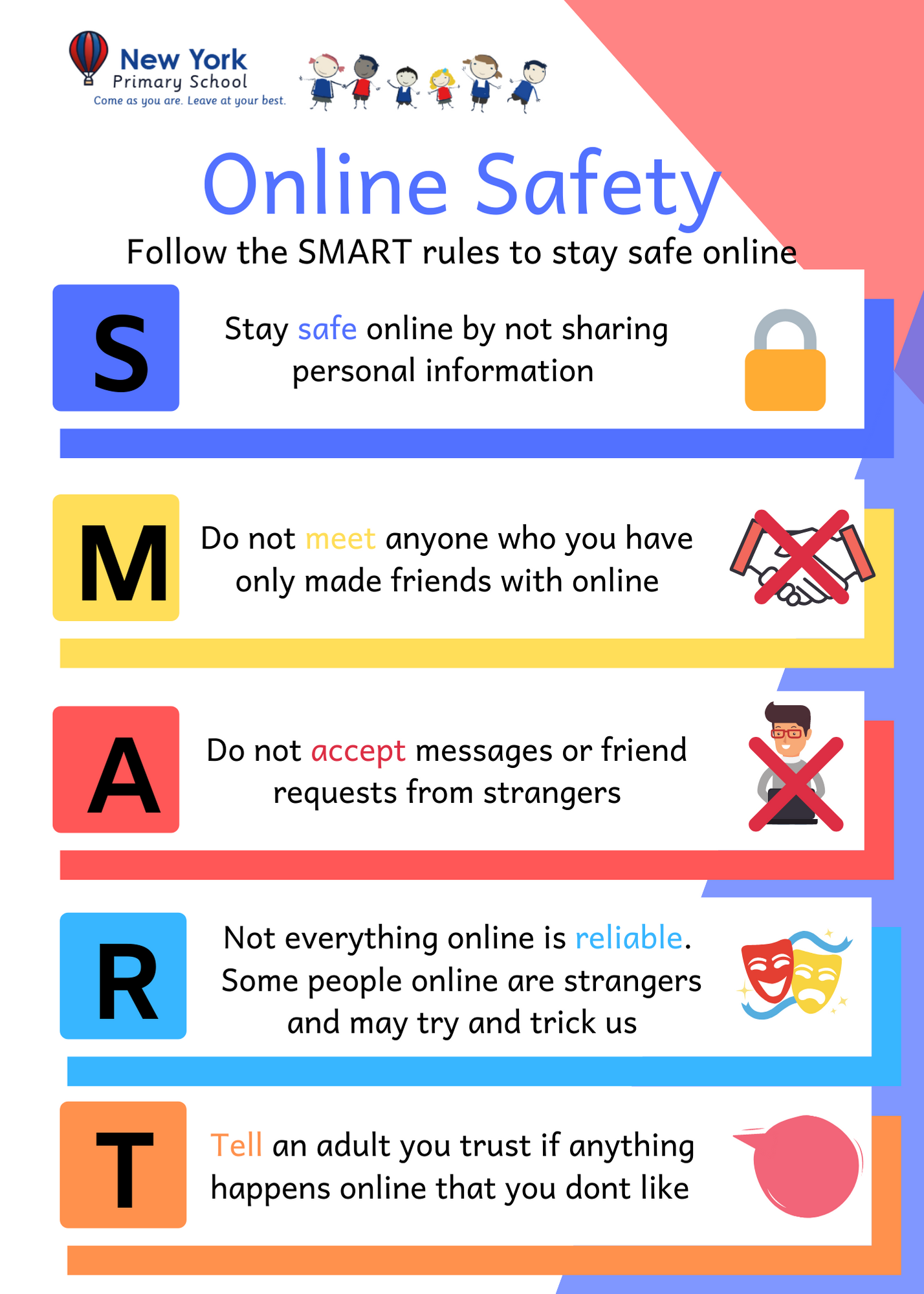
The “free printable online safety worksheet” focuses on the essential topic of Identifying Safe Online Choices and Recognizing Online Strangers. This critical area encompasses several key concepts vital for a child’s digital well-being. The worksheet guides learners through scenarios that help distinguish between secure and potentially hazardous online environments, applications, and interactions. It reinforces the importance of personal information privacy, clarifying what details should never be shared with unknown individuals or on public platforms. The resource addresses the concept of an “online stranger,” emphasizing that people encountered online may not be who they claim to be, and interactions should be approached with caution. Content within the worksheet connects directly to recognized digital citizenship and child online protection standards, promoting skills such as critical thinking, responsible communication, and the practice of seeking help from trusted adults when encountering concerning situations online.
Key Learning Outcomes
Completing this educational resource yields several significant learning outcomes for young individuals:
- Learners will be able to differentiate between safe and potentially unsafe online interactions and content.
- Students will identify specific types of personal information that must never be shared with online acquaintances or strangers.
- Children will recognize the importance of immediately reporting any suspicious or uncomfortable online activity to a trusted parent or teacher.
- Participants will develop an understanding of what constitutes an “online stranger” and the appropriate boundaries for interacting with unknown individuals online.
- Critical thinking skills will be enhanced, allowing for better evaluation of online requests and situations before responding.
How to Use This Worksheet
This “free printable online safety worksheet” offers flexible application for both educational settings and home environments. Its format incorporates a variety of activity types designed to engage different learning styles. Learners will encounter fill-in-the-blank questions to reinforce vocabulary, matching exercises for concept association, true or false statements to test understanding, and scenario-based questions that encourage critical thinking and decision-making. Simple drawing prompts might also be included for younger learners to express their understanding visually. Instructions are clearly presented and scaffold learning progressively, starting with basic concepts and moving towards more complex decision-making. The resource functions effectively as a standalone activity to introduce or review specific safety principles, can be integrated seamlessly as part of a broader lesson plan on digital citizenship, or assigned as a thought-provoking homework activity to extend learning beyond the classroom. Browse more guides on Safe Wired Schools.
Practical Tips for Parents and Teachers
Maximizing the educational impact of this worksheet involves thoughtful preparation and engagement:
- Review First: Before presenting the worksheet, review its content to anticipate potential questions and prepare discussion points.
- Facilitate Discussion: Encourage open dialogue during and after completion. Focus not just on correct answers, but on the reasoning behind choices.
- Connect to Real Life: Use the worksheet’s scenarios as springboards for conversations about real-world online experiences or potential situations.
- Establish Family/Class Rules: Link the concepts learned to established family guidelines or classroom digital citizenship pledges for practical reinforcement.
- Display and Revisit: Display completed worksheets as visual reminders of important safety rules, revisiting the principles periodically to ensure retention.
Age-Appropriate Recommendations
The adaptability of the “free printable online safety worksheet” allows for tailored use across different developmental stages. For Ages 5-8 (Early Elementary), the focus should be on basic identification and simple, concrete rules. Vocabulary support is crucial, with an adult guiding the learner through each section, reading questions aloud, and simplifying complex terms. Activities involving drawing or simple matching are particularly effective. The pacing should be relaxed, allowing ample time for questions and discussion, with significant parental or teacher involvement throughout. For Ages 9-12 (Late Elementary/Early Middle School), learners can engage with more nuanced scenarios and begin to discuss the consequences of online actions more independently. Vocabulary support may still be beneficial for new terms, but the emphasis shifts to fostering critical thinking and independent problem-solving. This age group can benefit from completing more sections autonomously, followed by a structured discussion session to deepen understanding and address any misconceptions. The worksheet serves as an excellent foundation for introducing concepts like digital footprint awareness and online privacy settings.
Frequently Asked Questions
Q: How can this free printable online safety worksheet be accessed? A: The worksheet is available for immediate download from the SafeWiredSchools.org website. Simply navigate to the worksheets section and click the download link to obtain the printable PDF file.
Q: What is the most suitable age range for this specific worksheet? A: This worksheet is primarily designed for students in Elementary grades 1-5 (ages 6-11) but can be effectively adapted for early Middle School learners (ages 12-13) with appropriate adult guidance and discussion.
Q: Is it possible to modify the worksheet for diverse learning needs? A: While the worksheet is provided as a static PDF, educators and parents can adapt its use. This includes providing verbal support, allowing drawing instead of writing for younger children, or extending discussions for advanced learners to meet diverse needs.
Explore More Free Printable Worksheets
While this particular worksheet provides valuable insights into online safety, consistent digital safety learning is best achieved through a routine. A single resource works most effectively when integrated as part of a broader educational strategy. Educators and parents are encouraged to explore a comprehensive collection of free printable internet safety worksheets, engaging activity sheets, practical checklists, interactive quizzes, and more at SafeWiredSchools.org Worksheets. This extensive library covers every essential internet safety topic, meticulously designed for every grade level and adaptable to various learning environments, ensuring a continuous and robust digital education for all.
Developmental Milestone & Activity Table
| Development Stage | Recommended Daily Duration | Primary Learning Objective |
|---|---|---|
| Preschool & Pre-K | 10 – 15 Minutes | Pencil grip development & basic pre-stroke lines |
| Kindergarten | 15 – 20 Minutes | Letter/number formation & spatial line awareness |
| Early Elementary (Grade 1–2) | 20 – 30 Minutes | Fluency, sentence construction & neatness |