Introduction
Effective management of digital engagement is a crucial aspect of modern parenting and education. The resource titled “screen time on weekends checklist for kids” serves as a valuable tool for reinforcing internet safety concepts through a hands-on, printable learning experience. This particular checklist is primarily designed for Elementary grades 15 and early Middle School grades 68, though its principles are adaptable for younger children with parental guidance and older students for independent reflection. Printable worksheets remain trusted instruments for educators and parents, offering a tangible means to build digital awareness and cultivate responsible online behavior. They provide a much-needed break from screens while engaging children in active learning, fostering critical thinking, and promoting consistent dialogue about healthy digital habits within families and classrooms.
💡 Educational Key Takeaways:
- Core Skill: Structured Screen Time On Weekends Checklist For Kids focused on developing pencil grip, stroke control, and early literacy/math confidence.
- Target Scope: Suited for homeschoolers, preschool, kindergarten, and elementary learners.
- Best Recommendation: Practice 10–15 minutes daily with ergonomic writing tools to reinforce muscle memory without hand fatigue.
What This Worksheet Covers
The “screen time on weekends checklist for kids” specifically addresses the vital topic of balanced screen time and responsible digital engagement during non-school days. It encourages children to develop self-awareness regarding their digital habits and to actively participate in planning a balanced weekend. Concepts covered include setting appropriate time limits for various digital activities, identifying engaging offline alternatives, recognizing the importance of family time away from devices, and understanding the value of physical activity and creative play. The checklist promotes a proactive approach to digital citizenship, aligning with established child safety education standards that emphasize media literacy, digital well-being, and personal responsibility in the online world. This resource helps translate abstract safety guidelines into concrete, actionable steps for children. Related guide: Online Safety And Netiquette Lesson Plan Grade 4.
Key Learning Outcomes
By completing the “screen time on weekends checklist for kids,” students and children will develop several important skills and areas of knowledge:. Browse more guides on Safe Wired Schools.
- Cultivating self-awareness regarding personal screen use patterns and their potential impact.
- Strengthening responsible decision-making abilities concerning digital engagement and content choices.
- Improving understanding of healthy screen time habits and the benefits of a balanced digital diet.
- Fostering open communication skills about digital boundaries and expectations within family settings.
- Enhancing independence in managing personal leisure time, balancing digital and offline pursuits effectively.
How to Use This Worksheet
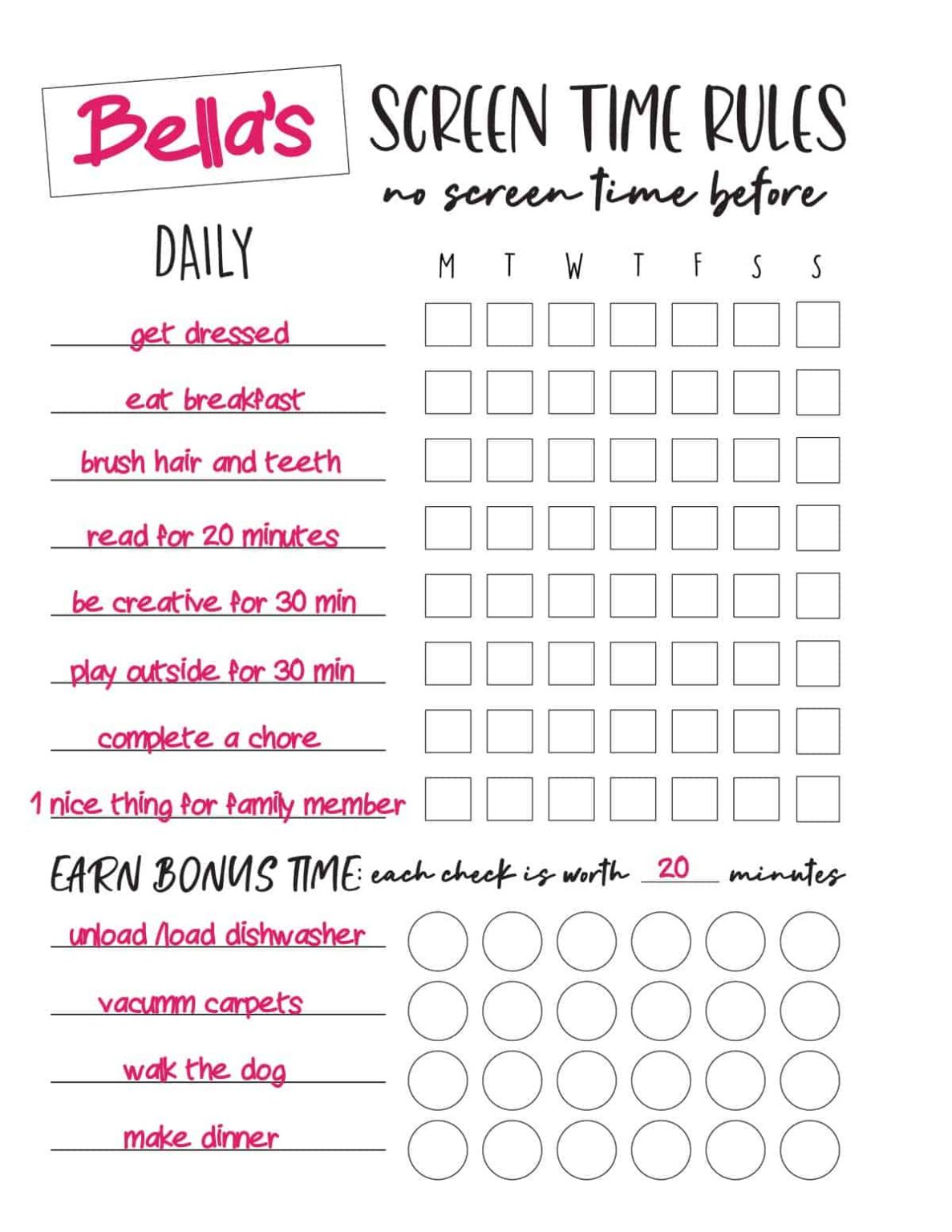
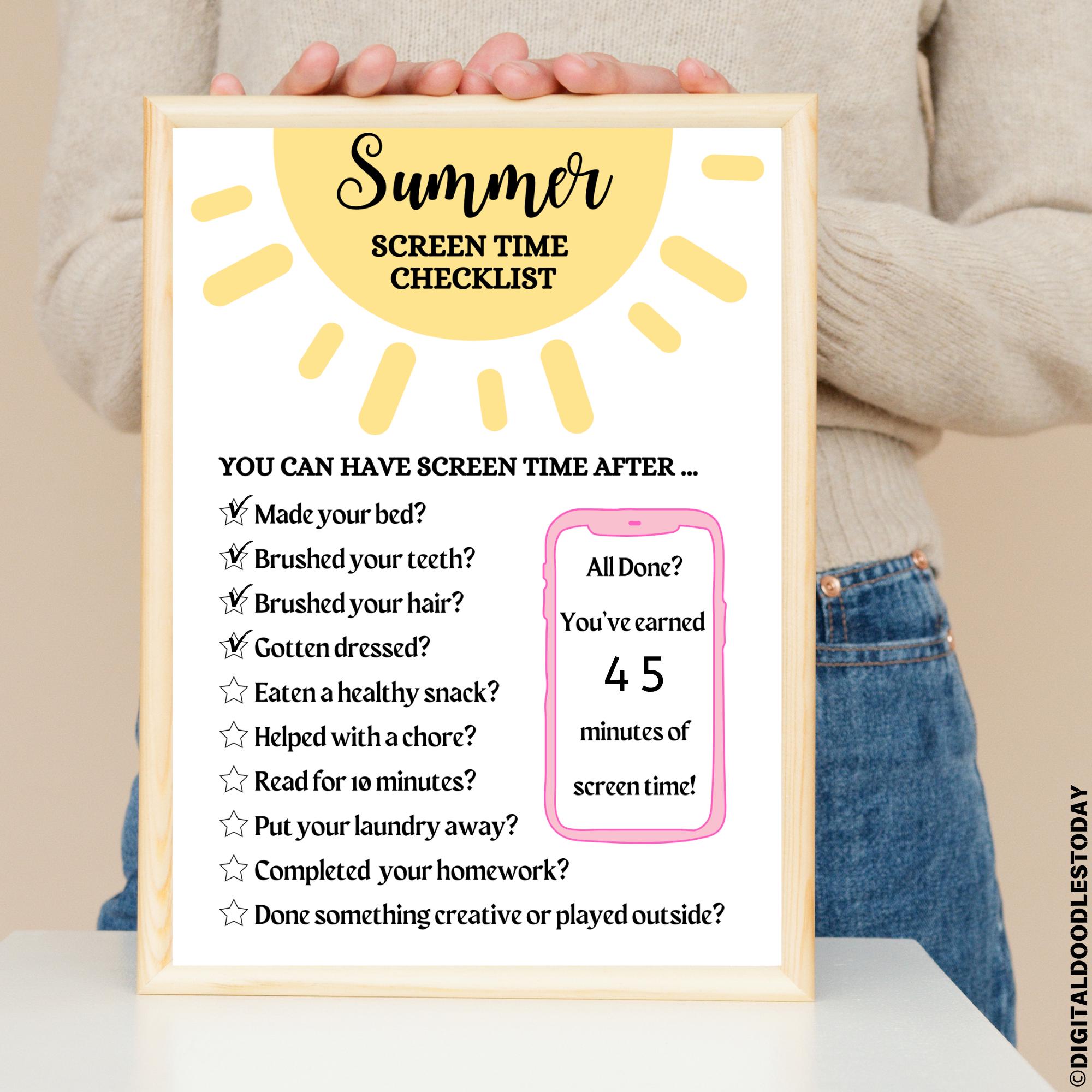
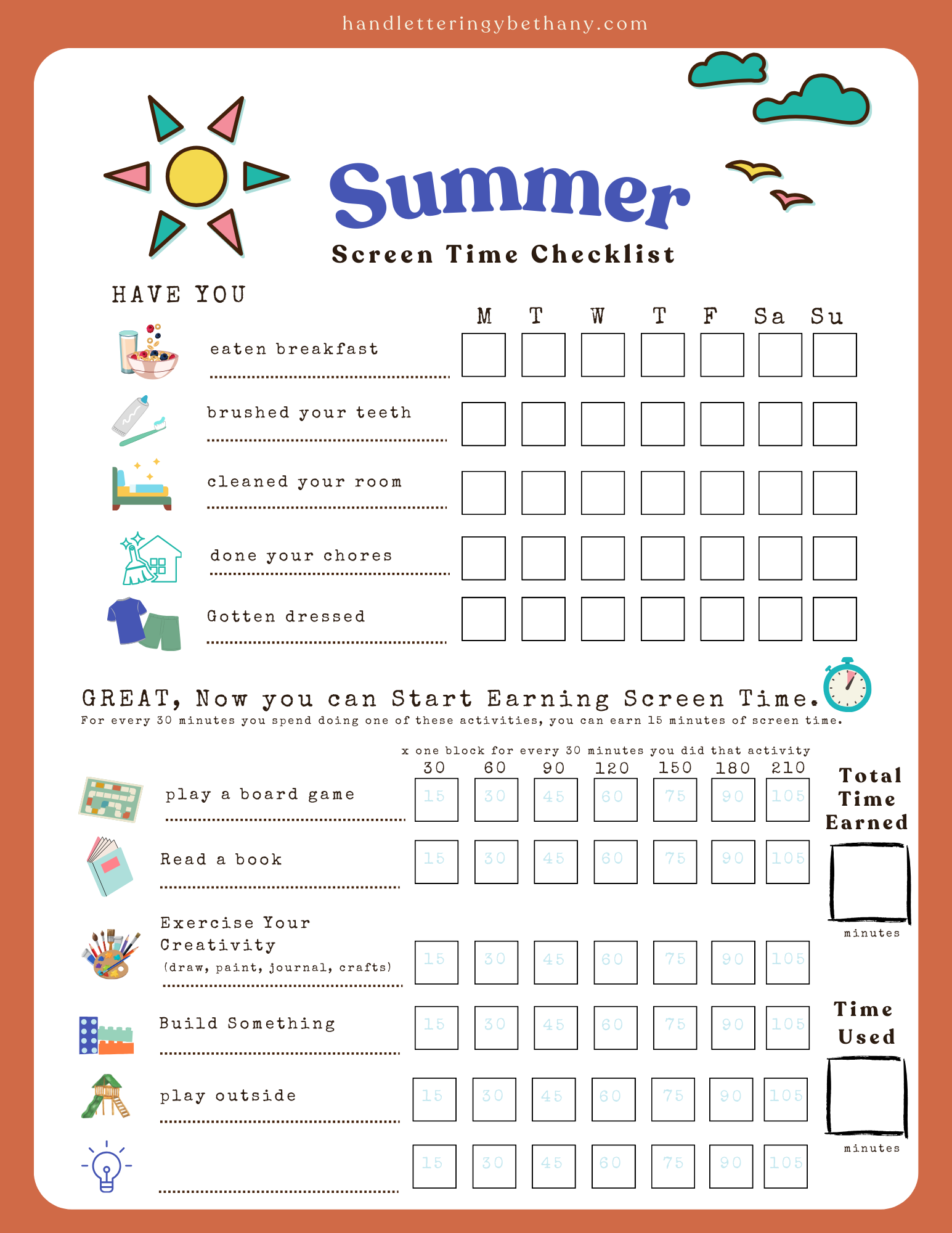
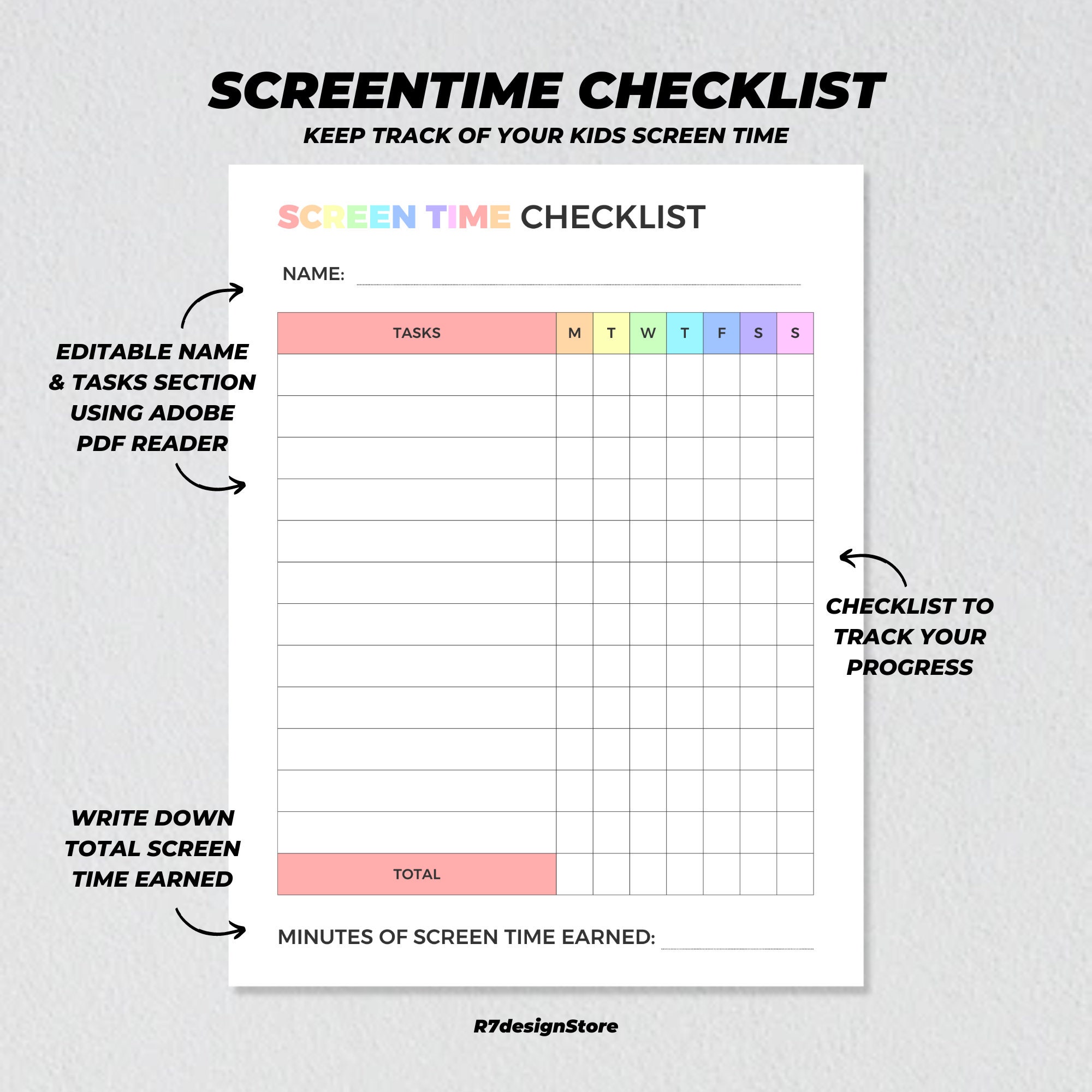
Educators and parents can effectively integrate the “screen time on weekends checklist for kids” into various learning environments. The worksheet presents as a straightforward checklist format, prompting children to mark off activities related to screen time management and alternative engagements. It includes sections for planning specific screen time blocks, identifying non-screen activities, and reflecting on the balance achieved. The difficulty level is appropriate for its target age range, encouraging engagement without being overly complex. Instructions are clear and concise, designed to scaffold learning progressively as children interact with each item. This resource functions excellently as a standalone activity to initiate discussions about weekend routines, as an integral part of a broader digital citizenship lesson plan, or as a practical homework assignment that encourages family involvement.
Practical Tips for Parents and Teachers
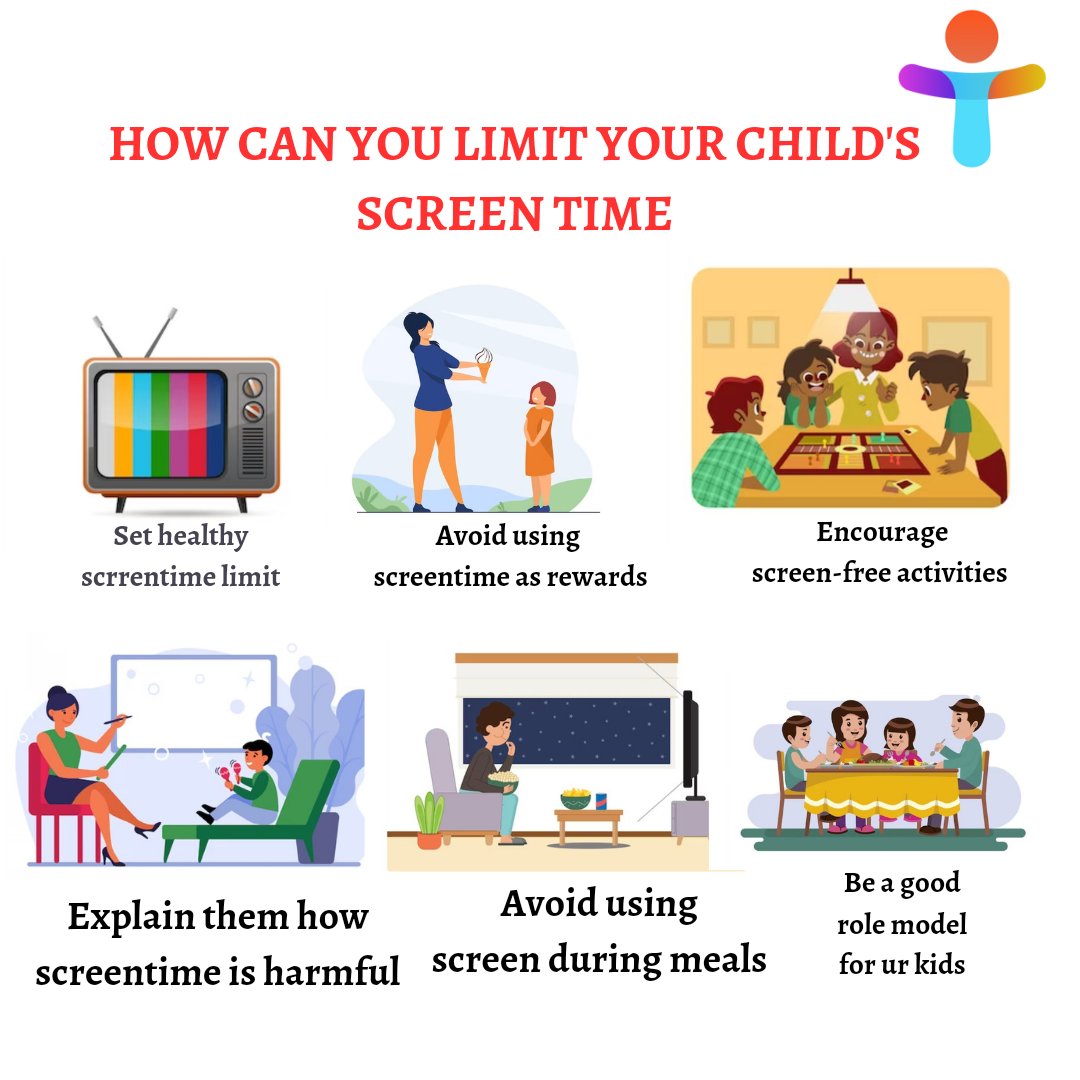
- Introduce with Positive Framing: Present the checklist not as a restriction, but as a tool for empowerment and balance. Emphasize the benefits of diverse weekend activities, both digital and non-digital.
- Model Desired Behavior: Adults can demonstrate healthy screen habits themselves, showing children that balanced digital use is a family-wide commitment. Discussing personal screen goals can be beneficial.
- Regular Review and Discussion: After completion, set aside time to discuss the checklist. Ask children what they enjoyed most, what challenges they faced, and what they might change next time. This reinforces learning and adapts strategies.
- Personalize the Checklist: Encourage children to add their own preferred non-screen activities or specific digital content they plan to engage with. Personalization increases ownership and relevance.
- Celebrate Successes and Adapt: Acknowledge efforts to follow the checklist. If difficulties arise, approach them with understanding and collaboratively adjust expectations or strategies for future weekends, reinforcing a growth mindset.
Age-Appropriate Recommendations
The application of the “screen time on weekends checklist for kids” benefits from tailored approaches based on a child’s developmental stage.
For Ages 5-7 (Early Elementary), the checklist is best utilized as a parent-led activity. Parents can read each item aloud, explaining concepts using simple, concrete language. The focus should be on basic rules like “one hour of screen time,” “play outside,” or “read a book.” Children can use stickers or simple checkmarks, and even draw pictures of their planned activities. Activity pacing should be brief, with short, positive check-ins throughout the weekend rather than a single lengthy discussion.
For Ages 8-12 (Mid-Elementary to Early Middle School), children can engage with the checklist more independently, with adult guidance readily available. Vocabulary support might be needed for terms like “responsible engagement” or “digital wellness.” The activity can be integrated into a weekly family meeting or as a classroom discussion starter. This age group benefits from setting specific goals, such as “finish homework before gaming” or “spend 30 minutes on a hobby.” Encourage them to reflect on their choices and discuss how different activities make them feel.
For Ages 13-18 (Middle to High School), the checklist transitions into a tool for self-reflection and personal accountability. While parental involvement remains valuable for support, the emphasis shifts to fostering critical thinking about digital well-being and long-term habit formation. Discussions can explore the impact of screen time on sleep, mood, and social interactions. Older students can adapt the checklist to create their own digital wellness plans, incorporating strategies for managing social media, academic screen use, and entertainment. The goal is to cultivate intrinsic motivation for balanced digital habits, promoting self-management and informed decision-making.
Frequently Asked Questions
Q: What is the primary goal of the “screen time on weekends checklist for kids”?
A: The primary goal is to empower children to manage their digital engagement responsibly, foster a healthy balance between screen time and offline activities, and promote open communication about digital habits within families. It encourages proactive planning for a well-rounded weekend.
Q: How can families ensure consistent use of this checklist?
A: Consistency is best achieved by integrating the checklist into a regular weekend routine, such as reviewing it on Friday evenings and checking it on Sunday. Open, non-judgmental discussions about progress and challenges, combined with parental modeling of balanced digital habits, significantly enhance adherence.
Q: Where can this free printable resource be accessed?
A: The “screen time on weekends checklist for kids” is available as a free printable download. It can be accessed directly from the comprehensive resource library at SafeWiredSchools.org, alongside many other valuable internet safety materials.
Explore More Free Printable Worksheets
A single resource, however impactful, works best as part of a broader, consistent digital safety learning routine. The “screen time on weekends checklist for kids” contributes significantly to developing responsible digital habits, yet it represents just one component of a comprehensive educational approach. Educators and parents are invited to explore a full collection of free printable internet safety worksheets, activity sheets, checklists, quizzes, and more at SafeWiredSchools.org Worksheets. These resources cover every essential internet safety topic, from identifying trusted sources to understanding privacy settings, and are meticulously designed for every grade level and learning environment, ensuring continuous and adaptive digital safety education for all ages.
Developmental Milestone & Activity Table
| Development Stage | Recommended Daily Duration | Primary Learning Objective |
|---|---|---|
| Preschool & Pre-K | 10 – 15 Minutes | Pencil grip development & basic pre-stroke lines |
| Kindergarten | 15 – 20 Minutes | Letter/number formation & spatial line awareness |
| Early Elementary (Grade 1–2) | 20 – 30 Minutes | Fluency, sentence construction & neatness |
Images References