Introduction
Establishing foundational digital literacy skills during early childhood is paramount in today’s interconnected world. The free printable resource, “screen time schedule for kindergartners,” offers a tangible and effective tool for guiding young learners toward responsible digital habits. This worksheet is specifically designed for the kindergarten educational level (ages 5-6), serving as a crucial entry point for understanding the concept of balanced media consumption. Educators and parents consistently recognize the profound pedagogical value of printable worksheets. These resources provide a hands-on learning experience, transforming abstract internet safety concepts into concrete, manageable activities. The act of physically interacting with a worksheet reinforces learning, aids memory retention, and fosters a sense of accomplishment. Trusted by professionals, such printables are instrumental in building foundational digital awareness and promoting responsible online behavior from an early age, ensuring children develop a healthy relationship with technology.
💡 Educational Key Takeaways:
- Core Skill: Structured Screen Time Schedule For Kindergartners focused on developing pencil grip, stroke control, and early literacy/math confidence.
- Target Scope: Suited for homeschoolers, preschool, kindergarten, and elementary learners.
- Best Recommendation: Practice 10–15 minutes daily with ergonomic writing tools to reinforce muscle memory without hand fatigue.
What This Worksheet Covers
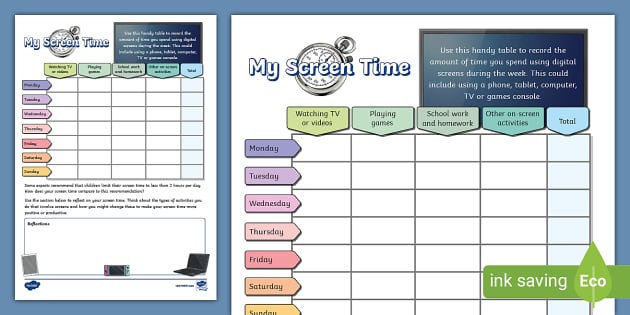
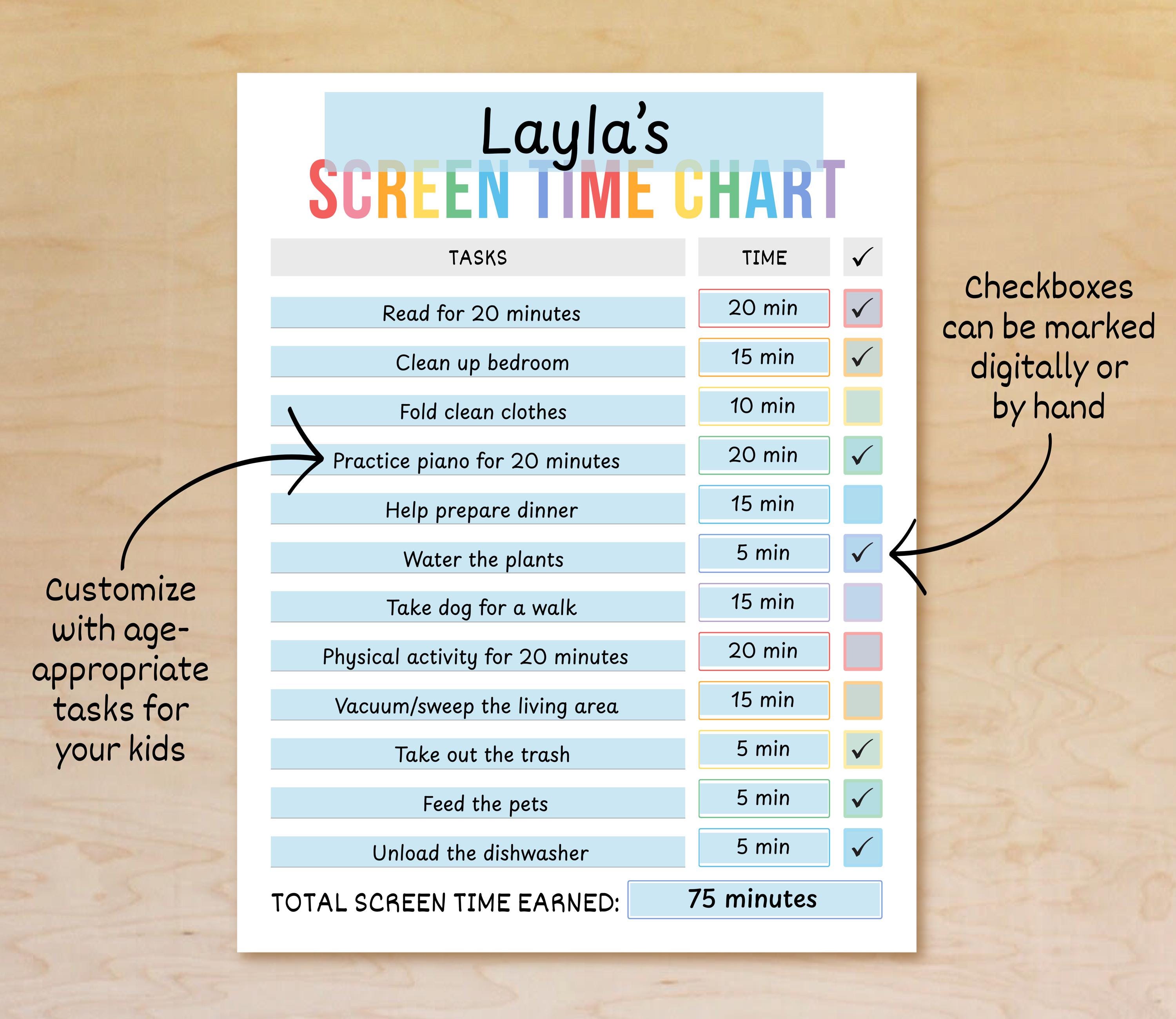
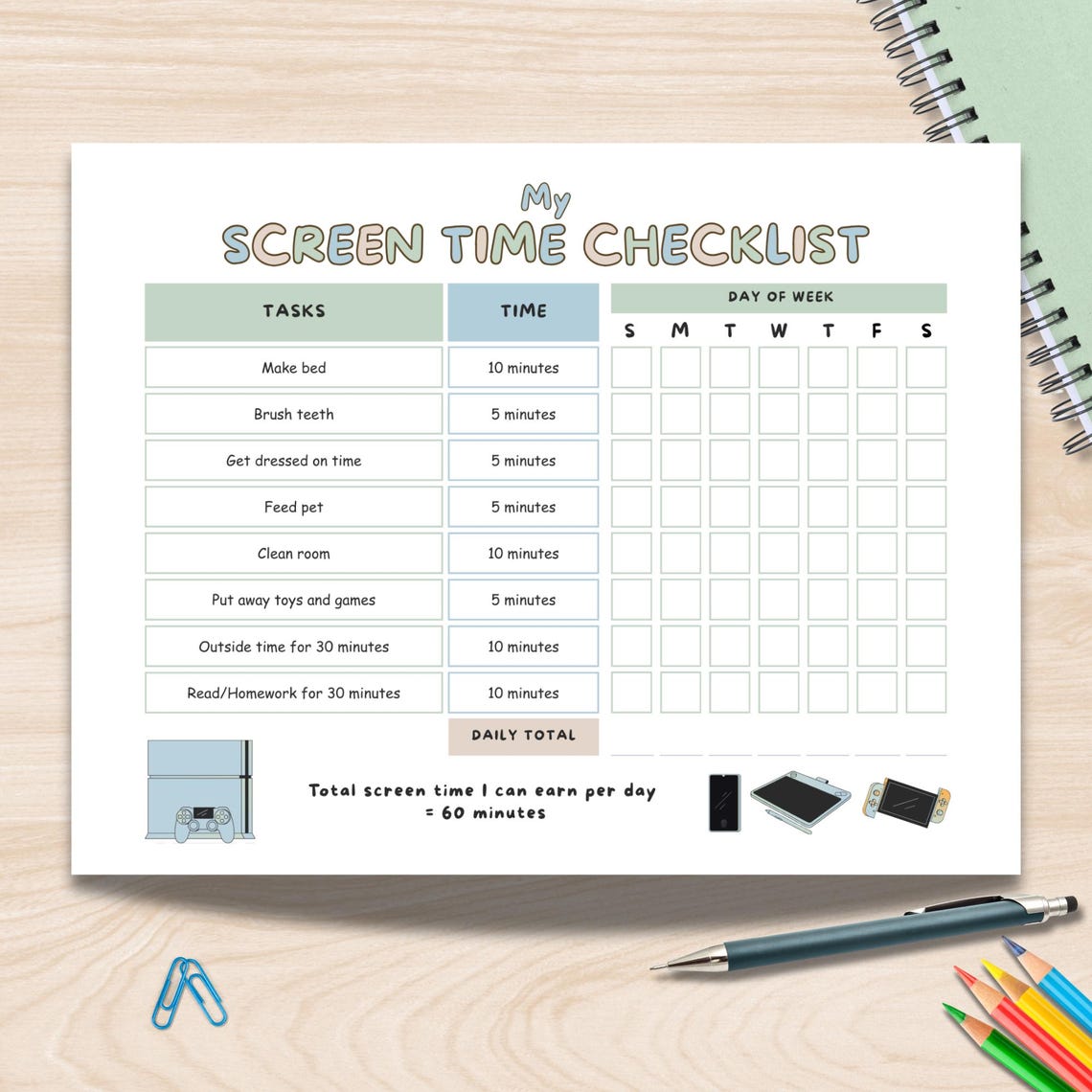
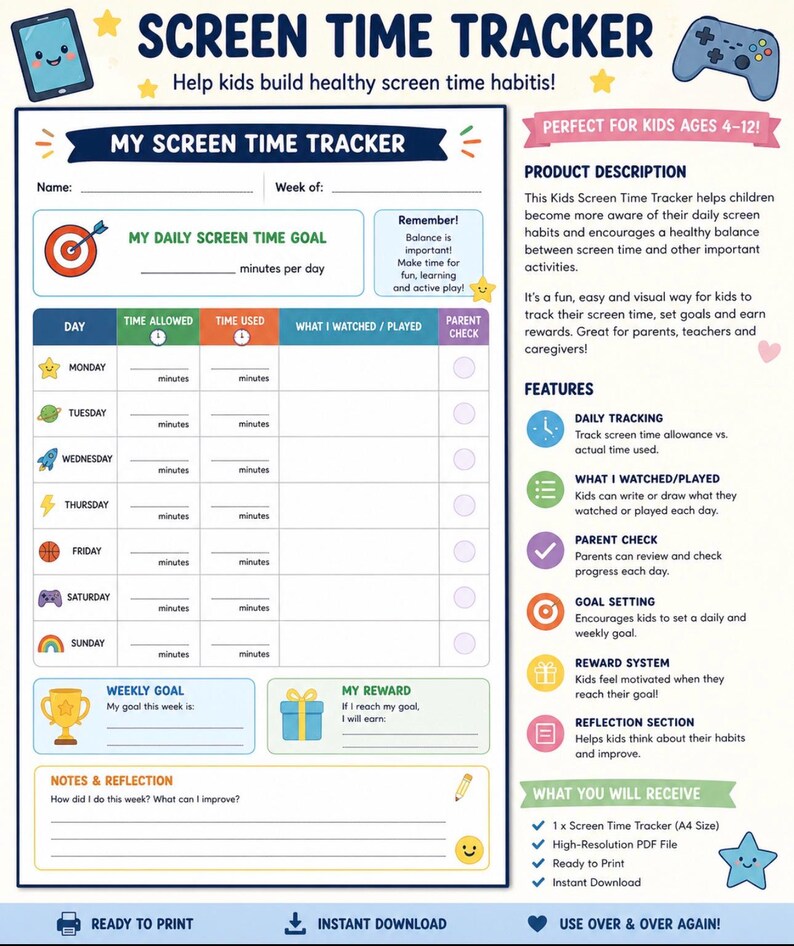
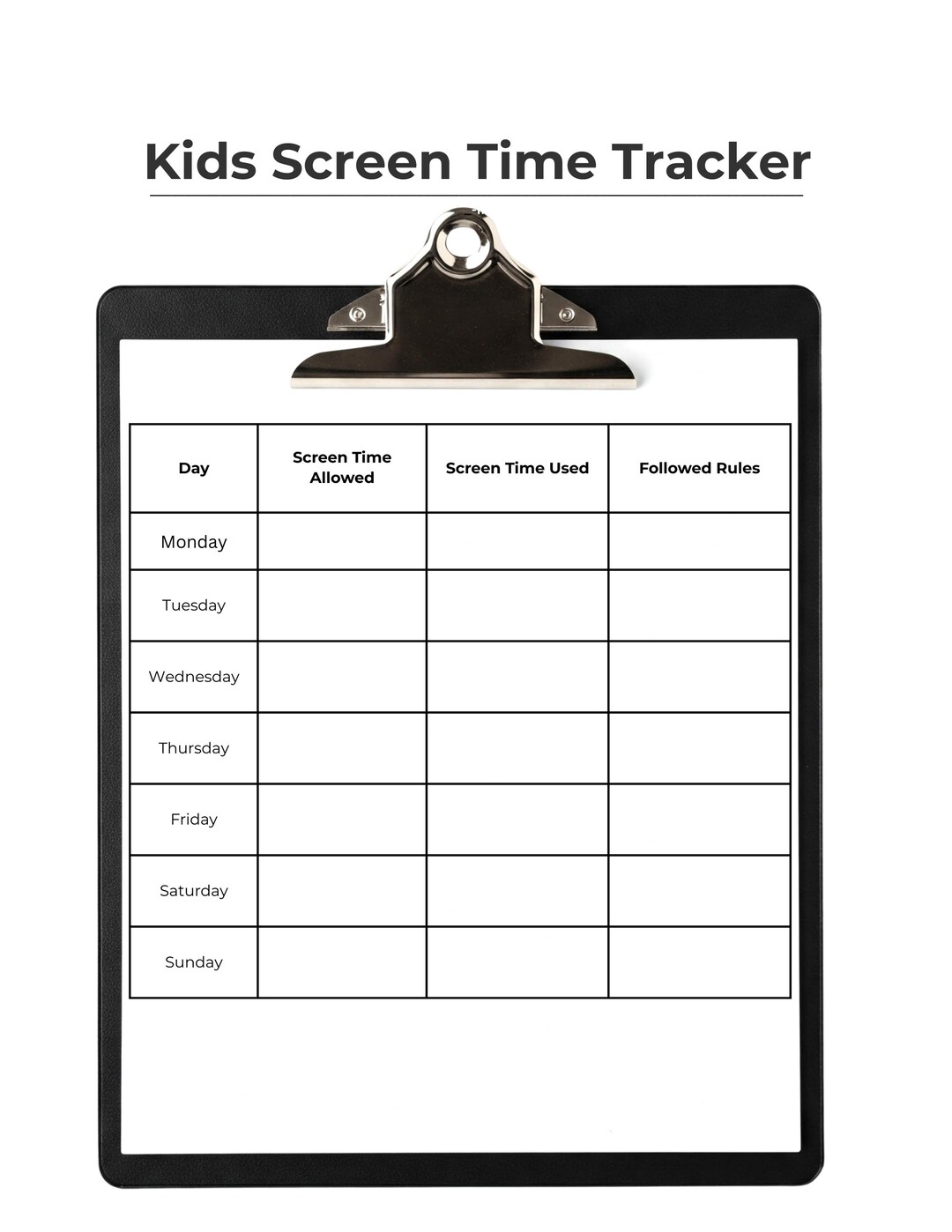
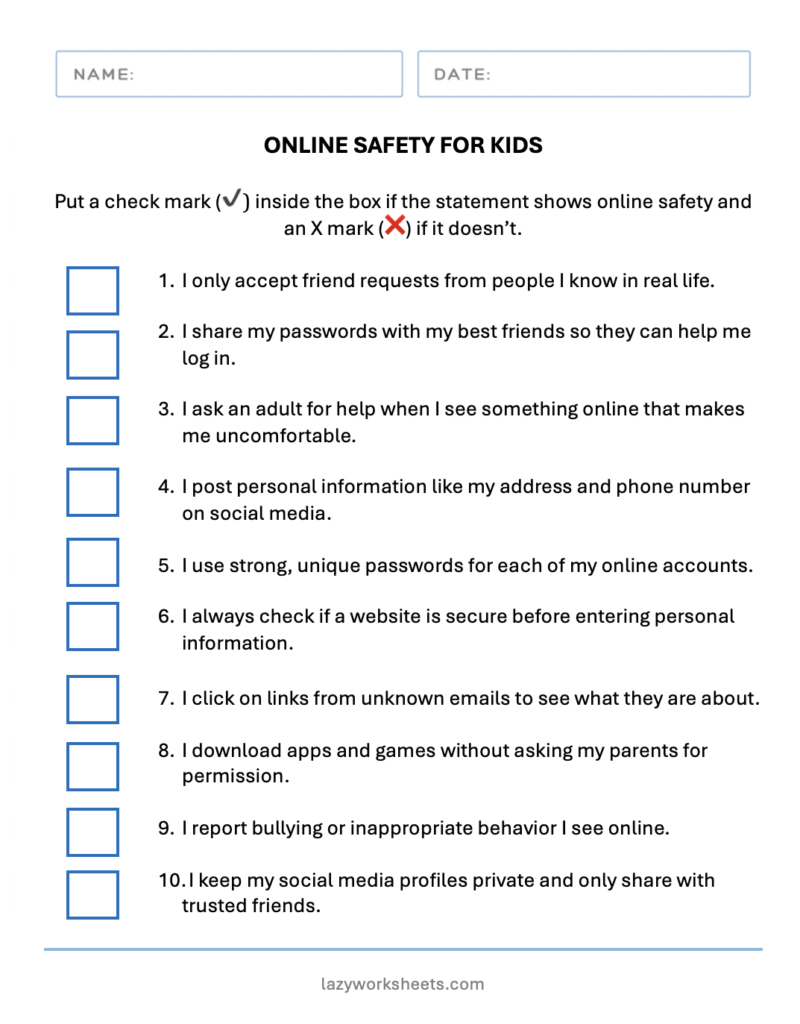
The “screen time schedule for kindergartners” worksheet addresses the vital internet safety topic of managing and understanding appropriate screen time. This resource guides young children through the concepts of daily digital boundaries, balancing screen activities with offline play, and recognizing different types of screen engagement. Specific rules and scenarios covered include distinguishing between educational screen time and recreational use, understanding the importance of ‘screen breaks,’ and identifying alternative non-digital activities. The content subtly introduces the idea of digital contracts or agreements, helping children grasp that screen access often comes with responsibilities and limits. This worksheet directly aligns with early digital citizenship and child safety education standards, which emphasize healthy media use, personal responsibility, and the development of self-regulation skills regarding digital devices.
Key Learning Outcomes
Completion of the “screen time schedule for kindergartners” worksheet facilitates several critical developmental and educational milestones:
- Understanding of appropriate screen time durations and the concept of time limits for digital device use.
- Ability to identify a variety of healthy vs. unhealthy screen habits and their potential impact on daily routines.
- Development of foundational self-regulation skills concerning personal digital device usage.
- Recognition of the importance of non-screen activities such as reading, outdoor play, and creative arts.
- Initiation of constructive discussions about digital boundaries and technology rules with trusted adults.
How to Use This Worksheet
The “screen time schedule for kindergartners” worksheet is designed for flexible use in both educational and home environments. Its format typically includes simple drawing prompts, visual matching exercises, and guided fill-in-the-blank sections, all tailored to the cognitive abilities of kindergartners. Instructions are presented clearly and are intended to be scaffolded with adult assistance, progressing from basic identification to simple planning. The difficulty level is appropriate for emergent readers and writers, focusing more on conceptual understanding through visual cues and discussion. This resource functions effectively as a standalone activity to introduce or reinforce screen time concepts. It can also be seamlessly integrated into a broader digital citizenship lesson plan, serving as a hands-on component. Furthermore, the worksheet provides an excellent take-home assignment, encouraging family discussions and consistent application of learned principles outside the classroom. Browse more guides on Safe Wired Schools.
Practical Tips for Parents and Teachers
Maximizing the educational impact of the “screen time schedule for kindergartners” worksheet involves thoughtful preparation and engagement:
- Preparation: Print the worksheet in advance and ensure coloring tools or pencils are readily available. Review the worksheet content to anticipate questions and tailor the discussion to specific family or classroom routines.
- Facilitation: Sit with the child during the activity. Read prompts aloud, explain concepts in simple terms, and encourage children to articulate their thoughts and understanding as they complete each section.
- Discussion Prompts: After completion, discuss the child’s responses. Ask open-ended questions like, “What are some fun things to do instead of screens?” or “Why is it important to have screen-free time?”
- Modeling Behavior: Consistently model healthy screen habits. Children learn significantly by observing adult behavior regarding digital device use and balanced daily activities.
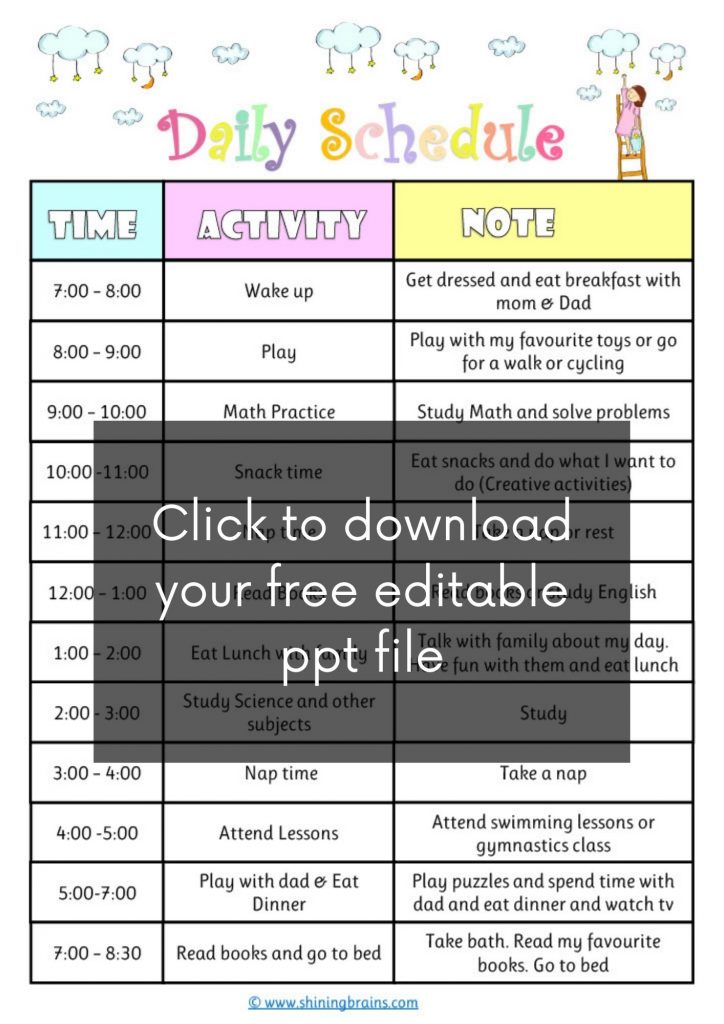
- Extend Learning: Create a physical “screen time schedule” together based on the worksheet’s principles, displaying it prominently. Regularly refer to it and adapt as needed, reinforcing the dynamic nature of responsible digital habits.
Age-Appropriate Recommendations
While specifically titled for kindergartners, the foundational principles within the “screen time schedule for kindergartners” can be adapted and reinforced across various early learning stages. For Ages 5-7 (Kindergarten/Early Elementary), direct use of the worksheet is highly recommended. The approach should be hands-on, with a trusted adult guiding the child through each section, explaining vocabulary, and facilitating discussion about the types of activities depicted. Activity pacing should be flexible, allowing children ample time to draw, reflect, and share their ideas. For Ages 8-10 (Later Elementary), the worksheet can serve as a valuable review or a starting point for more independent reflection. Children in this age group can complete the worksheet with less direct supervision, focusing on self-assessment of their current screen habits. Discussions can delve deeper into the ‘why’ behind screen limits and the benefits of diverse activities, fostering a greater sense of personal responsibility. For Ages 11-18 (Middle/High School), while the specific worksheet may be too simplistic, the core concepts of balanced digital engagement and personal screen time management remain highly relevant. Educators can use the principles as a basis for discussions on digital well-being, the impact of excessive screen time on sleep and academics, and the development of self-imposed digital boundaries. This progression ensures that early lessons learned about screen time schedules evolve into sophisticated digital literacy skills.
Frequently Asked Questions
Q: How does this worksheet help foster digital safety? A: The “screen time schedule for kindergartners” worksheet introduces the crucial concept of digital boundaries and balanced media use. It helps children understand that screen time is a privilege with limits, fostering early self-regulation skills essential for overall internet safety.
Q: Is adult supervision required for this activity? A: Yes, active adult supervision and guidance are strongly recommended for kindergartners. An adult can read instructions, explain concepts, and facilitate discussions, ensuring the child fully comprehends the worksheet’s educational objectives.
Q: How can the “screen time schedule for kindergartners” worksheet be accessed? A: This free printable resource, along with many others, is available for download directly from the SafeWiredSchools.org website. Simply navigate to the worksheets section to find and print the resource instantly.
Explore More Free Printable Worksheets
A single educational resource, while valuable, achieves its greatest impact when integrated into a consistent digital safety learning routine. The “screen time schedule for kindergartners” worksheet represents just one component of a comprehensive approach to digital literacy. Educators and parents are encouraged to explore a full collection of free printable internet safety worksheets, activity sheets, checklists, quizzes, and more at SafeWiredSchools.org Worksheets. These resources cover every essential internet safety topic and are meticulously designed for every grade level and learning environment, ensuring a continuous and robust digital education journey for all learners.
Developmental Milestone & Activity Table
| Development Stage | Recommended Daily Duration | Primary Learning Objective |
|---|---|---|
| Preschool & Pre-K | 10 – 15 Minutes | Pencil grip development & basic pre-stroke lines |
| Kindergarten | 15 – 20 Minutes | Letter/number formation & spatial line awareness |
| Early Elementary (Grade 1–2) | 20 – 30 Minutes | Fluency, sentence construction & neatness |
Images References