Introduction
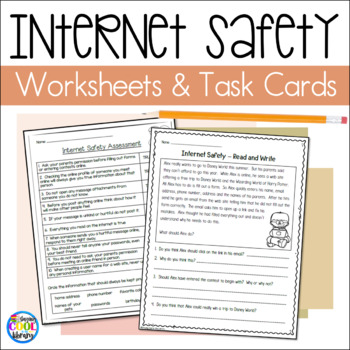
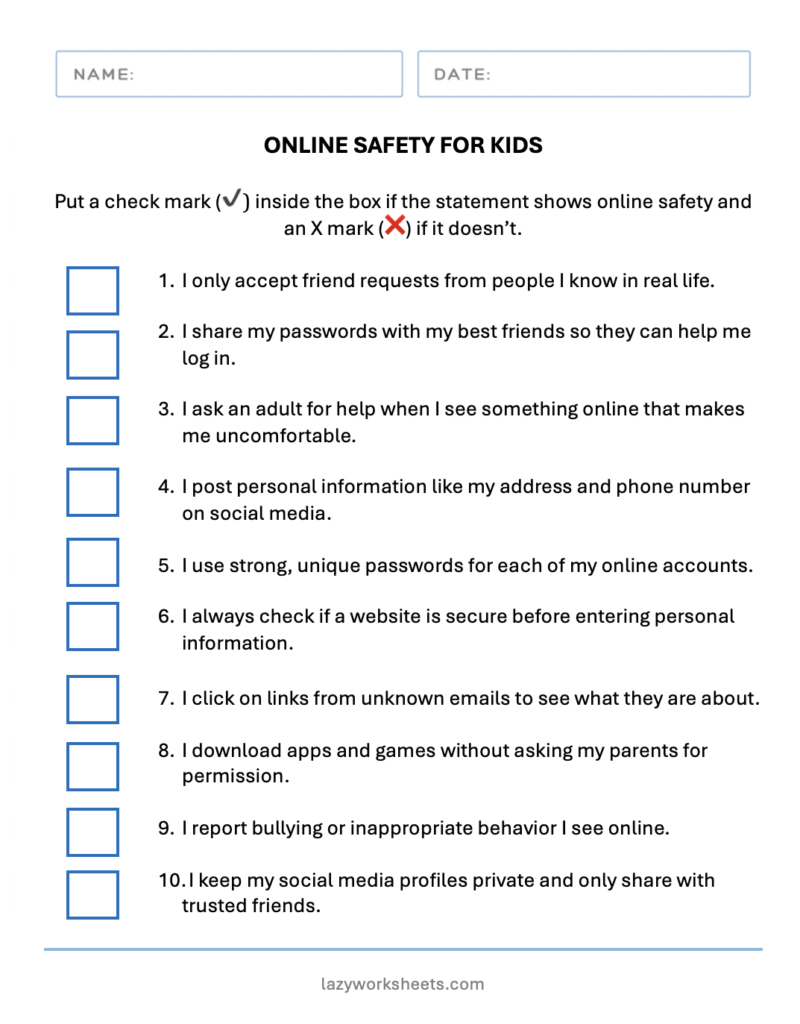
The “internet safety checklist for grade 4” is an invaluable resource designed specifically for elementary learners, aligning with the crucial developmental stage of children in grades 1 through 5. This printable tool serves as a foundational element in reinforcing essential internet safety concepts through active, hands-on learning. Educators and parents consistently trust printable worksheets for their proven effectiveness in building digital awareness and fostering responsible online behavior. The tangible nature of a printed checklist encourages direct engagement, allowing children to physically interact with safety principles rather than passively absorbing information from a screen. This approach solidifies understanding, promoting a proactive stance towards navigating the digital world safely. A well-designed printable offers a structured, repetitive learning experience, which is paramount for establishing good habits and critical thinking skills from an early age. Its inclusion in a child’s learning routine marks a significant step towards comprehensive digital literacy.
💡 Educational Key Takeaways:
- Core Skill: Structured Internet Safety Checklist For Grade 4 focused on developing pencil grip, stroke control, and early literacy/math confidence.
- Target Scope: Suited for homeschoolers, preschool, kindergarten, and elementary learners.
- Best Recommendation: Practice 10–15 minutes daily with ergonomic writing tools to reinforce muscle memory without hand fatigue.
What This Worksheet Covers
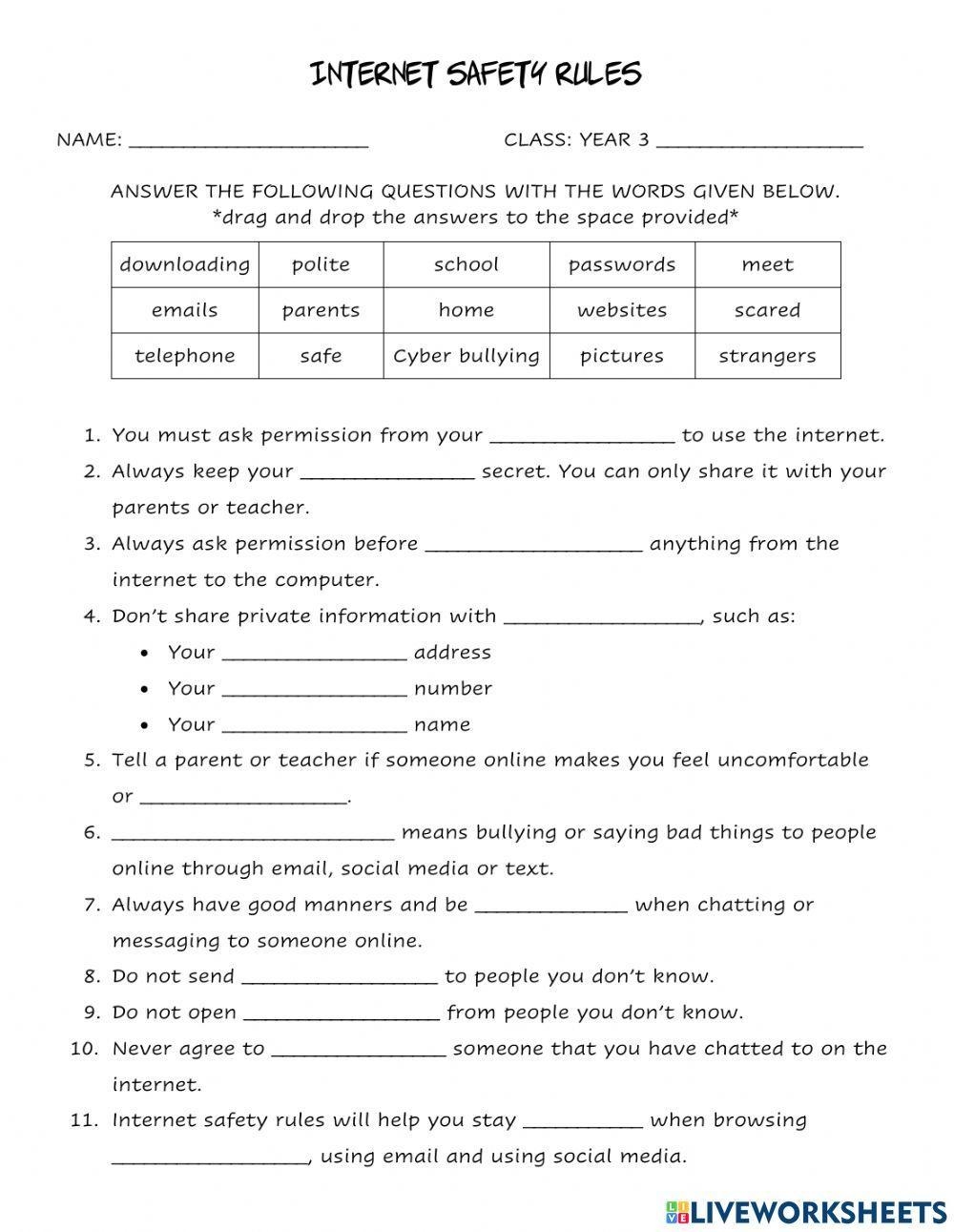
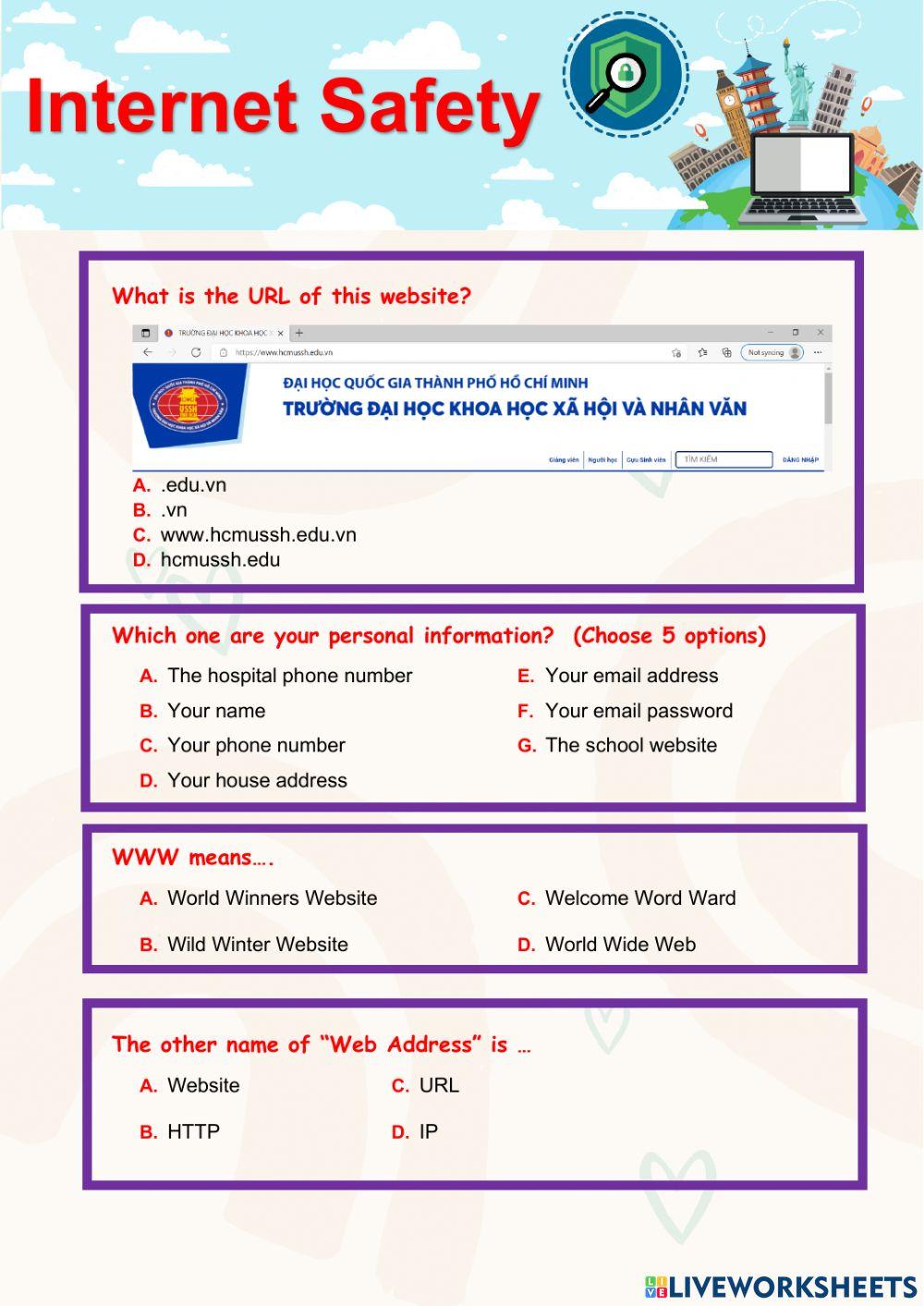
The “internet safety checklist for grade 4” addresses a range of fundamental internet safety topics tailored for this age group, ensuring concepts are both relevant and comprehensible. This resource specifically covers critical areas such as understanding what personal information should never be shared online, recognizing the dangers of interacting with unknown individuals, and the importance of strong, unique passwords. It introduces concepts like privacy settings in an age-appropriate manner and explains why reporting inappropriate content or encounters to a trusted adult is vital. The checklist also gently touches upon balancing screen time with other activities, promoting a healthy relationship with technology. The content directly connects to recognized digital citizenship standards, emphasizing principles of online respect, responsibility, and safety. Each item on the checklist is formulated to empower children with practical, actionable knowledge, translating abstract safety rules into concrete steps they can follow. Related guide: Internet Safety Worksheets Pdf.
Key Learning Outcomes
By completing the “internet safety checklist for grade 4,” children will develop several crucial skills and knowledge areas:. Browse more guides on Safe Wired Schools.
- Ability to identify and differentiate between safe and potentially unsafe online interactions and content.
- A clear understanding of what constitutes personal information and the importance of protecting it from strangers.
- Skills in recognizing and reporting suspicious or uncomfortable online activities to a responsible adult.
- Development of responsible communication habits, including empathy and respectful language, when interacting digitally.
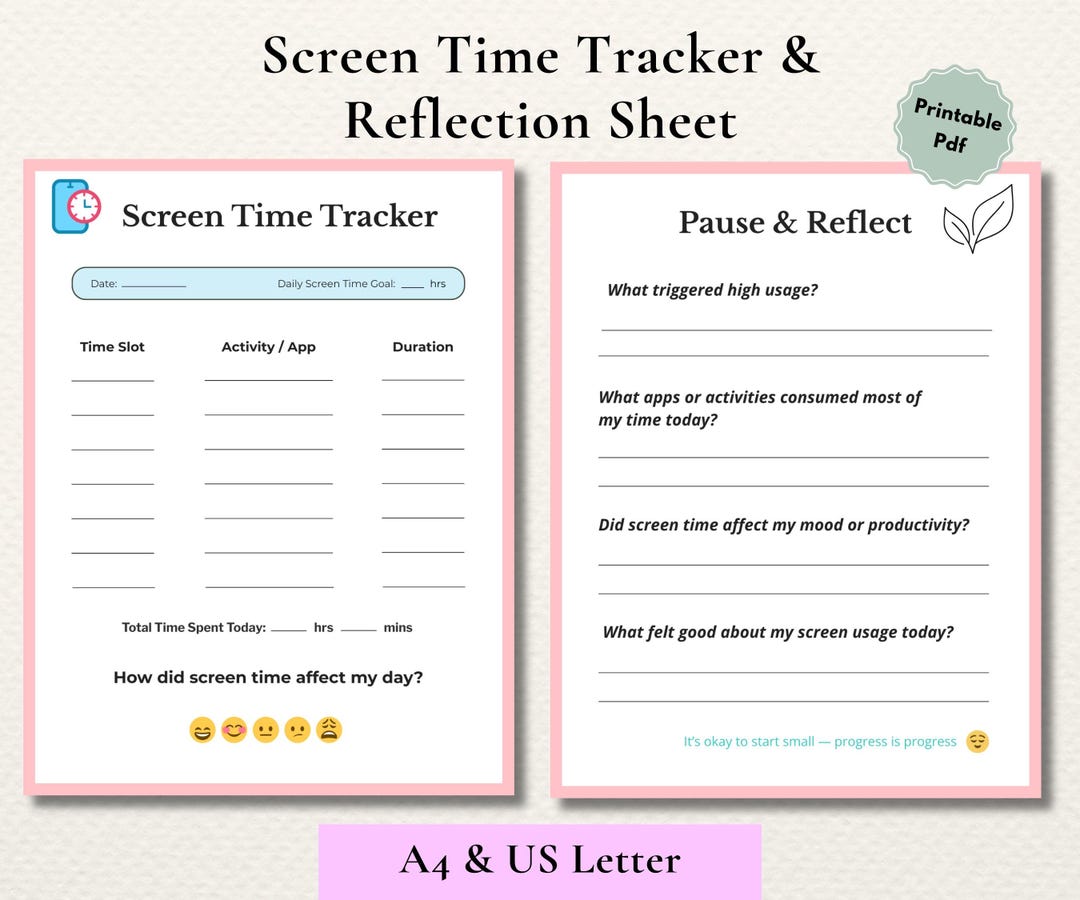
- Awareness of the benefits of balanced screen time and engaging in offline activities for overall well-being.
How to Use This Worksheet
Educators and parents can effectively integrate the “internet safety checklist for grade 4” into various learning environments. The worksheet typically features a mix of engaging activity types, such as simple true or false questions, fill-in-the-blank statements, scenario-based prompts, and opportunities for drawing or reflection. Its difficulty level is expertly calibrated for a grade 4 audience, with instructions that scaffold learning progressively, ensuring accessibility while still challenging young minds. The checklist can function as a standalone activity for a focused discussion on a particular safety topic. Alternatively, it can be seamlessly incorporated as a vital component of a broader digital citizenship lesson plan, reinforcing concepts taught through lectures or videos. Many find it beneficial as a homework assignment, allowing children to reflect on safety principles in a familiar home setting, often with parental guidance.
Practical Tips for Parents and Teachers
Maximizing the educational impact of the “internet safety checklist for grade 4” involves thoughtful preparation and facilitation.
- Review the checklist content beforehand to anticipate potential questions and prepare additional examples or anecdotes.
- Facilitate an open discussion during or after completion, encouraging children to share their thoughts and reasoning behind their answers.
- Connect each checklist item to real-life scenarios or hypothetical situations that children might encounter online, making the abstract concrete.
- Make the activity collaborative, allowing children to work in pairs or small groups to discuss answers, fostering peer learning and critical thinking.
- Extend the learning beyond the worksheet by creating a family internet safety agreement or role-playing different online scenarios to practice safe responses.
Age-Appropriate Recommendations
Leveraging the “internet safety checklist for grade 4” effectively requires an understanding of developmental stages. For children in Ages 6-8 (Grades 1-3), a highly guided approach is recommended. Vocabulary support will be crucial, with adults reading questions aloud and explaining terms. The activity pacing should be slower, focusing on one or two key concepts at a time, such as “ask a grown-up before clicking” or “never share your full name.” Parental or teacher involvement should be high, making it a shared discovery process. For Ages 9-10 (Grade 4), the checklist is optimally designed for direct engagement. Children at this stage can often complete sections independently, followed by guided discussions to deepen understanding. Encourage critical thinking about the ‘why’ behind each rule. For Ages 11-12 (Grades 5-6), the checklist can serve as a foundation for more nuanced conversations. While the core concepts remain relevant, discussions can extend to more complex topics like digital footprints, cyberbullying prevention, and evaluating online sources, using the checklist as a springboard for advanced digital citizenship discussions. The expert guidance from an educator suggests adapting the level of independence and discussion depth to the child’s readiness.
Frequently Asked Questions
Q: How does the “internet safety checklist for grade 4” align with school curricula?
A: This checklist directly supports established digital citizenship competencies and complements existing school internet safety lessons. It reinforces key concepts, helping students internalize and apply safety principles for sustained understanding in their daily online interactions.
Q: What is the best way to introduce this checklist to a child?
A: Begin with a positive discussion about the exciting opportunities the internet offers, framing the checklist as a helpful tool for making smart and safe choices online. Emphasize that learning about internet safety is a collaborative effort, not a test.
Q: Where can this free printable be downloaded?
A: The “internet safety checklist for grade 4” is available for instant, free download directly from the SafeWiredSchools.org website. It can typically be located on the dedicated resources page or within the accompanying article for easy access.
Explore More Free Printable Worksheets
A single resource, however effective, works best as part of a comprehensive learning routine. The “internet safety checklist for grade 4” represents just one component of a broader educational strategy for digital safety. Educators and parents are invited to explore a full collection of free printable internet safety worksheets, activity sheets, checklists, quizzes, and more at SafeWiredSchools.org Worksheets. These resources cover every internet safety topic imaginable and are expertly designed for every grade level and learning environment, ensuring a consistent and progressive approach to digital literacy.
Developmental Milestone & Activity Table
| Development Stage | Recommended Daily Duration | Primary Learning Objective |
|---|---|---|
| Preschool & Pre-K | 10 – 15 Minutes | Pencil grip development & basic pre-stroke lines |
| Kindergarten | 15 – 20 Minutes | Letter/number formation & spatial line awareness |
| Early Elementary (Grade 1–2) | 20 – 30 Minutes | Fluency, sentence construction & neatness |
Images References