Introduction
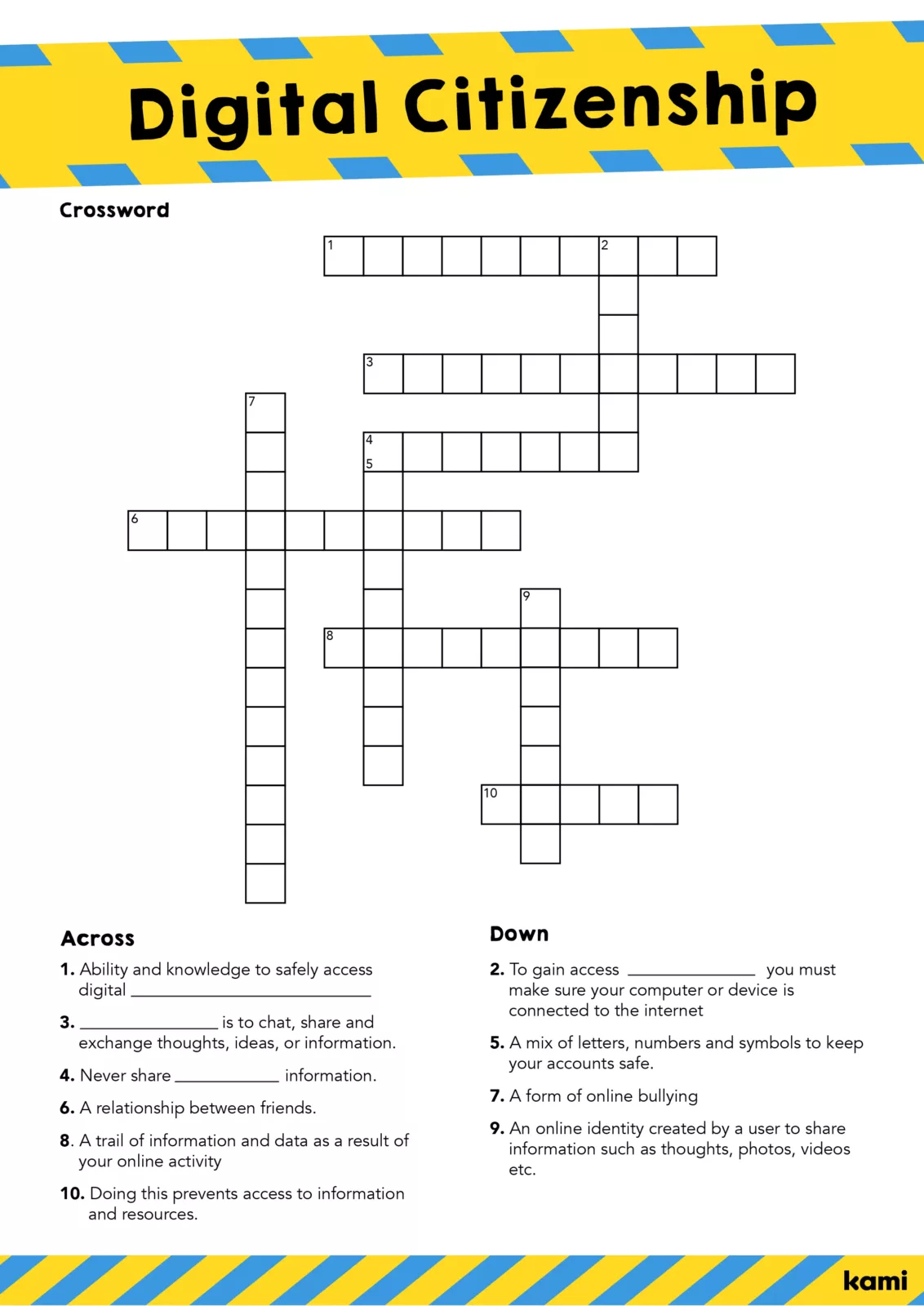
The digital landscape evolves constantly, necessitating robust educational tools to equip young learners with essential online safety knowledge. A “free digital citizenship worksheet for grade 4″ serves as a foundational resource, specifically designed for Elementary grades 15, with a precise focus on fourth-grade students. This printable material reinforces critical internet safety concepts through engaging, hands-on learning activities. Educators and parents consistently trust printable worksheets for their pedagogical value in building digital awareness and fostering responsible online behavior. Such resources provide a tangible, screen-free method for children to internalize complex ideas about navigating the internet safely and ethically. Their accessibility and ease of integration into existing curricula make them invaluable for any learning environment dedicated to preparing children for a connected world.
💡 Educational Key Takeaways:
- Core Skill: Structured Free Digital Citizenship Worksheet For Grade 4 focused on developing pencil grip, stroke control, and early literacy/math confidence.
- Target Scope: Suited for homeschoolers, preschool, kindergarten, and elementary learners.
- Best Recommendation: Practice 10–15 minutes daily with ergonomic writing tools to reinforce muscle memory without hand fatigue.
What This Worksheet Covers
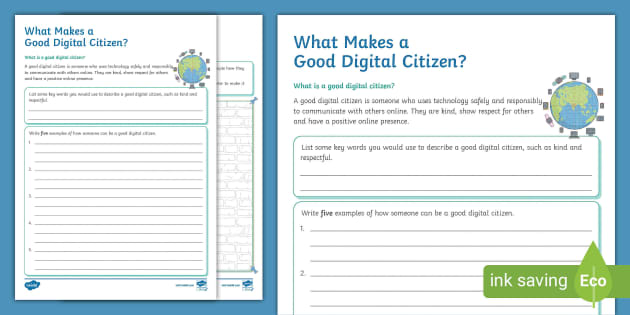
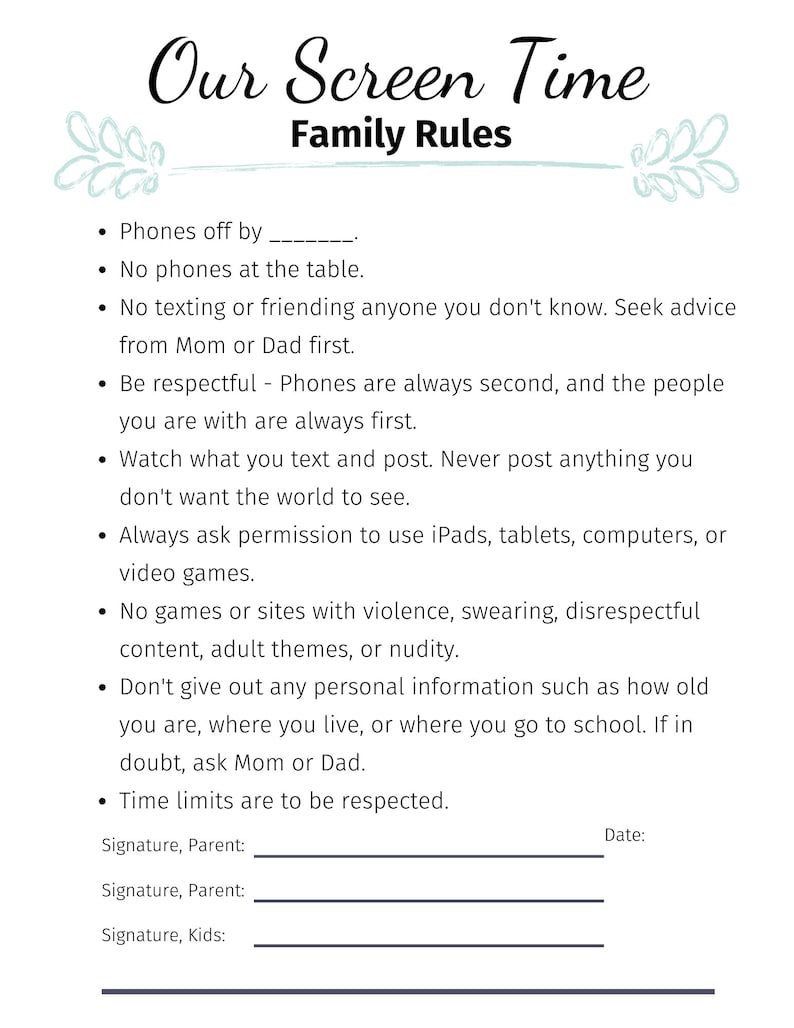
The “free digital citizenship worksheet for grade 4″ addresses fundamental internet safety topics tailored for the developmental stage of a nine or ten-year-old. Key concepts include understanding personal information boundaries, identifying trusted adults for online concerns, recognizing basic signs of online trickery, and practicing respectful communication. The worksheet introduces rules for safe online interactions, such as never sharing passwords and always asking for permission before downloading files. It explores scenarios that prompt critical thinking about online choices, helping students distinguish between safe and unsafe online situations. This content directly connects to recognized digital citizenship and child safety education standards, which emphasize privacy, security, and responsible digital engagement. The activities within the worksheet lay a groundwork for more advanced topics in subsequent grades, ensuring a progressive understanding of online responsibilities.
Key Learning Outcomes
Completing the “free digital citizenship worksheet for grade 4” enables students to achieve several vital learning outcomes, strengthening their digital literacy and safety practices. Browse more guides on Safe Wired Schools.
- Personal Information Identification: Students will accurately identify what constitutes personal information and understand why it should not be shared online.
- Safe Online Communication: Learners develop an awareness of appropriate and respectful communication norms when interacting with others digitally.
- Threat Recognition: Children gain the ability to recognize common online dangers, such as suspicious links or requests from strangers, and know when to seek adult help.
- Responsible Digital Choices: The worksheet fosters an understanding of how individual actions online impact oneself and others, encouraging ethical decision-making.
- Resource Utilization: Students learn to identify trusted adults and reliable resources for addressing online concerns or questions.
How to Use This Worksheet
Educators and parents can effectively utilize the “free digital citizenship worksheet for grade 4” as a versatile teaching aid. The worksheet typically incorporates various activity types, including fill-in-the-blank questions to test vocabulary, matching exercises for concepts and definitions, true or false statements to assess understanding of rules, and short-answer scenarios promoting reflection. Some versions may include drawing prompts for creative expression of safety rules or spaces for personal reflection on online experiences. The difficulty level is appropriate for fourth graders, with clear instructions that scaffold learning progressively, ensuring accessibility for diverse learners. This resource functions excellently as a standalone activity to introduce or review a specific topic. It also integrates seamlessly into a broader lesson plan on internet safety or serves as a valuable homework assignment to extend learning beyond the classroom or dedicated instruction time.
Practical Tips for Parents and Teachers
Maximizing the educational impact of the “free digital citizenship worksheet for grade 4” involves thoughtful preparation and engagement.
- Pre-Activity Discussion: Before starting the worksheet, initiate a brief discussion about the day’s digital safety topic to activate prior knowledge and set the context.
- Read Aloud Instructions: For younger learners or those needing support, read instructions aloud and clarify any unfamiliar vocabulary, ensuring all students understand the tasks.
- Interactive Facilitation: Encourage students to share their thoughts and answers as they progress through the worksheet, fostering a collaborative learning environment.
- Post-Completion Review: Dedicate time after completion for a group review of answers, allowing for correction of misconceptions and deeper exploration of key concepts.
- Extend Learning: Connect the worksheet content to real-world examples, personal experiences (where appropriate), or other digital safety resources to reinforce and expand understanding.
Age-Appropriate Recommendations
While the “free digital citizenship worksheet for grade 4” is explicitly designed for nine-to-ten-year-olds, its foundational principles resonate across various elementary age bands. For children aged 68 (grades 1-3), teachers or parents should provide significant vocabulary support and direct guidance for each activity. Activities may require more one-on-one assistance or small group facilitation, focusing on the most basic safety rules like “ask before you click.” The pacing for this younger group should be slower, allowing ample time for comprehension and discussion. For the target age of 910 (grade 4), students typically possess the reading comprehension and cognitive skills to complete much of the worksheet independently, though guided discussions remain crucial for deeper understanding. This age group benefits from scenario-based questions that encourage independent problem-solving and critical thinking. For students aged 1112 (grade 5), the worksheet can serve as an excellent review or a springboard for more nuanced discussions about digital footprints, cyberbullying prevention, and responsible content creation, requiring less direct instruction but benefiting from robust follow-up conversations.
Frequently Asked Questions
Q: What specific digital citizenship topics are covered in the Grade 4 worksheet? A: The worksheet covers essential topics such as identifying personal information, understanding safe online communication, recognizing online risks, and making responsible digital choices appropriate for nine-to-ten-year-olds.
Q: Is this worksheet truly free to download and print? A: Yes, the “free digital citizenship worksheet for grade 4” is completely free to download, print, and distribute for educational use in both home and school settings.
Q: How can I access and print the free digital citizenship worksheet for grade 4? A: The worksheet can be accessed and downloaded directly from the SafeWiredSchools.org website. Navigate to the worksheets section, locate the specific resource, and click the download link for an instant, printable PDF file.
Explore More Free Printable Worksheets
A single resource, however valuable, functions best as part of a comprehensive learning journey. This “free digital citizenship worksheet for grade 4” offers an excellent starting point, yet sustained digital safety education requires a broader array of tools. Educators and parents are encouraged to explore a full collection of free printable internet safety worksheets, activity sheets, checklists, quizzes, and more. These resources are available at SafeWiredSchools.org Worksheets, covering every vital internet safety topic and designed for every grade level and learning environment. Building a consistent routine of digital literacy learning ensures children develop into confident, responsible, and safe online citizens.
Developmental Milestone & Activity Table
| Development Stage | Recommended Daily Duration | Primary Learning Objective |
|---|---|---|
| Preschool & Pre-K | 10 – 15 Minutes | Pencil grip development & basic pre-stroke lines |
| Kindergarten | 15 – 20 Minutes | Letter/number formation & spatial line awareness |
| Early Elementary (Grade 1–2) | 20 – 30 Minutes | Fluency, sentence construction & neatness |
Images References