Introduction
The “screen time management checklist printable free” resource offers an essential tool for navigating the complexities of digital engagement across various age groups. This educational resource is primarily suited for Elementary grades (1-5) through Middle and High School (grades 6-12), with adaptable applications for younger learners when guided by adults. Its relevance lies in addressing the pervasive challenge of balancing online and offline activities, a critical component of comprehensive internet safety education. Printable worksheets, such as this checklist, are highly trusted by educators and parents alike for their tangible nature and effectiveness in reinforcing abstract concepts through hands-on learning. The physical act of engaging with a worksheet, marking boxes, or reflecting on prompts, aids in deeper cognitive processing and retention, fostering digital awareness and promoting responsible online behavior in a structured, accessible format.
💡 Educational Key Takeaways:
- Core Skill: Structured Screen Time Management Checklist Printable Free focused on developing pencil grip, stroke control, and early literacy/math confidence.
- Target Scope: Suited for homeschoolers, preschool, kindergarten, and elementary learners.
- Best Recommendation: Practice 10–15 minutes daily with ergonomic writing tools to reinforce muscle memory without hand fatigue.
What This Worksheet Covers
The “screen time management checklist printable free” specifically addresses the vital internet safety topic of digital wellness through intentional screen use. This resource covers fundamental concepts such as recognizing healthy screen habits, identifying potential signs of overuse, and establishing clear boundaries for digital device engagement. It introduces practical rules for integrating technology into daily life without compromising other essential activities like sleep, physical exercise, and in-person social interactions. The skills reinforced by this worksheet include self-assessment of current screen habits, goal setting for improved balance, and critical thinking about content consumption. The worksheet content directly connects to recognized digital citizenship and child safety education standards by promoting media literacy, encouraging responsible digital choices, and empowering individuals to take control of their digital well-being.
Key Learning Outcomes
By engaging with the “screen time management checklist printable free,” individuals develop several crucial skills and knowledge areas:. Browse more guides on Safe Wired Schools.
- Enhanced Self-Awareness: Learners gain a clearer understanding of their current screen usage patterns and how these habits impact their overall well-being.
- Goal Setting for Digital Balance: The checklist facilitates the creation of personal, achievable goals for healthier screen time management, promoting intentional use.
- Critical Evaluation of Content: Users are encouraged to reflect on the purpose and value of their digital interactions, fostering discerning content consumption.
- Improved Communication Skills: Engaging with the checklist often leads to discussions about digital boundaries with family members or peers, strengthening communication around technology.
- Development of Self-Regulation Strategies: The structured nature of the checklist helps in building habits of self-monitoring and adjusting screen time as needed.
How to Use This Worksheet
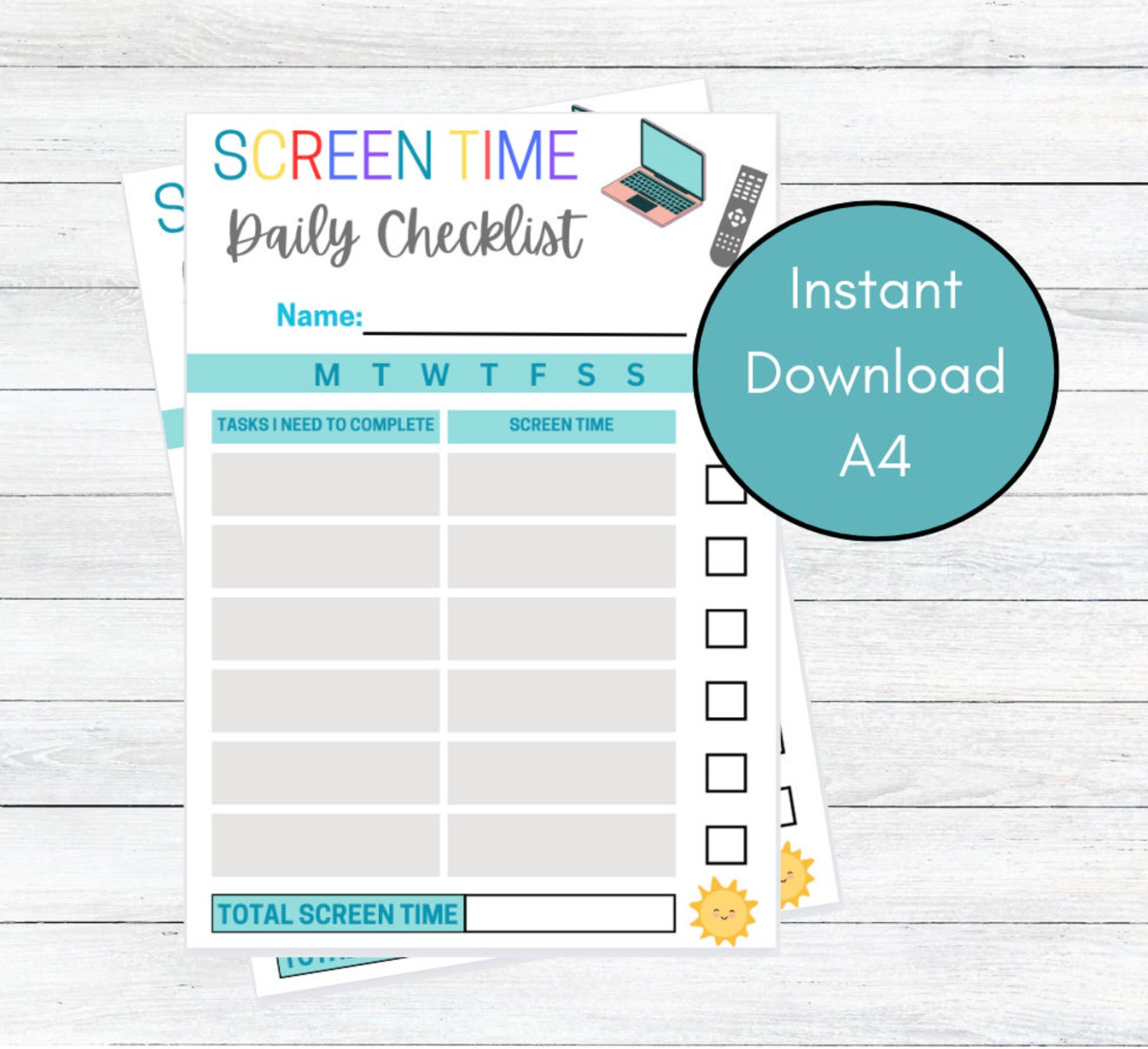
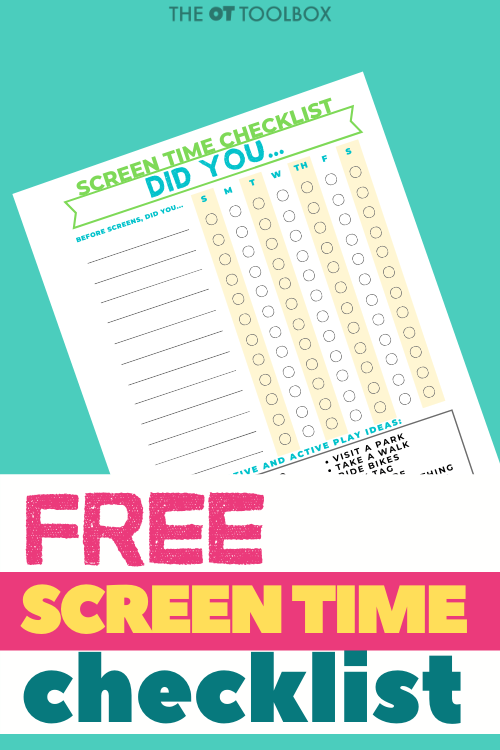
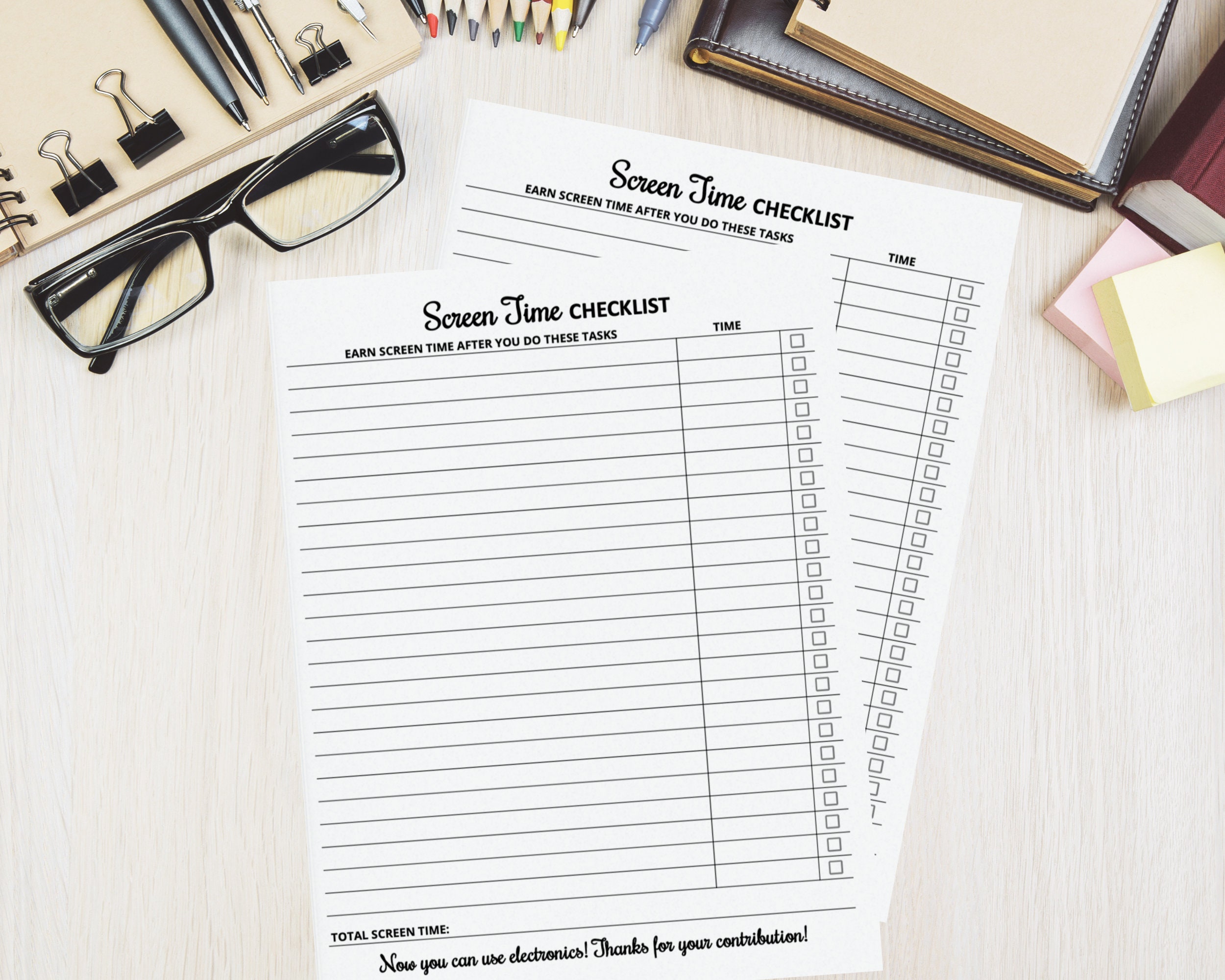
Educators and parents can effectively integrate the “screen time management checklist printable free” into various learning environments. The worksheet typically features a straightforward checklist format, prompting users to record daily screen activities, assess their feelings related to screen use, and set personal limits. Activity types may include simple tallying, reflective questions, and goal-setting prompts. The difficulty level is designed to be adaptable; younger learners might focus on basic tracking, while older students can delve into deeper self-reflection and consequence analysis. Instructions are typically clear and scaffold learning progressively, guiding users from awareness to action. This resource functions excellently as a standalone activity for individual reflection, can be incorporated as a key component of a broader digital citizenship lesson plan, or assigned as homework to encourage ongoing practice and family discussion.
Practical Tips for Parents and Teachers
Maximizing the benefits of the “screen time management checklist printable free” involves thoughtful implementation:
- Initiate a Dialogue: Before distributing the checklist, facilitate an open discussion about what healthy screen time looks like and why managing it is important.
- Co-create Rules: Encourage children and students to participate in setting their own screen time goals and rules, fostering a sense of ownership and accountability.
- Regular Review and Reflection: Schedule dedicated times to review completed checklists, discussing successes, challenges, and potential adjustments to their screen management strategies.
- Lead by Example: Demonstrate healthy screen habits as an adult, showing consistency between expectations and personal behavior.
- Extend Learning with a Family Media Plan: Use the insights gained from the checklist to develop a comprehensive family media plan, outlining shared values and rules for all household members.
Age-Appropriate Recommendations
The “screen time management checklist printable free” can be adapted to suit various developmental stages, requiring different levels of guidance and discussion.
For Ages 5-8 (Early Elementary), the approach should be highly visual and interactive. Focus on very simple concepts like “Did I play outside today?” or “Did I read a book?” Use stickers or simple checkmarks. Parental or teacher involvement is crucial; adults should guide the completion of the checklist, turning it into a collaborative activity and using it as a springboard for conversations about balancing activities. Vocabulary support should be explicit, explaining terms in child-friendly language. Activity pacing should be brief, focusing on one or two key habits at a time.
For Ages 9-12 (Upper Elementary/Early Middle School), learners can engage more independently, though adult support remains valuable. The checklist can include more detailed tracking of different types of screen use (e.g., educational vs. entertainment) and introduce simple reflection questions like “How did I feel after spending time online?” Encourage them to set their own realistic goals. Discussions can explore the positive and negative impacts of screen time and strategies for making intentional choices. Vocabulary can expand to include terms like “digital footprint” or “media literacy.”
For Ages 13-18 (Middle/High School), the checklist becomes a tool for self-assessment and critical reflection on digital well-being. This age group can analyze their habits with greater autonomy, focusing on the quality of screen time, the impact on sleep and academics, and the role of social media. The checklist can prompt them to consider long-term habit formation and the influence of peer behavior. Discussions can delve into digital citizenship, online reputation, and advanced strategies for maintaining a healthy digital-life balance, with the checklist serving as a personal accountability document.
Frequently Asked Questions
Q: What is the primary purpose of the “screen time management checklist printable free”?
A: The checklist helps individuals, particularly young learners, track their daily screen usage and reflect on their digital habits. Its main goal is to promote a healthier balance between online and offline activities, fostering digital wellness.
Q: How does this resource help foster healthy digital habits?
A: By providing a structured framework for self-assessment and goal setting, the checklist empowers users to make conscious choices about their screen time. It encourages reflection on how digital engagement impacts overall well-being, leading to more intentional and balanced habits.
Q: How can the “screen time management checklist printable free” be accessed?
A: This valuable educational resource is available for free download directly from the SafeWiredSchools.org website. Simply navigate to the resources section or search for the checklist to print it for immediate use in homes or classrooms.
Explore More Free Printable Worksheets
A single resource, while valuable, works most effectively when integrated into a consistent digital safety learning routine. The “screen time management checklist printable free” serves as an excellent starting point for cultivating mindful digital habits, but comprehensive digital literacy requires ongoing engagement with various topics. Educators and parents are encouraged to explore a full collection of free printable internet safety worksheets, activity sheets, checklists, quizzes, and more. These resources are available at SafeWiredSchools.org Worksheets, covering every essential internet safety topic and meticulously designed for every grade level and learning environment, ensuring a robust and continuous educational experience.
Developmental Milestone & Activity Table
| Development Stage | Recommended Daily Duration | Primary Learning Objective |
|---|---|---|
| Preschool & Pre-K | 10 – 15 Minutes | Pencil grip development & basic pre-stroke lines |
| Kindergarten | 15 – 20 Minutes | Letter/number formation & spatial line awareness |
| Early Elementary (Grade 1–2) | 20 – 30 Minutes | Fluency, sentence construction & neatness |
Images References