Introduction
The “cyberbullying worksheet for grade 7″ serves as a vital educational tool for reinforcing internet safety concepts through engaging, hands-on learning. This printable resource targets middle school learners, specifically those in grades 6-12, addressing a critical aspect of online interaction. Printable worksheets are trusted instruments for educators and parents, providing a structured approach to building digital awareness and fostering responsible online behavior. Their tangible nature allows for focused engagement, encouraging learners to process information actively rather than passively consuming it. The act of completing a worksheet can solidify understanding, promote critical thinking, and provide a measurable record of learning. Furthermore, these resources offer a consistent method for introducing complex topics in an accessible format, ensuring that fundamental digital safety principles are not only taught but also internalized. This particular worksheet offers a robust framework for discussing and understanding the nuances of cyberbullying, a prevalent challenge in the digital lives of young adolescents.
💡 Educational Key Takeaways:
- Core Skill: Structured Cyberbullying Worksheet For Grade 7 focused on developing pencil grip, stroke control, and early literacy/math confidence.
- Target Scope: Suited for homeschoolers, preschool, kindergarten, and elementary learners.
- Best Recommendation: Practice 10–15 minutes daily with ergonomic writing tools to reinforce muscle memory without hand fatigue.
What This Worksheet Covers
This resource, the “cyberbullying worksheet for grade 7,” specifically addresses the pervasive issue of online harassment. The worksheet delves into a comprehensive range of concepts pertinent to cyberbullying, including its various forms, the emotional and psychological impact on victims, and the roles individuals play as perpetrators, targets, or bystanders. Content includes definitions of key terms, exploration of different types of cyberbullying (e.g., exclusion, impersonation, harassment, denigration), and the legal and ethical implications of such actions. Practical scenarios are presented, prompting learners to consider appropriate responses and understand the importance of digital empathy. The worksheet also introduces strategies for reporting cyberbullying incidents and seeking support. This content directly connects to recognized digital citizenship and child safety education standards, which emphasize respectful communication, online responsibility, and the cultivation of a positive digital footprint for young individuals.
Key Learning Outcomes
By completing the “cyberbullying worksheet for grade 7,” learners will develop several crucial skills and knowledge areas:
- Identify Cyberbullying Behaviors: Students will gain the ability to recognize various forms of cyberbullying and differentiate them from general online disagreements.
- Understand Impact and Consequences: The worksheet helps learners comprehend the severe emotional, social, and academic repercussions of cyberbullying for all involved parties.
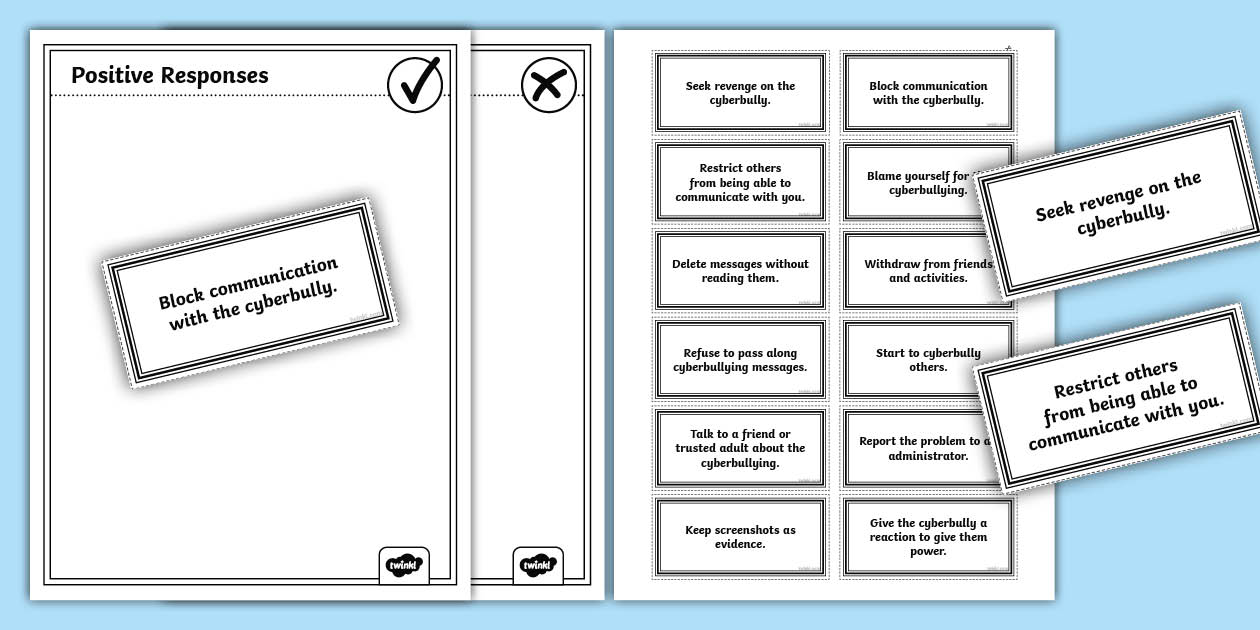
- Formulate Response Strategies: Students will learn practical steps for responding to cyberbullying, including how to document incidents, block aggressors, and seek help from trusted adults.
- Cultivate Digital Empathy: The resource encourages reflection on the feelings of others online, fostering a sense of responsibility and kindness in digital interactions.
- Promote Bystander Intervention: Learners will understand their role as active bystanders, recognizing the importance of speaking up or seeking help when witnessing cyberbullying.
How to Use This Worksheet
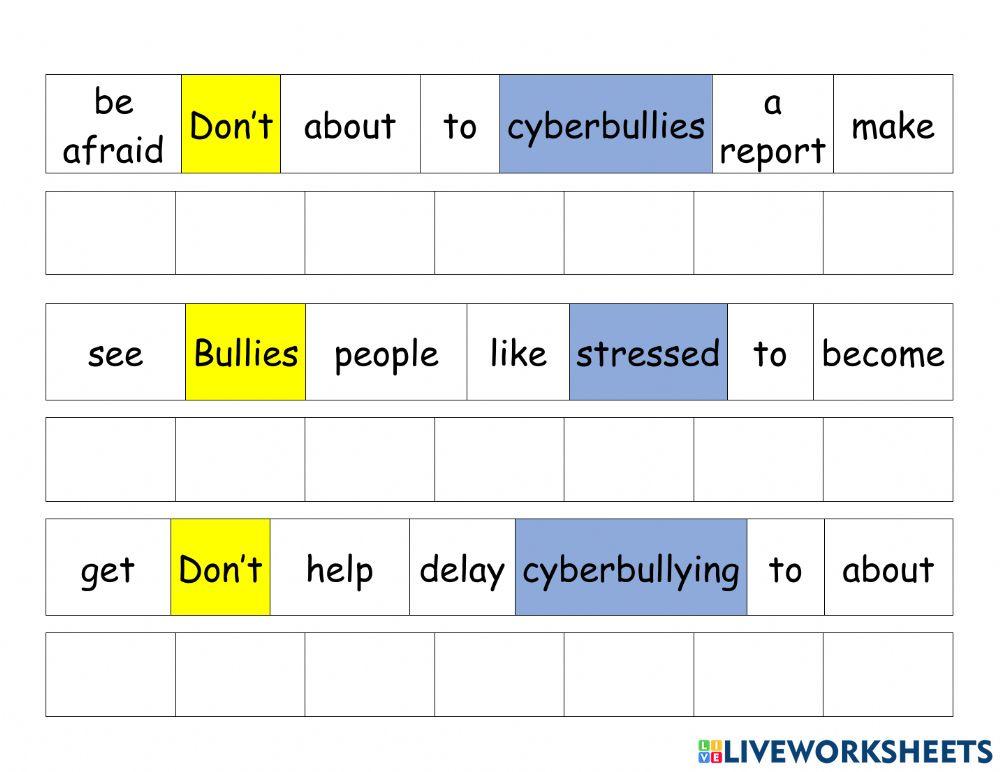
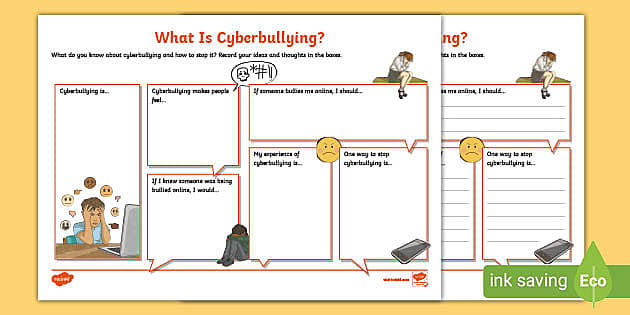
The “cyberbullying worksheet for grade 7” offers versatile application for both educational and home environments. Its format typically includes a mix of activity types designed to engage learners with varied preferences. These may range from fill-in-the-blank questions testing vocabulary, matching exercises linking terms to definitions, and true/false statements assessing factual understanding. Critical thinking is often stimulated through scenario-based questions that require learners to analyze situations and propose appropriate actions. Reflection prompts encourage personal connection to the material, fostering deeper understanding and empathy. Instructions are clearly presented, scaffolding learning progressively from foundational definitions to more complex problem-solving. This worksheet functions effectively as a standalone activity to introduce or review cyberbullying concepts. It can also be seamlessly integrated into a broader digital citizenship lesson plan, serving as a discussion starter or a consolidation activity. Furthermore, its printable nature makes it an ideal homework assignment, extending learning beyond the classroom and encouraging family discussions about online safety. Browse more guides on Safe Wired Schools.
Practical Tips for Parents and Teachers
- Prepare the Environment: Before starting, establish a safe and open space for discussion. Review the worksheet content to anticipate potential questions and ensure readiness to guide conversations thoughtfully.
- Facilitate Open Dialogue: Encourage learners to share their thoughts and experiences without judgment. Frame the activity as an opportunity for learning and growth, not as a test of knowledge.
- Discuss Answers Thoroughly: After completion, review the worksheet together. Focus on the reasoning behind answers, especially for scenario-based questions, to reinforce understanding of ethical decision-making.
- Extend Learning with Role-Playing: Use the scenarios from the worksheet as starting points for role-playing exercises. This allows learners to practice response strategies in a safe, simulated environment.
- Create a Digital Safety Pledge: Collaboratively develop a class or family pledge based on the principles learned from the worksheet. Displaying this pledge can serve as a constant reminder of responsible online behavior.
Age-Appropriate Recommendations
The “cyberbullying worksheet for grade 7” is specifically designed for adolescents typically aged 12-13 years, falling within the 11-18 age band. For this demographic, a facilitated discussion approach yields optimal results. Learners at this stage benefit from independent engagement with the material, followed by guided group discussions where they can articulate their perspectives and learn from peers. Vocabulary support may be necessary for specific legal or technical terms, but generally, the language is crafted to be accessible to this age group. Activity pacing should allow ample time for thoughtful reflection on scenarios, as adolescents often appreciate the opportunity to delve deeper into complex ethical dilemmas. The level of parental or teacher involvement should balance guidance with autonomy. Adults should be present to answer questions, clarify concepts, and steer discussions, but also empower learners to form their own conclusions and develop their own coping mechanisms. This balanced involvement ensures the material resonates with their developing sense of independence while providing necessary support for navigating challenging topics.
Frequently Asked Questions
Q: What is the primary age group targeted by the “cyberbullying worksheet for grade 7”?
A: This worksheet is specifically designed for students in Grade 7, typically adolescents aged 12-13 years old. Its content and complexity are tailored to their developmental stage and online experiences.
Q: How can one access this free printable cyberbullying worksheet?
A: The “cyberbullying worksheet for grade 7” is available for free download on the SafeWiredSchools.org website. Navigate to the worksheets section to locate and print the resource instantly.
Q: Does this worksheet align with existing educational standards for digital citizenship?
A: Yes, the content of this worksheet is carefully crafted to support and reinforce key principles of digital citizenship and online safety education standards. It addresses critical areas such as respectful communication and responsible online behavior.
Explore More Free Printable Worksheets
A single worksheet, while valuable, functions most effectively as part of a consistent digital safety learning routine. The “cyberbullying worksheet for grade 7” introduces a vital topic, yet comprehensive online safety education requires continuous reinforcement across multiple subjects. Educators and parents are encouraged to explore a full collection of free printable internet safety worksheets, activity sheets, checklists, and quizzes available on the platform. These diverse resources cover every essential internet safety topic, from privacy and digital footprint to media literacy and online stranger danger. Each resource is thoughtfully designed for various grade levels and learning environments, ensuring that relevant, age-appropriate material is always accessible. Building a robust foundation in digital literacy necessitates a varied and ongoing educational approach, making a comprehensive library of trusted resources indispensable.
Developmental Milestone & Activity Table
| Development Stage | Recommended Daily Duration | Primary Learning Objective |
|---|---|---|
| Preschool & Pre-K | 10 – 15 Minutes | Pencil grip development & basic pre-stroke lines |
| Kindergarten | 15 – 20 Minutes | Letter/number formation & spatial line awareness |
| Early Elementary (Grade 1–2) | 20 – 30 Minutes | Fluency, sentence construction & neatness |
Images References