Introduction
Stepping into leadership roles within a primary school community provides eleven-year-old learners with a profound sense of purpose. When children apply for positions of responsibility, such as guiding younger peers through digital spaces, articulating personal values becomes essential. This free printable write a paragraph on the importance of internet safety for an application for year 6 digital ambassador job offers a structured pathway for students to demonstrate leadership potential. Classrooms and living rooms often buzz with device activity, making structured reflection a vital bridge between casual screen time and intentional citizenship. Children frequently encounter online risks in everyday environments, such as unmonitored in-game chat features on shared household consoles or quick-paced video platform comment sections. Educators and parents continuously seek practical tools that transform abstract digital rules into concrete leadership qualities. Fostering confidence around technology requires steady habit-building rather than fear-based warnings. Here’s what makes this resource different: it anchors safety principles directly into a meaningful student application process, elevating safety from a list of household restrictions to a badge of peer leadership. Related guide: Teachers Of Grades 9–12 Should Expand Internet Safety Instruction To Include Which Of The Following Topics?.
💡 Educational Key Takeaways:
- Core Skill: Structured Write A Paragraph On The Importance Of Internet Safety For An Application For Year 6 Digital Ambassador Job focused on developing pencil grip, stroke control, and early literacy/math confidence.
- Target Scope: Suited for homeschoolers, preschool, kindergarten, and elementary learners.
- Best Recommendation: Practice 10–15 minutes daily with ergonomic writing tools to reinforce muscle memory without hand fatigue.
What This Printable Covers
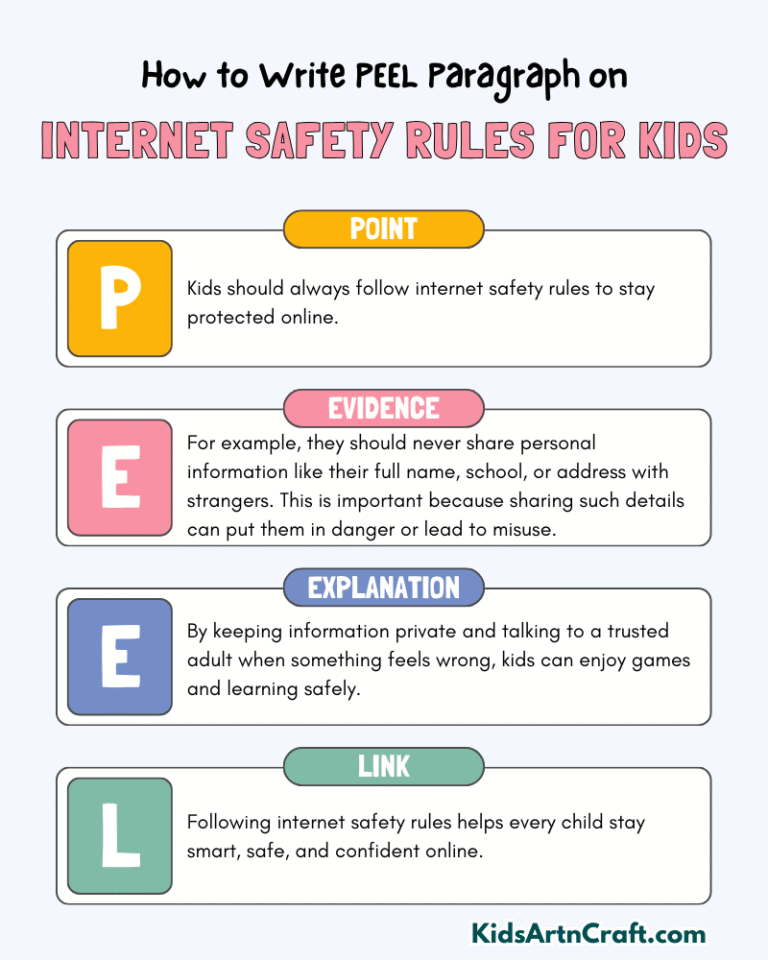
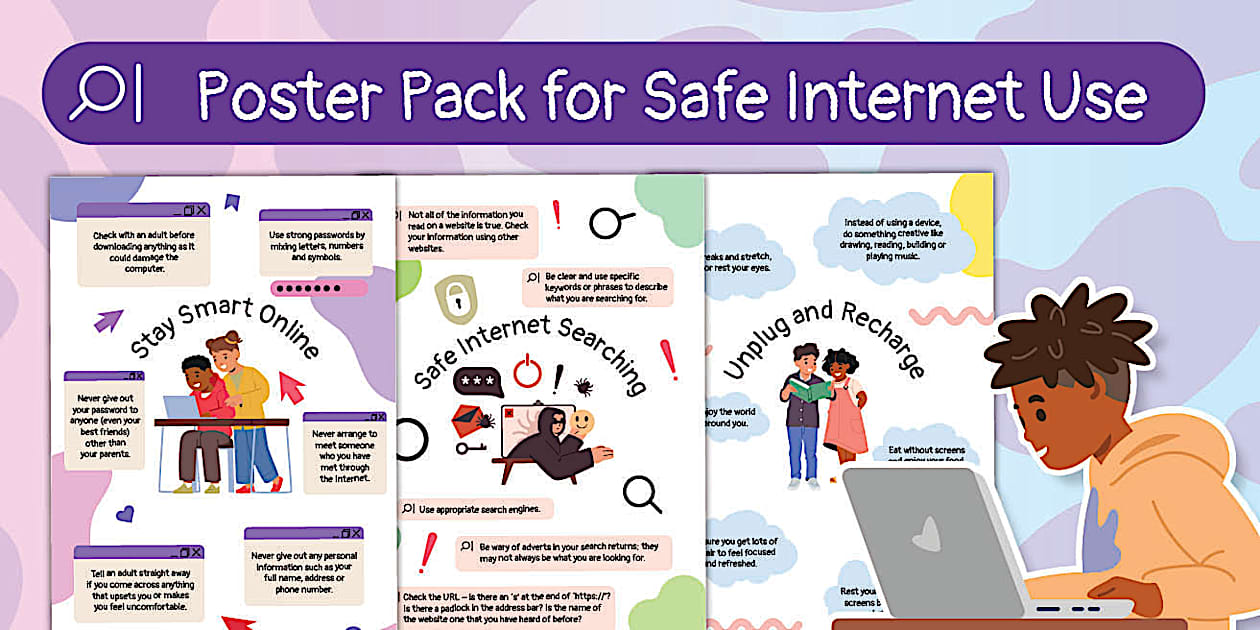
The structured activity sheet guides upper elementary students through drafting a persuasive paragraph explaining why digital wellness matters. Applicants must articulate core protective habits, including safeguarding personal information, selecting strong passwords, and pausing to think before sharing content. It sounds simple, and that’s the point. Clear writing mirrors clear thinking. When candidates outline these concepts on paper, they solidify their own understanding of online boundaries. Furthermore, the activity reinforces the golden rule of digital resilience: children are never in trouble for reporting something uncomfortable or confusing to a trusted adult. According to the Pew Research Center, a substantial majority of teenagers and pre-teens navigate digital platforms daily, highlighting the urgent need for student-led advocacy within school environments. The printable prompts applicants to reflect on how their personal choices influence school culture, encouraging a supportive environment where seeking help is viewed as a strength rather than a failure.
Key Learning Outcomes
Completing the application paragraph develops multiple foundational competencies simultaneously. Students sharpen persuasive writing skills while exploring the mechanics of digital citizenship outlined in various Internet and Digital Safety modules. Critical thinking deepens as applicants move beyond generic statements to explain the real-world impact of respectful online behavior. Empathy naturally emerges when writers consider how their future roles will support vulnerable younger students who might feel overwhelmed by digital pressures. Additionally, the exercise promotes accountability, reminding candidates that leadership begins with personal responsibility. Children learn to identify reliable support systems, ensuring they know exactly who to turn to when unexpected situations arise during device use.
How to Use This Printable
Integrating this resource into daily routines requires minimal preparation. Teachers can easily slide the sheet into language arts blocks as a persuasive writing prompt, while school counselors might utilize the document during small-group leadership workshops. Parents homeschooling upper elementary children can pair the writing task with a family conversation about household device expectations. It functions brilliantly as a preliminary screening tool for school leadership councils, helping educators identify candidates who genuinely grasp the gravity of digital mentorship. Exploring additional Worksheets on the platform can further expand a child’s vocabulary regarding online boundaries and community standards.
Practical Tips for Parents and Teachers
Guiding children through this writing task works best when adults foster a collaborative rather than evaluative atmosphere. Begin by brainstorming real-life scenarios together, discussing how video game lobbies or shared family tablets require cooperative rule-following. Encourage applicants to draft their thoughts in pencil, allowing room for revision as they refine their persuasive arguments. Pose open-ended questions like, “How would you explain password privacy to a younger student?” to deepen their reflections. Praise specific examples of protective habits over generic statements, helping the child craft a truly authentic submission that reflects their unique voice.
Age-Appropriate Recommendations
Year six students possess the cognitive maturity to evaluate abstract digital concepts, making this leadership application perfectly timed for their developmental stage. Grounded in the Common Sense Education Digital Citizenship Curriculum framework, the activity aligns seamlessly with upper elementary milestones regarding media balance and privacy management. Educators should emphasize that digital leadership is an ongoing journey of learning, not a destination of perfection. Adults must maintain an approachable demeanor, reassuring young writers that reporting uncomfortable online encounters is a courageous leadership act. This supportive framework transforms a standard writing assignment into an empowering exercise in self-advocacy and community care.
According to Common Sense Media, children as young as eight increasingly utilize independent messaging features and video sharing apps, making early peer leadership and open dialogue essential for safe navigation. — Common Sense Media
Frequently Asked Questions
Clear guidance ensures caregivers and educators maximize the potential of every educational tool. Below are answers to common inquiries regarding implementation.
Explore More Free Kids Online Safety Printables
Expanding a child’s digital literacy toolkit requires a diverse selection of engaging materials. Beyond application prompts, classrooms benefit greatly from integrating Coloring Pages to introduce younger siblings to foundational tech rules through art. Pairing creative exercises with structured Online and Digital Safety lessons ensures a comprehensive approach to modern citizenship across all developmental stages.
Developmental Milestone & Activity Table
| Development Stage | Recommended Daily Duration | Primary Learning Objective |
|---|---|---|
| Preschool & Pre-K | 10 – 15 Minutes | Pencil grip development & basic pre-stroke lines |
| Kindergarten | 15 – 20 Minutes | Letter/number formation & spatial line awareness |
| Early Elementary (Grade 1–2) | 20 – 30 Minutes | Fluency, sentence construction & neatness |
Images References