Introduction
Navigating the digital landscape alongside developing minds requires more than filtering software and strict time limits. Children routinely encounter online environments through shared family tablets, in-game chat features during multiplayer sessions, and short-form video platforms where boundaries blur quickly. Building resilience in these spaces starts with proactive habits rather than fearful restrictions. By reframing digital safety as a core life skill akin to looking both ways before crossing the street, educators and families can transform screen time into an opportunity for growth. Introducing structured dialogue about privacy helps learners understand that keeping personal details secure is the foundation of every healthy relationship, both offline and online. It sounds simple, and that’s the point. Clear, manageable concepts stick best when paired with thoughtful reflection exercises that invite children to think critically about their own digital footprints. Related guide: Teachers Of Grades 9–12 Should Expand Internet Safety Instruction To Include Which Of The Following Topics?.
💡 Educational Key Takeaways:
- Core Skill: Structured What Positive Role Does Maintaining Online Privacy Play In Creating Safe Communication And Support Networks For Teenagers focused on developing pencil grip, stroke control, and early literacy/math confidence.
- Target Scope: Suited for homeschoolers, preschool, kindergarten, and elementary learners.
- Best Recommendation: Practice 10–15 minutes daily with ergonomic writing tools to reinforce muscle memory without hand fatigue.
What This Printable Covers
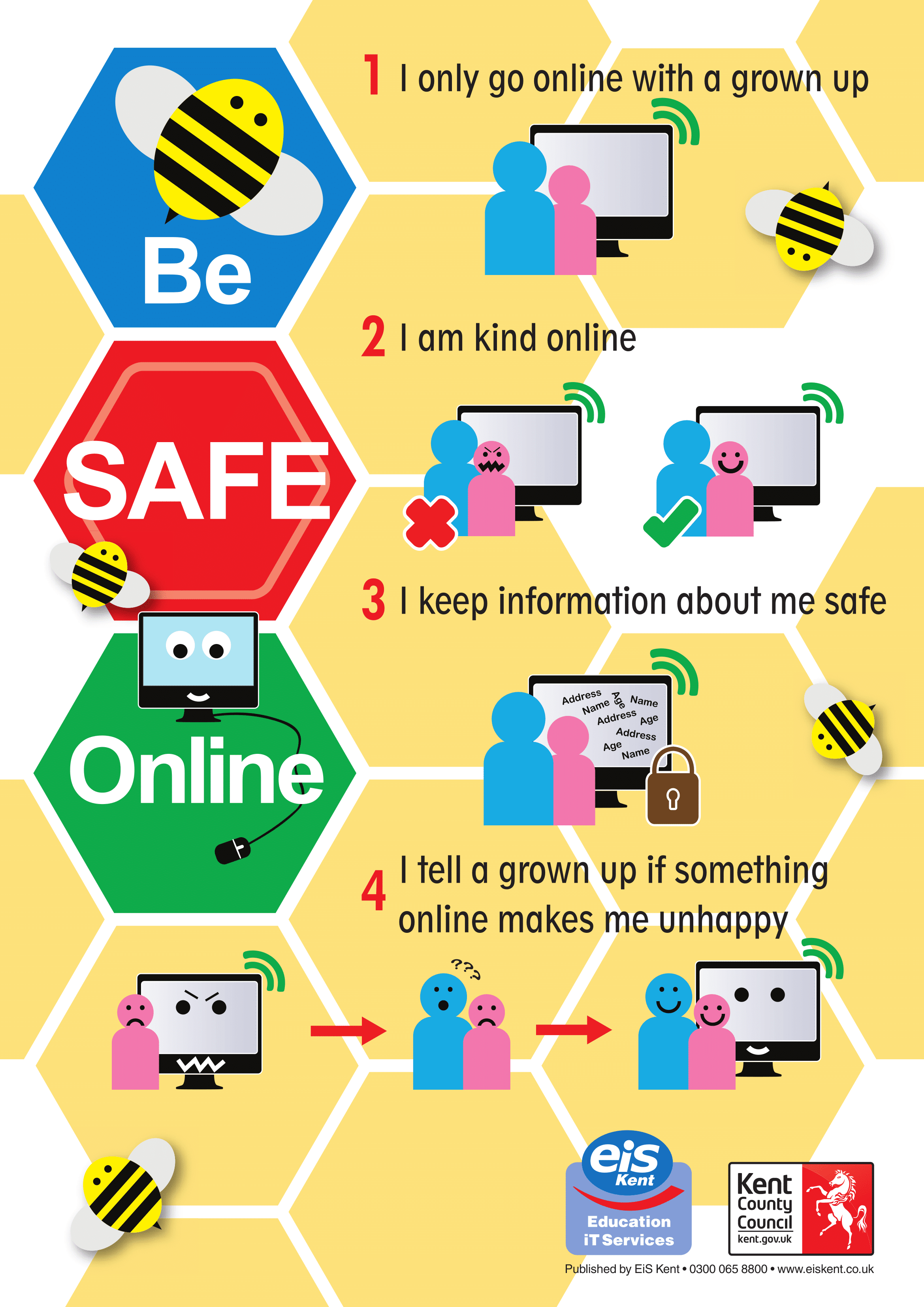
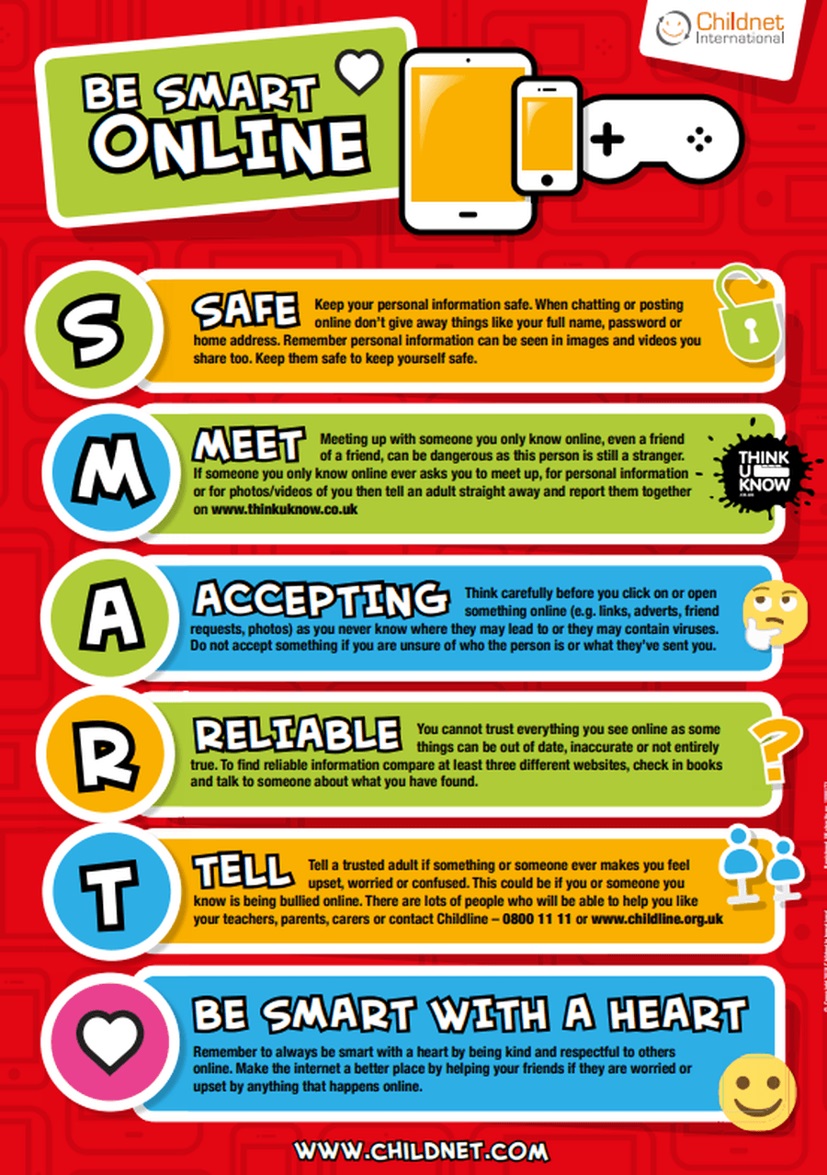
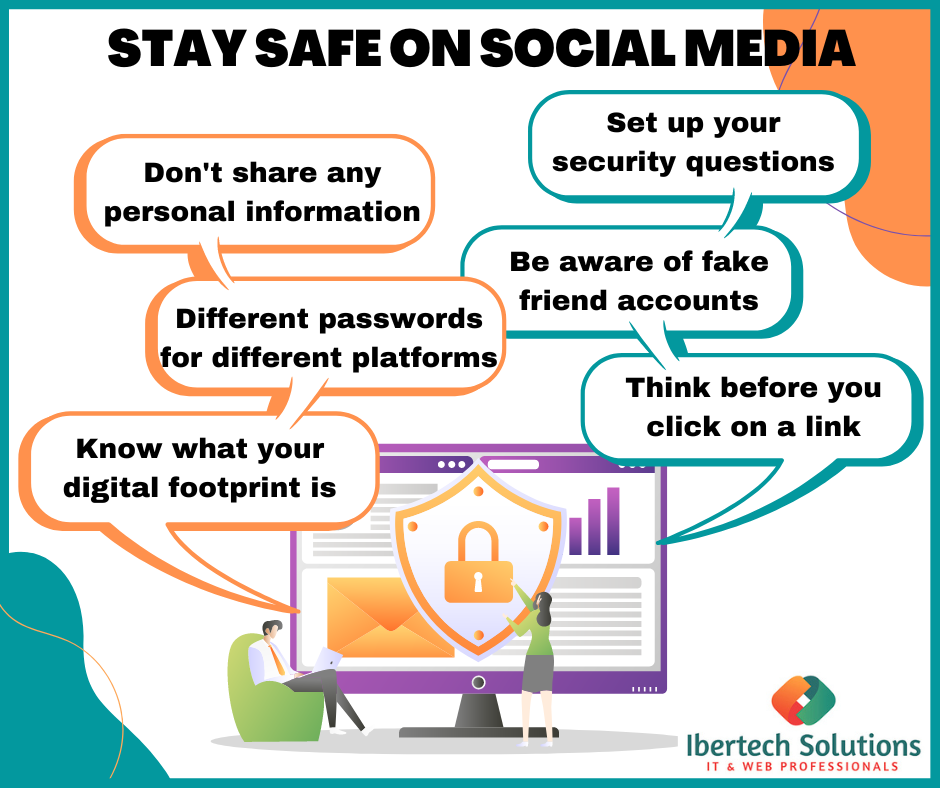
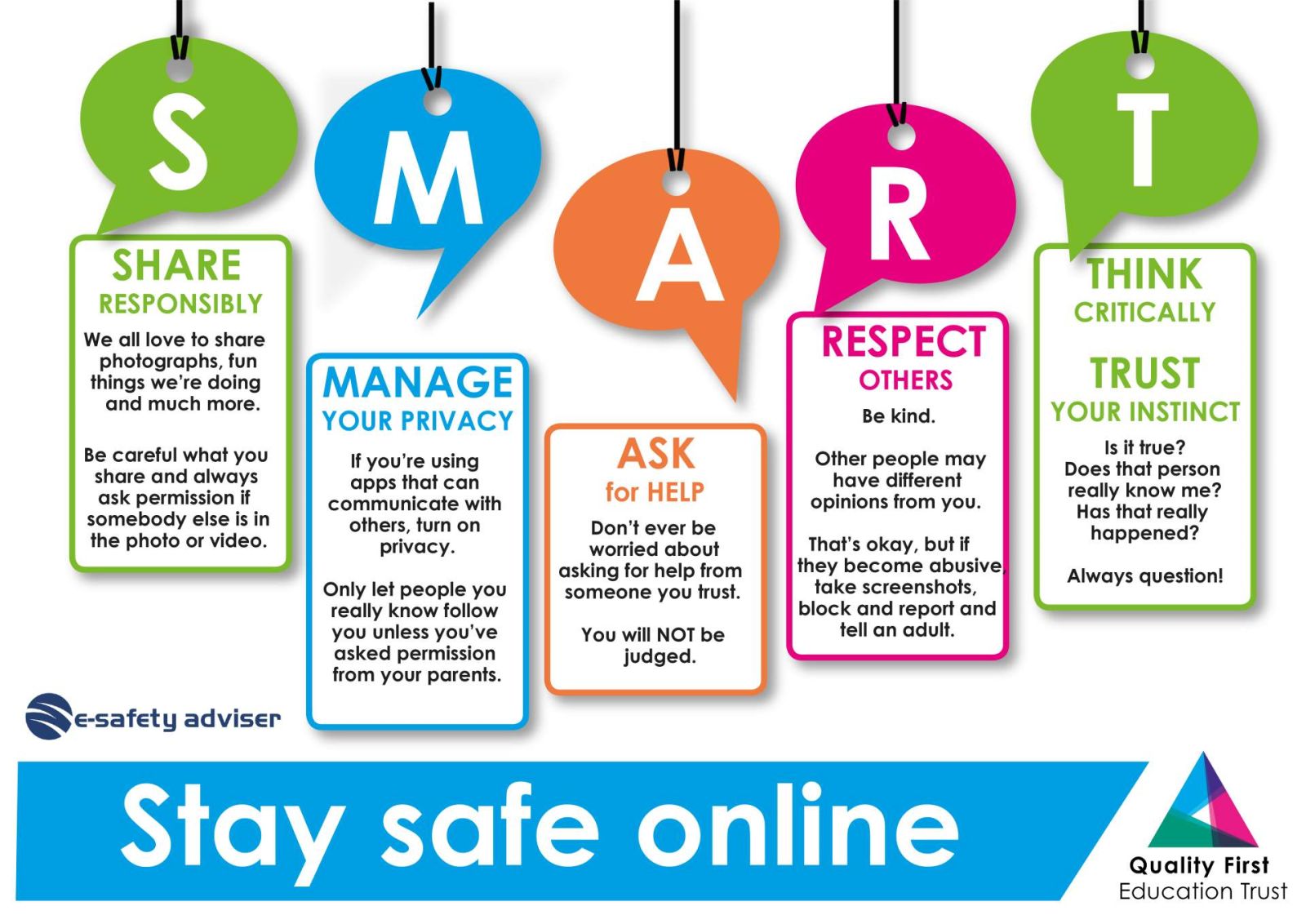
The free printable focuses squarely on the mechanisms of privacy and how withholding identifying information protects communication channels. Exploring concepts like strong passwords, restricted personal details, and thoughtful sharing habits gives youth a vocabulary to navigate digital interactions with confidence. According to the Pew Research Center, a substantial majority of teenagers navigate complex social platforms daily, making foundational lessons on boundary-setting essential for daily well-being. Here’s what makes this resource different: rather than listing restrictive commands, the activity sheet unpacks the positive role that privacy plays in forming safe support networks. Learners examine scenarios where holding back a home address or school name allows friendships to flourish in a secure, pressure-free environment. Ultimately, the material reinforces the comforting truth that children are never in trouble for reporting something uncomfortable to a trusted adult.
Key Learning Outcomes
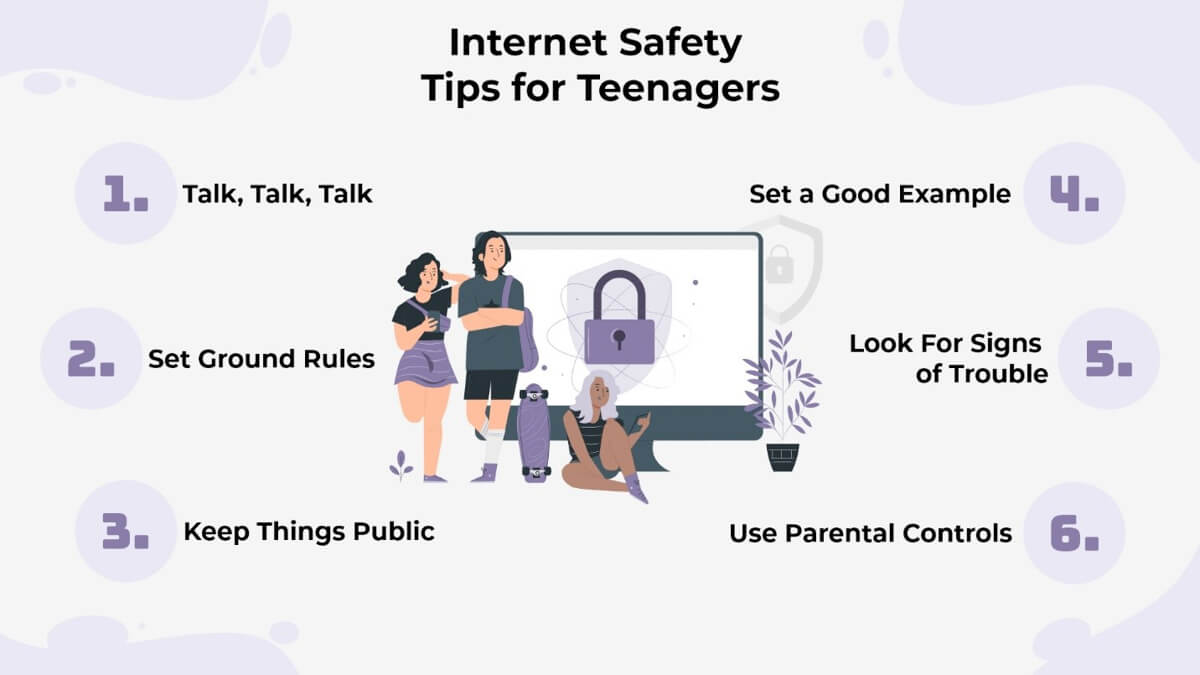
Working through these exercises strengthens critical thinking around digital citizenship and interpersonal communication. Participants learn to distinguish between public sharing and private connection, recognizing that true peer support thrives when personal boundaries remain intact. Educators notice that children exposed to these guided conversations develop a deeper understanding of consent and emotional safety in virtual spaces. Furthermore, the resource highlights the importance of keeping passwords secure and thinking twice before clicking send on a message or image. These micro-habits accumulate over time, creating an intrinsic defense system against common online missteps. Exploring these dynamics through targeted educational worksheets helps cement abstract concepts into concrete, everyday practices.
How to Use This Printable
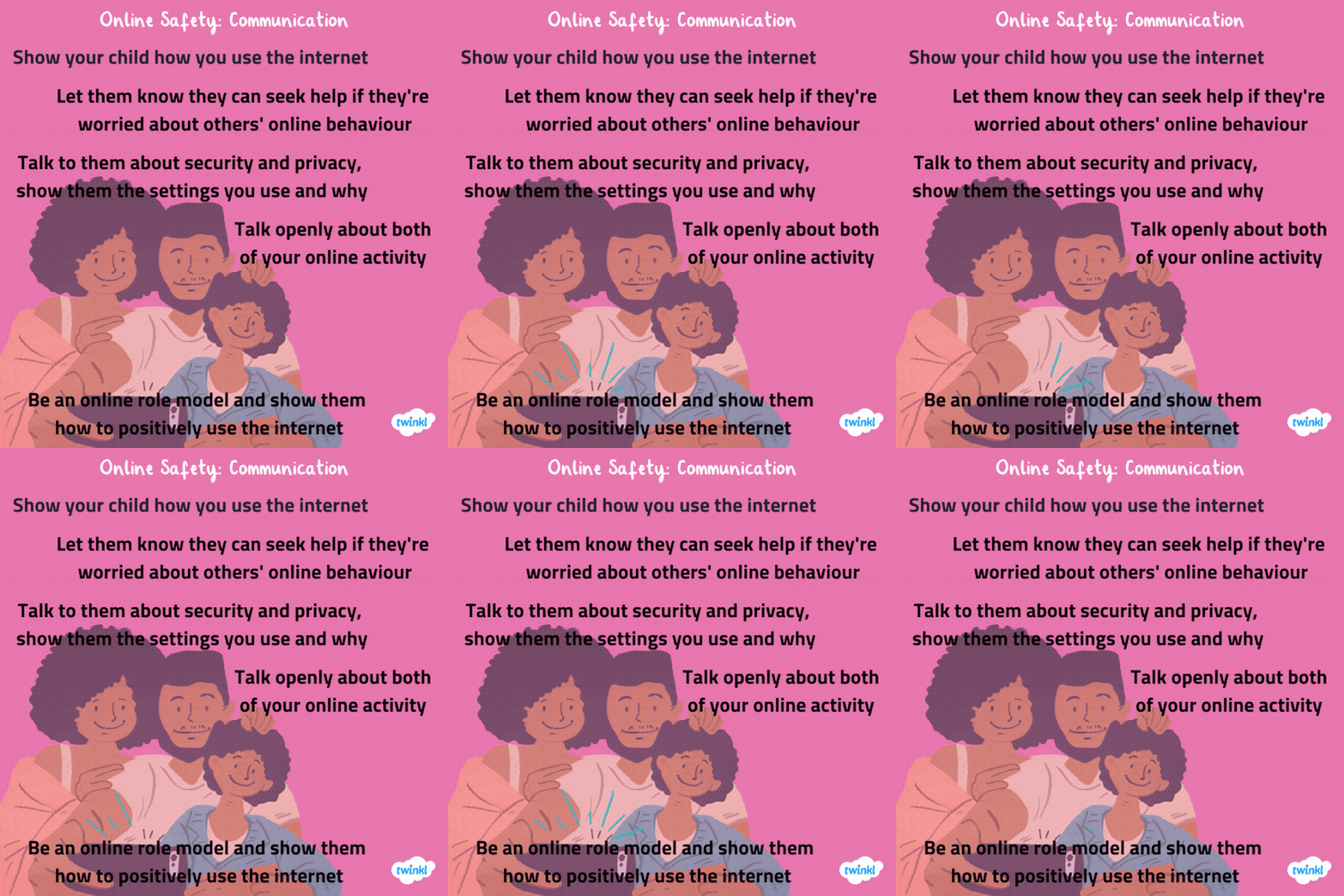
Integrating this resource into a daily routine requires minimal preparation and yields maximum engagement. Classrooms can use the material during morning meetings or technology lab sessions to spark collaborative problem-solving. Homeschoolers and parents find success printing a copy to review at the kitchen table, using the prompts as a casual bridge into family media agreements. Reading through the scenarios aloud allows children to voice their perspectives on what constitutes safe communication in chat rooms and multiplayer games. Adults should guide the conversation gently, validating children’s natural desire to connect while emphasizing the protective power of anonymity in public spaces. Keeping the tone calm and empowering ensures that learners feel curious rather than defensive about their online habits.
Practical Tips for Parents and Teachers
Maximizing the impact of any educational handout involves turning passive reading into active dialogue. Start by exploring the internet and digital safety hub for background reading before introducing the activity to a group. Ask open-ended questions like what makes a digital space feel friendly versus overwhelming, letting the children lead the discovery process. Avoid lecturing or demanding immediate pledges; instead, treat the exercise as a joint exploration of modern communication norms. Displaying completed reflections on a classroom bulletin board or family refrigerator normalizes talking about online boundaries openly. Consistency matters far more than perfection, so revisit these core themes whenever new devices or apps enter the home or classroom.
Age-Appropriate Recommendations
Tailoring digital citizenship instruction to developmental stages ensures that lessons resonate without causing unnecessary anxiety. Younger children in the five-to-eight range benefit from foundational rules about never sharing names, locations, or favorite places with strangers online. As learners move toward the nine-to-twelve bracket, discussions can expand to include peer pressure in group chats, the permanence of digital footprints, and the importance of supporting friends who encounter uncomfortable situations. Grounding these tiered approaches in the Common Sense Education Digital Citizenship Curriculum provides a structured pathway for progressive skill development. Educators can also consult resources on online and digital safety to align lessons with broader developmental milestones and school-wide frameworks.
According to the Federal Trade Commission, empowering youth with open communication channels and clear privacy habits is one of the most effective ways to mitigate digital risks. — FTC
Frequently Asked Questions
Research from Common Sense Media highlights that regular, non-judgmental conversations about online life significantly increase the likelihood that children will report uncomfortable digital encounters. — Common Sense Media
Explore More Free Kids Online Safety Printables
Expanding a digital citizenship toolkit involves introducing diverse media formats that cater to different learning styles and attention spans. Integrating creative elements like coloring sheets allows younger learners to process complex safety themes through tactile, low-stress artistic expression. Browse the collection of coloring pages to find additional materials that reinforce positive digital habits through visual storytelling. Combining various printables creates a comprehensive, multifaceted approach to guiding children toward becoming resilient, mindful participants in our interconnected world.
Developmental Milestone & Activity Table
| Development Stage | Recommended Daily Duration | Primary Learning Objective |
|---|---|---|
| Preschool & Pre-K | 10 – 15 Minutes | Pencil grip development & basic pre-stroke lines |
| Kindergarten | 15 – 20 Minutes | Letter/number formation & spatial line awareness |
| Early Elementary (Grade 1–2) | 20 – 30 Minutes | Fluency, sentence construction & neatness |
Images References