Introduction
The increasing integration of digital devices into daily life presents both opportunities and challenges for children and families. Managing screen time effectively has emerged as a significant aspect of comprehensive internet safety education. A free printable resource, the “weekly screen time checklist for parents,” provides a practical tool for addressing this modern imperative. This resource is particularly relevant for families with children in Elementary grades (1-5) through Middle and High School (grades 6-12), offering a structured approach to fostering healthy digital habits. Printable worksheets remain trusted educational instruments for a fundamental reason: they offer a tangible, hands-on learning experience that reinforces abstract concepts. They allow for direct engagement, critical thinking, and consistent reinforcement of responsible online behavior. Educators and parents rely on such resources to build digital awareness and cultivate a balanced relationship with technology, establishing a foundation for lifelong internet safety practices.
💡 Educational Key Takeaways:
- Core Skill: Structured Weekly Screen Time Checklist For Parents focused on developing pencil grip, stroke control, and early literacy/math confidence.
- Target Scope: Suited for homeschoolers, preschool, kindergarten, and elementary learners.
- Best Recommendation: Practice 10–15 minutes daily with ergonomic writing tools to reinforce muscle memory without hand fatigue.
What This Worksheet Covers
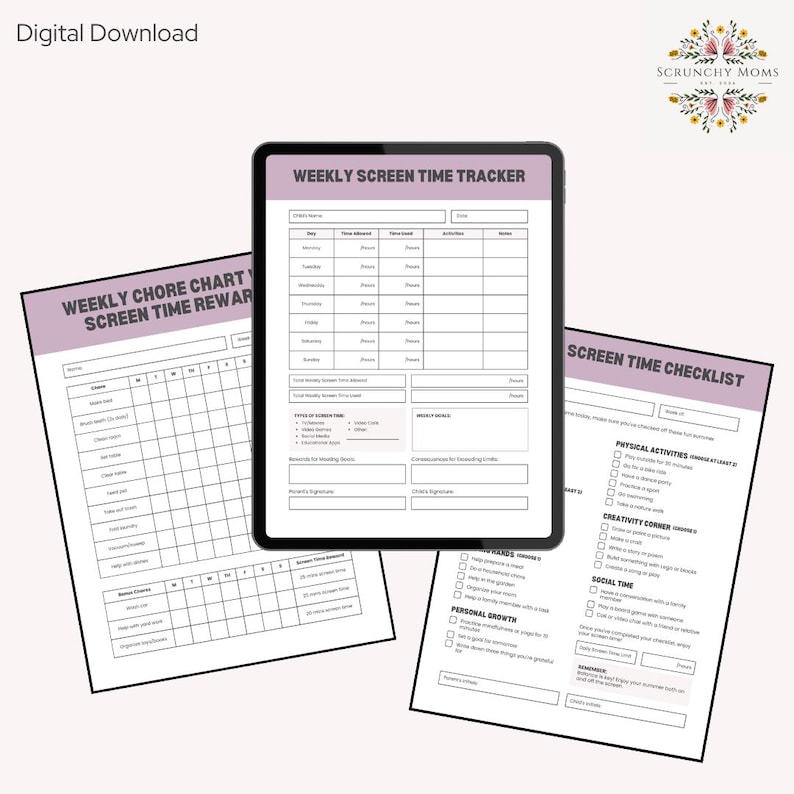
The “weekly screen time checklist for parents” specifically addresses the vital topic of screen time management and its direct connection to overall digital well-being. It guides families in tracking, understanding, and balancing online and offline activities. The checklist covers essential concepts such as identifying different types of screen use (educational, entertainment, social), setting realistic time limits, and recognizing the importance of diverse activities beyond screens. It prompts reflection on content consumption and encourages self-monitoring, promoting a conscious approach to digital engagement. The content aligns directly with recognized digital citizenship standards, emphasizing principles of balance, mindful use, and responsible digital choices, which are crucial for child safety and development in the digital age. This resource provides a framework for consistent dialogue and habit formation within the family unit. Related guide: Credible Sources For Kids.
Key Learning Outcomes
Completing the “weekly screen time checklist for parents” facilitates several important developmental and educational milestones:
- Enhanced Self-Regulation: Children develop the ability to monitor and manage their own screen usage, fostering personal responsibility.
- Improved Time Management Skills: Understanding how screen time fits into a weekly schedule helps children prioritize activities and allocate time effectively.
- Critical Thinking About Digital Choices: The checklist encourages reflection on the purpose and impact of various online activities, leading to more informed decisions.
- Strengthened Family Communication: Regular discussions prompted by the checklist open lines of communication about online experiences and expectations.
- Development of Balanced Digital Habits: Consistent use helps establish routines that integrate both online engagement and essential offline activities.
How to Use This Worksheet
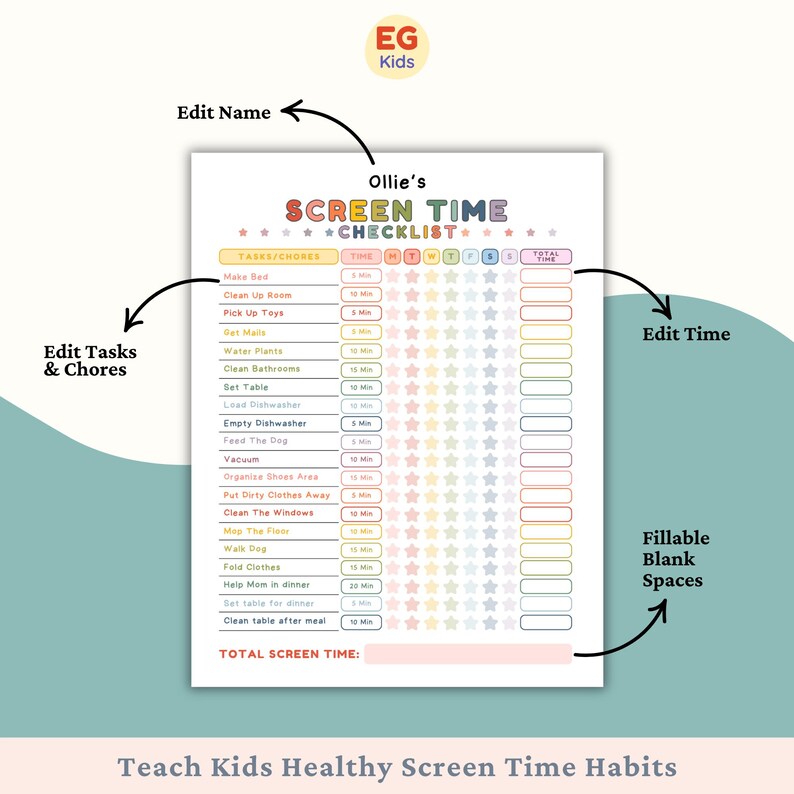
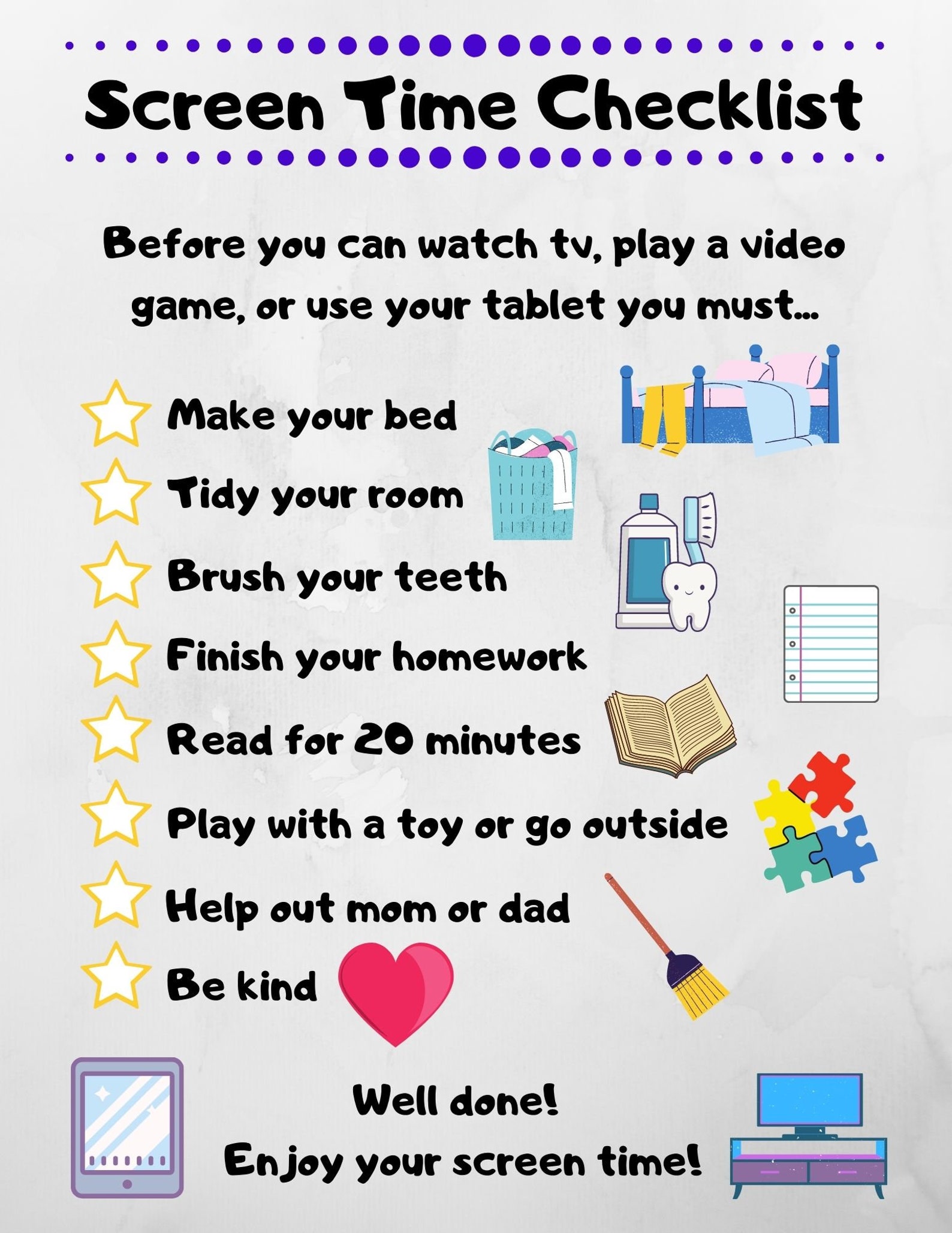
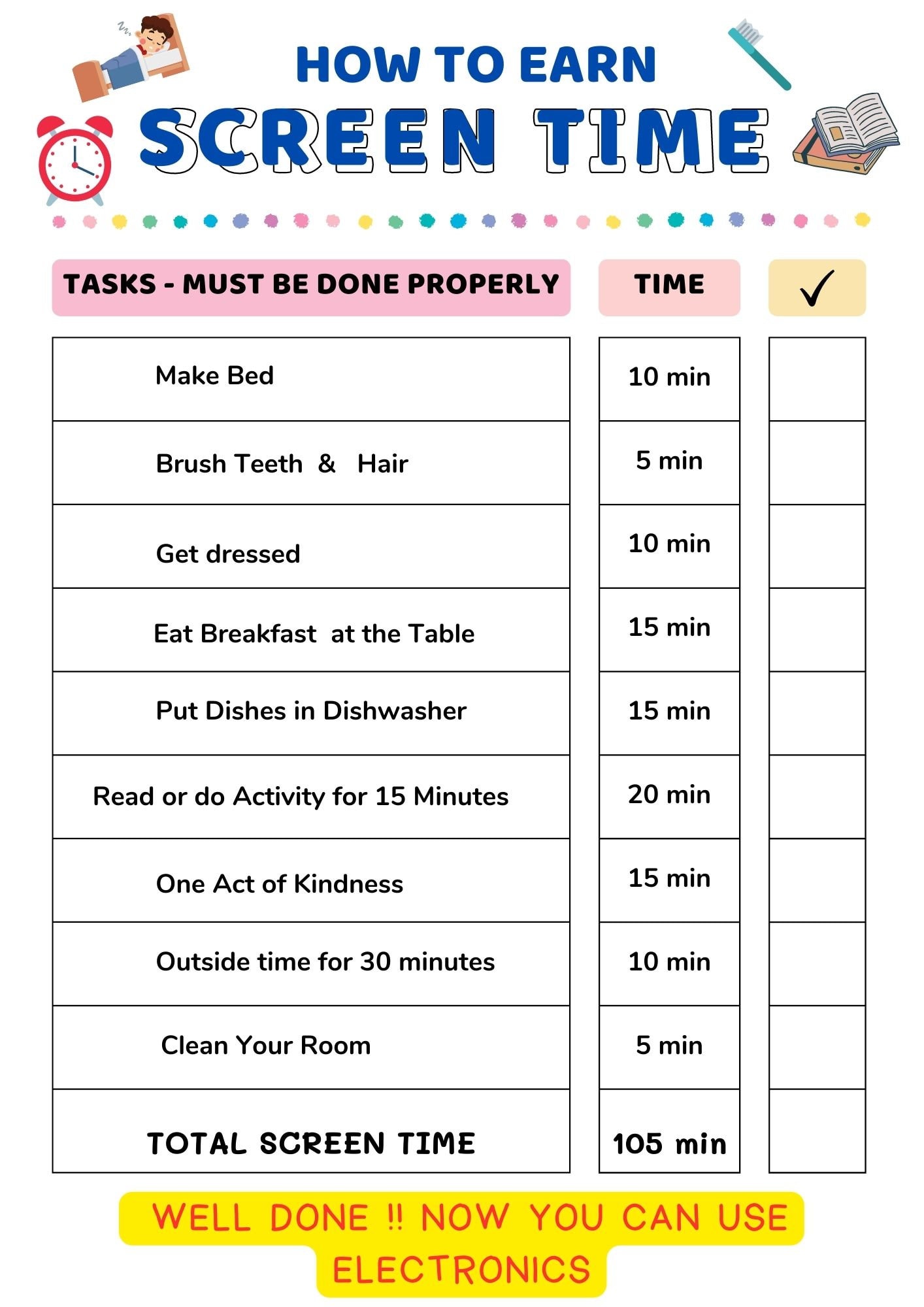
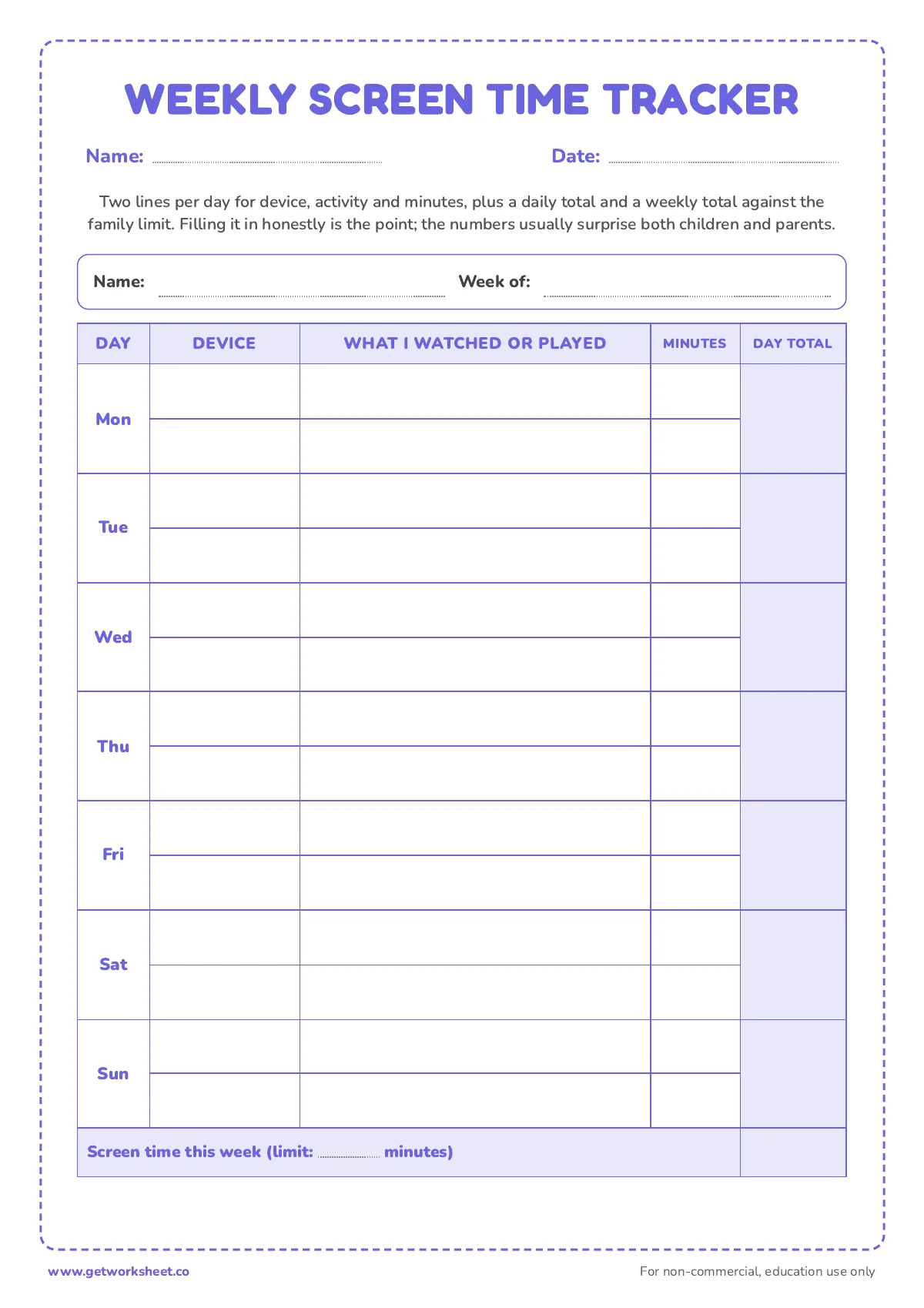
The “weekly screen time checklist for parents” is designed for straightforward implementation in both home and classroom settings. Its format typically includes sections for daily tracking of screen time across different categories, space for setting weekly goals, and prompts for reflection at the end of the week. The activity encourages active participation, often involving simple check-offs, numerical entries, or short reflective responses. Instructions are presented clearly, scaffolding learning progressively by moving from daily observation to weekly analysis and goal setting. The difficulty level is adaptable, allowing for parental or teacher guidance for younger children and more independent completion for older students. This versatile worksheet can serve as a standalone activity for individual families, integrate seamlessly into a broader digital citizenship lesson plan in schools, or be assigned as a practical homework exercise to reinforce lessons on healthy digital boundaries. Browse more guides on Safe Wired Schools.
Practical Tips for Parents and Teachers
- Co-Create Guidelines: Involve children in setting the initial screen time expectations and rules before beginning the checklist. This fosters ownership and increases adherence.
- Schedule Regular Reviews: Designate a specific time each week for reviewing the completed checklist together. This creates a routine for discussion and adjustment.
- Focus on Dialogue, Not Just Rules: Utilize the checklist as a springboard for conversations about online experiences, challenges, and successes, rather than solely as a disciplinary tool.
- Connect to Real-World Benefits: Discuss how balanced screen time allows for other engaging activities like outdoor play, reading, or family time, highlighting positive alternatives.
- Lead by Example: Demonstrate healthy screen habits as an adult, showing that mindful digital use is a practice for everyone, reinforcing the lessons learned from the checklist.
Age-Appropriate Recommendations
Adapting the “weekly screen time checklist for parents” to different age groups ensures its maximum effectiveness and relevance.
For Ages 6-10 (Elementary School), parental involvement is crucial. Parents should introduce the checklist as a shared tool for the family, guiding children through the tracking process daily. Vocabulary support might be needed for terms like “educational content” versus “entertainment.” Activity pacing should be broken into short, daily engagements rather than one long weekly session. The focus for this age group should be on building awareness of time spent and distinguishing between different types of digital activities, with simple goal-setting (e.g., “spend less than 30 minutes on games”).
For Ages 11-14 (Middle School), the checklist can become more student-driven, though parental oversight remains valuable. Students can take more responsibility for daily tracking, with weekly reviews becoming a collaborative discussion. The vocabulary can expand to include concepts like “digital footprint” and “mindful scrolling.” Activities can involve more reflective writing about how screen time impacts sleep, mood, or academic performance. Discussions should encourage self-reflection and problem-solving, allowing students to propose solutions for balancing their digital lives.
For Ages 15-18 (High School), the checklist serves as a self-management tool, with parental or teacher involvement shifting to a mentoring role. Students independently track and analyze their screen time, using the data to inform personal digital well-being goals. Discussions can delve into the psychological aspects of digital use, productivity, and the impact of social media. The focus shifts towards developing intrinsic motivation for healthy tech habits, preparing them for independent digital citizenship in adulthood. The checklist provides a structured framework for personal accountability and self-assessment.
Frequently Asked Questions
Q: What if a child resists using the screen time checklist?
A: Resistance often stems from a feeling of being monitored or controlled. Involving the child in setting the rules and explaining the ‘why’ behind the checklist can increase cooperation. Framing it as a tool for personal growth and family collaboration, rather than a punishment, often yields better results.
Q: How often should the “weekly screen time checklist for parents” be used?
A: Consistent weekly use is recommended for at least several months to establish new habits and observe patterns effectively. After routines are established, it can be used periodically for check-ins or whenever new challenges arise, ensuring ongoing digital well-being.
Q: Where can educators and parents access this free printable checklist?
A: The “weekly screen time checklist for parents” is available for free download directly from the SafeWiredSchools.org website. Simply navigate to the resources section, locate the checklist, and print it for immediate use in the home or classroom.
Explore More Free Printable Worksheets
While the “weekly screen time checklist for parents” offers a powerful tool for fostering digital well-being, its impact is amplified when integrated into a broader routine of digital safety education. A single worksheet serves as an excellent starting point, but consistent learning requires a diverse array of resources. Educators and parents are invited to explore a full collection of free printable internet safety worksheets, activity sheets, checklists, quizzes, and more at SafeWiredSchools.org Worksheets. This comprehensive collection covers every essential internet safety topic, including cyberbullying prevention, privacy settings, online stranger danger, and critical media literacy. Each resource is thoughtfully designed for every grade level and learning environment, ensuring that children develop robust digital citizenship skills from an early age through their formative years.
Developmental Milestone & Activity Table
| Development Stage | Recommended Daily Duration | Primary Learning Objective |
|---|---|---|
| Preschool & Pre-K | 10 – 15 Minutes | Pencil grip development & basic pre-stroke lines |
| Kindergarten | 15 – 20 Minutes | Letter/number formation & spatial line awareness |
| Early Elementary (Grade 1–2) | 20 – 30 Minutes | Fluency, sentence construction & neatness |
Images References