Introduction
Protecting young learners in digital environments requires moving beyond rigid restrictions and fostering genuine understanding. Children frequently encounter online risks in ordinary spaces, such as navigating in-game chat features during multiplayer sessions or sharing family tablets with siblings. Building strong protective habits early helps children recognize boundaries without experiencing fear. It sounds simple, and that is the point. Creative exercises allow educators and families to introduce foundational concepts through familiar, relaxing mediums. Integrating art into digital wellness lessons lowers anxiety and invites natural curiosity. SafeWiredSchools provides specialized digital safety coloring pages designed to bridge the gap between abstract rules and concrete actions for elementary-aged children.
💡 Educational Key Takeaways:
- Core Skill: Structured Sun Safety Colouring In focused on developing pencil grip, stroke control, and early literacy/math confidence.
- Target Scope: Suited for homeschoolers, preschool, kindergarten, and elementary learners.
- Best Recommendation: Practice 10–15 minutes daily with ergonomic writing tools to reinforce muscle memory without hand fatigue.
What This Printable Covers
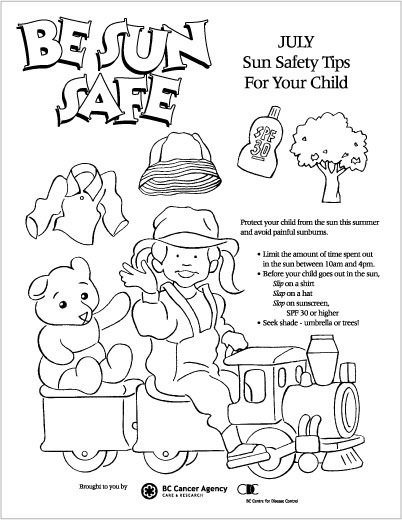
The free sun safety colouring in resource uses familiar outdoor imagery to introduce core digital citizenship lessons. Just as sunscreen and hats protect skin from harsh UV rays, digital boundaries protect personal information from online exposure. Children explore concepts like keeping home addresses private, recognizing safe communication, and identifying trusted adults to approach when something feels confusing. Coloring reinforces safety messages because the physical act of shading engages tactile memory. Moreover, sitting side-by-side with a child during an art activity creates a relaxed atmosphere where sensitive topics arise organically. According to Pew Research Center, a vast majority of parents express concern over their young children’s screen time and digital exposure, making approachable starting points essential for household peace. Related guide: Safe Websites Meaning For Kids.
Key Learning Outcomes
Working through this creative activity encourages children to identify private versus personal information, such as avoiding sharing full names or school names in public forums. Participants learn to pause before clicking or typing, mirroring the habit of checking weather conditions before heading outdoors. Another vital outcome involves reinforcing the absolute rule that children are never in trouble for reporting something uncomfortable on a screen. Establishing this reassurance prevents hesitation when a child encounters unexpected content on video platforms or shared devices. Building these resilient habits transforms passive screen users into mindful digital citizens who know how to seek guidance.
How to Use This Printable
Implementation requires minimal preparation, making these materials ideal for busy classrooms, counseling offices, and kitchen tables alike. Adults can introduce the page by asking children what keeps them safe at the beach, then drawing a parallel to online navigation. As the crayons get moving, gentle prompts open the door for meaningful dialogue without interrogation. Here’s what makes this resource different: it anchors abstract cybersecurity principles to tangible physical metaphors that young brains grasp immediately. Educators often pair these sheets with broader lessons found within internet and digital safety curricula to establish a comprehensive learning routine.
Practical Tips for Parents and Teachers
Facilitating a productive conversation involves active listening and positive reinforcement while children design their artwork. Adults should avoid lecturing and instead ask open-ended questions about what the drawn sunscreen bottle or protective hat represents in the digital world. Displaying completed artwork on a refrigerator or classroom bulletin board reinforces positive associations with safety rules. When children feel ownership over their learning, protective habits stick much longer than memorized lists of prohibitions. Exploring additional interactive worksheets can further deepen comprehension through puzzle-solving and guided reflection.
Age-Appropriate Recommendations
Children ages five to seven benefit from sensory-rich discussions focusing on basic rules, such as asking an adult before downloading a new app or game. Older elementary students ages eight to twelve can handle deeper conversations regarding digital footprints, peer pressure in chat rooms, and password privacy. Aligning these discussions with the Common Sense Education Digital Citizenship Curriculum ensures that developmental milestones match the complexity of the safety concepts introduced. Pacing the conversation keeps learning empowering rather than overwhelming for developing minds.
According to Common Sense Media research, young children spend significant daily time interacting with digital media, emphasizing the need for early and approachable habit-building resources. — Common Sense Media
Frequently Asked Questions
Answers to common inquiries regarding the implementation of creative safety tools help educators and families maximize learning outcomes effectively. Clear guidance ensures that digital citizenship remains accessible, positive, and stress-free for every child involved.
Explore More Free Kids Online Safety Printables
Expanding a digital citizenship toolkit requires a variety of creative mediums to keep young learners engaged throughout the school year. SafeWiredSchools offers continuous updates to help educators and families guide children toward secure, confident online habits. Discover additional resources by browsing comprehensive collections dedicated to online and digital safety to support lifelong responsible technology use.
Developmental Milestone & Activity Table
| Development Stage | Recommended Daily Duration | Primary Learning Objective |
|---|---|---|
| Preschool & Pre-K | 10 – 15 Minutes | Pencil grip development & basic pre-stroke lines |
| Kindergarten | 15 – 20 Minutes | Letter/number formation & spatial line awareness |
| Early Elementary (Grade 1–2) | 20 – 30 Minutes | Fluency, sentence construction & neatness |
Images References