Introduction
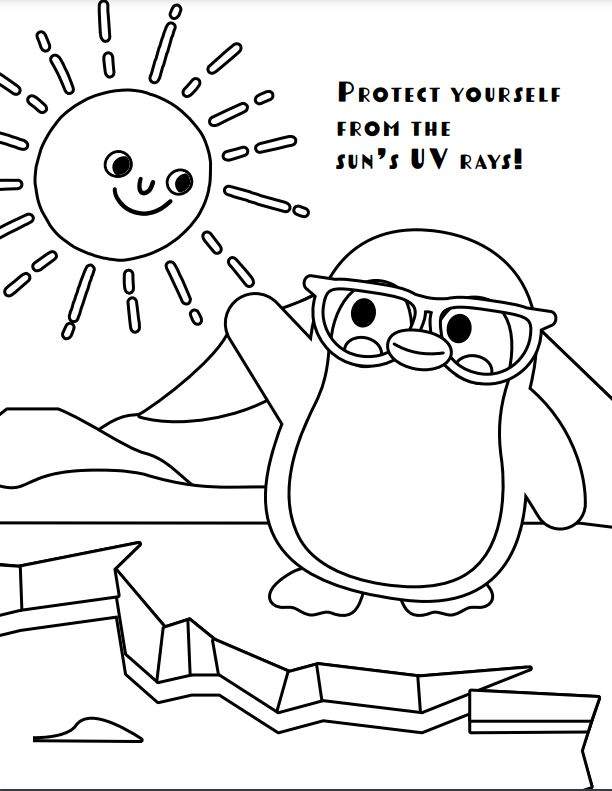
Digital safety education works best when it meets children at their developmental level, transforming abstract internet rules into tangible, everyday habits. Educators and caregivers often search for creative ways to introduce protective online routines without generating fear. Using a sun safety coloring pictures printable offers a familiar, low-stress medium that bridges the gap between creative play and essential conversation. Children frequently encounter digital spaces through shared household tablets, casual in-game chat features, and open video platforms long before they fully grasp the concept of personal privacy. By coloring images that symbolize protection and boundaries, young learners naturally begin associating digital caution with familiar concepts like putting on sunscreen or wearing a hat. This hands-on approach supports educators and parents who want to foster proactive digital citizenship through reliable creative printables that reinforce healthy tech habits.
💡 Activity Key Takeaways:
- Core Focus: Printable Sun Safety Coloring Pictures Printable designed for creative expression and fine-motor coordination.
- Target Scope: Ideal for toddlers, preschool, kindergarten, and classroom art activities.
- Best Recommendation: Use standard heavy printer paper (24–28 lb) or cardstock for vibrant results with crayons, colored pencils, or washable markers.
What This Printable Covers
The sun safety coloring pictures printable serves as a metaphorical bridge, translating physical protection into digital self-defense concepts. When children shade in sunglasses, wide-brimmed hats, and protective shade structures, adults can gently guide the dialogue toward safeguarding personal information, recognizing strong passwords, and thinking carefully before sharing details online. It sounds simple, and that is precisely the point. Children absorb complex safety lessons more effectively when paired with visual anchors and tactile activities. Rather than focusing on online risks or threats, these illustrations center on protective routines, such as keeping private information secure and knowing whom to trust when something feels uncomfortable on a device. Related guide: Please Provide Free 8.5″X11″ Digital Safety Coloring Pages For K-2 Grade.
Key Learning Outcomes
Engaging with this resource helps children build specific cognitive and emotional skills necessary for navigating modern technology. First, the activity reinforces the importance of pausing before acting, mirroring the deliberate choice to protect skin before stepping into the sun. Second, it opens a safe, pressure-free dialogue about telling a trusted adult immediately whenever an online interaction feels confusing or strange, reinforcing the absolute rule that children are never in trouble for reporting an issue. Third, the exercise establishes the foundation for keeping personal details like full names, school locations, and home addresses strictly private across all shared household devices and gaming platforms.
How to Use This Printable
Classrooms, living rooms, and counseling offices transform into collaborative learning hubs when integrating physical art projects into media literacy lessons. Begin by distributing the pages during a calm afternoon art block or a morning advisory period. As crayons move across the paper, ask open-ended questions about how protection works in the physical world and how those same ideas apply to using family tablets or watching videos online. Integrating these artistic sessions with broader internet and digital safety lesson plans ensures that children view device management as a natural extension of everyday health and well-being.
Practical Tips for Parents and Teachers
Adults can maximize the educational impact of these resources by leaning into active listening during coloring time. Avoid lecturing; instead, invite the child to explain what their chosen colors represent regarding safety and boundaries. Keep the atmosphere light, empowering, and encouraging. If a child brings up an awkward moment from an in-game chat or a video platform, respond with calm curiosity and appreciation for their honesty. This builds long-term trust, ensuring the child feels secure coming forward whenever digital dilemmas arise in the future.
Age-Appropriate Recommendations
Tailoring the conversation to a child’s exact age ensures the message lands without causing unnecessary anxiety. Younger children in early elementary grades benefit from focusing on basic concepts like asking permission before downloading apps and keeping passwords secret. Older elementary students can discuss digital footprints and respectful communication in shared online spaces, aligning with the Common Sense Education Digital Citizenship Curriculum framework. Educators should scaffold these discussions so that children gradually master protective habits as their independence on connected devices naturally expands over time.
Young children frequently access the internet through shared household devices and mobile platforms, making early, conversation-based safety education essential for developing lifelong digital habits. — Pew Research Center
Frequently Asked Questions
Clear guidance helps parents and educators implement digital citizenship tools efficiently across diverse learning environments. Utilizing structured educational printables allows adults to track progress, spark meaningful conversations, and establish consistent safety standards whether at home or inside a traditional school classroom.
Explore More Free Kids Online Safety Printables
Expanding a child’s digital literacy toolkit requires a diverse selection of engaging, age-appropriate resources. Adults can browse our comprehensive online and digital safety archives to discover additional printables designed to build confident, secure digital citizens.
Key Specifications & Age-Group Overview
| Age / Grade Group | Target Skill Focus | Recommended Medium |
|---|---|---|
| Toddlers (Ages 2–4) | Hand-eye coordination & broad motor grasp | Jumbo crayons & washable finger paints |
| Early Elementary (Ages 5–7) | Line boundaries & fine pencil control | Standard colored pencils & fine-tip markers |
| Intermediate (Ages 8+) | Color blending, shading & artistic patience | Watercolor pencils, gel pens & dual-brush markers |
Images References