Introduction
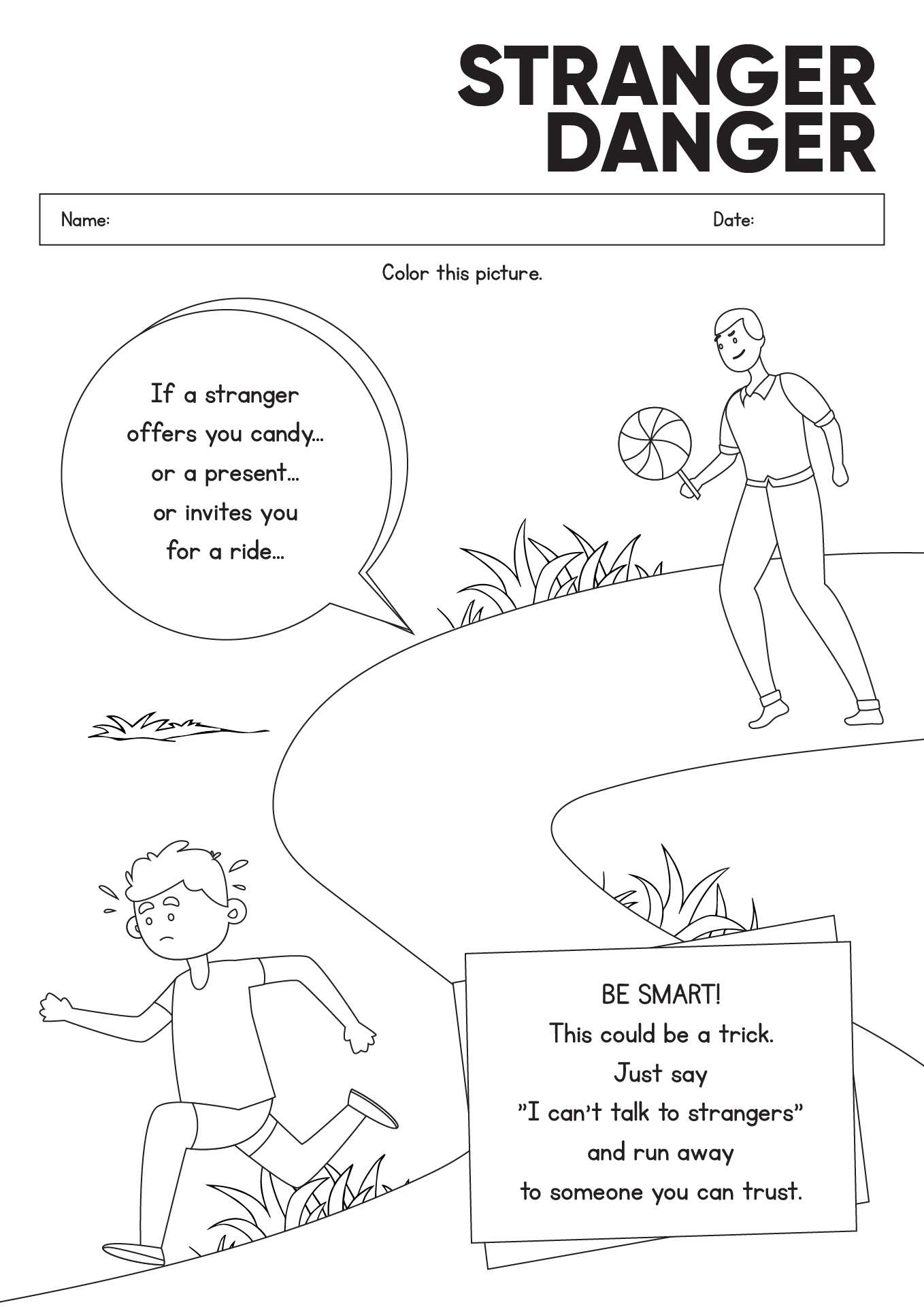
Protecting young minds in modern digital spaces requires thoughtful, creative approaches that go beyond strict restrictions and fear-based warnings. Children frequently encounter online platforms, shared household tablets, multiplayer video game chats, and popular streaming sites long before they fully grasp the concept of digital permanence. Transforming abstract internet rules into tangible concepts helps children absorb protective habits naturally. Integrating creative art activities into digital citizenship lessons lowers anxiety and invites open dialogue between adults and children. Exploring creative tools like sun safety coloring pages for kids bridges the gap between offline creativity and online awareness by using bright visual metaphors for protection and care.
💡 Activity Key Takeaways:
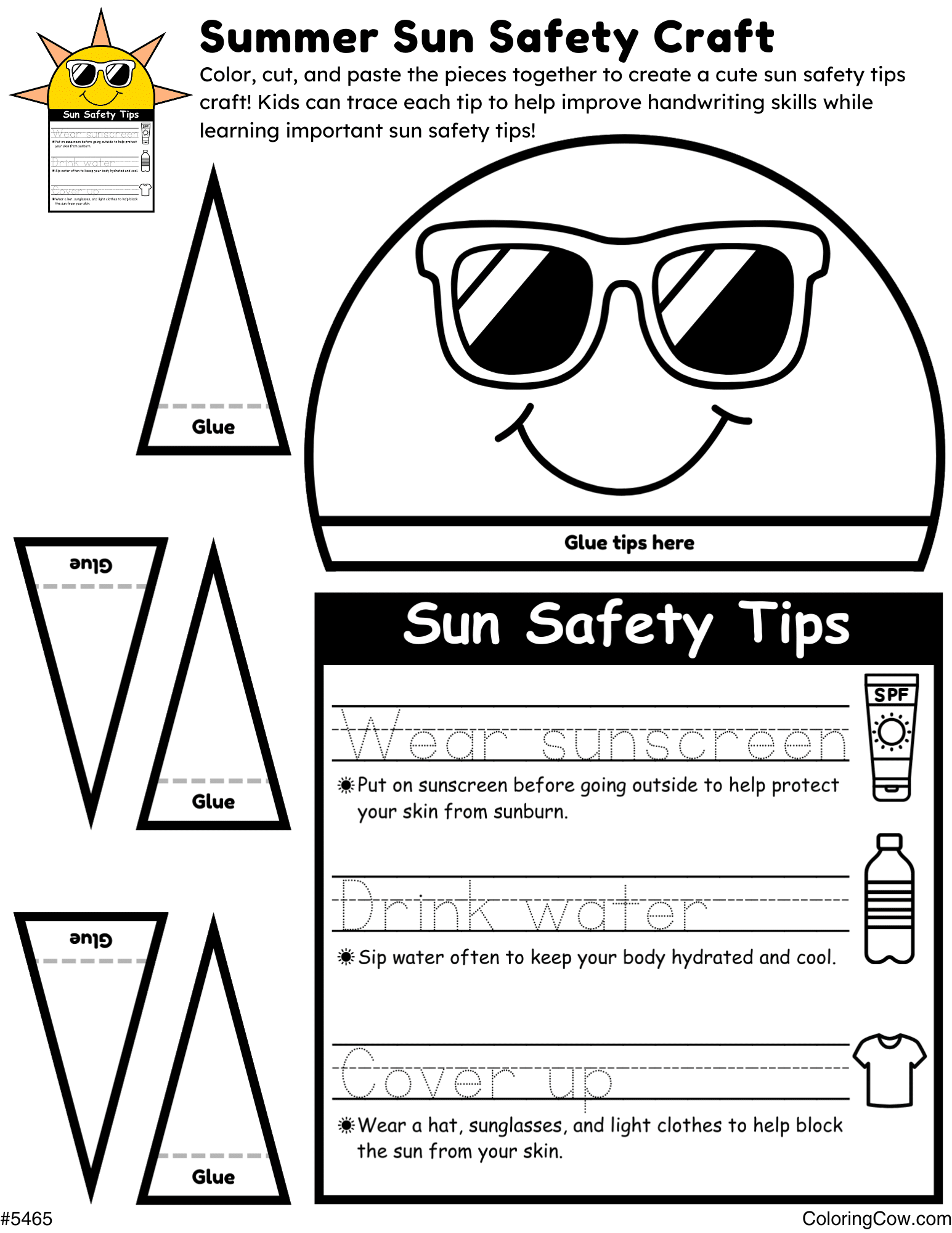
- Core Focus: Printable Sun Safety Coloring Pages For Kids designed for creative expression and fine-motor coordination.
- Target Scope: Ideal for toddlers, preschool, kindergarten, and classroom art activities.
- Best Recommendation: Use standard heavy printer paper (24–28 lb) or cardstock for vibrant results with crayons, colored pencils, or washable markers.
What This Printable Covers
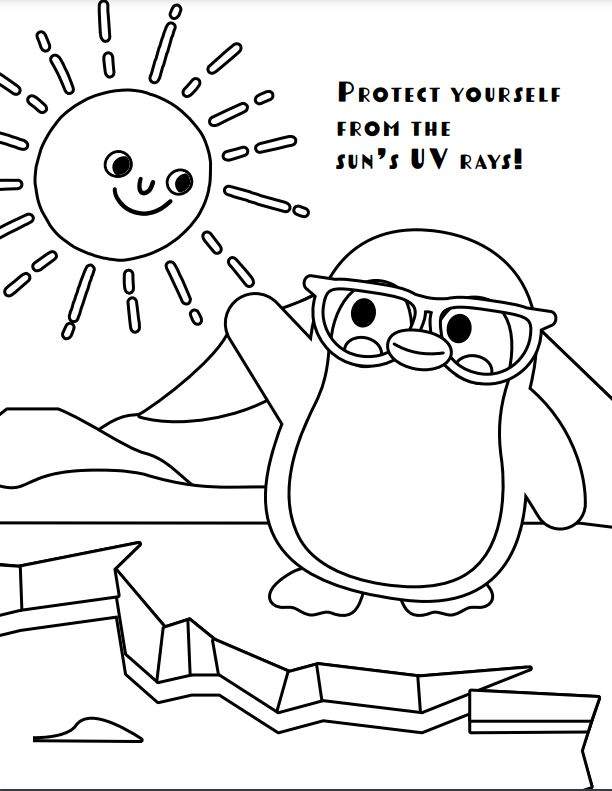
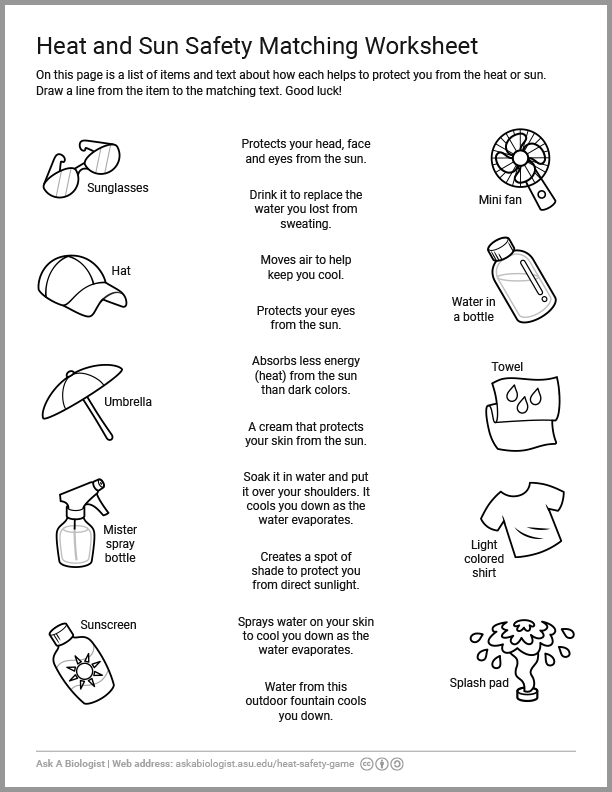
The downloadable sun safety coloring pages for kids utilize engaging imagery—such as broad-brimmed hats, protective sunglasses, and sturdy beach umbrellas—to symbolize building boundaries and shielding oneself from harm. Children instinctively understand that stepping into the glaring midday sun without protection causes discomfort, making physical sunburn an effective, non-threatening analogy for digital vulnerability. Visual storytelling allows young learners to map physical self-care onto online behaviors, such as wearing metaphorical digital sunglasses to block out inappropriate content or uncomfortable interactions. It sounds simple, and that’s the point. Repetitive coloring motions give hands something to do while minds process nuanced messages about online safety, personal information privacy, and the importance of seeking trusted adults when something feels wrong.
Key Learning Outcomes
Engaging with these artistic sheets reinforces core protective habits without inducing dread or panic. Young learners practice recognizing boundaries through the metaphor of applying sunscreen before heading outside into a crowded digital playground. According to Common Sense Media, children today navigate media-saturated environments at remarkably young ages, making early foundation-building essential for long-term cyber wellness. Participants learn that safeguarding personal details—like home addresses, full names, and school names—functions just like shielding sensitive skin from harsh ultraviolet rays. Furthermore, every completed illustration serves as a gentle reminder that children are never in trouble for reporting uncomfortable online experiences to parents, teachers, or school counselors.
How to Use This Printable
Classrooms, counseling offices, and living room tables transform easily into interactive workshops with the right framing. Educators and caregivers can introduce the artwork during morning meeting times or quiet afternoon transitions, sparking organic conversations about device usage rules. Here’s what makes this resource different: rather than lecturing students about strict screen time limits, adults can ask guiding questions while crayons move across the paper. Asking children why people wear sunglasses outside naturally leads to discussing why passwords must remain secret and why sharing location data requires adult supervision. This creative medium reduces defensive reactions, helping children view online safety as an empowering life skill rather than an arbitrary list of household prohibitions.
Practical Tips for Parents and Teachers
Maximizing the educational value of these printables involves pairing art time with active listening and collaborative problem-solving. Adults should sit alongside children, coloring their own pages while casually discussing everyday digital dilemmas, such as navigating shared family devices or managing unexpected pop-ups in video games. Role-playing common scenarios helps children practice what to do when in-game chat features become unkind or overwhelming. Building familiarity with various online safeguards is heavily supported across educational platforms, and exploring additional resources like Internet and Digital Safety guides expands these foundational lessons into comprehensive digital citizenship habits.
Age-Appropriate Recommendations
Tailoring digital safety conversations to a child’s developmental stage ensures the message lands effectively without causing confusion or unnecessary anxiety. Younger children in early elementary grades benefit most from simple, concrete metaphors about keeping private details hidden, much like keeping a favorite toy safe inside a backpack. Older elementary students can transition from artistic metaphors to direct discussions regarding digital footprints, respectful communication on video platforms, and the importance of critical thinking before clicking links. Aligning these instructional approaches with the Common Sense Education Digital Citizenship Curriculum provides a structured, research-backed framework that helps educators scaffold learning from kindergarten through upper elementary school. Additional reinforcement can be found by browsing curated collections of Worksheets designed to test comprehension in low-pressure, interactive formats.
According to the Pew Research Center, an overwhelming majority of parents with young children express frequent concern about their kids’ digital safety and screen exposure. — Pew Research Center
Frequently Asked Questions
Navigating digital citizenship resources is straightforward when educators and parents have clear, accessible guidance. The questions below address common inquiries regarding downloading, implementation, and foundational safety philosophies for children.
Explore More Free Kids Online Safety Printables
Expanding a child’s digital literacy toolkit requires continuous reinforcement through diverse, engaging media formats. Adults can discover a wide variety of supplemental materials, from creative prompt sheets to structured educational modules, by visiting Coloring Pages for artistic engagement. Comprehensive lesson plans and protective strategies are also readily available through the broader Online and Digital Safety hub to support continuous habit-building at home and in school.
Key Specifications & Age-Group Overview
| Age / Grade Group | Target Skill Focus | Recommended Medium |
|---|---|---|
| Toddlers (Ages 2–4) | Hand-eye coordination & broad motor grasp | Jumbo crayons & washable finger paints |
| Early Elementary (Ages 5–7) | Line boundaries & fine pencil control | Standard colored pencils & fine-tip markers |
| Intermediate (Ages 8+) | Color blending, shading & artistic patience | Watercolor pencils, gel pens & dual-brush markers |
Images References