Introduction
Summer themes naturally capture the attention of young children, making seasonal imagery a powerful vehicle for teaching foundational life skills. Long before children navigate complex virtual environments independently, they encounter shared tablets at the kitchen table, open chat features inside favorite video games, and video platforms featuring algorithmic recommendations. These early digital touchpoints require the same careful guidance that adults provide for physical environments like crowded beaches or sunny parks. Integrating educational printables into daily routines helps bridge the gap between abstract rules and concrete understanding. Creative exercises do not magically block risks or guarantee absolute protection, yet they serve as reliable catalysts for meaningful dialogue. Coloring provides a low-pressure anchor for young learners to absorb vital protective concepts without anxiety. Exploring a fresh set of sun and beach safety early years colouring pages opens the door for adults to introduce digital resilience alongside traditional summer precautions. Related guide: Please Provide Free 8.5″X11″ Digital Safety Coloring Pages For K-2 Grade.
💡 Educational Key Takeaways:
- Core Skill: Structured Sun And Beach Safety Early Years Colouring Pages focused on developing pencil grip, stroke control, and early literacy/math confidence.
- Target Scope: Suited for homeschoolers, preschool, kindergarten, and elementary learners.
- Best Recommendation: Practice 10–15 minutes daily with ergonomic writing tools to reinforce muscle memory without hand fatigue.
What This Printable Covers
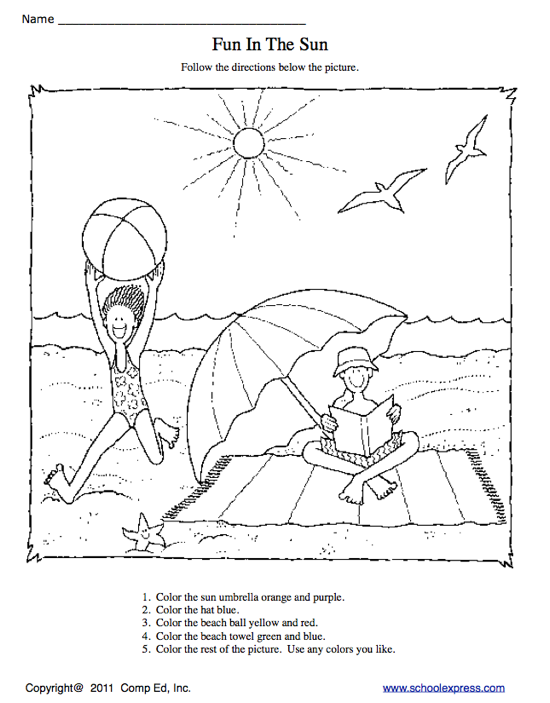
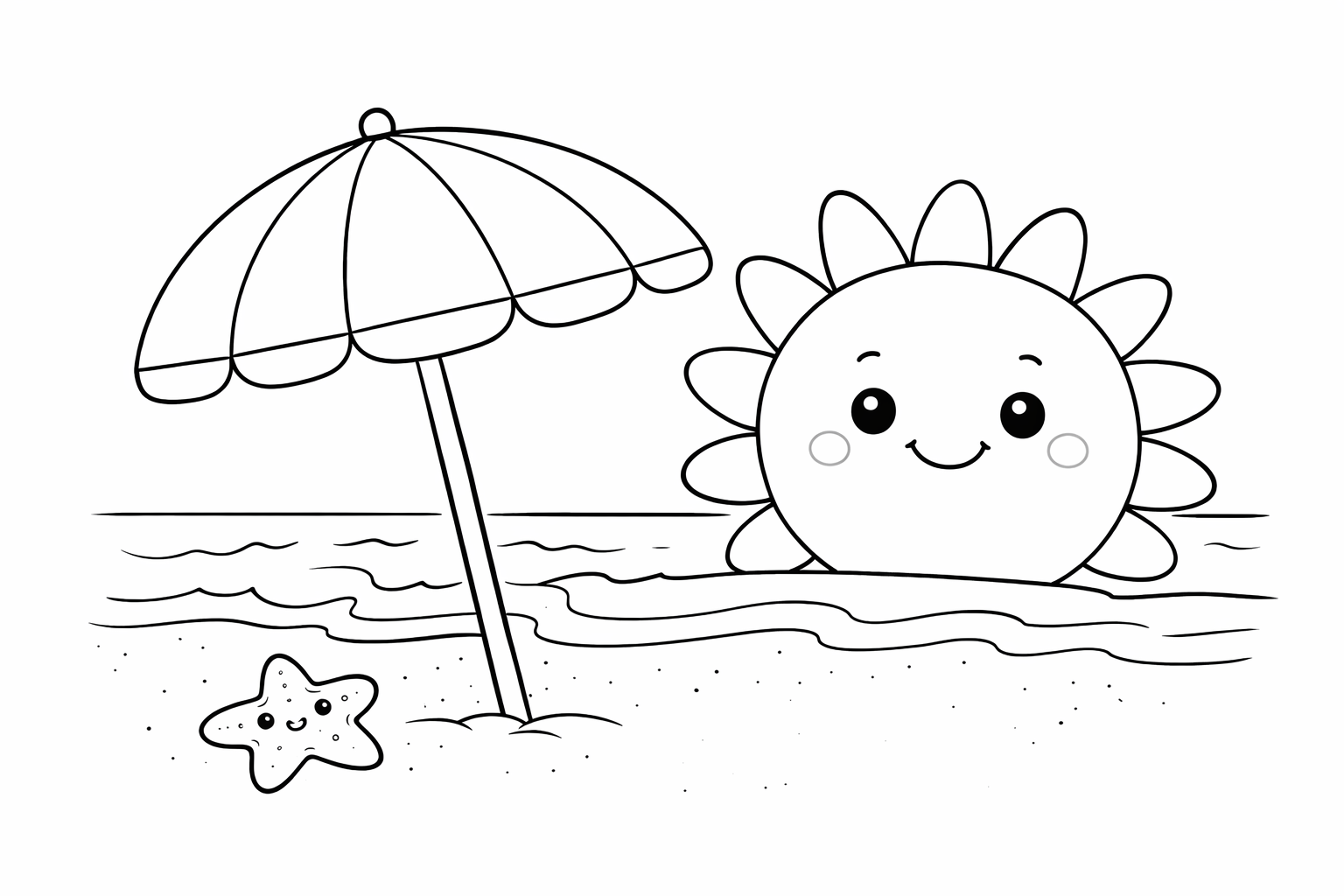
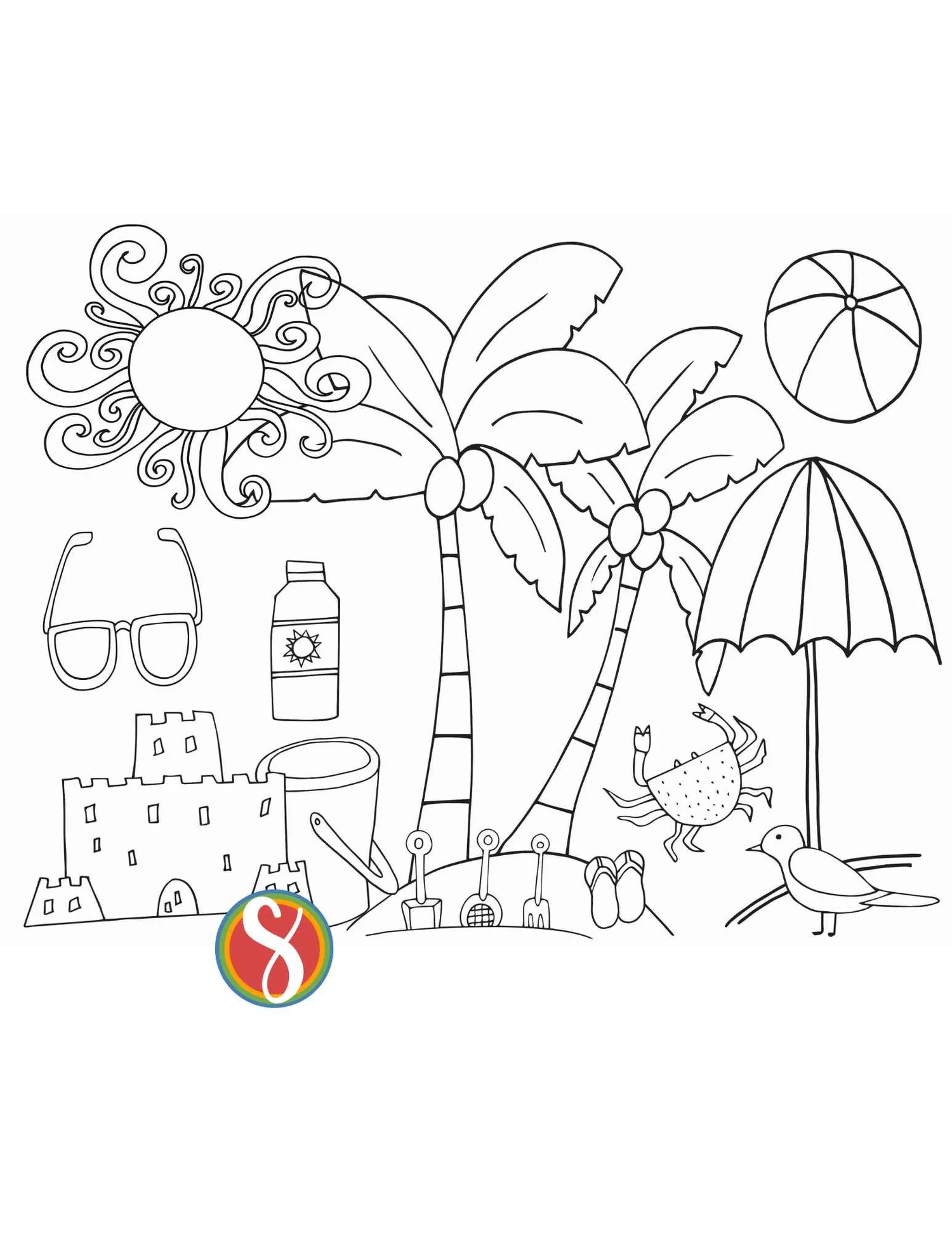
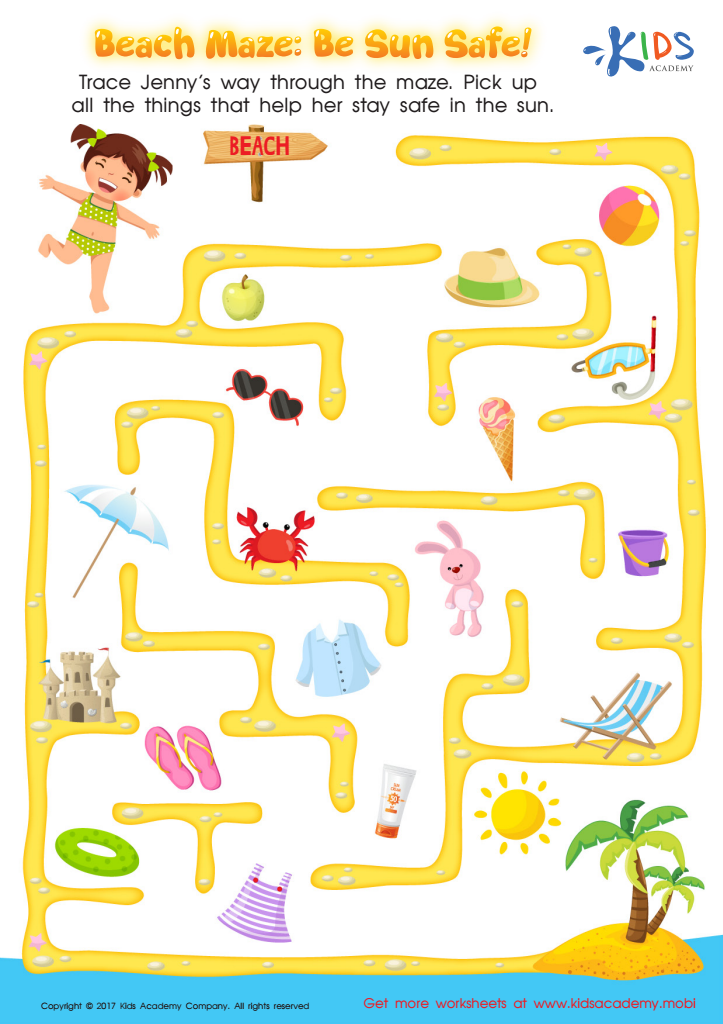
Visual storytelling works wonders in early childhood education. The featured sun and beach safety early years colouring pages depict familiar coastal scenarios, such as applying sunscreen, staying close to a trusted lifeguard, and wearing a wide-brimmed hat. These illustrations translate seamlessly into metaphors for digital wellness. Putting on sunscreen mirrors the protective habit of keeping personal information private before stepping into public online spaces. Staying near a lifeguard parallels the rule of telling a trusted adult immediately when something online feels confusing or uncomfortable. Children learn that asking for help is a sign of wisdom, and young learners are never in trouble for reporting unexpected encounters on a screen. Every stroke of a crayon reinforces the physical and digital boundaries that keep growing minds safe and secure.
Key Learning Outcomes
Targeted creative activities build specific cognitive competencies that support long-term digital citizenship. Children practice fine motor control while internalizing the sequence of safety steps, establishing a cognitive link between visual symbols and protective behaviors. According to Common Sense Media research, young children increasingly access media through shared household devices and interactive apps long before they possess the emotional maturity to handle unexpected digital content. Coloring prompts offer an accessible method to discuss these realities in age-appropriate terms. Educators frequently utilize Coloring Pages to initiate discussions about digital boundaries because artistic expression lowers cognitive fatigue. When children focus on filling in shapes, their minds relax, facilitating open-ended conversations about online habits, strong passwords, and thinking before sharing.
How to Use This Printable
Facilitating a productive learning session requires intentional pacing and a welcoming atmosphere. Adults can print out the sheets and set out a collection of crayons, colored pencils, or washable markers during quiet time or morning circles. It sounds simple, and that’s the point. As children color the sunscreen bottles and beach umbrellas, adults can ask gentle, guiding questions about where else protection is needed. Conversations might shift naturally from physical sun protection to digital safety, exploring what it means to keep personal details like full names and home addresses private. This multi-sensory approach ensures that abstract concepts become concrete, memorable guidelines that children can recall when navigating video platforms or casual in-game interactions.
Practical Tips for Parents and Teachers
Maximizing the educational value of these printables involves pairing art time with active listening. Educators and caregivers should avoid lecturing and instead invite children to describe what their colored artwork represents. Asking open-ended prompts like “Who is the lifeguard in your digital life?” helps kids identify trusted adults they can approach when something feels off. Consistency across home and school environments reinforces these protective habits effectively. For broader curriculum planning, integrating Internet and Digital Safety materials ensures that children receive a unified message about respectful communication and mindful media consumption. Patience remains essential, as building digital resilience is an ongoing journey rather than a single lesson.
Age-Appropriate Recommendations
Tailoring safety instruction to developmental stages ensures that children absorb information without feeling overwhelmed or frightened. For ages five to eight, focus remains on basic trust, keeping private details offline, and notifying an adult immediately about uncomfortable screen moments. Older children in the nine to twelve bracket can explore deeper themes like critical thinking, understanding digital footprints, and recognizing deceptive online behavior. Aligning these lessons with the Common Sense Education Digital Citizenship Curriculum provides a structured pathway that grows alongside the student. Adults must frame safety as an empowering toolkit for exploration, ensuring children view technology as a marvelous tool to be managed with care, curiosity, and confidence.
Young children frequently encounter digital media and interactive platforms via shared family devices long before entering middle childhood — Common Sense Media
Frequently Asked Questions
According to the Federal Trade Commission, educating children early about sharing personal information online is vital for preventing future digital risks — Federal Trade Commission (FTC)
Explore More Free Kids Online Safety Printables
Expanding a digital citizenship toolkit requires a diverse array of complementary resources for different developmental milestones. Educators and parents can discover additional assets by browsing comprehensive Worksheets that challenge learners to solve puzzles and categorize safe online behaviors. Combining artistic activities with structured lessons helps solidify lifelong digital wellness habits. To explore broader preventive strategies and foundational habits, visit the main collection of Online and Digital Safety resources designed to empower the next generation of mindful digital citizens.
Developmental Milestone & Activity Table
| Development Stage | Recommended Daily Duration | Primary Learning Objective |
|---|---|---|
| Preschool & Pre-K | 10 – 15 Minutes | Pencil grip development & basic pre-stroke lines |
| Kindergarten | 15 – 20 Minutes | Letter/number formation & spatial line awareness |
| Early Elementary (Grade 1–2) | 20 – 30 Minutes | Fluency, sentence construction & neatness |
Images References