Introduction
Middle school represents a massive shift in how children navigate friendships, identity, and the digital world. Preteens frequently step onto social media platforms, messaging apps, and shared gaming servers long before they possess the emotional maturity to handle every digital curveball. According to Common Sense Media, a significant percentage of children begin using social platforms during the middle school years, often encountering complex social dynamics, viral trends, and peer pressure overnight. Educators and families regularly observe that preteens do not usually stumble into online trouble through dark corners of the internet. Instead, risks arise in ordinary moments like quick chat replies during shared device time, hurried photo uploads on video platforms, or casual banter inside multiplayer lobbies. Building healthy digital habits requires proactive guidance rather than reactive bans. Free printable social media rules for middle schoolers provide a tangible anchor for these vital conversations, transforming abstract safety concepts into clear, everyday guidelines for the classroom and the living room.
💡 Educational Key Takeaways:
- Core Skill: Structured Social Media Rules For Middle Schoolers” focused on developing pencil grip, stroke control, and early literacy/math confidence.
- Target Scope: Suited for homeschoolers, preschool, kindergarten, and elementary learners.
- Best Recommendation: Practice 10–15 minutes daily with ergonomic writing tools to reinforce muscle memory without hand fatigue.
What This Printable Covers
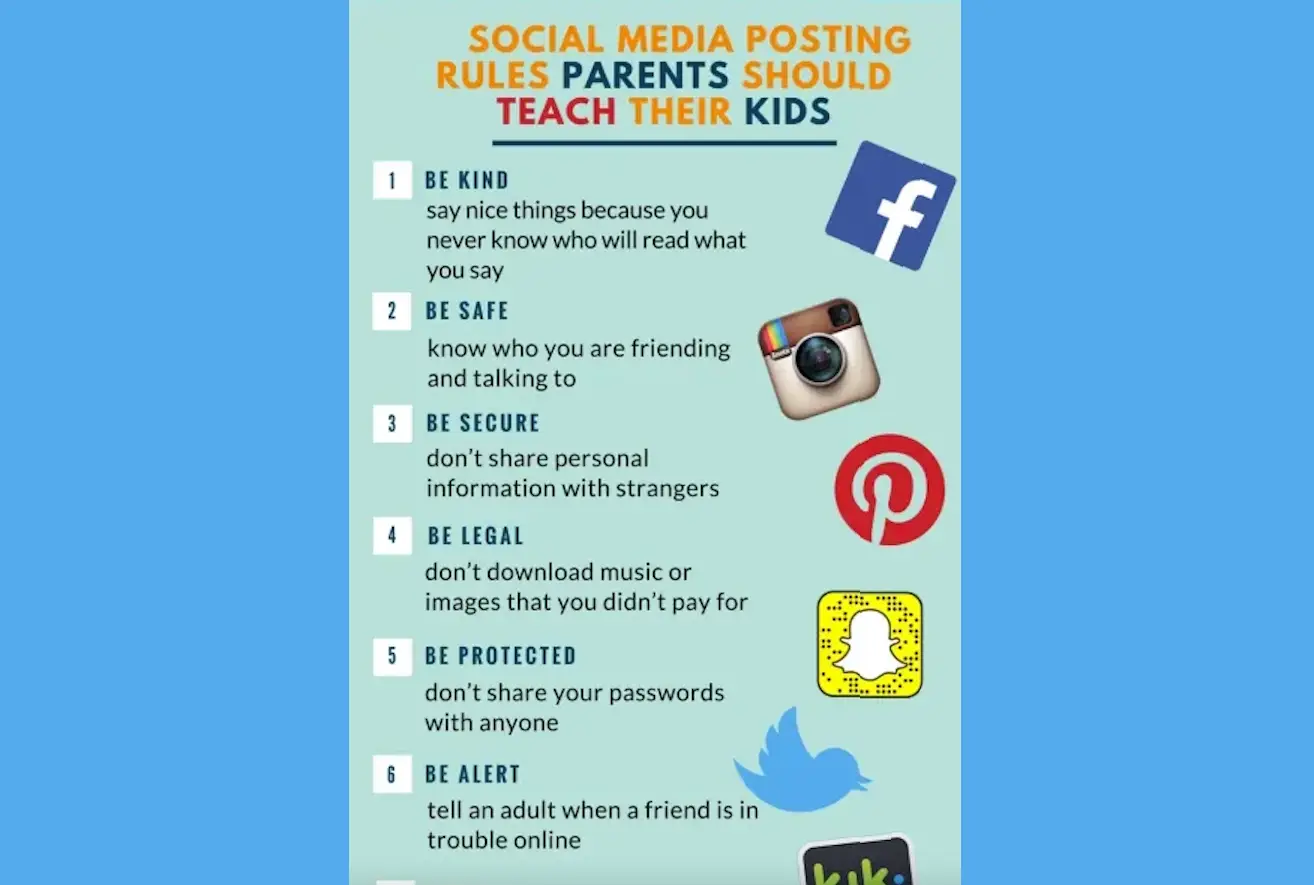
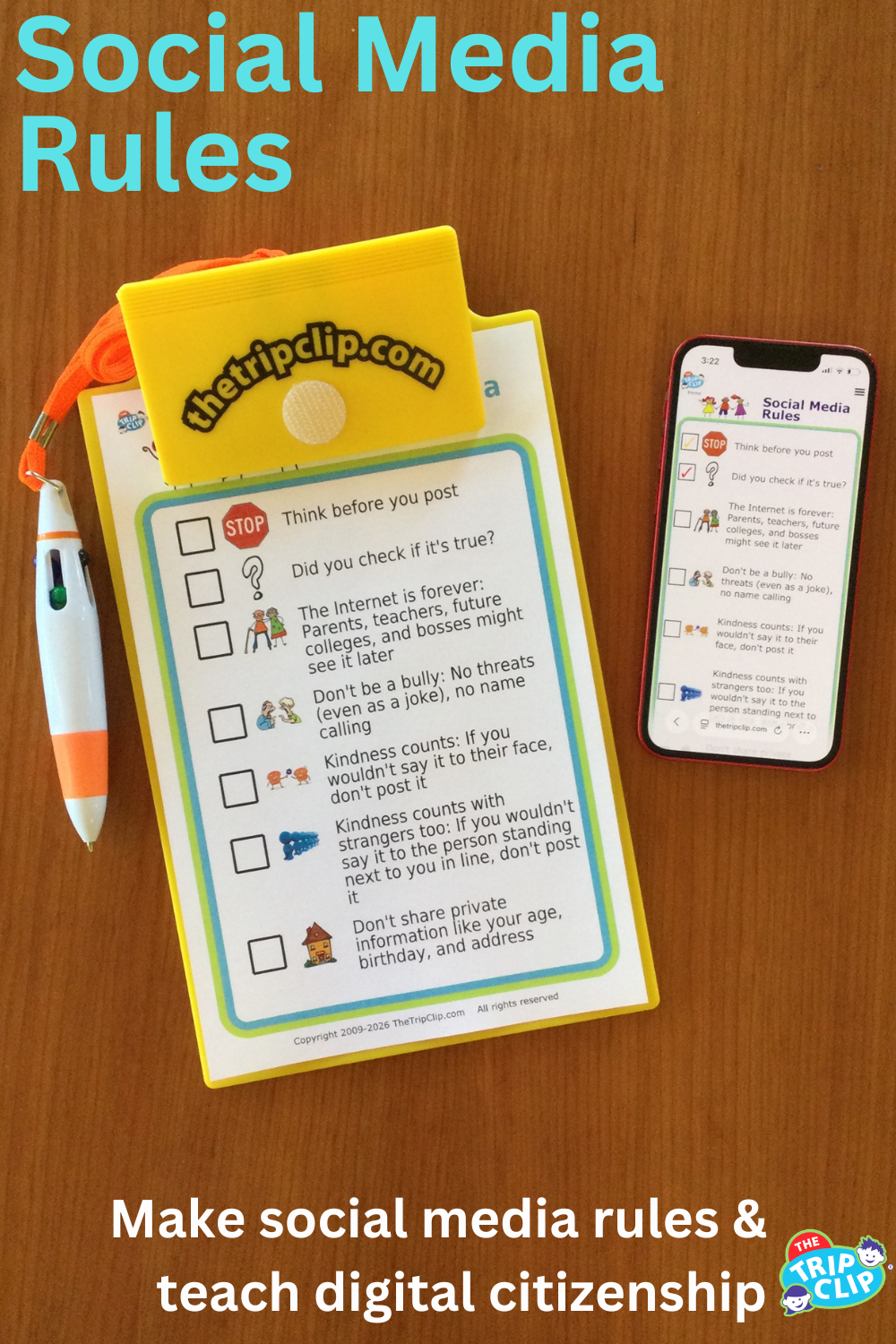
The free social media rules resource outlines essential boundaries designed specifically for early adolescents. It moves past vague warnings to focus on concrete, positive digital citizenship behaviors. The checklist style breaks down complex ideas into manageable pieces: protecting personal information, crafting strong passwords, pausing before hitting send or share, and recognizing when an interaction crosses the line from playful to hurtful. Preteens thrive on clarity, and having written expectations eliminates the guesswork of online navigation. Furthermore, the resource emphasizes that children are never in trouble for reporting something uncomfortable to a trusted adult. This safety valve ensures young users feel supported rather than terrified of losing their device privileges. Related guide: Free Printable Kitchen Safetycoloring Sheets For Kids.
Key Learning Outcomes
Working through these printed guidelines helps preteens build critical thinking skills for the digital age. Children learn to pause and evaluate the potential permanence of digital footprints before posting photos or comments. Another major focus centers on empathy and digital etiquette, helping students understand how tone translates across screens where facial expressions and body language remain invisible. The document encourages preteens to curate their online feeds intentionally, seeking content that uplifts rather than drains them. By establishing these ground rules, adults empower kids to view technology as a tool for connection and creativity rather than a source of anxiety.
How to Use This Printable
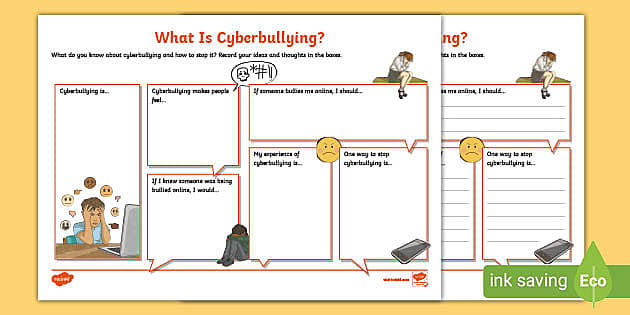
Implementing this tool effectively relies on collaboration rather than lecture-style delivery. Adults can introduce the checklist during a relaxed family meeting or a homeroom advisory period, inviting preteens to read through the points and discuss why each rule matters in real life. Pinning the physical copy to a refrigerator or a classroom bulletin board keeps expectations visible without feeling overly punitive. When children take part in discussing the guidelines, ownership over their online behavior increases dramatically. To expand this lesson, educators often pair these discussions with targeted worksheets that challenge students to analyze hypothetical online scenarios and brainstorm safe solutions.
Practical Tips for Parents and Teachers
Consistency remains the cornerstone of effective digital citizenship education. Adults should review the rules periodically, especially when preteens download new apps or receive updated devices. It sounds simple, and that is the point: regular, low-stakes check-ins normalize talking about online experiences. Instead of asking generic questions about the day, adults can ask specific, engaging prompts about funny videos seen or tricky conversations navigated in group chats. Keeping communication channels wide open ensures that when a preteen encounters cyberbullying or sketchy direct messages, seeking help feels natural and safe.
Age-Appropriate Recommendations
Middle schoolers require a distinct approach compared to younger children because their social circles expand rapidly outside direct adult supervision. Grounding these lessons in the Common Sense Education Digital Citizenship Curriculum provides a structured pathway for teaching media balance, privacy, and respectful communication. At this developmental stage, rules should focus heavily on boundary-setting, recognizing the emotional impact of viral content, and understanding data privacy. Preteens are capable of deep moral reasoning, making this the ideal window to transition from external rule-following to genuine internal self-regulation.
According to Pew Research Center, a vast majority of teens and preteens report using smartphones daily, with a substantial portion describing themselves as almost constantly connected to online platforms. — Pew Research Center
Frequently Asked Questions
Navigating digital safety tools sparks many practical questions for educators and families alike. Clear answers help maximize the impact of printed guidelines in homes and classrooms. Reviewing these common inquiries ensures seamless integration of safety protocols into daily routines.
Explore More Free Kids Online Safety Printables
Expanding a digital citizenship toolkit requires a variety of engaging formats designed for different learning styles. Educators looking to reinforce foundational internet habits in younger grades can incorporate creative coloring pages that spark early safety discussions. For comprehensive home implementation strategies, exploring broader internet and digital safety resources provides endless inspiration. Additionally, discovering further online and digital safety materials ensures children stay protected as they grow.
Developmental Milestone & Activity Table
| Development Stage | Recommended Daily Duration | Primary Learning Objective |
|---|---|---|
| Preschool & Pre-K | 10 – 15 Minutes | Pencil grip development & basic pre-stroke lines |
| Kindergarten | 15 – 20 Minutes | Letter/number formation & spatial line awareness |
| Early Elementary (Grade 1–2) | 20 – 30 Minutes | Fluency, sentence construction & neatness |
Images References