Introduction
Children encounter the digital world long before they learn to navigate city streets alone. Modern childhood involves shared family tablets, multiplayer game chats, and educational video platforms used both inside elementary classrooms and around the kitchen table. Navigating these spaces safely requires foundational habits rather than fear-based warnings. Adults often struggle to introduce digital citizenship topics without causing anxiety or confusion. A free printable simple drawing on how to be safe online bridges this communication gap effectively. Coloring reinforces safety messages through tactile engagement, giving children a visual anchor while opening natural doors for conversation. It sounds simple, and that’s the point. Related guide: Cctv Introduction Lesson For Grade 4.
💡 Educational Key Takeaways:
- Core Skill: Structured Simple Drawing On How To Be Safe Online focused on developing pencil grip, stroke control, and early literacy/math confidence.
- Target Scope: Suited for homeschoolers, preschool, kindergarten, and elementary learners.
- Best Recommendation: Practice 10–15 minutes daily with ergonomic writing tools to reinforce muscle memory without hand fatigue.
What This Printable Covers
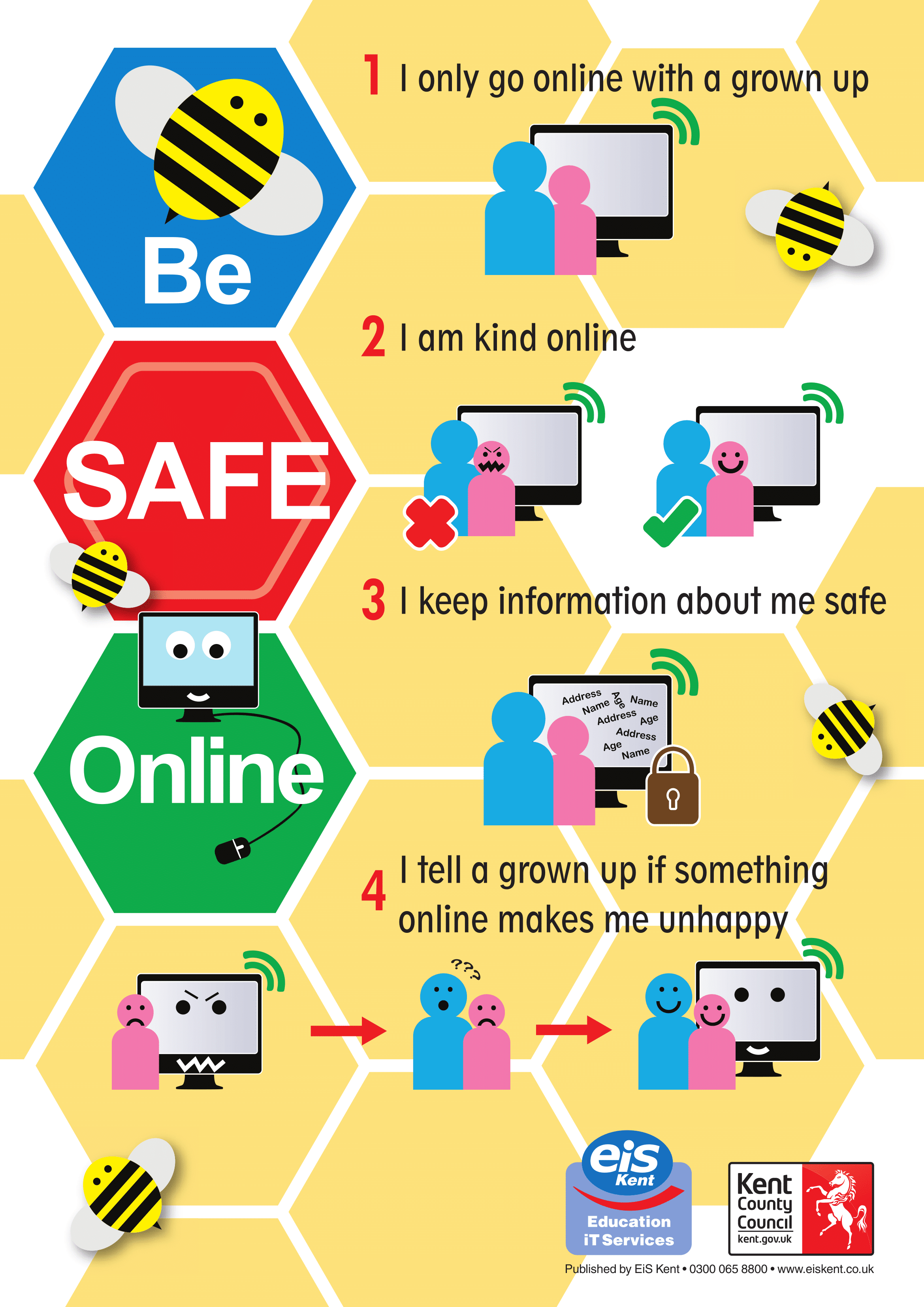
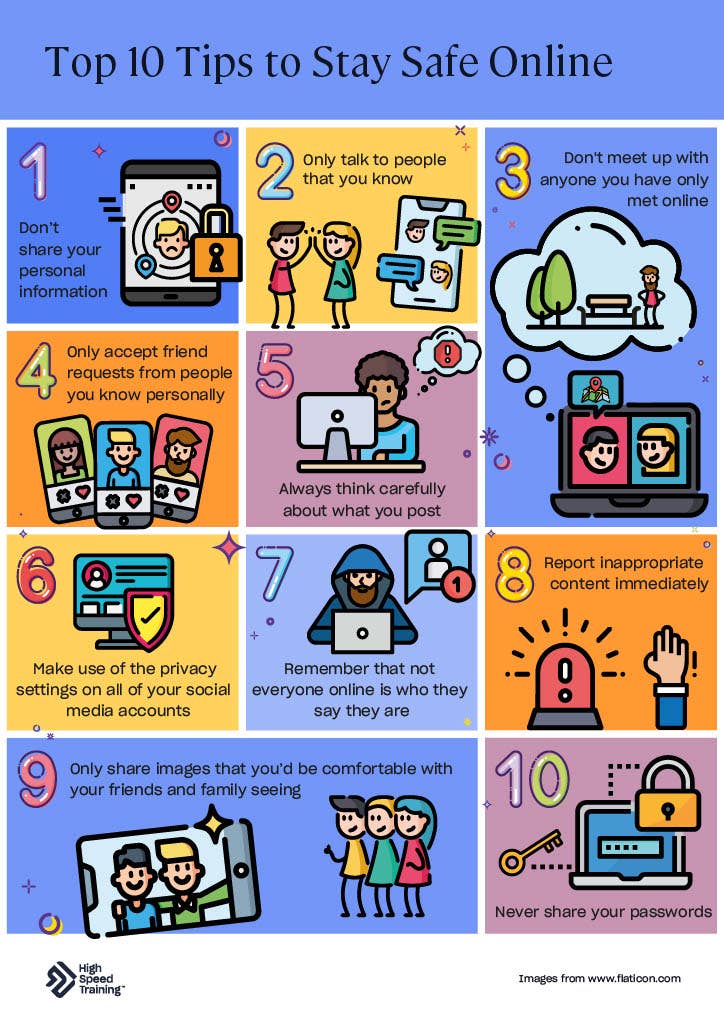
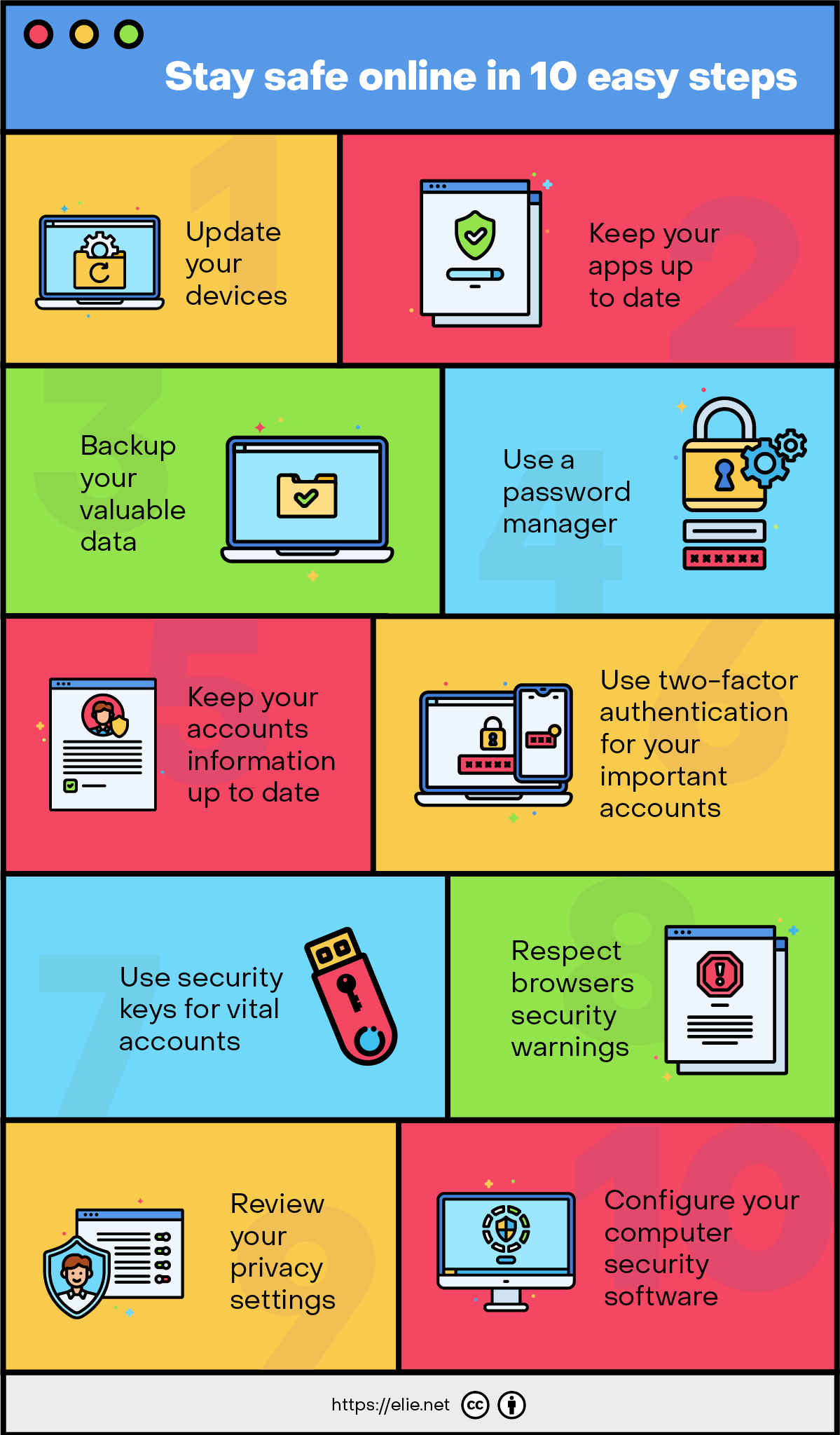
Visual learning tools simplify abstract digital concepts into concrete actions for young learners. The printable features clear, relatable line art depicting fundamental protective habits. Children engage with core concepts such as keeping personal information private, creating strong passwords, and thinking before sharing photos or messages. Instead of lecturing about internet dangers, the resource emphasizes positive agency. It reinforces the vital message that children are never in trouble for reporting something uncomfortable to a trusted adult. Grounded in daily realities, the sheet addresses scenarios common on shared family devices and in-game chat features, teaching kids how to pause and assess digital environments.
Key Learning Outcomes
Working through this activity helps students identify what constitutes private information, like home addresses, full names, and school names. Participants practice recognizing red flags during gameplay or video viewing, establishing a habit of seeking adult guidance immediately. According to Common Sense Media research, a significant percentage of school-age children use mobile devices daily, making early habit formation essential for lifelong digital well-being. The activity encourages children to pause before clicking, sharing, or responding to unfamiliar prompts, building internal self-regulation skills that transfer directly into classroom and home environments.
How to Use This Printable
Implementation requires minimal preparation, making this resource ideal for busy educators, school counselors, and parents managing homeschool curricula. Adults can distribute the sheets during morning meeting transitions, art blocks, or family digital check-in times. As children color the illustrations, educators can ask open-ended questions about favorite online games and safe communication habits. This low-pressure setting encourages honest sharing without putting participants on the spot. Pairing visual tools with hands-on practice aligns well with broader educational strategies found within resources like Internet and Digital Safety modules.
Practical Tips for Parents and Teachers
Facilitators should focus discussion on problem-solving rather than rule enforcement. Here’s what makes this resource different: it transforms passive listening into active dialogue. Educators can display completed artwork around the classroom to serve as gentle, ongoing reminders of digital etiquette. Families can stick the finished page on the refrigerator as a visual contract for safe tablet usage. Keeping the tone calm and empowering ensures children view safety as a helpful skill to build, rather than a punishment to dread. For more activity-based instruction, exploring additional Worksheets provides supplementary avenues for reinforcement.
Age-Appropriate Recommendations
Tailoring digital citizenship instruction to developmental stages ensures maximum impact for children aged five through twelve. Younger elementary students benefit from basic rules about telling a grown-up when something looks weird on a screen. Older elementary students can discuss peer pressure in chat rooms and the permanence of digital footprints. This developmental scaffolding mirrors the Common Sense Education Digital Citizenship Curriculum framework, which emphasizes age-appropriate progression from basic device awareness to complex ethical online behavior. Educators can locate supplementary creative materials by browsing through Coloring Pages tailored for diverse grade levels.
Young children frequently encounter digital environments through shared family screens and interactive gaming platforms, making early visual education vital for habit formation. — Pew Research Center
Frequently Asked Questions
Clear answers help adults maximize the educational value of these printable assets. Educators often look for ways to integrate digital safety seamlessly alongside traditional subjects like reading and art. Families appreciate having practical scripts to discuss screen time boundaries without conflict. According to the National Center for Missing & Exploited Children, open communication between youth and trusted adults remains one of the most effective protective factors in digital spaces. Additional guidance on safeguarding minors can be found by reviewing Online and Digital Safety articles.
Explore More Free Kids Online Safety Printables
Building lasting digital citizenship habits takes consistent reinforcement across multiple school years and home environments. Accessing a diverse library of supplementary tools allows adults to address emerging online challenges proactively. Combining coloring sheets, discussion prompts, and interactive games creates a comprehensive safety net for growing minds. Educators and families working together ensure that children stride confidently and securely into the digital age.
Developmental Milestone & Activity Table
| Development Stage | Recommended Daily Duration | Primary Learning Objective |
|---|---|---|
| Preschool & Pre-K | 10 – 15 Minutes | Pencil grip development & basic pre-stroke lines |
| Kindergarten | 15 – 20 Minutes | Letter/number formation & spatial line awareness |
| Early Elementary (Grade 1–2) | 20 – 30 Minutes | Fluency, sentence construction & neatness |
Images References