Introduction
The digital landscape forms a significant part of a child’s world. Understanding the signs of cyberbullying in kids offers a vital component of comprehensive internet safety education. This topic plays a crucial role in building digital awareness, fostering responsible online behavior, and ensuring personal safety across all age groups. While foundational lessons in kindness and empathy begin in preschool, recognizing distinct distress signals online becomes paramount for elementary, middle, and high school students. Internet safety education stands as a trusted priority for educators, parents, and schools. A proactive approach equips young people with the knowledge to navigate digital spaces securely and to seek assistance when needed. Explore more in our Internet and Digital Safety category.
💡 Educational Key Takeaways:
- Core Skill: Structured Signs Of Cyberbullying In Kids focused on developing pencil grip, stroke control, and early literacy/math confidence.
- Target Scope: Suited for homeschoolers, preschool, kindergarten, and elementary learners.
- Best Recommendation: Practice 10–15 minutes daily with ergonomic writing tools to reinforce muscle memory without hand fatigue.
Why This Topic Matters
Learning about the signs of cyberbullying yields significant, measurable benefits for young people. It cultivates critical thinking skills essential for evaluating online interactions and content. Children learn to recognize potential dangers and harmful behaviors, enhancing their ability to protect themselves and others. This knowledge also supports the development of safe digital habits, fostering proactive prevention strategies. Ultimately, understanding cyberbullying contributes to responsible internet use, emphasizing empathy, respect, and resilience in digital environments. These outcomes directly align with key digital citizenship principles and vital child development milestones related to social-emotional learning and personal safety. Equipping children with this awareness empowers them to seek help and intervene appropriately. Related guide: Teachers Of Grades 9–12 Should Expand Internet Safety Instruction To Include Which Of The Following Topics?.
Key Concepts and Teaching Strategies
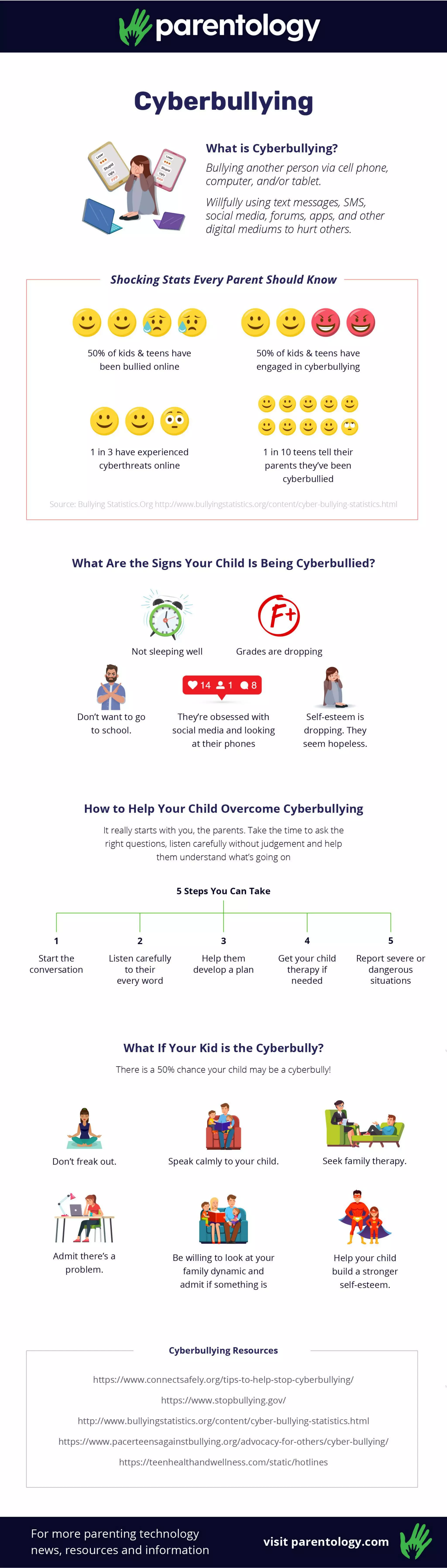
The core concepts surrounding signs of cyberbullying are multifaceted. These include defining what cyberbullying is, understanding various forms it can take, and identifying common warning signs observed in children. Practical strategies involve establishing clear rules for online conduct, offering actionable tips for responding to or reporting incidents, and exploring real-life scenarios through discussion. Educators and parents can scaffold learning progressively, beginning with foundational messages about kindness and reporting to a trusted adult for younger children. For elementary students, focus shifts to recognizing different types of online meanness and understanding the power of blocking or unfriending. Middle and high school students benefit from deeper dives into digital footprints, bystander intervention, and robust reporting mechanisms. Practical classroom activities might include role-playing difficult online situations, analyzing case studies, or creating digital safety posters. At home, open communication about online experiences, collaborative boundary setting, and consistent reinforcement of safety principles prove effective. Browse more guides on Safe Wired Schools.
Explore More Resources
Understanding the signs of cyberbullying in kids forms an essential part of a consistent digital safety learning routine. Continuous engagement with these topics builds lasting resilience and promotes safer online experiences. Educators and parents are encouraged to explore additional internet safety resources, comprehensive guides, and printable materials available at safewiredschools.org. These tools support continued skill development for both adults and children, fostering a shared commitment to digital well-being.
Developmental Milestone & Activity Table
| Development Stage | Recommended Daily Duration | Primary Learning Objective |
|---|---|---|
| Preschool & Pre-K | 10 – 15 Minutes | Pencil grip development & basic pre-stroke lines |
| Kindergarten | 15 – 20 Minutes | Letter/number formation & spatial line awareness |
| Early Elementary (Grade 1–2) | 20 – 30 Minutes | Fluency, sentence construction & neatness |