Introduction
A digital safety guide for kids offers foundational principles for secure online engagement, applicable from preschool (ages 35) through elementary grades (15) and into middle/high school (grades 612). This comprehensive resource supports learners across all developmental stages, fostering digital awareness and promoting responsible online behavior. Establishing personal safety practices in the digital realm forms an essential life skill in today’s interconnected world. Educators, parents, and school administrators prioritize internet safety instruction as a trusted, core component of modern education. Building a secure digital environment ensures children can explore and learn confidently, reflecting a commitment to their well-being and future success.
💡 Educational Key Takeaways:
- Core Skill: Structured Digital Safety Guide For Kids focused on developing pencil grip, stroke control, and early literacy/math confidence.
- Target Scope: Suited for homeschoolers, preschool, kindergarten, and elementary learners.
- Best Recommendation: Practice 10–15 minutes daily with ergonomic writing tools to reinforce muscle memory without hand fatigue.
Why This Topic Matters
Understanding digital safety provides numerous measurable benefits for young learners. Children cultivate critical thinking skills when evaluating online content, discerning reliable information from misinformation. The ability to recognize potential online dangers improves personal security and empowers informed decision-making. Consistent application of safe digital habits fosters responsible internet use from an early age. These competencies align directly with established digital citizenship frameworks, preparing students for ethical participation in the online community. Progressive mastery supports vital child development milestones related to autonomy, decision-making, and social responsibility. Early instruction in online safety builds a resilient generation of digital citizens capable of navigating complex online environments effectively. Related guide: 5 Cyber Safety Tips Symbols That Can Be Read By The Grede 7 Students.
Key Concepts and Teaching Strategies
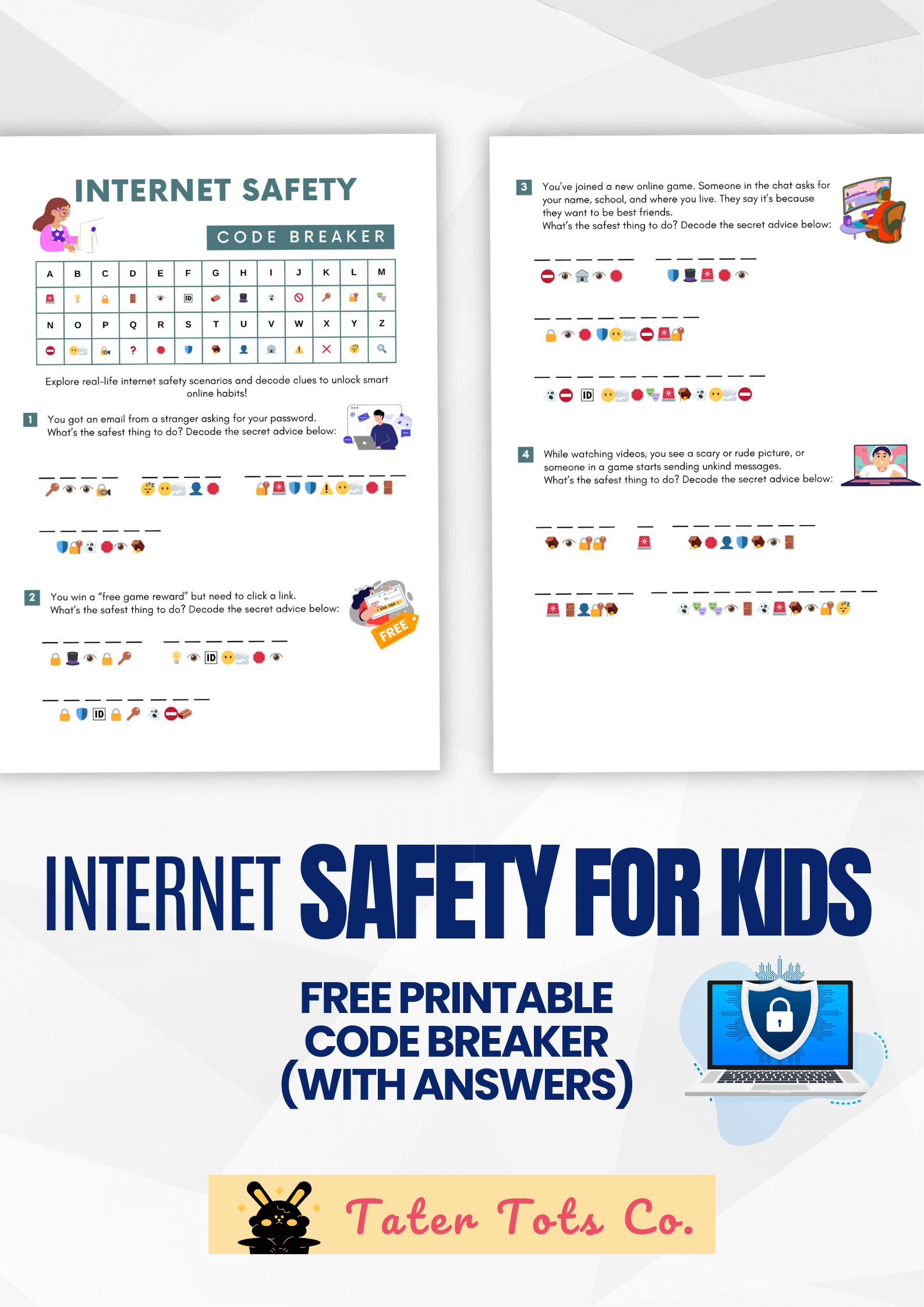
A digital safety guide for kids encompasses several core concepts for effective learning. Clear online rules establish boundaries for appropriate digital behavior. Practical safety tips offer actionable advice for various online interactions, such as sharing information or communicating with others. Identifying common warning signs helps prevent engagement with harmful content or individuals. Exploration of real-life scenarios prepares learners for diverse online situations, promoting proactive problem-solving. Age-appropriate strategies ensure instruction resonates with a child’s developmental stage and comprehension level. Learning progresses incrementally, scaffolding new knowledge upon prior understanding. Interactive classroom activities, such as role-playing or case studies, reinforce understanding. Thought-provoking discussion prompts encourage reflective online practices. Home-based approaches, including family media agreements and supervised online exploration, extend learning beyond school hours. Consistent reinforcement of these principles builds lasting safe online habits. Browse more guides on Safe Wired Schools.
Explore More Resources
Sustaining a consistent digital safety learning routine offers long-term benefits for children. Ongoing education strengthens a child’s capacity for safe online engagement as technology evolves. Safewiredschools.org provides an extensive collection of internet safety resources for continued skill development. Educators and parents will discover comprehensive guides, printable materials, and practical tools to support learning across all age groups. These resources offer valuable assistance in reinforcing digital safety principles at school and at home. Empowering children with digital safety knowledge represents an invaluable investment in their future well-being and responsible digital citizenship.
Developmental Milestone & Activity Table
| Development Stage | Recommended Daily Duration | Primary Learning Objective |
|---|---|---|
| Preschool & Pre-K | 10 – 15 Minutes | Pencil grip development & basic pre-stroke lines |
| Kindergarten | 15 – 20 Minutes | Letter/number formation & spatial line awareness |
| Early Elementary (Grade 1–2) | 20 – 30 Minutes | Fluency, sentence construction & neatness |
Images References