Transforming Device Boundaries Through Creative Engagement
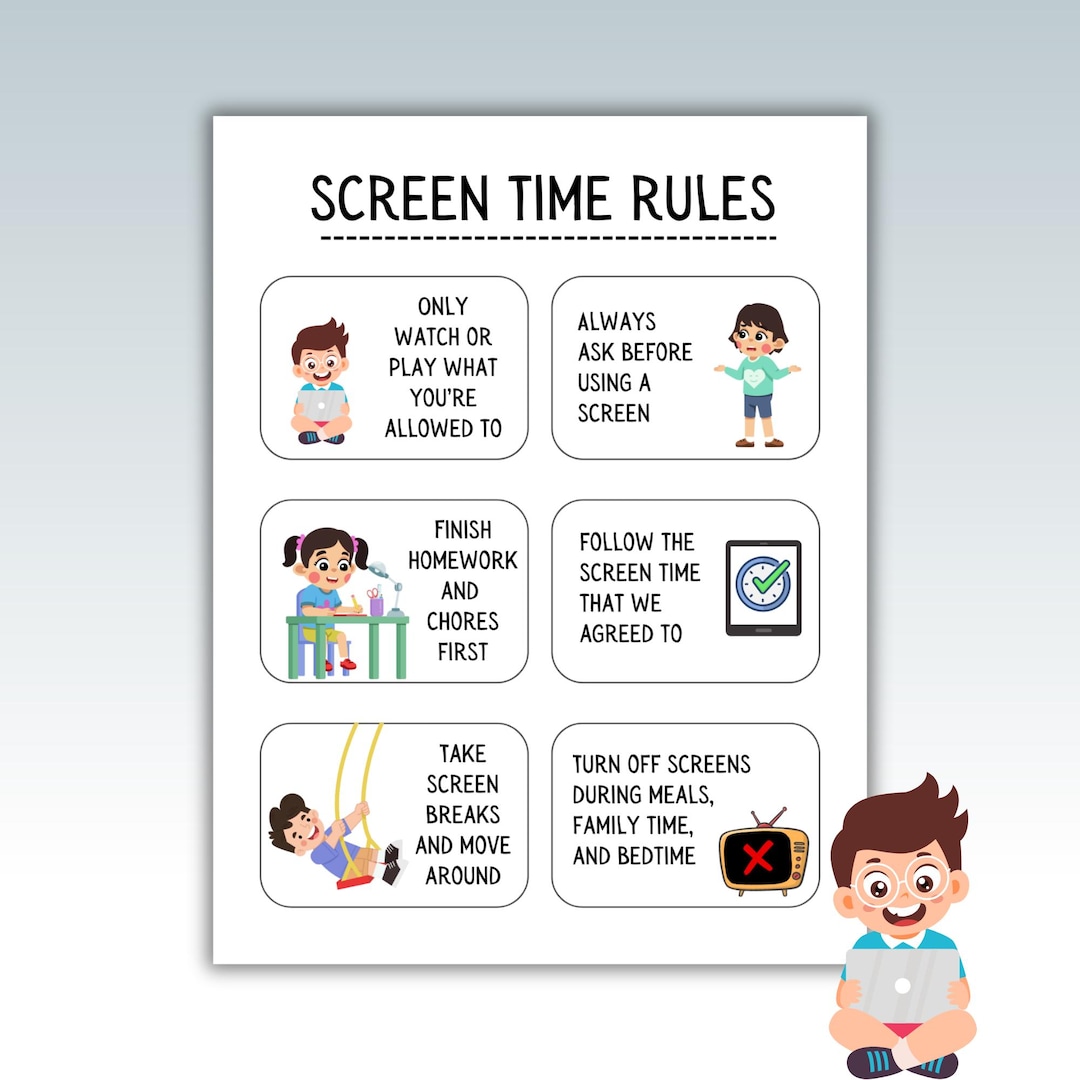
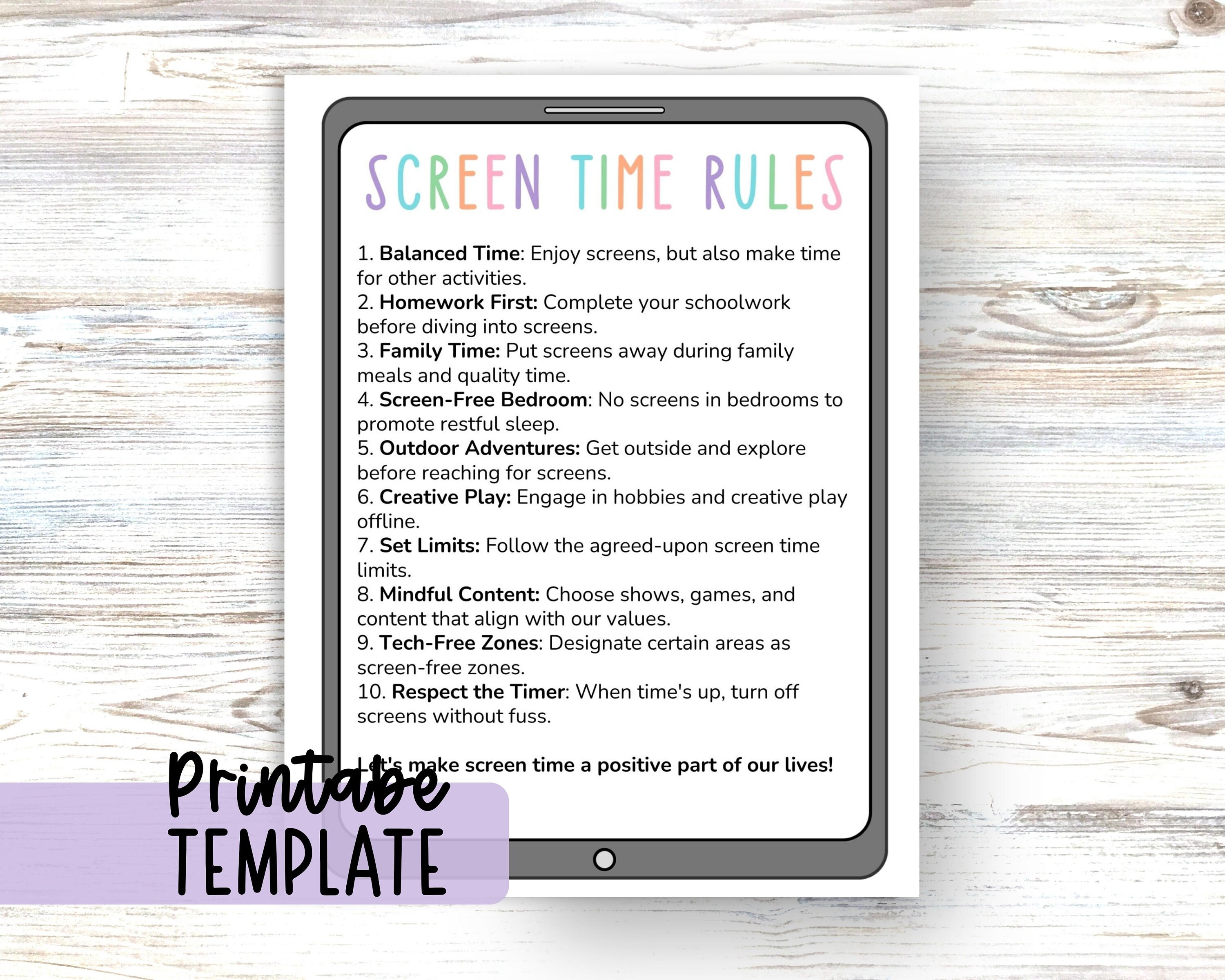
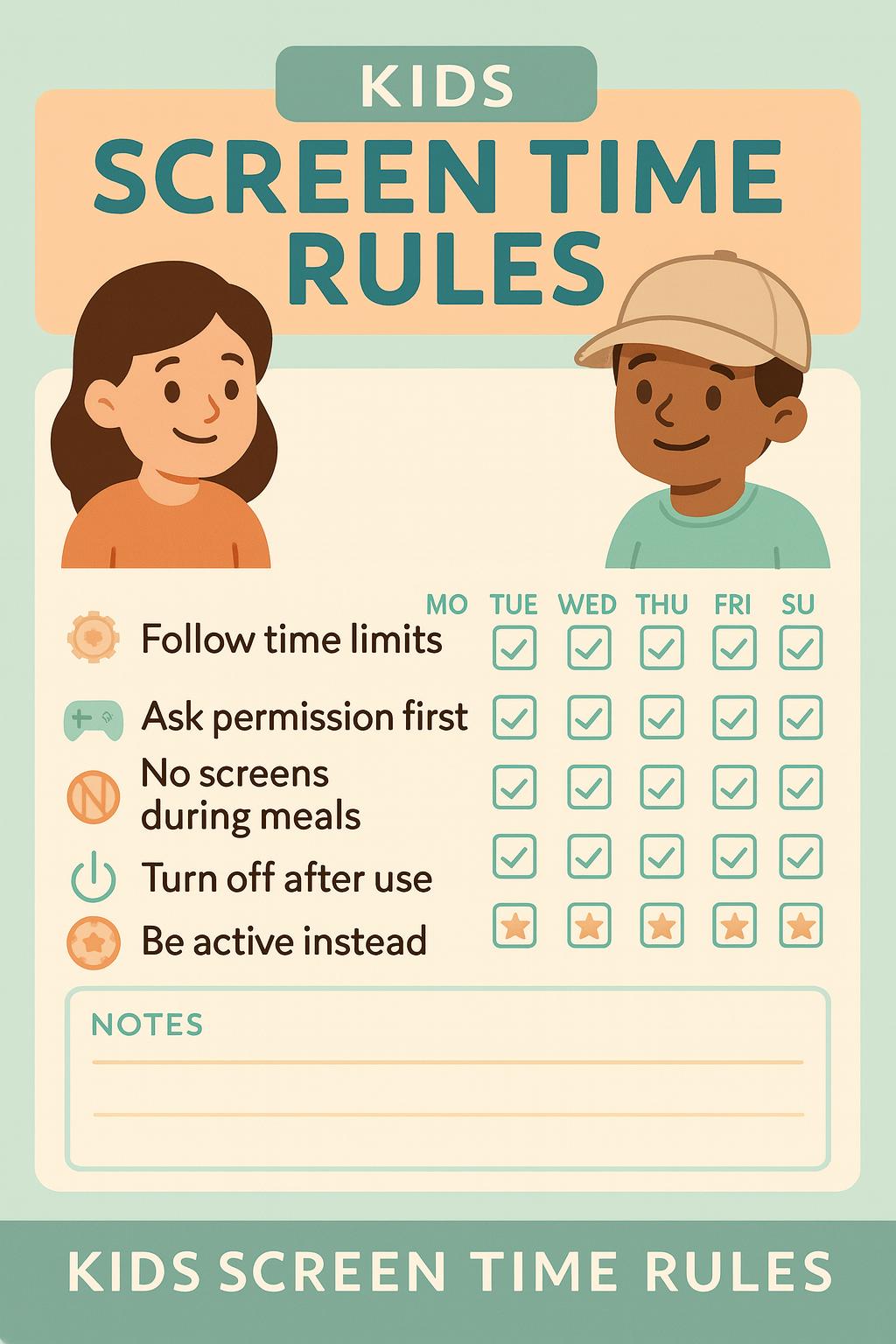
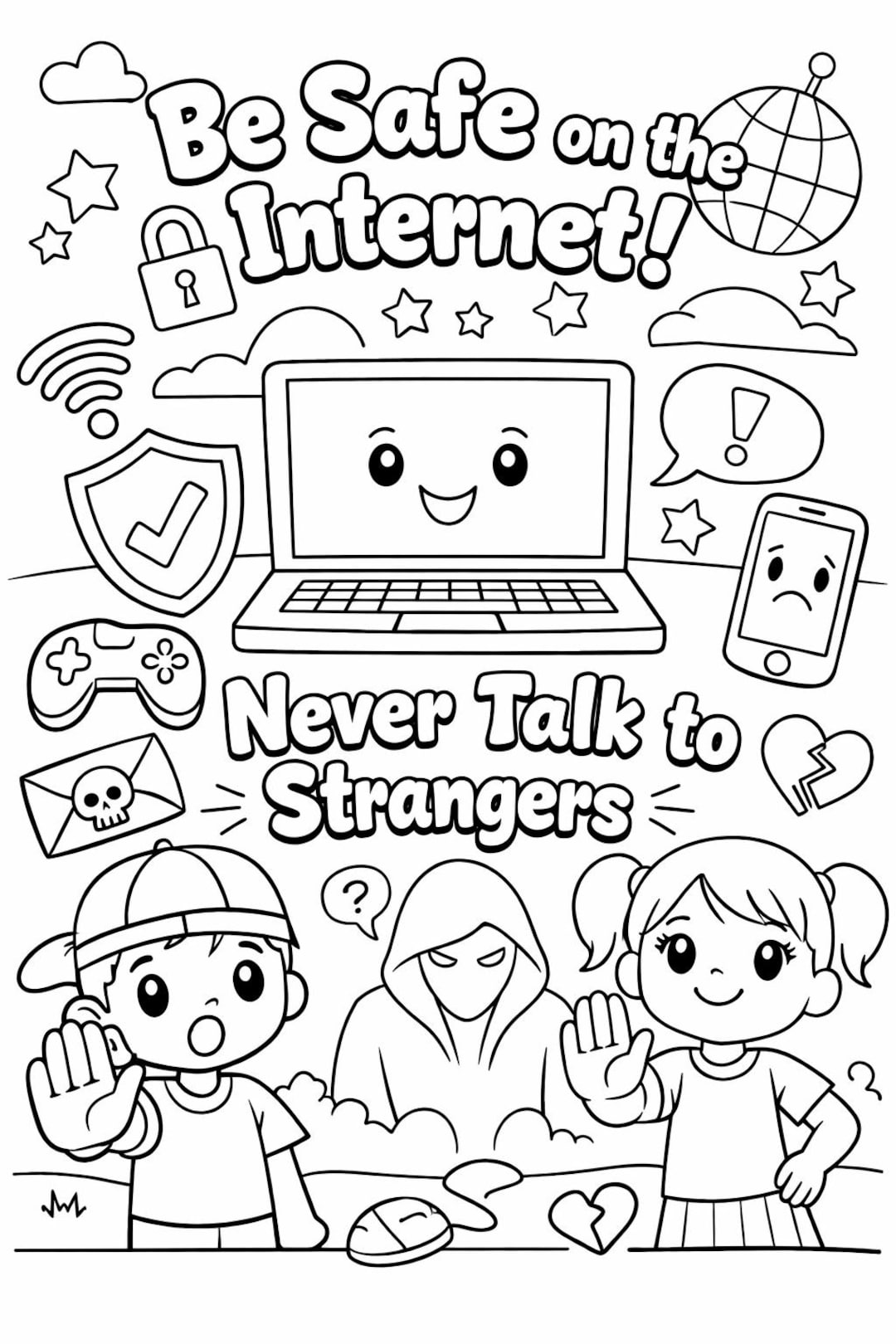
Establishing healthy technology habits can often feel like an uphill battle for parents and educators alike. When students view digital limitations as arbitrary restrictions imposed by adults, resistance naturally follows. By integrating a screen time rules coloring page into your digital citizenship curriculum, you provide younger children with a tactile, hands-on way to process online safety concepts. Grounding device boundaries in creative activities aligns closely with recommendations from organizations like ConnectSafely and FOSI, which emphasize positive reinforcement over punitive restrictions. Coloring allows children to visualize balance, making abstract concepts like offline time and respectful online communication tangible and easy to internalize.
💡 Activity Key Takeaways:
- Core Focus: Printable Screen Time Rules Coloring Page designed for creative expression and fine-motor coordination.
- Target Scope: Ideal for toddlers, preschool, kindergarten, and classroom art activities.
- Best Recommendation: Use standard heavy printer paper (24–28 lb) or cardstock for vibrant results with crayons, colored pencils, or washable markers.
Identifying Technical Vulnerabilities and Behavioral Warning Signs
While creative activities set a positive tone, adults must remain vigilant about the technical and emotional risks children face online. From unrestricted app access on home tablets to circumvention attempts on school-issued devices, spotting vulnerabilities early prevents larger digital safety issues. The breakdown below details common risk signals across various environments alongside practical guardrails recommended by cybersecurity frameworks like CISA. Related guide: Two Factor Authentication Coloring Page Kids.
| Setting / Context | Common Vulnerability | Practical Safeguard |
|---|---|---|
| Home Mobile Devices | Late-night app usage hidden beneath bedroom doors | Establish a central family charging station outside bedrooms |
| School Chromebooks | Using browser extensions to bypass classroom web filters | Review device activity logs weekly with IT department oversight |
| Interactive Chat & Gaming | Oversharing personal data in unregulated multiplayer lobbies | Disable in-game direct messaging and enforce profile privacy |
Implementing Collaborative Family Agreements and School Protocols
Moving from creative awareness to daily routines requires clear, consistent boundaries that both educators and parents reinforce. Start by discussing digital wellness expectations during classroom discussions or family dinner conversations, utilizing resources found within our Coloring Pages collection to anchor the conversation. Once students color their visual rulesheets, have them sign a family tech contract. Display these completed sheets near home computer desks or classroom charging stations as daily visual reminders. Pairing these creative exercises with robust built-in parental controls, age-appropriate content filters, and clear guidelines on our Internet and Digital Safety page ensures children receive a unified message regarding healthy device usage.
Overcoming Pushback and Addressing Student Workarounds
It is entirely normal for children and teens to push back against device limits, occasionally attempting to bypass filters or negotiate extra hours. When adults react with anger or immediate device confiscation, children often respond by driving their digital behavior underground, hiding risky online activities out of fear of punishment. Instead, treat workarounds as teachable moments. Revisit the principles discussed during your screen time rules coloring page sessions to calmly evaluate why the restriction exists—such as protecting sleep schedules or maintaining focus during homework hours. Combining empathetic listening with transparent explanations fosters trust, ensuring students come to you when they encounter uncomfortable or confusing online situations.
Frequently Asked Questions About Creative Digital Citizenship
What age group benefits most from a screen time rules coloring page?
Children in pre-kindergarten through third grade respond best to coloring pages because these activities rely on visual and tactile learning. However, the core discussions sparked by these sheets can easily be adapted into classroom brainstorming sessions for upper elementary students.
How can teachers integrate these coloring sheets into a busy curriculum?
Educators often use these activities during morning meetings, art class crossovers, or digital citizenship week kickoffs. They serve as an engaging sponge activity that transitions students smoothly into conversations about online kindness and device balance.
Are coloring pages enough to protect kids from advanced online risks?
No creative activity replaces technical guardrails. Coloring pages build foundational awareness and positive attitudes toward rules, but they must be paired with robust router controls, device monitoring software, and ongoing open communication.
Explore More Digital Citizenship Resources
Fostering a safe, balanced digital ecosystem requires continuous collaboration between home and school. To discover additional printable tools, lesson plans, and guidance for guiding children through the digital age, explore our complete library at SafeWiredSchools.org.
Printable Coloring Page Previews