Introduction
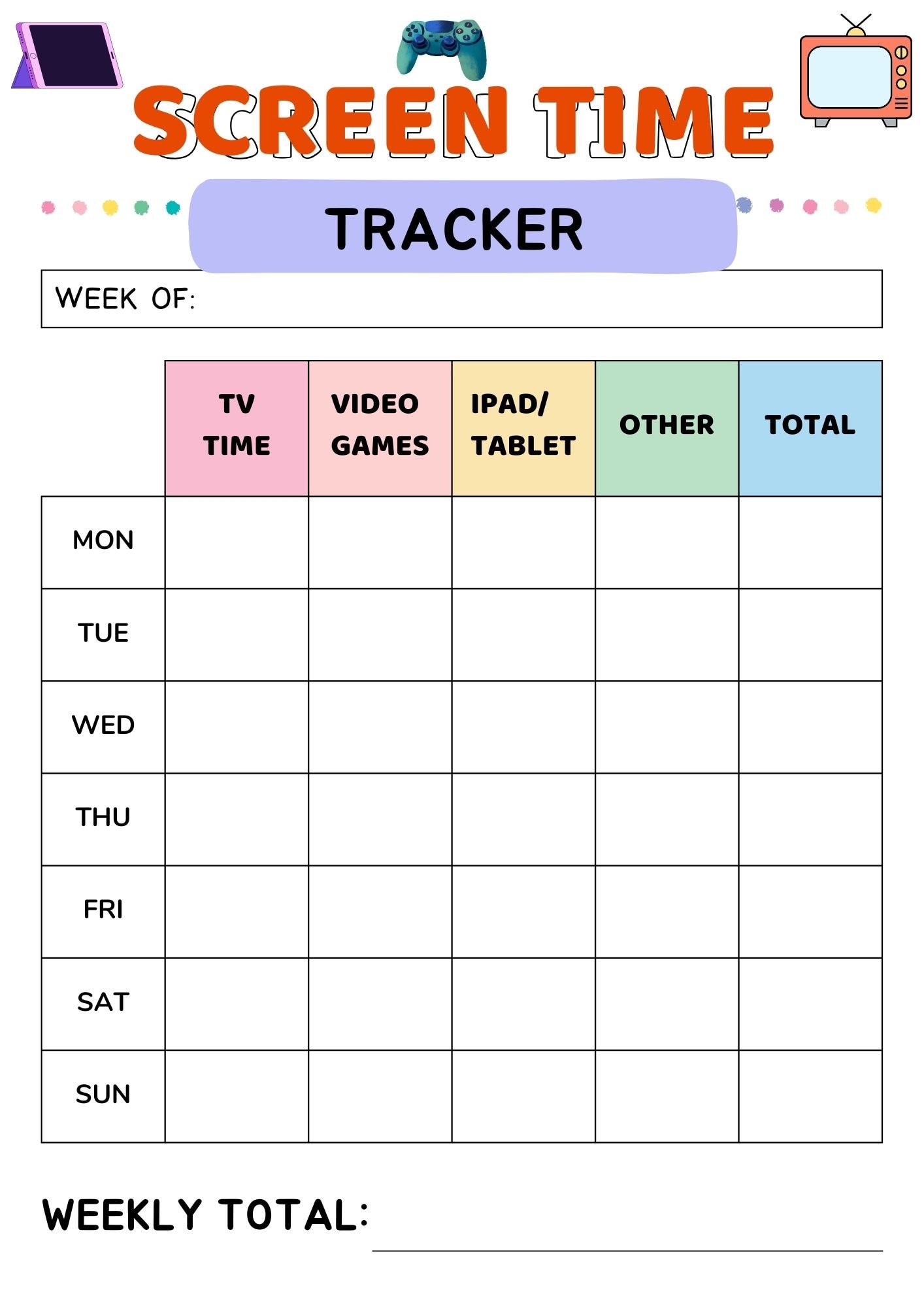
Educators and parents consistently seek reliable resources to guide children toward responsible digital citizenship. The “screen time reward chart for children” stands as a foundational, free printable resource, primarily aimed at Elementary grades 15 (ages 6-10), yet adaptable for younger and older learners with appropriate guidance. This chart serves as a practical, hands-on tool for reinforcing crucial internet safety concepts, specifically regarding healthy digital habits and balanced screen time management. Printable learning resources are widely trusted by educational professionals and caregivers alike due to their tangible nature, providing a consistent visual aid that supports the development of digital awareness and responsible online behavior. These resources offer a structured approach to discussions about technology use, making abstract concepts concrete and actionable for young minds. Utilizing such a chart establishes a proactive approach to digital well-being, fostering habits that contribute to safer and more productive engagement with the online world.
💡 Educational Key Takeaways:
- Core Skill: Structured Screen Time Reward Chart For Children focused on developing pencil grip, stroke control, and early literacy/math confidence.
- Target Scope: Suited for homeschoolers, preschool, kindergarten, and elementary learners.
- Best Recommendation: Practice 10–15 minutes daily with ergonomic writing tools to reinforce muscle memory without hand fatigue.
What This Worksheet Covers
This “screen time reward chart for children” directly addresses the critical internet safety topic of balanced screen time and the cultivation of healthy digital habits. It provides a structured framework for children to understand and manage their engagement with digital devices. The worksheet covers concepts such as setting realistic screen time goals, tracking progress toward those goals, and recognizing the benefits of varied activities beyond screens. It introduces rules surrounding appropriate usage duration and times, fostering self-regulation skills essential for navigating the digital landscape safely. The chart encourages children to reflect on their digital consumption patterns, connecting directly to recognized digital citizenship and child safety education standards that emphasize well-being, responsible use, and critical thinking about media consumption. Through consistent interaction with the chart, children develop a tangible understanding of how their choices impact their digital and physical health.
Key Learning Outcomes
By engaging with the “screen time reward chart for children,” learners will develop several vital skills and knowledge areas:. Browse more guides on Safe Wired Schools.
- Develops foundational self-regulation skills concerning digital device usage.
- Fosters an understanding of what constitutes balanced and healthy screen time.
- Encourages goal-setting and achievement related to responsible digital habits.
- Reinforces positive screen time choices through visual tracking and recognition.
- Promotes constructive family discussions about digital well-being and boundaries.
How to Use This Worksheet
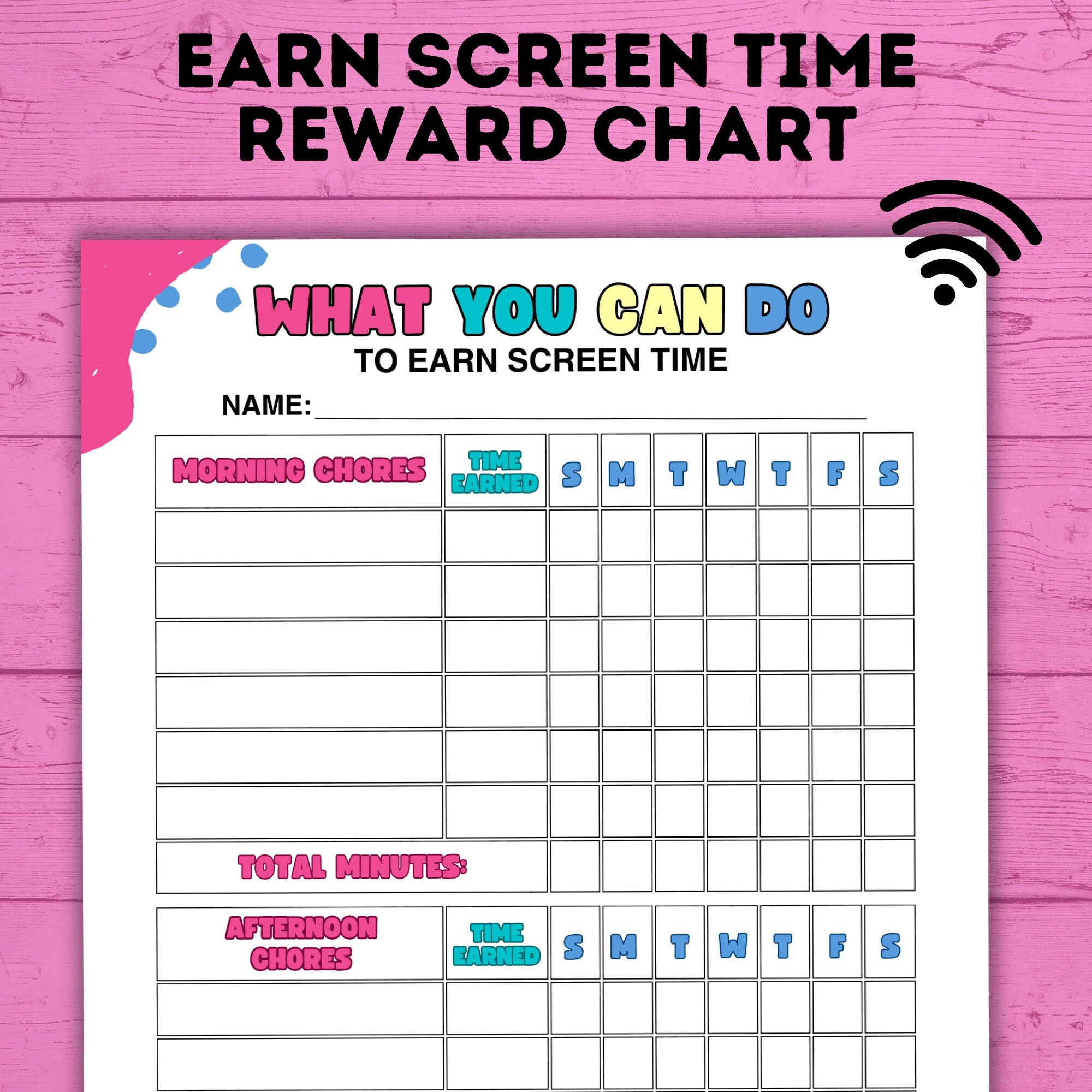
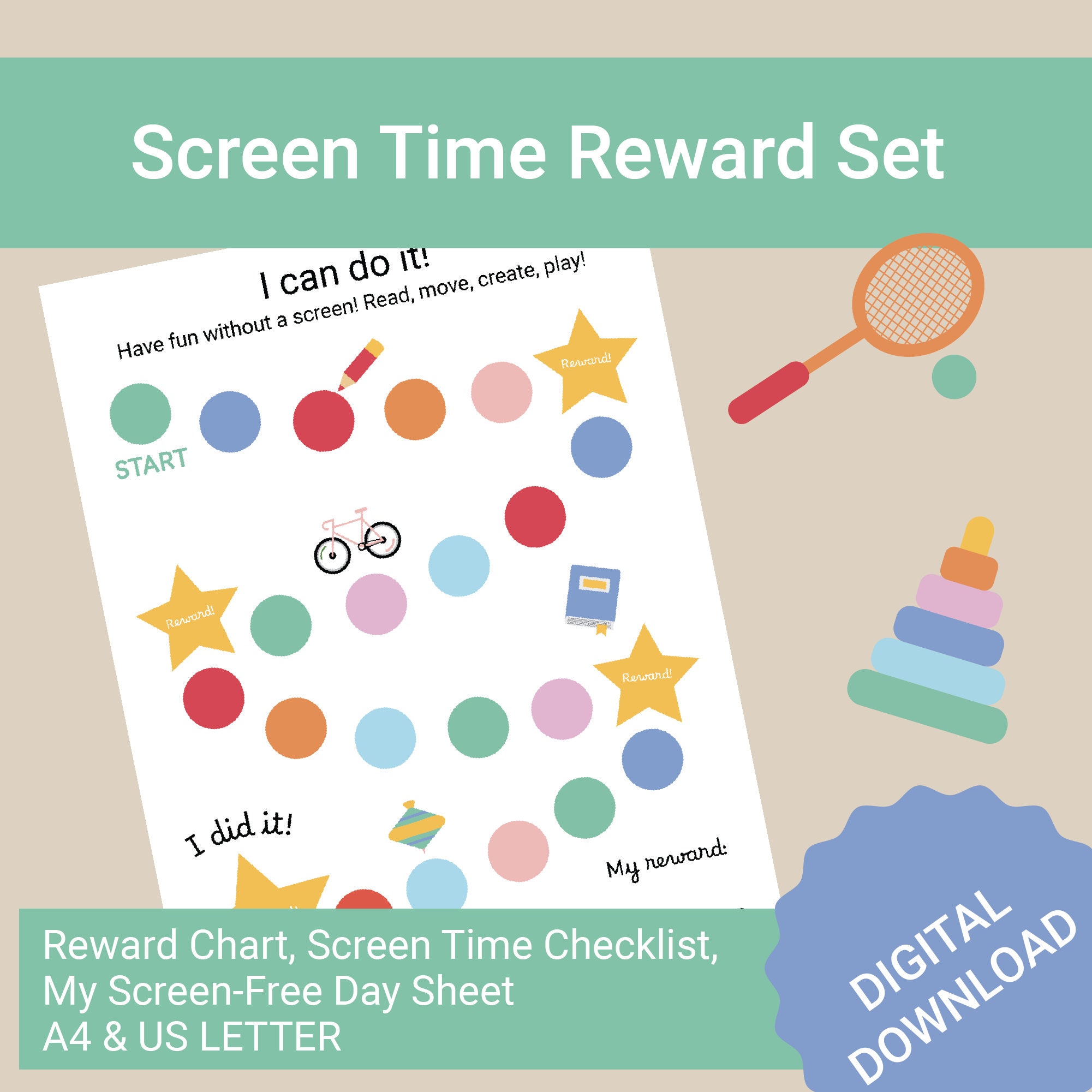
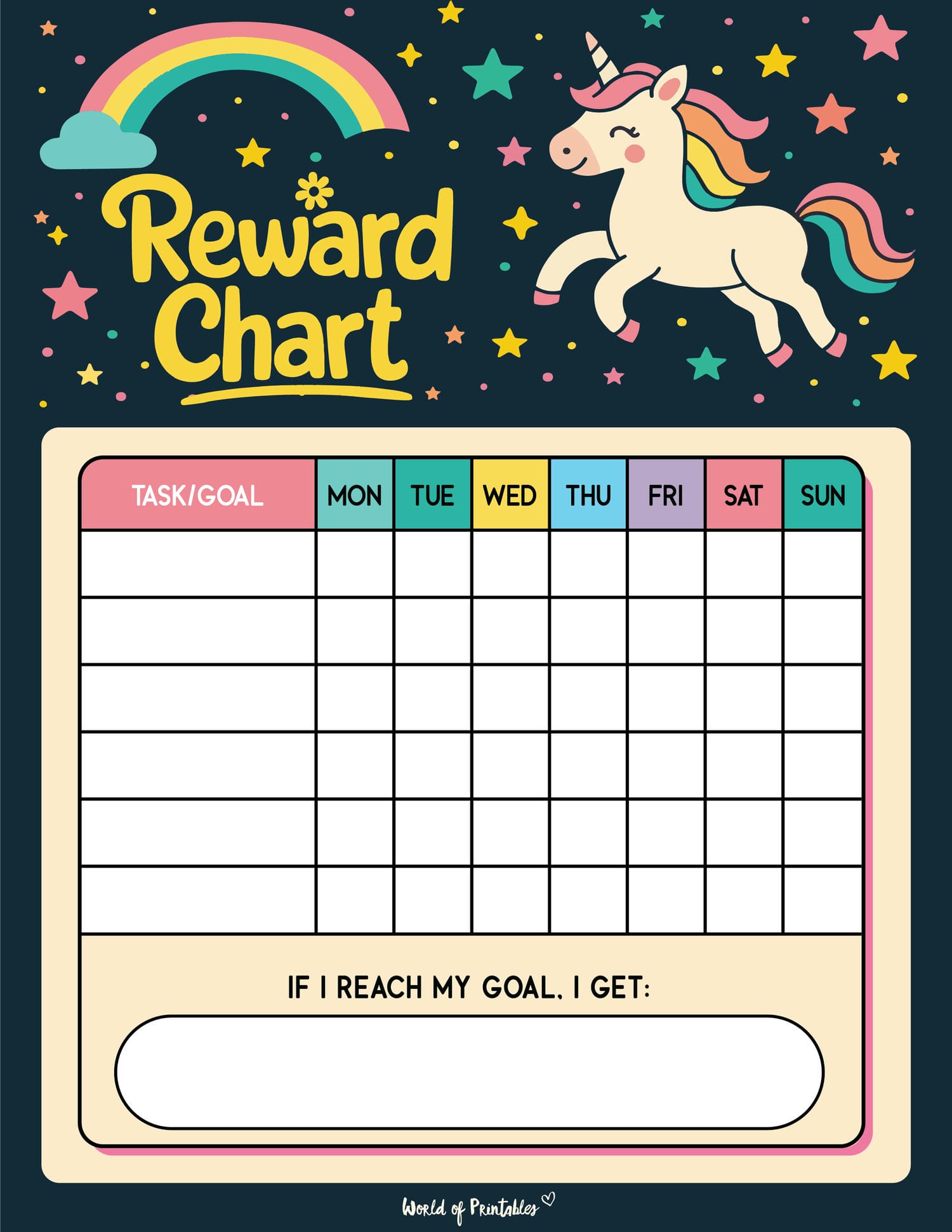
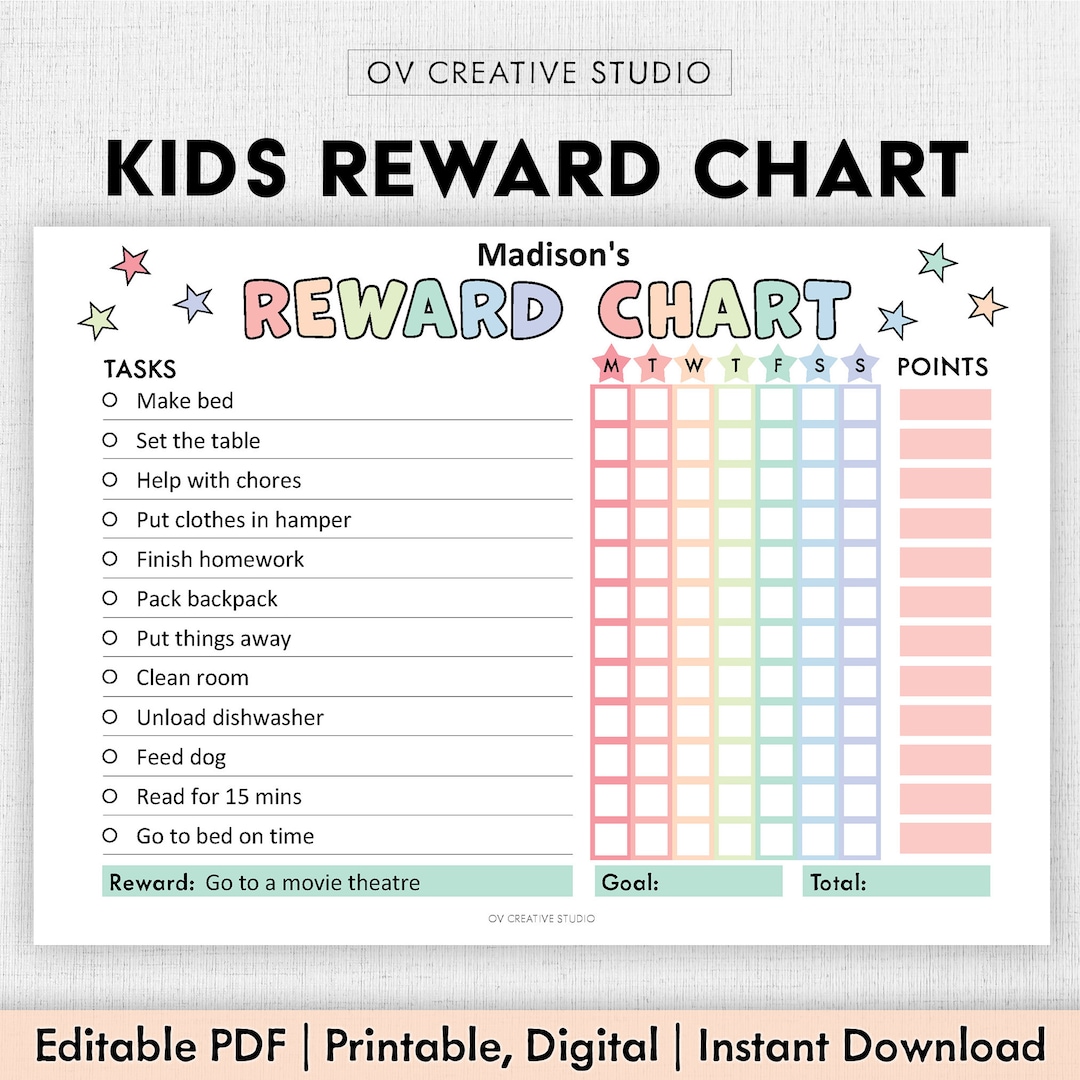
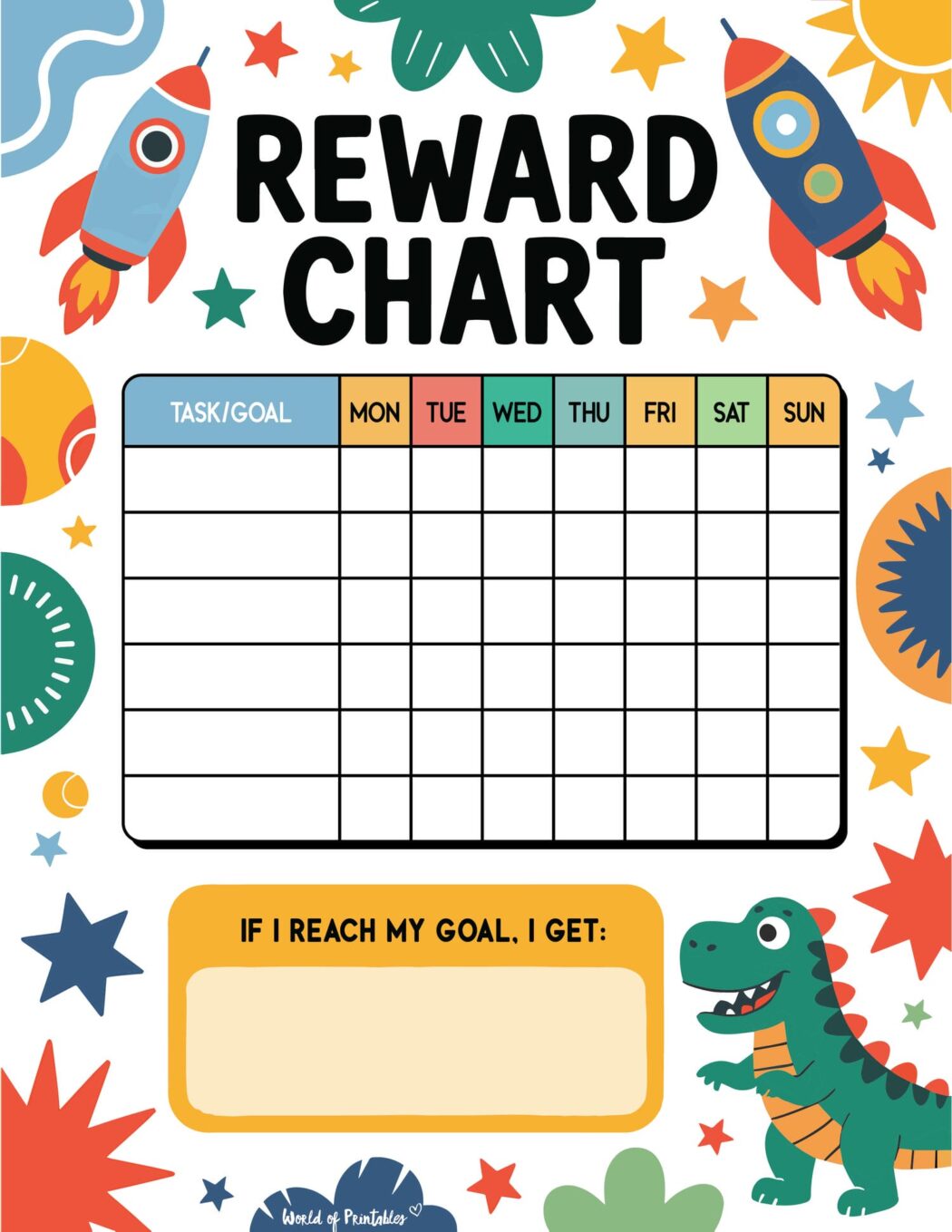
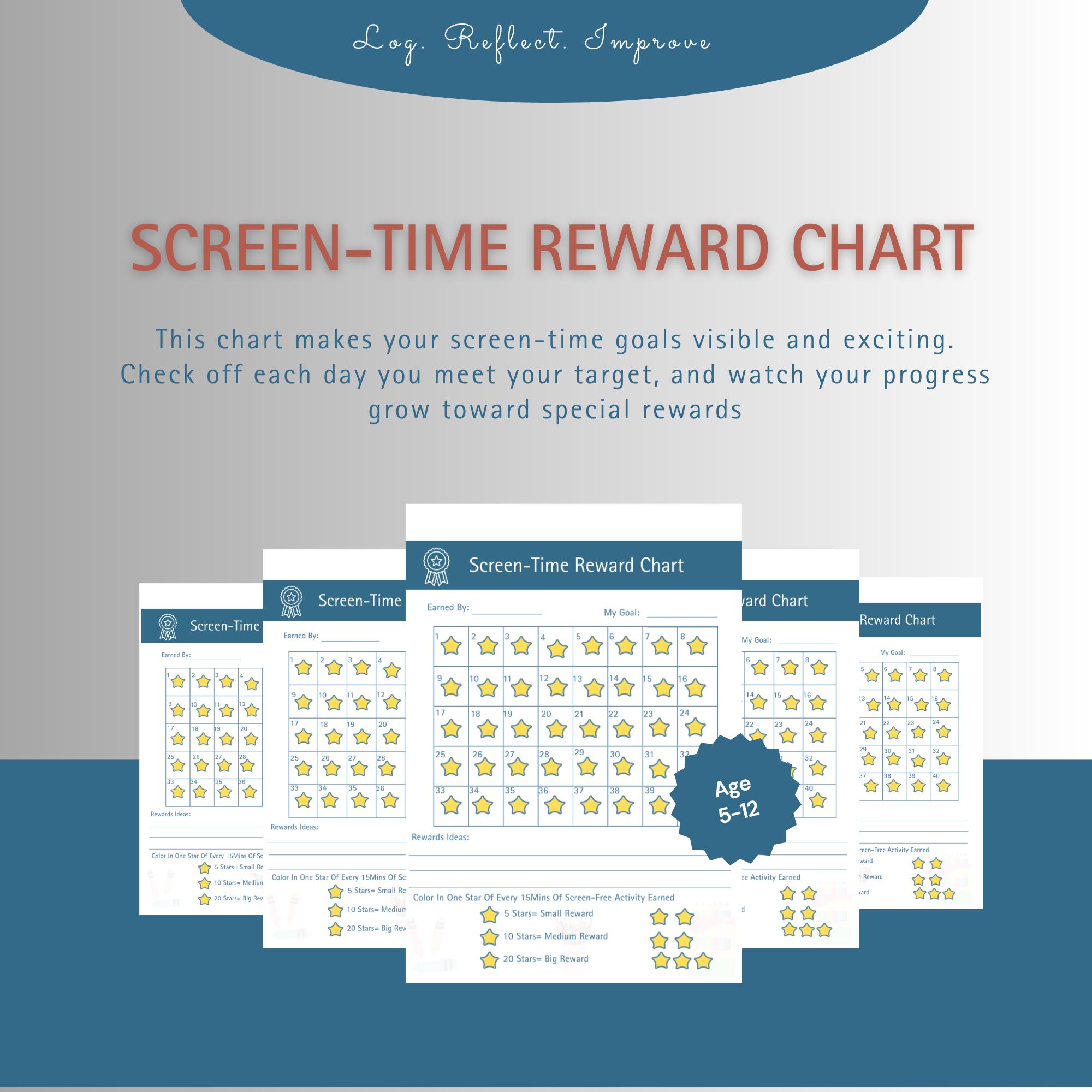
The “screen time reward chart for children” offers a straightforward yet effective method for fostering positive digital habits, applicable in both classroom and home settings. The worksheet’s format is a simple grid, allowing children to mark off days or instances where they adhere to pre-determined screen time goals. Activity types involve visual tracking and positive reinforcement, often through stickers, checkmarks, or drawing stars. The difficulty level is intentionally low, focusing on consistency and visual representation rather than complex tasks, ensuring accessibility for its target age group. Instructions are clear and direct, designed to scaffold learning progressively by breaking down the abstract concept of “balanced screen time” into daily, achievable steps. This chart can function as a standalone activity to initiate discussions about digital boundaries, integrate seamlessly into a broader lesson plan on digital citizenship, or serve as a practical homework assignment to encourage family engagement in screen time management.
Practical Tips for Parents and Teachers
- Collaborative Goal Setting: Involve children in setting their screen time goals. When children contribute to the rules, ownership and adherence tend to increase significantly.
- Consistent Recognition: Acknowledge and praise efforts regularly, even small ones. Consistent positive reinforcement motivates continued progress and reinforces desired behaviors.
- Prominent Placement: Display the chart in a highly visible location, such as on a refrigerator or classroom bulletin board, to serve as a constant visual reminder and conversation starter.
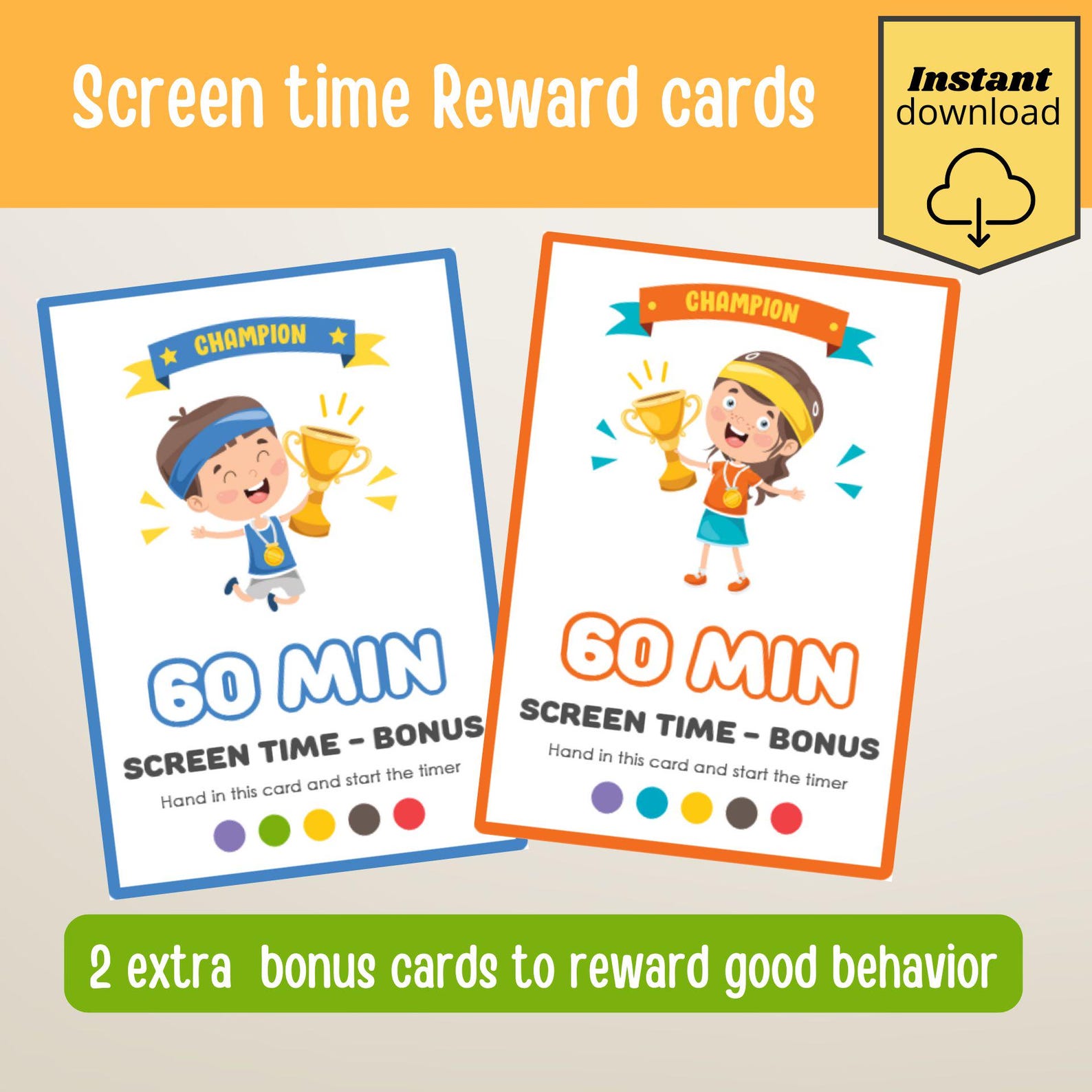
- Flexible Rewards: Diversify rewards beyond additional screen time. Consider non-digital treats like extra playtime, a special outing, or choosing a family activity to maintain balance.
- Facilitate Discussion: After charting, engage children in conversations about their progress. Ask open-ended questions like, “What was easy or challenging today regarding your screen time?” or “How did managing your screen time make you feel?”
Age-Appropriate Recommendations
The adaptability of the “screen time reward chart for children” allows for effective use across a broad age range, with adjustments to approach and level of involvement.
For Ages 5-8, the chart should be used with significant parental or teacher involvement. Goals should be very simple and concrete, such as “30 minutes of screen time after homework” or “no screens during meals.” Visual aids like stickers or colorful markers are highly effective. Rewards should be immediate and tangible, focusing on basic understanding of limits and the concept of earning privileges through responsible choices. Vocabulary support is crucial; terms like “digital balance” or “well-being” need to be explained in simple, relatable language.
For Ages 9-12, children can take on more autonomy in setting their screen time goals, perhaps with two or three simple objectives. Discussions can introduce the “why” behind balanced screen time, linking it to sleep, physical activity, and academic performance. Rewards can be slightly delayed or more significant, reflecting a growing understanding of sustained effort. The chart can become a tool for self-monitoring, where children reflect on their daily choices. Teacher or parent involvement shifts from direct instruction to guidance and collaborative problem-solving, exploring challenges and successes together.
For Ages 13-18, while a traditional “reward chart” might feel less applicable, the underlying principles of tracking and self-management remain highly relevant. The resource can be adapted into a “digital habit tracker” or “screen time planner.” The focus shifts to self-monitoring, critical thinking about digital consumption’s impact on mental health and productivity, and setting long-term goals for digital wellness. The “reward” becomes the personal satisfaction of achieving self-set goals, improved focus, or earning specific privileges related to trust and responsibility. This age group benefits from analyzing their data, identifying patterns, and making informed adjustments to their digital habits independently.
Frequently Asked Questions
Q: What is a screen time reward chart for children?
A: It is a printable visual tool designed to help children track their adherence to predetermined screen time goals. The chart uses positive reinforcement to encourage healthy digital habits and balanced device usage.
Q: How does this chart help with internet safety?
A: By promoting balanced screen time, the chart directly contributes to children’s digital well-being, a core component of internet safety. It helps children develop self-regulation skills, reducing risks associated with excessive or unmonitored online exposure.
Q: Where can this free printable chart be downloaded?
A: The free printable “screen time reward chart for children” is readily available for download on the SafeWiredSchools.org website. Access the resource by navigating to the “Worksheets” section.
Explore More Free Printable Worksheets
While the “screen time reward chart for children” offers a powerful starting point for fostering digital well-being, its full impact is realized when integrated into a comprehensive approach to internet safety education. A single worksheet works best as part of a broader collection of printable resources that address the multifaceted aspects of online safety. Educators and parents are invited to explore a full collection of free printable internet safety worksheets, activity sheets, checklists, quizzes, and more at SafeWiredSchools.org Worksheets. These resources cover every essential internet safety topic and are meticulously designed for every grade level and learning environment, ensuring a consistent and progressive learning journey in digital citizenship.
Developmental Milestone & Activity Table
| Development Stage | Recommended Daily Duration | Primary Learning Objective |
|---|---|---|
| Preschool & Pre-K | 10 – 15 Minutes | Pencil grip development & basic pre-stroke lines |
| Kindergarten | 15 – 20 Minutes | Letter/number formation & spatial line awareness |
| Early Elementary (Grade 1–2) | 20 – 30 Minutes | Fluency, sentence construction & neatness |
Images References