Introduction
The “screen time reflection worksheet for families” serves as a foundational educational tool for fostering mindful digital habits across various age groups. This resource is particularly relevant for Elementary (grades 1-5) and Middle/High School (grades 6-12) students, offering adaptable content that addresses the evolving relationship individuals have with digital devices. Its design reinforces essential internet safety concepts through engaging, hands-on learning experiences. Printable worksheets are trusted instruments employed by educators and parents alike for their tangible nature, which facilitates structured discussion and deeper comprehension. Such resources are pivotal in building critical digital awareness and cultivating responsible online behavior within both academic and home environments. The act of physically interacting with information helps solidify learning, making these materials invaluable for developing essential digital literacy skills. This specific worksheet provides a guided pathway for families to collaboratively evaluate and improve their digital well-being practices.
💡 Educational Key Takeaways:
- Core Skill: Structured Screen Time Reflection Worksheet For Families focused on developing pencil grip, stroke control, and early literacy/math confidence.
- Target Scope: Suited for homeschoolers, preschool, kindergarten, and elementary learners.
- Best Recommendation: Practice 10–15 minutes daily with ergonomic writing tools to reinforce muscle memory without hand fatigue.
What This Worksheet Covers
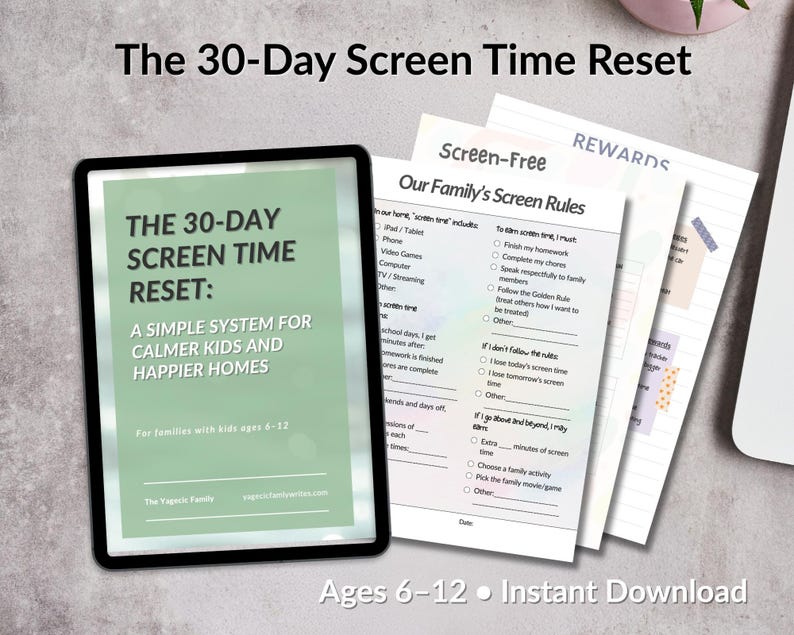
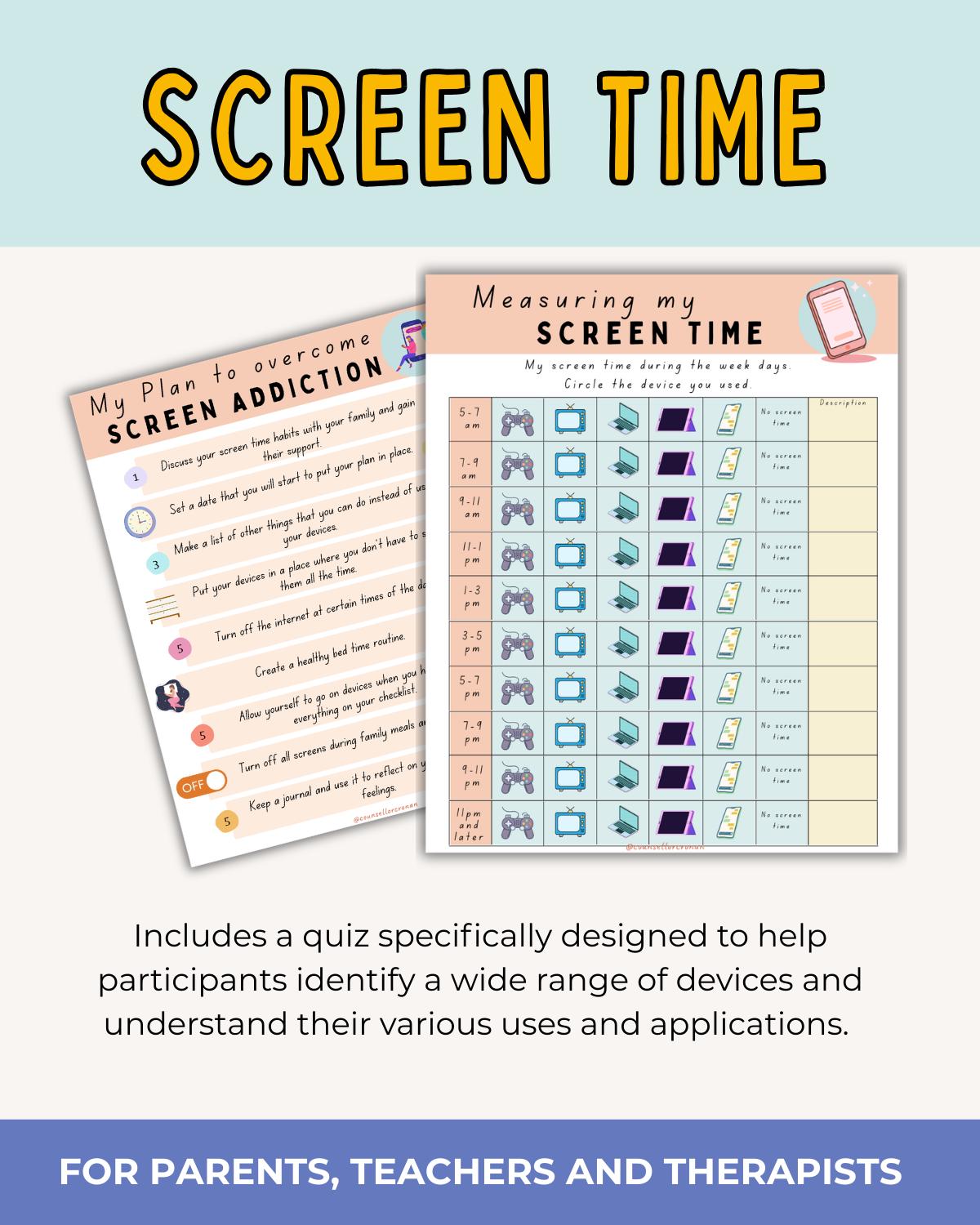
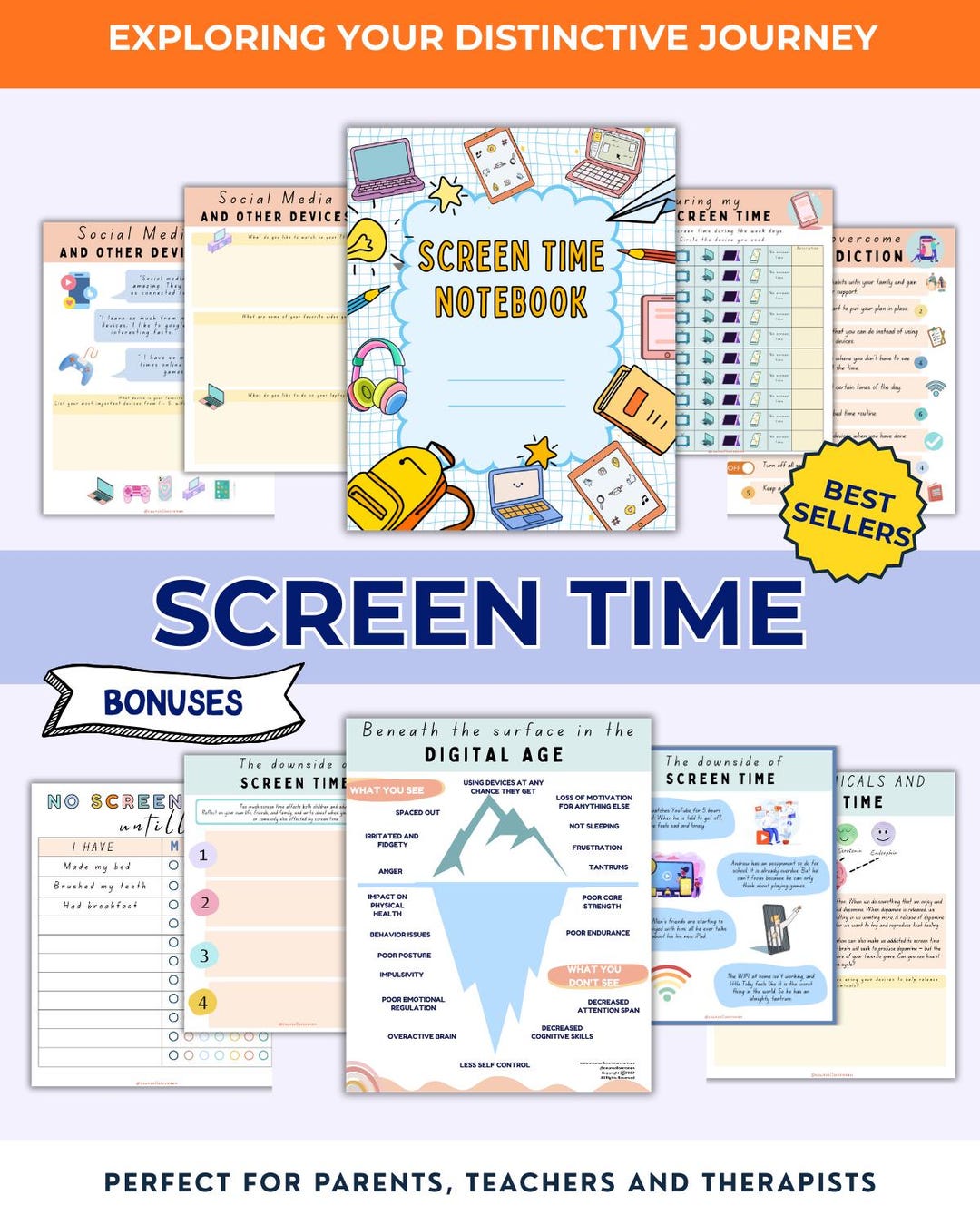
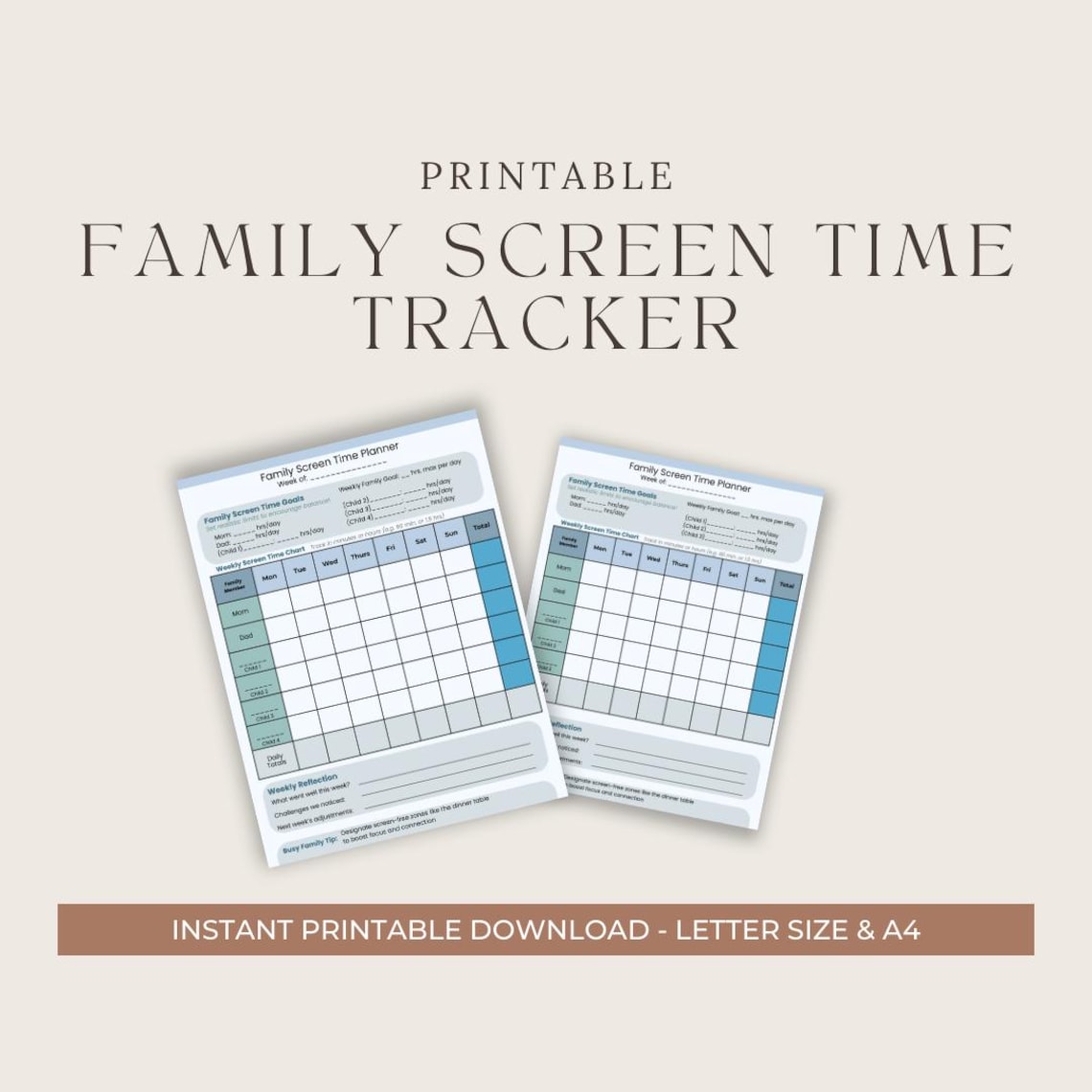
This “screen time reflection worksheet for families” directly addresses the critical topic of mindful screen time management and digital well-being. The worksheet guides individuals and families through an exploration of their current digital habits, encouraging self-assessment and thoughtful consideration of online engagement. Concepts covered include identifying the benefits and drawbacks of digital device use, understanding the impact of screen time on daily activities, and recognizing the importance of balancing online and offline experiences. Furthermore, the resource prompts users to consider how digital choices affect their physical and mental health, social interactions, and academic or personal goals. The content within this worksheet aligns with recognized digital citizenship and child safety education standards, which emphasize responsible use, critical evaluation of media, and the development of self-regulation skills in a connected world. It provides a structured framework for discussing complex digital behaviors in an accessible manner.
Key Learning Outcomes
Completing the “screen time reflection worksheet for families” enables participants to achieve several vital learning outcomes. Students and children develop enhanced self-awareness regarding their personal screen time habits, fostering a clearer understanding of their own digital consumption patterns. The worksheet helps individuals identify the potential benefits and drawbacks associated with their digital device use, promoting a balanced perspective on technology. Users are guided to formulate practical strategies for achieving more balanced online and offline engagement, contributing to healthier lifestyle choices. The resource also cultivates critical thinking skills related to media consumption and digital content, empowering informed decision-making. Lastly, the worksheet significantly enhances open communication about digital choices and expectations within the family unit, strengthening supportive relationships. Browse more guides on Safe Wired Schools.
How to Use This Worksheet
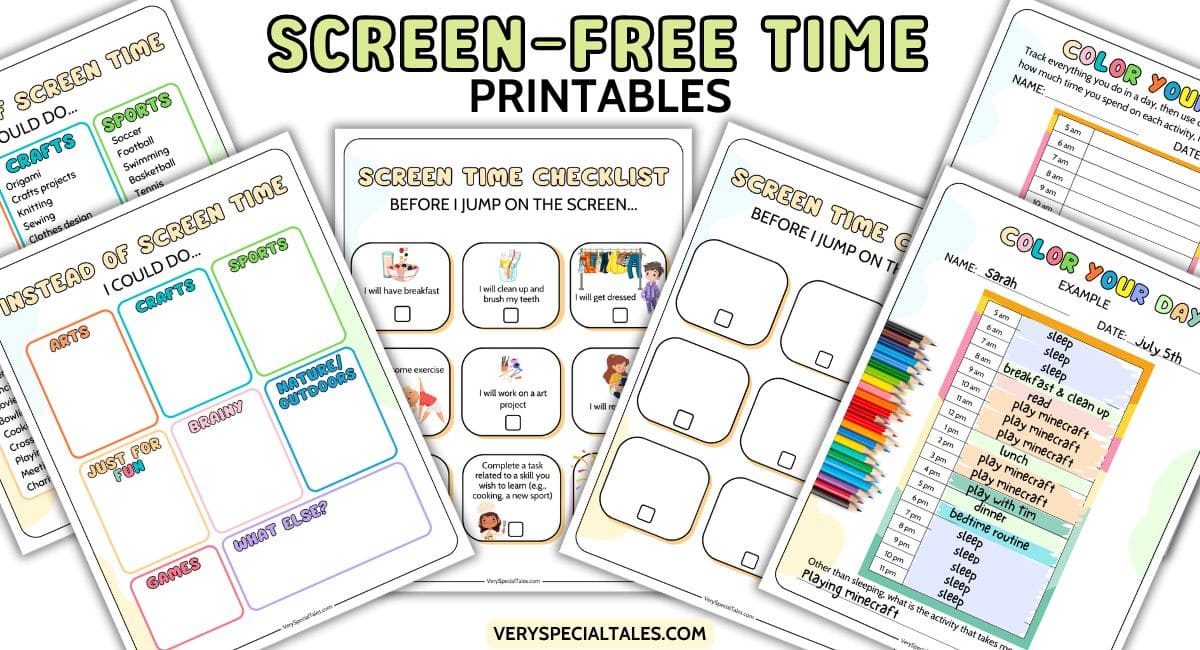
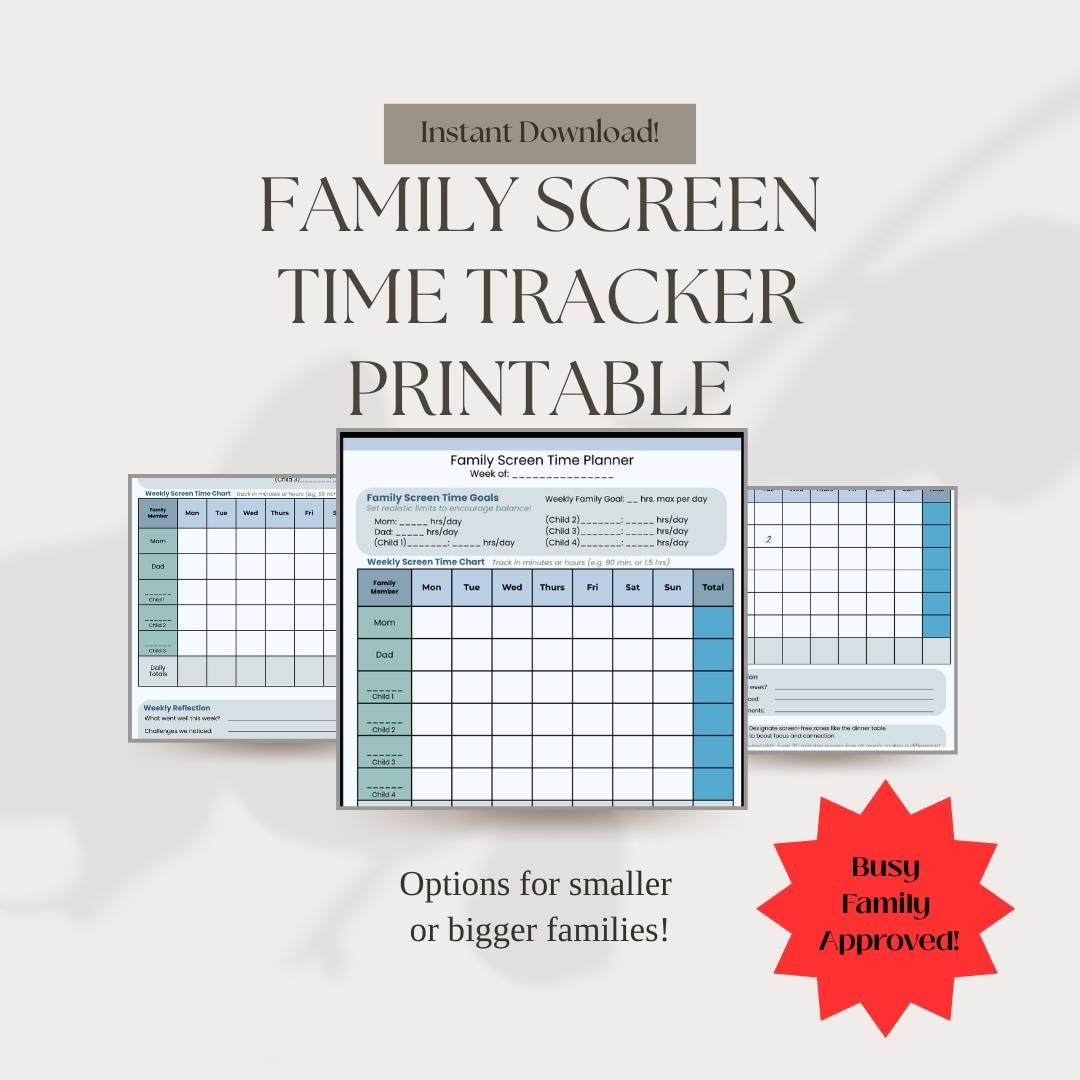
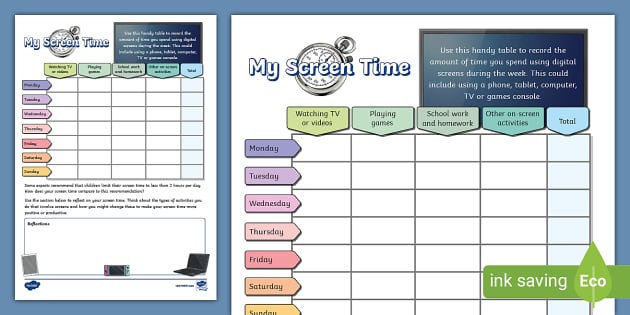
The “screen time reflection worksheet for families” offers flexible application for both educational settings and home environments. The worksheet incorporates a variety of activity types designed to engage learners, including reflection prompts, self-assessment scales, and dedicated sections for goal setting. For younger learners, simple drawing or writing prompts encourage expression, while older students benefit from more nuanced scenario-based questions that require critical thought. The difficulty level is adaptable, with instructions that scaffold learning progressively; simpler questions initiate discussion, building towards more complex analysis and action planning. This resource can be effectively utilized as a standalone activity to spark immediate reflection, integrated as a component of a broader digital citizenship lesson plan, or assigned as a homework activity to encourage family-wide participation. Its printable format ensures accessibility and provides a tangible record of discussions and personal commitments. The structured layout guides users through observing their habits, reflecting on their implications, and planning actionable changes.
Practical Tips for Parents and Teachers
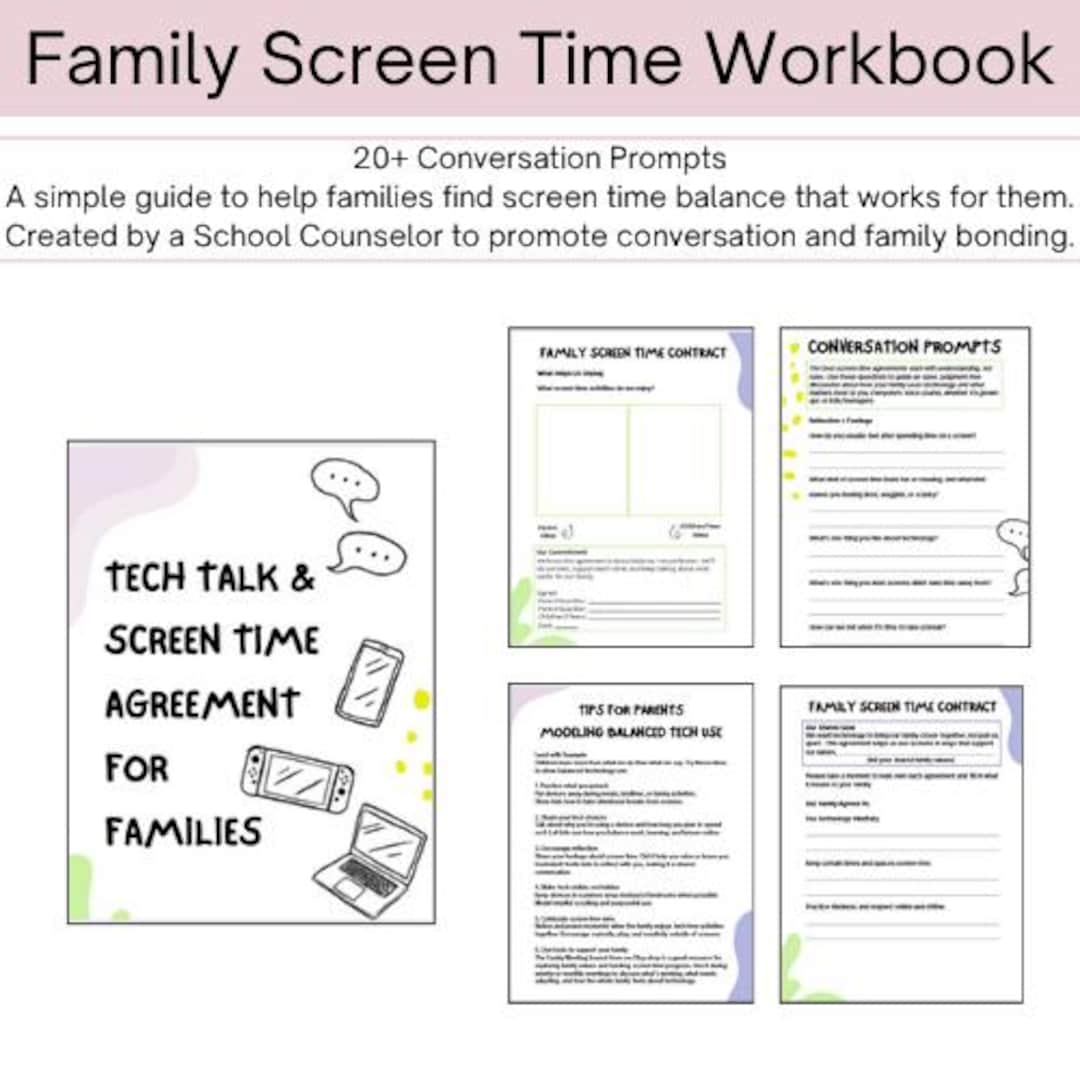
Maximizing the educational impact of the “screen time reflection worksheet for families” involves thoughtful preparation and facilitation. First, review the entire worksheet before introducing it to children or students to anticipate questions and tailor discussions. Second, create a comfortable and open environment that encourages honest reflection and non-judgmental dialogue. Third, utilize discussion prompts after completion, such as “What surprised you about your screen time habits?” or “What is one small change the family could make this week?” Fourth, avoid dictating answers; instead, guide participants to discover their own insights and solutions. Finally, extend the learning beyond the worksheet by collaboratively creating a family media plan or setting realistic screen time goals, reinforcing the commitment to digital well-being over time.
Age-Appropriate Recommendations
The “screen time reflection worksheet for families” can be tailored to suit various developmental stages, ensuring maximum impact for all ages. For Ages 5-8 (Early Elementary), focus on fundamental concepts through simple activities. Vocabulary support is crucial; simplify language and use visual cues. Encourage drawing pictures of favorite offline activities or using happy/sad faces to indicate feelings about screen time. Heavy parental or teacher involvement is recommended to read prompts and facilitate responses, making it a collaborative experience. Activity pacing should be brief, with discussions broken into manageable segments.
For Ages 9-12 (Upper Elementary/Early Middle School), the worksheet can introduce more written reflection and self-assessment. Children at this stage can identify specific apps or games and articulate how they feel after using them. Encourage simple goal setting, such as choosing one new offline activity. Moderate adult guidance is beneficial, prompting independent thought while still offering support. Discussions can explore the concept of digital citizenship and the balance between entertainment and educational screen use. Pacing can be more sustained, allowing for deeper engagement with each section.
For Ages 13-18 (Middle/High School), the worksheet becomes a tool for critical self-analysis and long-term planning. Students can delve into understanding the psychological impacts of excessive screen time, discuss privacy concerns, and analyze their digital footprint. Minimal adult guidance is often sufficient, with the primary role of the adult being to facilitate deeper discussion and help set realistic, personally relevant goals. Vocabulary can be more sophisticated, and activities can include researching the effects of different types of media. The focus shifts towards fostering self-regulation and personal responsibility in managing a digital lifestyle, preparing them for independent digital choices.
Frequently Asked Questions
Q: What is a screen time reflection worksheet for families? A: It is a printable resource designed to help individuals and families evaluate their digital habits, fostering mindful screen use and promoting digital well-being through structured self-assessment and goal-setting activities.
Q: How can this worksheet benefit children of different ages? A: The worksheet offers adaptable prompts, allowing younger children to engage with basic concepts through drawing while older students explore complex self-reflection and goal-setting for balanced digital lives, ensuring relevance across developmental stages.
Q: Where can the free printable screen time reflection worksheet for families be accessed? A: This valuable educational resource is available for immediate download and printing on the SafeWiredSchools.org website, typically found in the “Worksheets” or “Resources” section, providing easy access for all users.
Explore More Free Printable Worksheets
The “screen time reflection worksheet for families” represents just one component of a comprehensive approach to digital safety education. Effective learning routines often benefit from a diverse array of resources. Educators and parents are invited to explore a full collection of free printable internet safety worksheets, activity sheets, checklists, quizzes, and more at SafeWiredSchools.org Worksheets. These resources cover every essential internet safety topic and are meticulously designed for every grade level and learning environment, ensuring a continuous and engaging educational journey in digital literacy.
Developmental Milestone & Activity Table
| Development Stage | Recommended Daily Duration | Primary Learning Objective |
|---|---|---|
| Preschool & Pre-K | 10 – 15 Minutes | Pencil grip development & basic pre-stroke lines |
| Kindergarten | 15 – 20 Minutes | Letter/number formation & spatial line awareness |
| Early Elementary (Grade 1–2) | 20 – 30 Minutes | Fluency, sentence construction & neatness |
Images References