Introduction
The “screen time quiz for kids” is an invaluable educational resource, primarily designed for Elementary grades 15, though adaptable for early middle school students. This printable worksheet serves as a foundational tool for reinforcing crucial internet safety concepts through active, hands-on learning. Educators and parents consistently trust printable worksheets for their tangible nature, providing a break from digital screens while building essential digital awareness and promoting responsible online behavior. Such resources facilitate structured discussions about technology use, helping young learners internalize the principles of healthy digital citizenship. The tactile engagement offered by a physical worksheet supports diverse learning styles, making abstract concepts more concrete and memorable for developing minds. It empowers children to reflect on their own habits and fosters a proactive approach to managing their digital lives from an early age, establishing a solid groundwork for lifelong safe online practices.
💡 Educational Key Takeaways:
- Core Skill: Structured Screen Time Quiz For Kids focused on developing pencil grip, stroke control, and early literacy/math confidence.
- Target Scope: Suited for homeschoolers, preschool, kindergarten, and elementary learners.
- Best Recommendation: Practice 10–15 minutes daily with ergonomic writing tools to reinforce muscle memory without hand fatigue.
What This Worksheet Covers
The “screen time quiz for kids” addresses the vital internet safety topic of healthy screen time management and digital well-being. It covers concepts such as balancing online activities with real-world engagements, identifying appropriate versus excessive device usage, and understanding the importance of taking breaks. The worksheet prompts young learners to consider different scenarios related to screen time, encouraging them to differentiate between productive, recreational, and potentially harmful digital habits. Content within the quiz aligns with recognized digital citizenship and child safety education standards, which emphasize media literacy, responsible technology use, and the cultivation of healthy digital habits. It introduces the idea that screens are tools to be managed, not masters to be obeyed, fostering a sense of control and self-awareness regarding technology consumption. The quiz encourages critical thinking about the content consumed and the time spent interacting with digital devices.
Key Learning Outcomes
Students or children completing the “screen time quiz for kids” will develop several critical skills and knowledge areas:. Browse more guides on Safe Wired Schools.
- They will develop an understanding of healthy screen time limits and the benefits of balancing digital and offline activities.
- Learners will be able to identify responsible online activities and recognize signs of excessive or unhealthy device use.
- The worksheet helps children cultivate self-regulation skills regarding their personal technology usage.
- Participants gain an awareness of how screen time affects other aspects of their lives, such as sleep, physical activity, and social interactions.
- It promotes critical thinking about digital content consumption and encourages mindful engagement with technology.
How to Use This Worksheet
Educators and parents can effectively integrate the “screen time quiz for kids” into various learning environments. The worksheet typically features a mix of activity types, including true or false statements, multiple-choice questions, scenario-based prompts, and short reflection sections. Instructions are designed to scaffold learning progressively, starting with simpler concepts and moving towards more nuanced considerations. Its difficulty level is accessible for elementary school children, with clear language and engaging visuals. The worksheet functions excellently as a standalone activity to initiate discussions about digital habits. It can also be incorporated as a key component of a broader lesson plan on digital citizenship or media literacy, serving as a pre-assessment or post-assessment tool. Assigning the quiz as homework provides an opportunity for family discussions and collaborative learning at home, extending the educational impact beyond the classroom.
Practical Tips for Parents and Teachers
- Before distributing the worksheet, review its content thoroughly and prepare to discuss the key concepts of balanced screen time.
- Encourage an open and non-judgmental discussion after children complete the quiz, focusing on their reasoning rather than just right or wrong answers.
- Use the scenarios presented in the quiz as starting points for real-life conversations about daily technology use and family rules.
- Collaboratively create a family media plan or a classroom technology agreement based on the insights gained from the quiz.
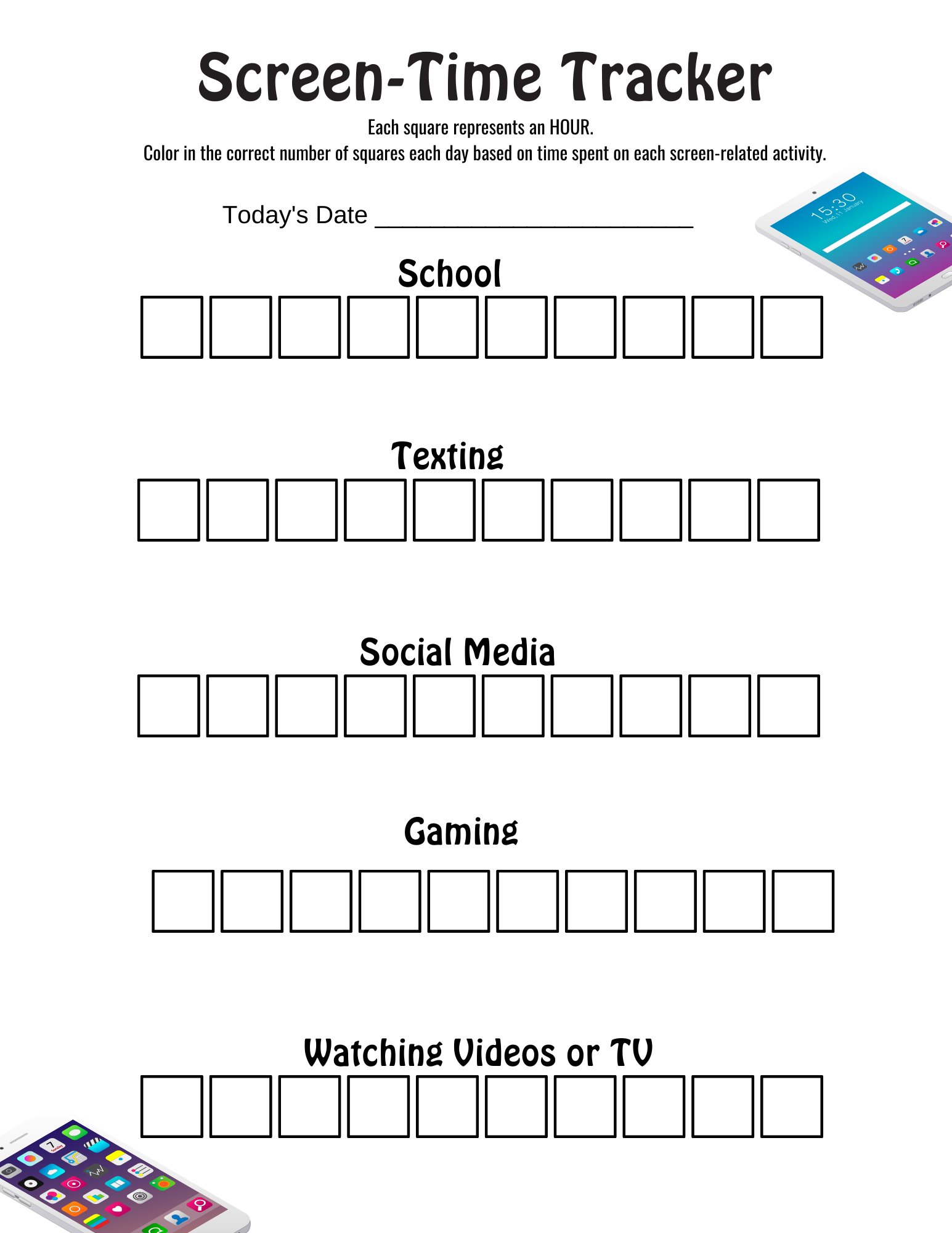
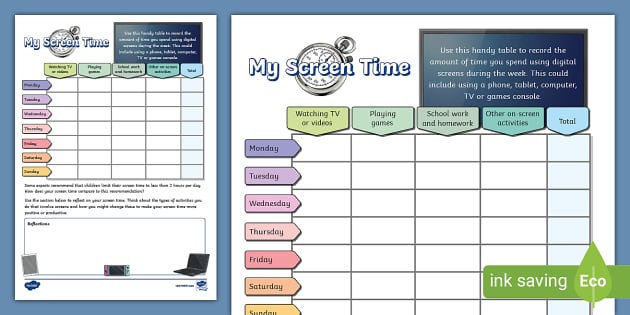
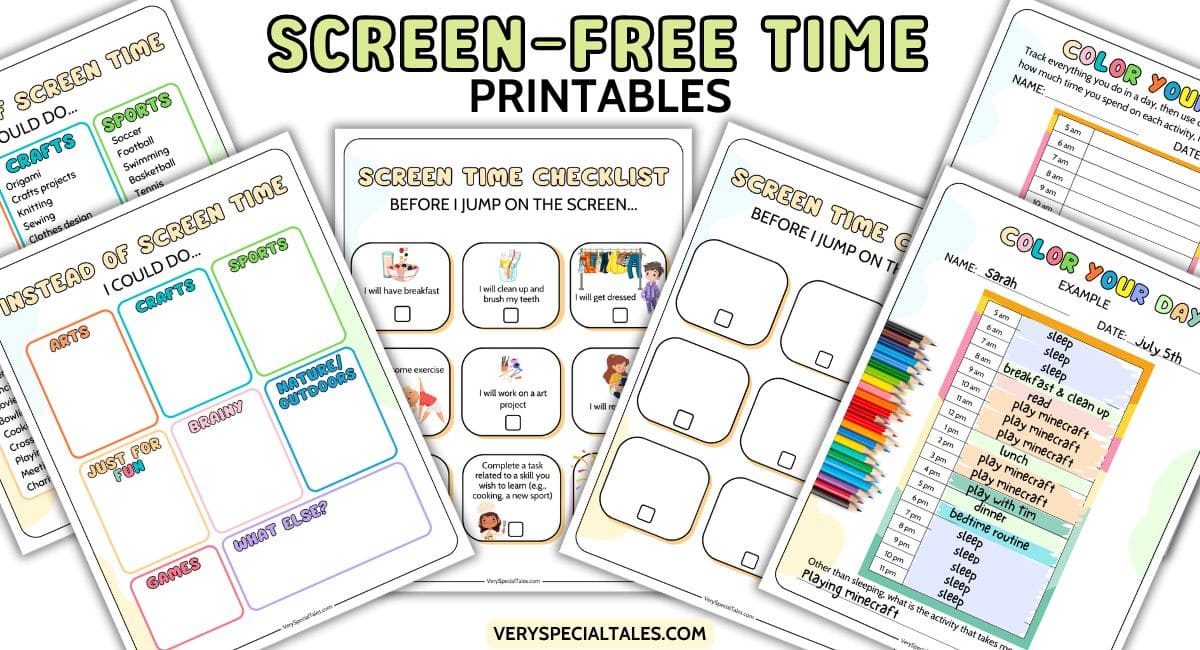
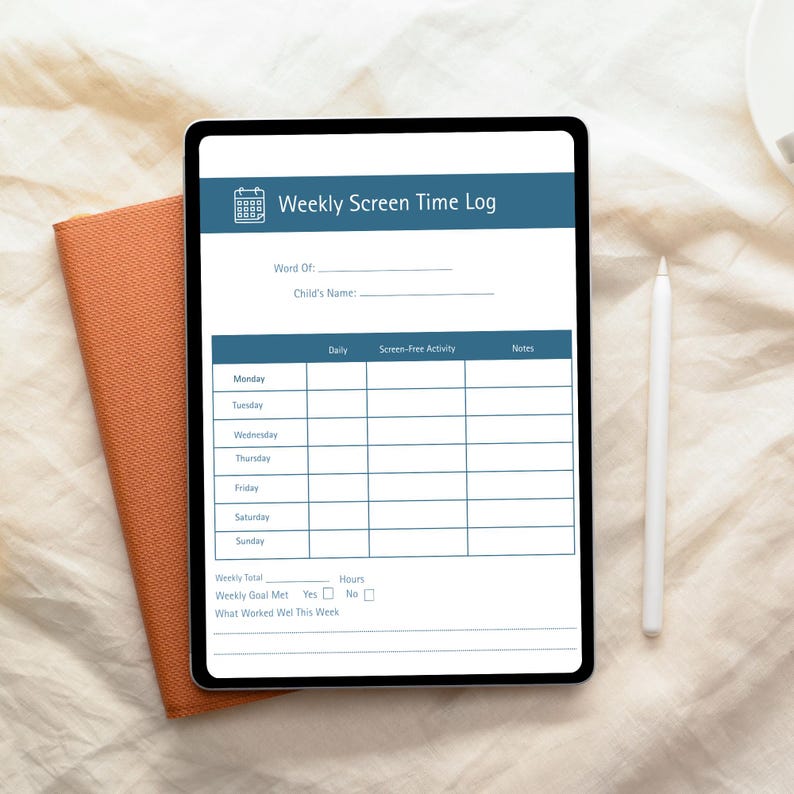
- Extend the learning by encouraging children to track their screen time for a day or week and reflect on how they felt about their usage.
Age-Appropriate Recommendations
Tailoring the approach to the “screen time quiz for kids” ensures maximum effectiveness across different age groups. For Ages 58 (Early Elementary), direct adult involvement is highly recommended. Parents or teachers should read each question aloud, clarify vocabulary, and guide children through the concepts. The focus should be on establishing basic rules, like specific times for screens and the importance of outdoor play. Activity pacing should be slow, allowing for pauses and simple explanations. For Ages 912 (Late Elementary / Early Middle School), students can often complete the quiz more independently. The emphasis shifts to deeper discussions about the ‘why’ behind healthy habits, the impact of content choices, and the development of self-management skills. Encourage students to articulate their reasoning and consider the long-term effects of their digital behaviors. While the quiz is primarily geared towards younger children, it can serve as a valuable discussion prompt for Ages 1318 (Middle / High School). For this older group, the worksheet acts as a self-reflection tool, initiating conversations about digital well-being, the influence of social media, and developing personal strategies for responsible technology use in preparation for increasing independence. Facilitation should involve more peer-to-peer discussion and critical analysis of societal norms around screen time.
Frequently Asked Questions
Q: What age group is “screen time quiz for kids” best for?
A: The “screen time quiz for kids” is most suitable for elementary school children, generally ages 6-12. Its content and format are designed to be accessible and engaging for this developmental stage, fostering early digital literacy.
Q: How can this worksheet help improve digital habits?
A: This worksheet helps improve digital habits by prompting self-reflection and initiating discussions about balanced screen use. It raises awareness of personal technology consumption patterns, encouraging children to think critically about their choices and consider healthier alternatives.
Q: Where can the free printable “screen time quiz for kids” be downloaded?
A: The free printable “screen time quiz for kids” can be easily accessed and downloaded directly from the SafeWiredSchools.org website. Navigate to the worksheets section or search for the quiz title to find the printable PDF file.
Explore More Free Printable Worksheets
A single worksheet works best when integrated into a consistent digital safety learning routine. The “screen time quiz for kids” provides an excellent starting point, but a comprehensive approach requires a broader collection of resources. Educators and parents are invited to explore a full collection of free printable internet safety worksheets, activity sheets, checklists, quizzes, and more at SafeWiredSchools.org Worksheets. These resources cover every essential internet safety topic and are meticulously designed for every grade level and learning environment, ensuring continuous reinforcement of crucial digital citizenship skills.
Developmental Milestone & Activity Table
| Development Stage | Recommended Daily Duration | Primary Learning Objective |
|---|---|---|
| Preschool & Pre-K | 10 – 15 Minutes | Pencil grip development & basic pre-stroke lines |
| Kindergarten | 15 – 20 Minutes | Letter/number formation & spatial line awareness |
| Early Elementary (Grade 1–2) | 20 – 30 Minutes | Fluency, sentence construction & neatness |
Images References