Introduction
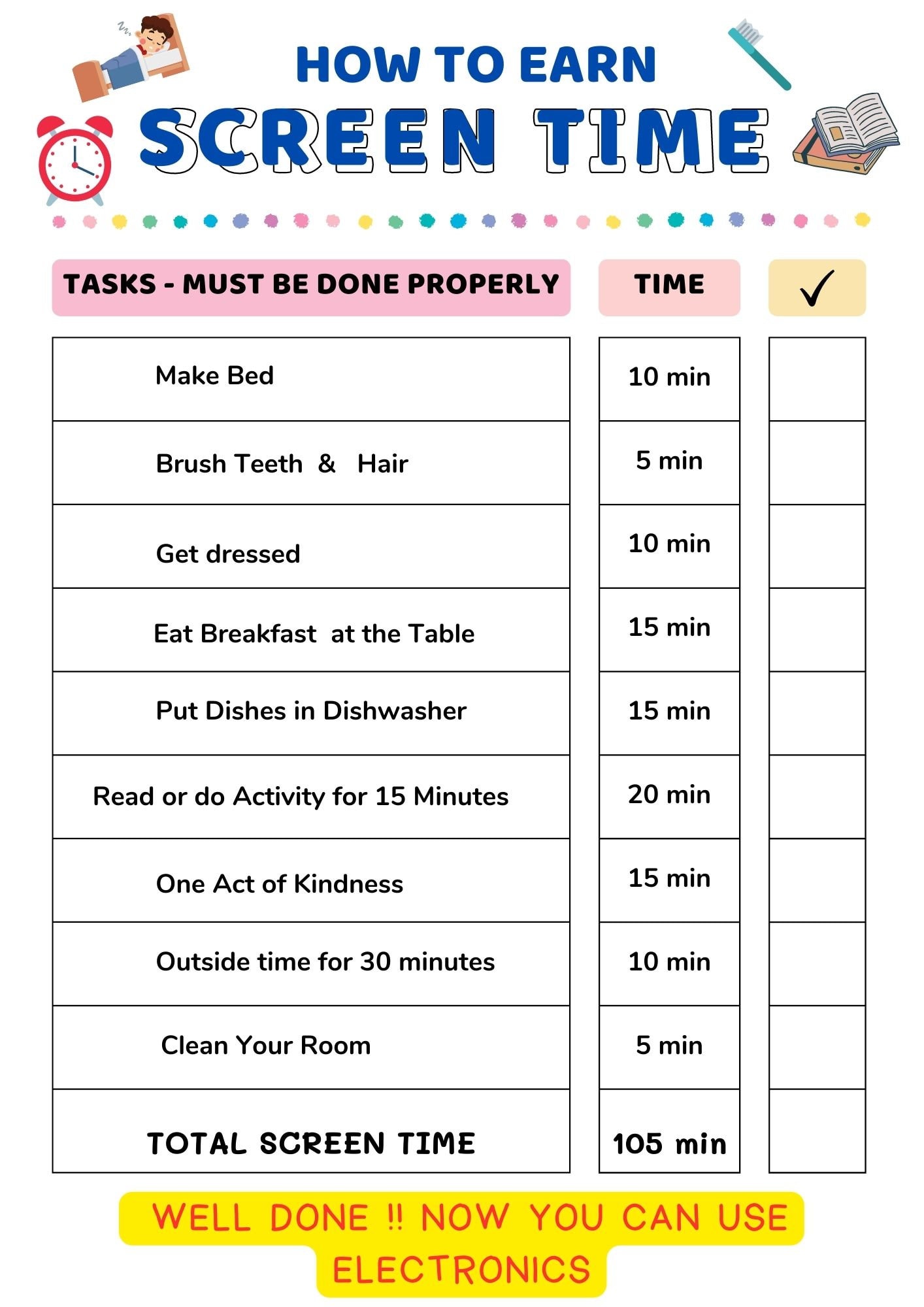
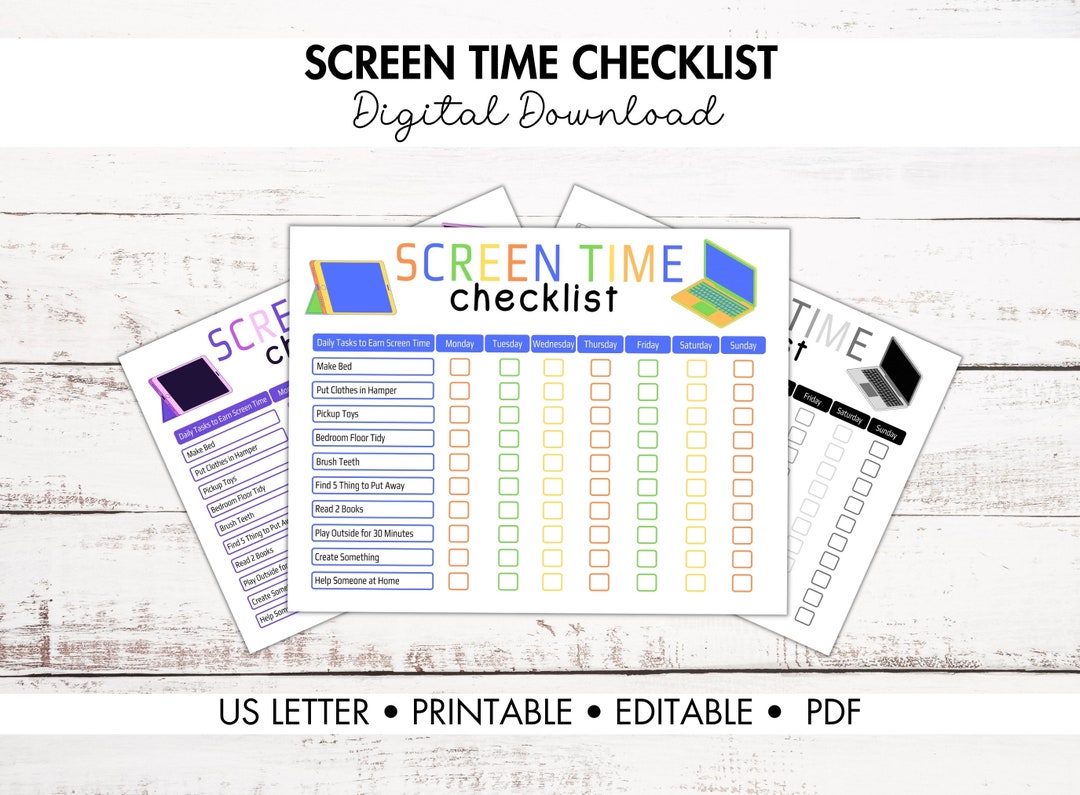
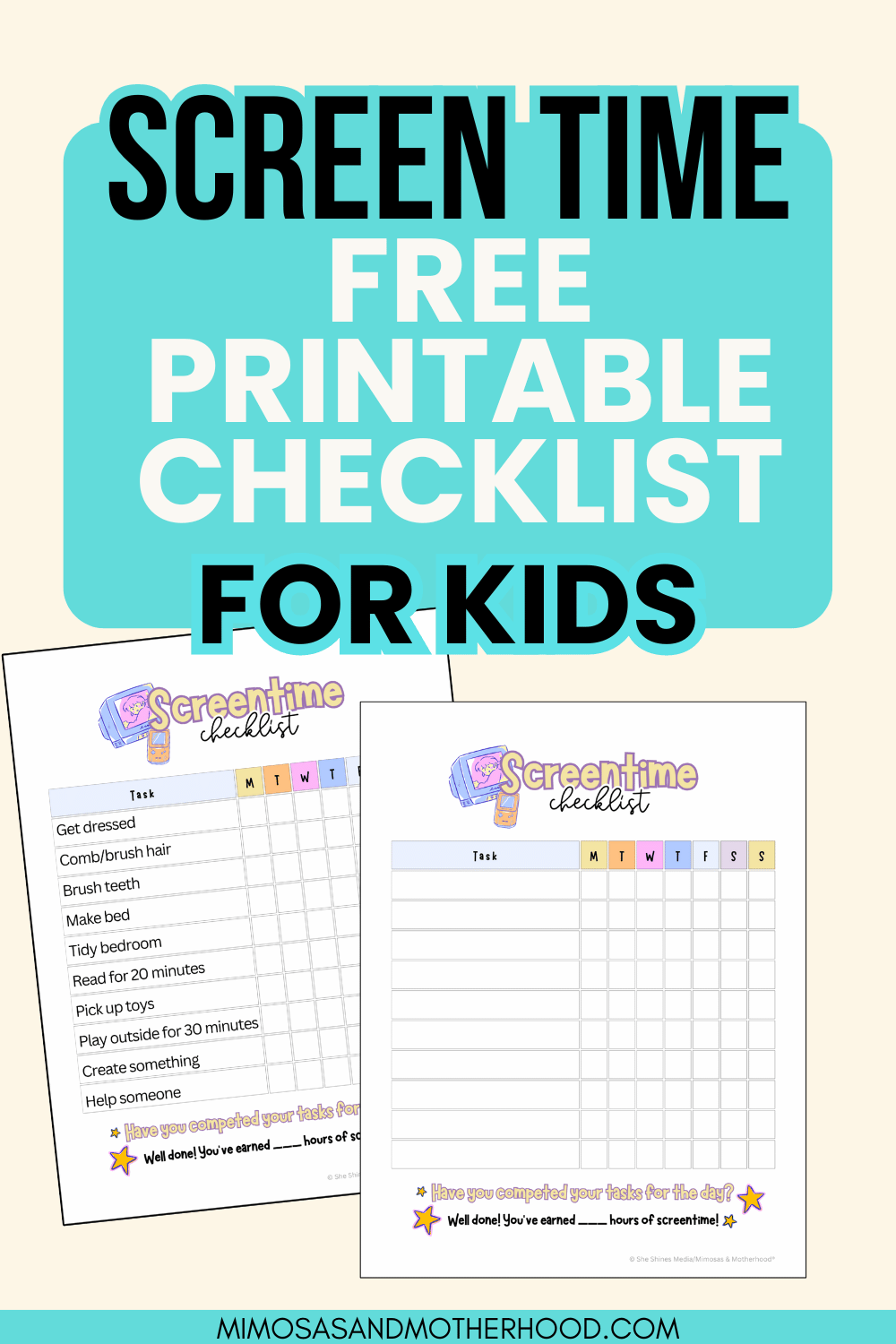
The “screen time morning checklist for kids” is a valuable educational resource designed primarily for Elementary grades (15), though adaptable for slightly younger or older learners. This printable tool reinforces crucial internet safety concepts by establishing a clear, consistent morning routine around digital device use. Educators and parents recognize printable worksheets as trusted instruments for building foundational digital awareness and promoting responsible online behavior. The tangible nature of a checklist allows for active engagement, helping children internalize rules and expectations related to screen time. Such resources are essential for fostering healthy digital habits from an early age, equipping children with the self-regulation skills necessary for navigating the online world safely and productively.
💡 Educational Key Takeaways:
- Core Skill: Structured Screen Time Morning Checklist For Kids focused on developing pencil grip, stroke control, and early literacy/math confidence.
- Target Scope: Suited for homeschoolers, preschool, kindergarten, and elementary learners.
- Best Recommendation: Practice 10–15 minutes daily with ergonomic writing tools to reinforce muscle memory without hand fatigue.
What This Worksheet Covers
This worksheet addresses the vital topic of responsible screen time management, specifically focusing on the morning routine. It covers fundamental concepts such as asking for permission before using devices, understanding designated screen time limits, and choosing age-appropriate content. The checklist encourages children to think critically about their actions before engaging with digital media, connecting directly to early digital citizenship standards that emphasize personal responsibility and safe online practices. By guiding children through a series of pre-screen time actions, the resource helps to establish clear boundaries and expectations, making abstract safety rules concrete and actionable for young learners. It promotes a proactive approach to digital safety, where children are empowered to make informed decisions.
Key Learning Outcomes
Completing the “screen time morning checklist for kids” develops several important skills and knowledge areas:
- Routine Adherence: Children learn to follow a structured sequence of actions before using digital devices, fostering discipline and predictability.
- Self-Regulation: The checklist encourages independent thought and decision-making regarding screen time, promoting self-control and responsible choices.
- Communication Skills: It reinforces the importance of asking permission from an adult, strengthening communication about digital activities.
- Understanding Digital Boundaries: Learners grasp the concepts of time limits and appropriate content, establishing foundational digital citizenship principles.
- Personal Responsibility: Children develop an understanding of their role in ensuring safe and balanced screen use, building a sense of accountability.
How to Use This Worksheet
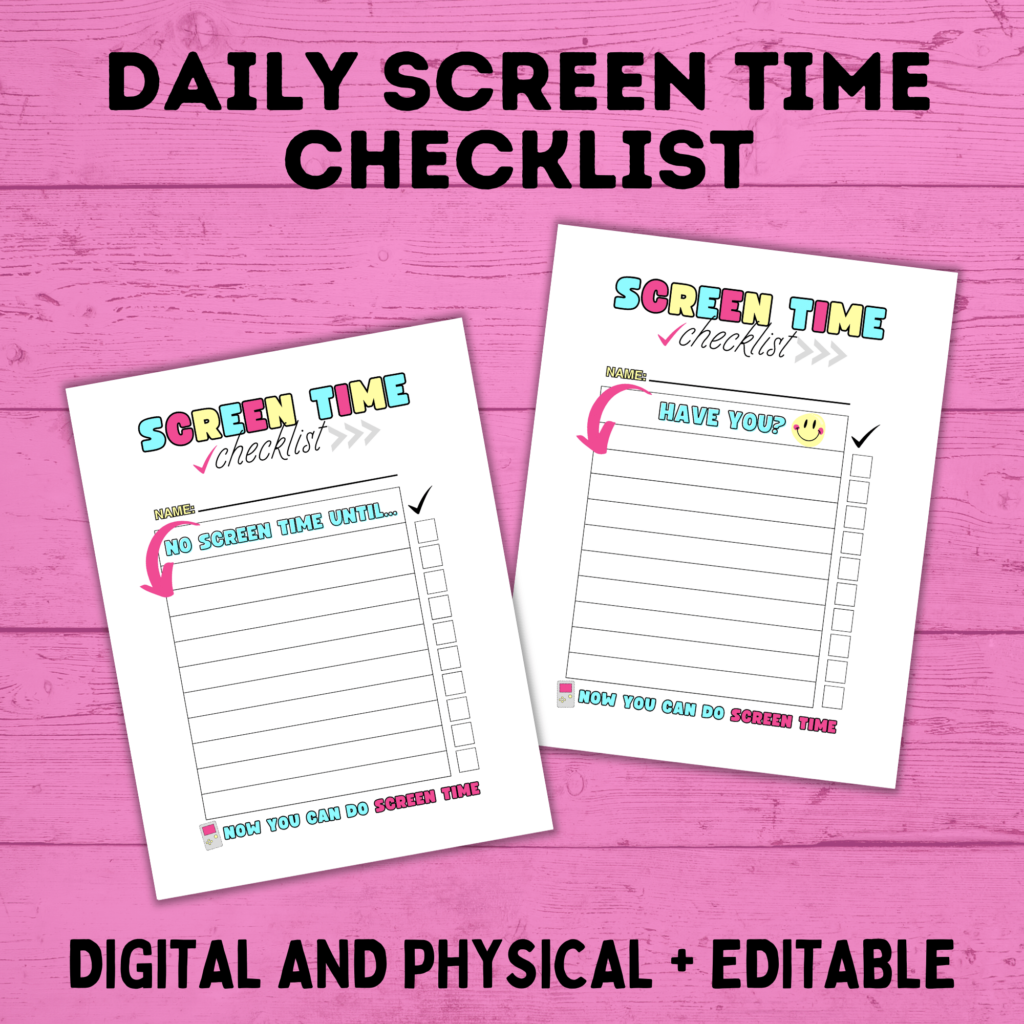
The “screen time morning checklist for kids” is designed for straightforward application in both educational and home settings. It features simple check-box activities, allowing children to mark off tasks as they complete them, such as “Did I ask permission?” or “Is my schoolwork done?”. The difficulty level is appropriate for elementary school children, with clear, concise instructions that scaffold learning progressively. This worksheet functions effectively as a standalone activity to initiate discussions about screen time rules. It can also be integrated into a broader digital citizenship lesson plan or assigned as a daily homework component to reinforce consistent habits. Its printable format encourages repeated use, fostering routine and reinforcing positive digital behaviors over time. Browse more guides on Safe Wired Schools.
Practical Tips for Parents and Teachers
- Establish a Dedicated Space: Designate a specific area for the checklist, perhaps near where devices are stored, to make it a visible part of the morning routine.
- Model Desired Behavior: Adults should consistently demonstrate responsible screen time habits, showing children the importance of the checklist’s principles.
- Engage in Discussion: After completion, prompt a brief conversation about each item on the checklist, asking questions like, “Why is it important to ask permission?”
- Customize and Personalize: Allow children to add their own relevant tasks or draw pictures representing the checklist items, increasing engagement and ownership.
- Consistent Reinforcement: Regularly review and use the checklist to ensure the habits become ingrained, offering positive encouragement for successful adherence.
Age-Appropriate Recommendations
Adapting the “screen time morning checklist for kids” ensures its effectiveness across various developmental stages.
For Ages 57 (Early Elementary), the focus should be on visual cues and direct adult guidance. Adults can read each item aloud, prompting children to physically check the box or draw a simple symbol. The activity pacing should be unhurried, allowing time for discussion about each step. Vocabulary support is crucial; explaining terms like “permission” or “appropriate content” in simple language is essential. Parental or teacher involvement will be high, acting as a co-participant and guide.
For Ages 810 (Mid-Elementary), children can engage more independently with the checklist. They can read the items themselves, fostering reading comprehension and self-direction. Discussions can delve slightly deeper, exploring the “why” behind each rule, connecting to personal safety and digital well-being. Activity pacing can be quicker, but opportunities for reflection should still be provided. Adult involvement shifts to supervision and facilitating deeper understanding rather than direct instruction.
For Ages 1112 (Late Elementary/Early Middle School), the checklist transitions from a mere task list to a reflective tool. While still practical, it can spark conversations about self-discipline and the impact of screen time on other responsibilities. Children at this age might be encouraged to customize the checklist with their own morning digital goals or reflect on how well they adhered to the checklist without constant prompting. Teacher or parent involvement would focus on mentorship, discussing challenges, and reinforcing the long-term benefits of balanced digital habits.
Frequently Asked Questions
Q: What is the “screen time morning checklist for kids” designed to achieve?
A: This resource aims to establish positive screen time routines, reinforce internet safety rules, and promote self-regulation among children by guiding them through a series of steps before using digital devices in the morning.
Q: Who is the ideal audience for this printable checklist?
A: The checklist is primarily designed for children in Elementary grades (ages 512), their parents, and educators. Its adaptable nature allows for use with slightly younger or older children with appropriate adult guidance.
Q: How can I access and download the free “screen time morning checklist for kids”?
A: The “screen time morning checklist for kids” is available for free download directly from the SafeWiredSchools.org website. Simply navigate to the worksheets section, locate the resource, and click the download link to print it at home or in the classroom.
Explore More Free Printable Worksheets
While the “screen time morning checklist for kids” provides a focused approach to morning digital routines, its greatest impact is realized when integrated into a comprehensive digital safety learning journey. A single worksheet serves as an excellent starting point, but consistent reinforcement through a variety of resources builds lasting knowledge and habits. Educators and parents are invited to explore the full collection of free printable internet safety worksheets, activity sheets, checklists, quizzes, and more at SafeWiredSchools.org Worksheets. These diverse resources cover every essential internet safety topic and are meticulously designed for every grade level and learning environment, ensuring a robust and continuous digital citizenship education.
Developmental Milestone & Activity Table
| Development Stage | Recommended Daily Duration | Primary Learning Objective |
|---|---|---|
| Preschool & Pre-K | 10 – 15 Minutes | Pencil grip development & basic pre-stroke lines |
| Kindergarten | 15 – 20 Minutes | Letter/number formation & spatial line awareness |
| Early Elementary (Grade 1–2) | 20 – 30 Minutes | Fluency, sentence construction & neatness |
Images References