Introduction
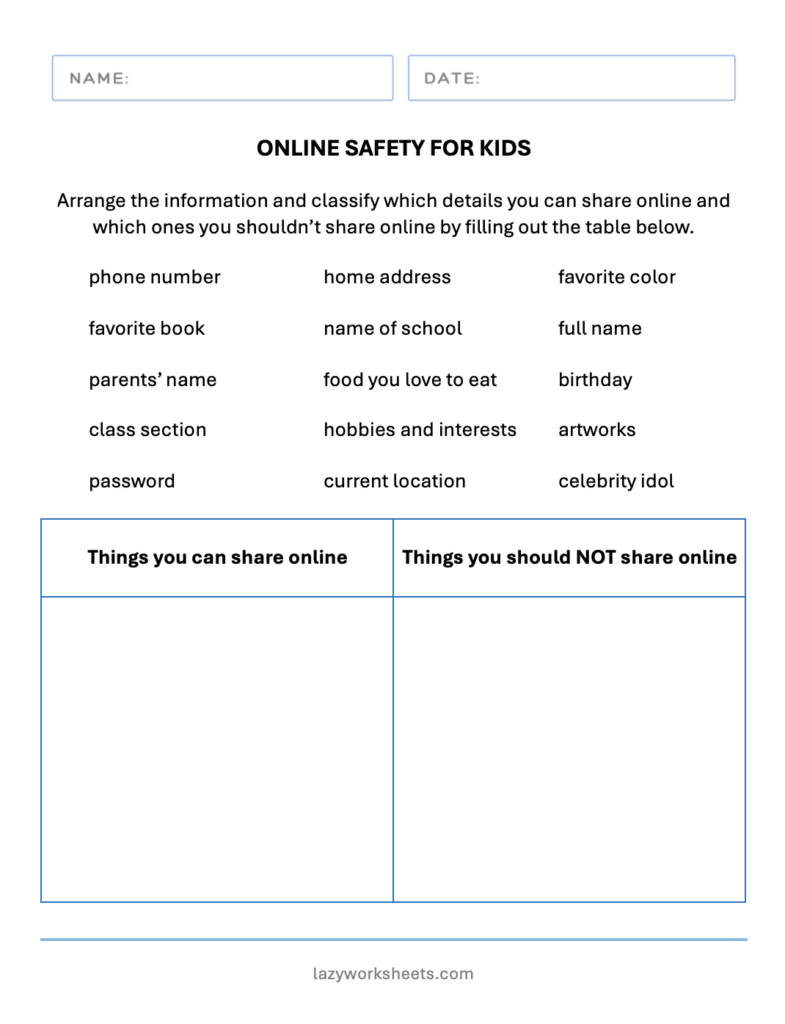
Establishing healthy digital habits begins at a very early age, laying the groundwork for responsible online behavior throughout life. The “screen time log for toddlers” is a crucial free printable resource specifically designed for Preschool ages 35. This engaging worksheet serves as an invaluable tool for parents and educators, reinforcing fundamental internet safety concepts through a hands-on, tangible learning experience. Printable worksheets remain trusted instruments in both home and classroom environments because they offer a screen-free method for active engagement, promoting critical thinking and fostering direct discussion between children and caregivers. They provide a concrete way to introduce abstract concepts like balance and moderation, building essential digital awareness and encouraging responsible interaction with technology from the earliest stages of development. The tactile nature of these resources helps young learners grasp foundational ideas, making digital safety education accessible and effective.
💡 Educational Key Takeaways:
- Core Skill: Structured Screen Time Log For Toddlers focused on developing pencil grip, stroke control, and early literacy/math confidence.
- Target Scope: Suited for homeschoolers, preschool, kindergarten, and elementary learners.
- Best Recommendation: Practice 10–15 minutes daily with ergonomic writing tools to reinforce muscle memory without hand fatigue.
What This Worksheet Covers
The “screen time log for toddlers” directly addresses the vital internet safety topic of managing early screen exposure and promoting a healthy balance between digital engagement and real-world activities. This worksheet introduces young children and their caregivers to the concept of time awareness in relation to digital devices. It covers the understanding of limits, encouraging the recognition that screen time is one part of a diverse daily routine that should also include play, learning, and rest. The resource provides a simple framework for observing and recording daily activities, helping to visualize a balanced schedule. This content directly connects to recognized digital citizenship and child safety education standards by fostering early media literacy, promoting self-regulation, and emphasizing the importance of physical activity and social interaction alongside technology use. It serves as a foundational step in developing a conscious and healthy relationship with digital tools.
Key Learning Outcomes
Completing the “screen time log for toddlers” worksheet helps children develop several essential skills and knowledge areas:
- Development of basic time awareness related to digital device usage.
- Recognition of the importance of balanced daily activities, including both screen time and offline play.
- Fostering open communication with caregivers about screen use and daily routines.
- Introduction to simple self-regulation concepts within the context of technology engagement.
- Enhancement of observational skills through tracking daily activities and screen interactions.
How to Use This Worksheet
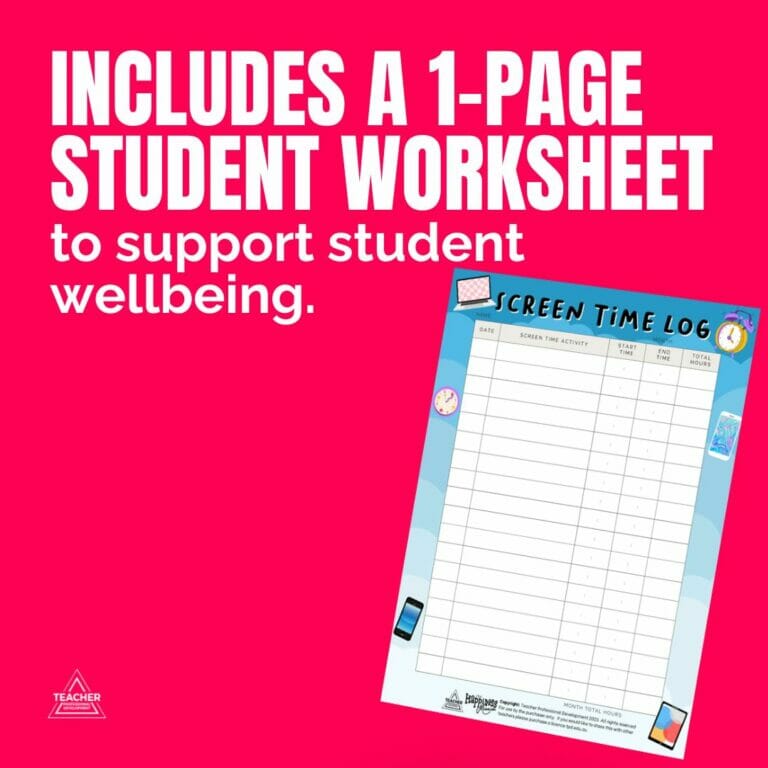
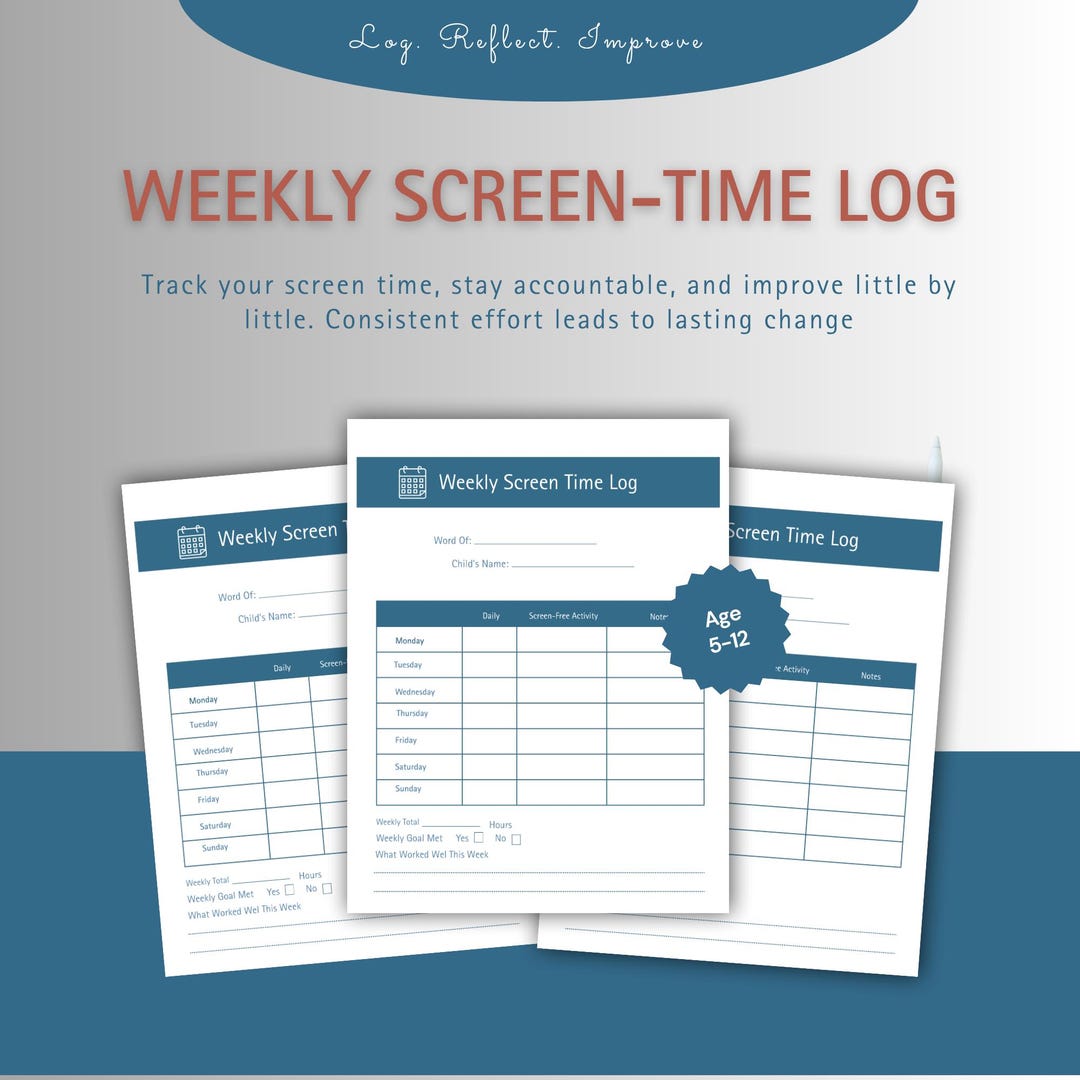
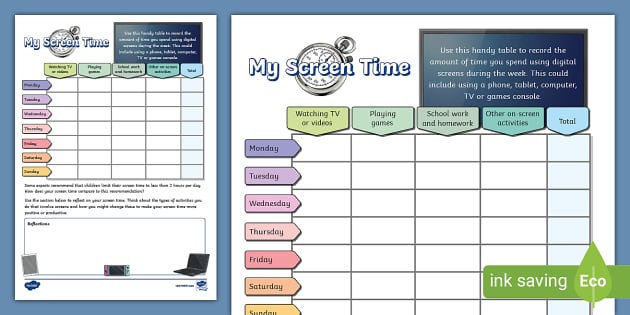
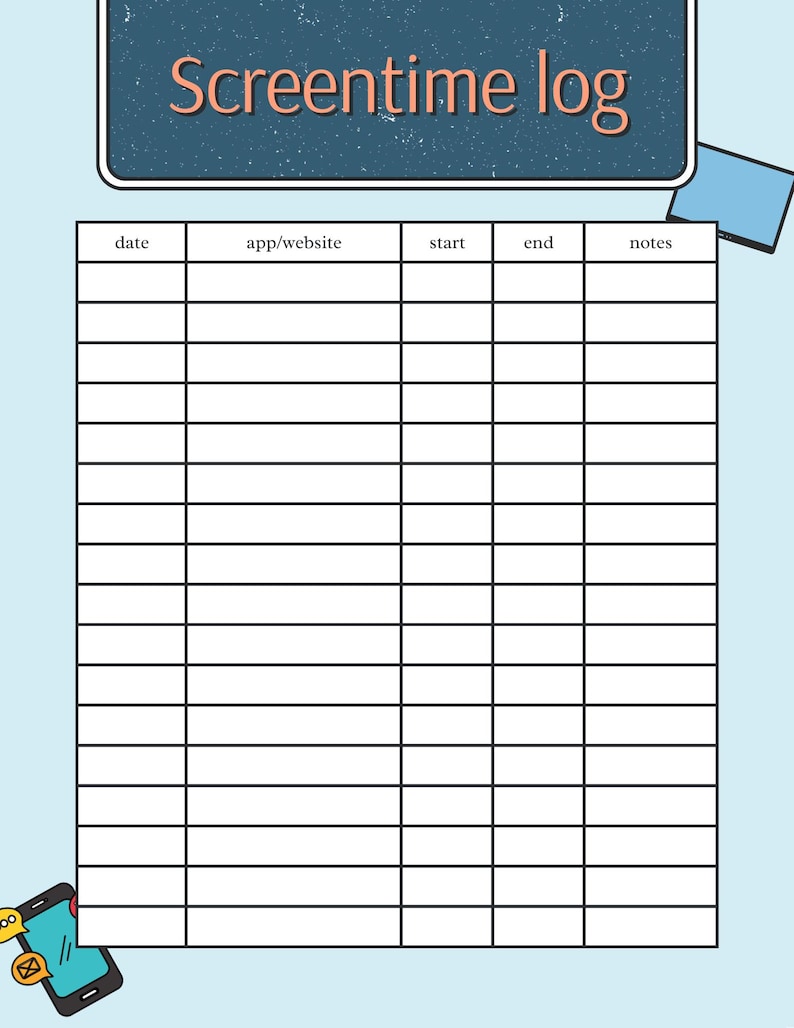
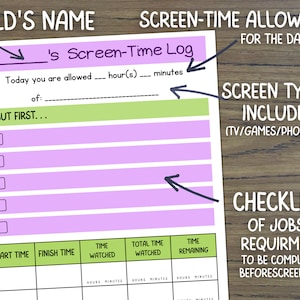
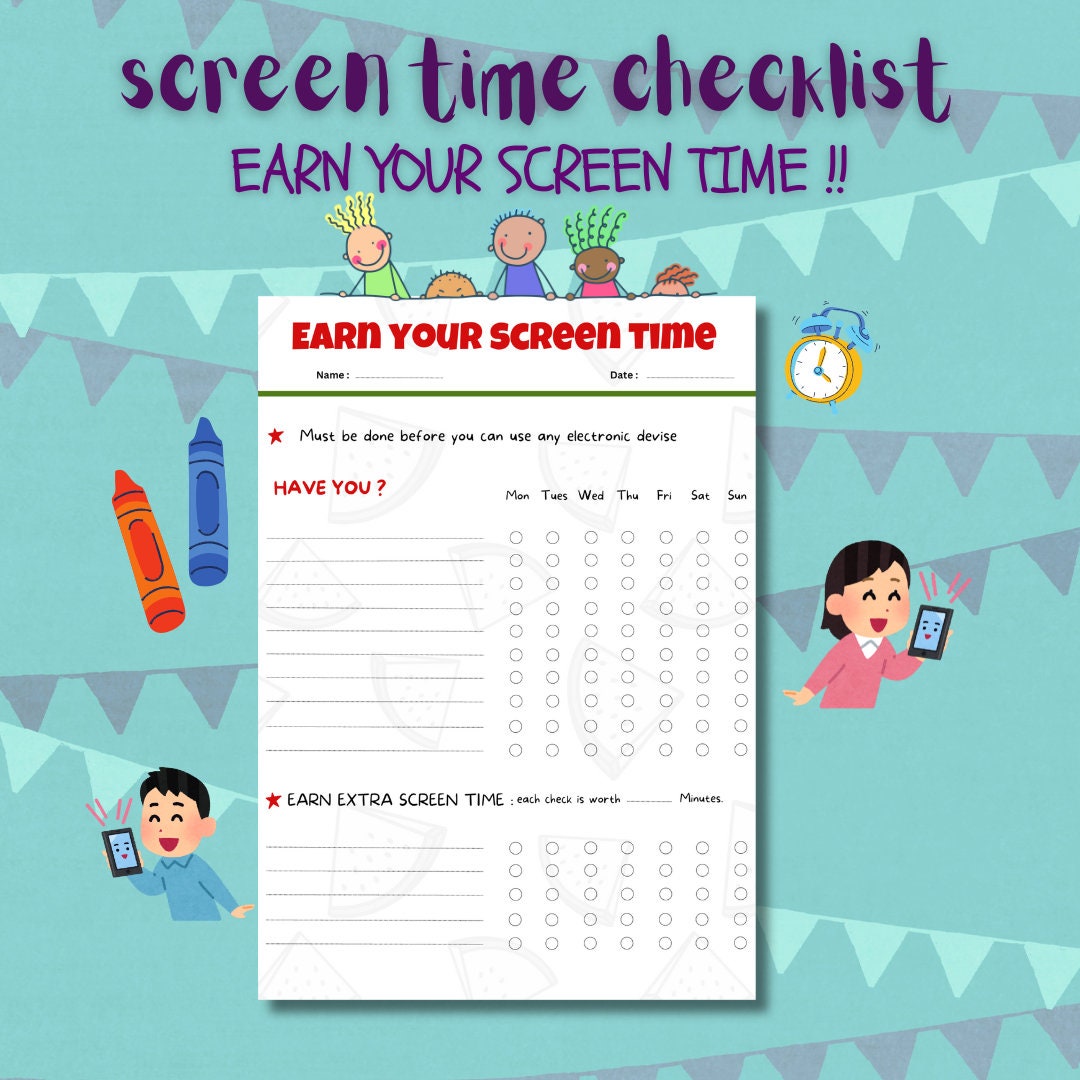
The “screen time log for toddlers” is designed for ease of use in both educational and home settings. This worksheet typically features a simple logging format, encouraging children and caregivers to record periods of screen time alongside other daily activities through drawing, coloring, or simple checkmarks. Instructions are usually pictorial and straightforward, scaffolding learning progressively by guiding observation first, then simple recording, and finally discussion. The difficulty level is appropriate for very young children, requiring minimal writing skills and focusing instead on visual representation and verbal interaction. This resource can function effectively as a standalone activity to initiate discussions about daily schedules, as an integral part of a broader lesson plan on healthy habits, or as a take-home assignment to encourage consistent observation of screen use within the family environment. Its adaptable nature allows for seamless integration into various learning routines. Browse more guides on Safe Wired Schools.
Practical Tips for Parents and Teachers
- Preparation: Print the “screen time log for toddlers” clearly on sturdy paper. Ensure that crayons, markers, or stickers are readily available, making the activity engaging and accessible for young children.
- Facilitation: Complete the log collaboratively with the child. Discuss each entry as it is made, asking questions like, “What did you watch or play?” and “What did you do before or after screen time?”
- Discussion Prompts: After the log is completed, initiate a conversation about the balance observed. Ask, “How did your body feel after playing outside compared to watching a show?” or “What other fun things can we do besides screens?”
- Extension Activities: Extend learning beyond the worksheet by creating a “balanced day” chart together, visually representing a mix of activities. Use a simple timer during screen time to help children grasp time limits concretely.
- Consistency: Implement the log regularly, perhaps for a few days each week, to help establish consistent routines and reinforce healthy digital habits over time.
Age-Appropriate Recommendations
The “screen time log for toddlers” is primarily tailored for children in the Preschool age range (35 years). For this age group, a highly interactive and parent-led approach is most effective. Focus on drawing, coloring, or using simple checkmarks to record activities, as fine motor skills and writing abilities are still developing. Vocabulary support should be basic, emphasizing words like “play,” “watch,” “time,” and “outside.” Activity pacing should involve short, engaging sessions, possibly spread throughout the day or week, to match young children’s attention spans. Full parental guidance is crucial, with caregivers providing verbal prompts and physical assistance as needed. For early elementary students (Ages 57), the principles of the log can be adapted. While the specific “toddler” log might be too simplistic, the underlying concept of balancing screen time with other activities remains vital. Children in this band can begin to complete parts of a modified log more independently, perhaps writing simple words or numbers with supportive oversight. Discussions can introduce slightly more complex vocabulary such as “limit,” “balance,” and “healthy choices.” While the original “screen time log for toddlers” is foundational, the core message of responsible screen management is a continuous learning process that evolves with age, leading to more complex discussions about digital well-being for older children and teenagers.
Frequently Asked Questions
Q: What is the primary goal of the “screen time log for toddlers” worksheet?
A: Its main objective is to help young children and their caregivers understand and manage screen use effectively. This promotes the development of healthy digital habits and ensures a balance with essential offline activities for overall well-being.
Q: How does this log support digital citizenship education?
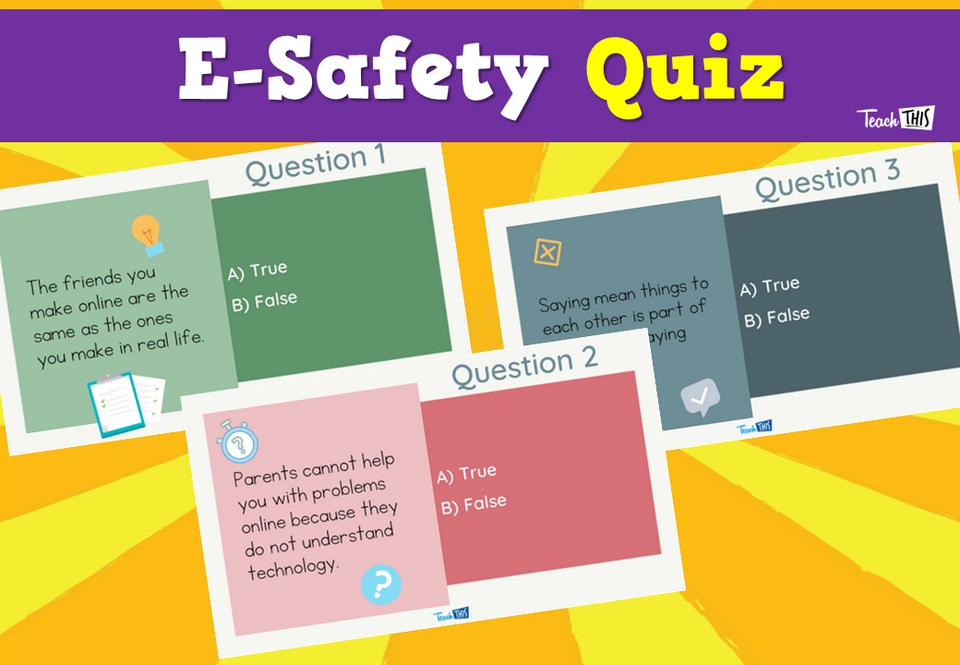
A: The log introduces foundational concepts of responsible technology use, self-regulation, and media literacy from an early age. It sets a crucial groundwork for more complex digital citizenship lessons as children grow, emphasizing mindful engagement with technology.
Q: Where can this free printable worksheet be accessed?
A: The “screen time log for toddlers” is available for free download on SafeWiredSchools.org. It can typically be found within the printable resources or digital safety worksheets section of the website.
Explore More Free Printable Worksheets
The “screen time log for toddlers” represents a valuable starting point in cultivating responsible digital citizenship, yet a single resource works best as part of a comprehensive and consistent learning routine. Building a strong foundation in internet safety requires ongoing engagement with diverse educational tools. Educators and parents are invited to explore the full collection of free printable internet safety worksheets, activity sheets, checklists, quizzes, and more at SafeWiredSchools.org Worksheets. These resources cover every essential internet safety topic and are meticulously designed for every grade level and learning environment, ensuring a continuous and robust digital safety education journey for all ages.
Developmental Milestone & Activity Table
| Development Stage | Recommended Daily Duration | Primary Learning Objective |
|---|---|---|
| Preschool & Pre-K | 10 – 15 Minutes | Pencil grip development & basic pre-stroke lines |
| Kindergarten | 15 – 20 Minutes | Letter/number formation & spatial line awareness |
| Early Elementary (Grade 1–2) | 20 – 30 Minutes | Fluency, sentence construction & neatness |
Images References