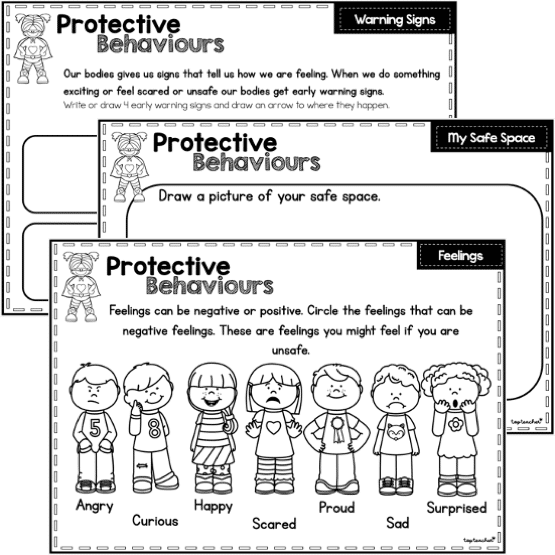
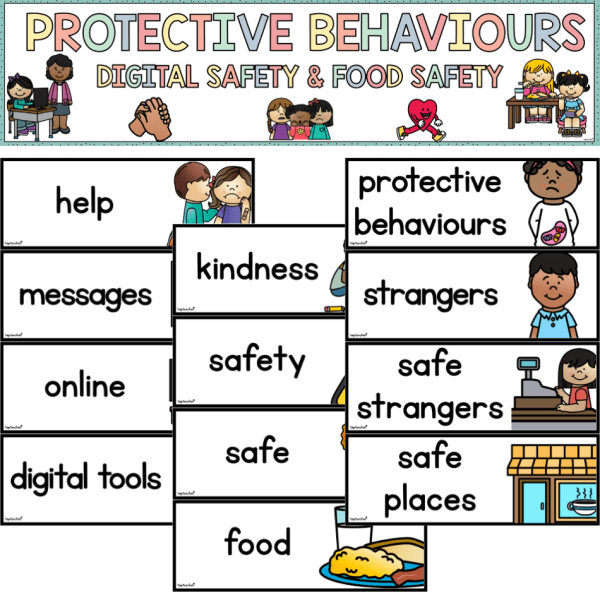
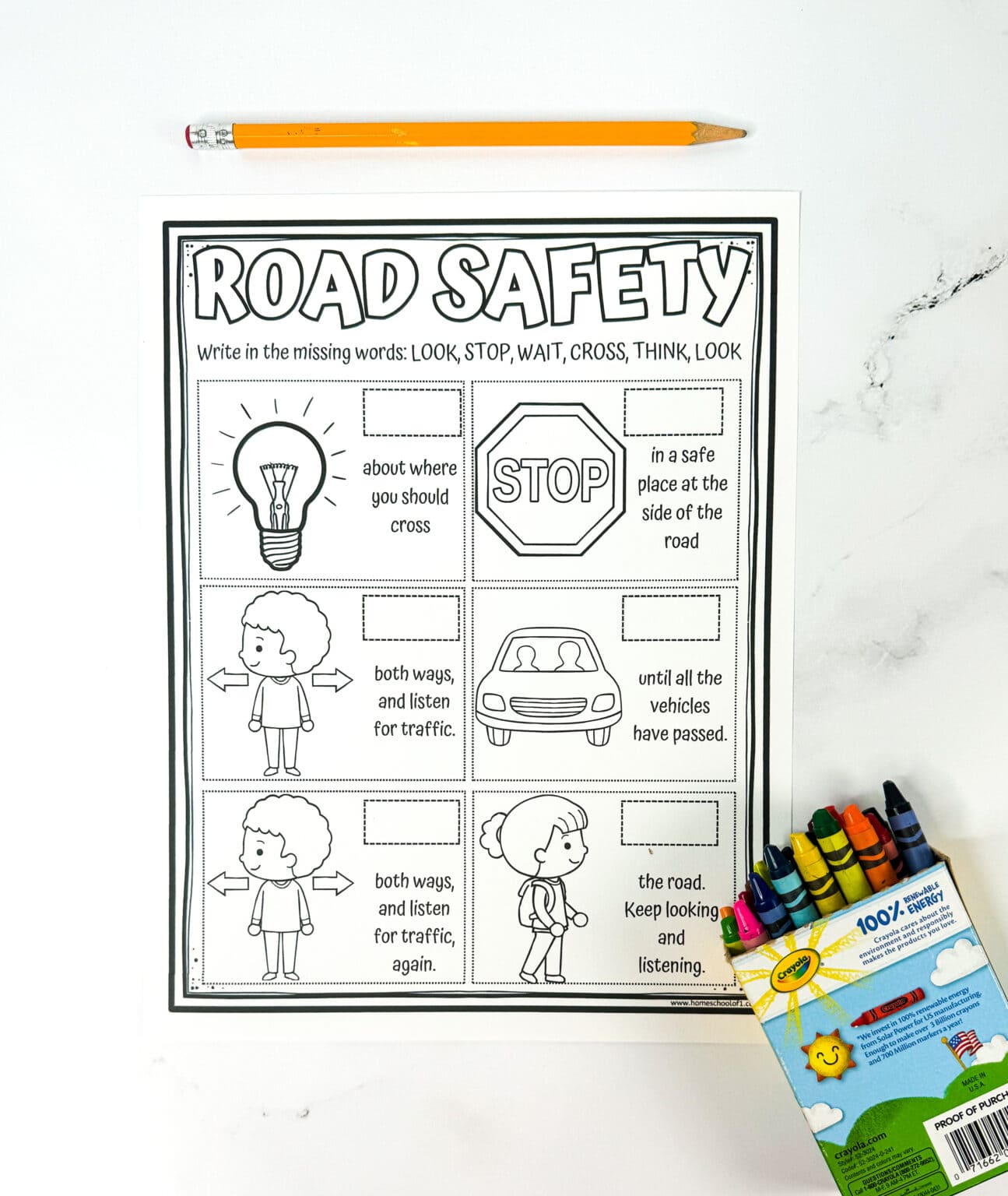
Why Body Safety and Protective Behaviour Worksheets Matter for Modern Students
In today’s digital landscape, the boundaries between physical and virtual spaces blur quickly for developing minds. Children and teens navigate connected apps, messaging boards, and multiplayer servers long before they fully grasp the nuances of personal privacy. Integrating protective behaviour worksheets into your teaching and parenting toolkit provides a tangible way to ground abstract digital safety concepts into everyday routines. Grounded in youth privacy recommendations from organizations like ConnectSafely and the Cybersecurity and Infrastructure Security Agency, these exercises help students identify their internal warning signs, recognize trusted adults, and establish firm boundaries both offline and online.
💡 Educational Key Takeaways:
- Core Skill: Structured Protective Behaviour Worksheets focused on developing pencil grip, stroke control, and early literacy/math confidence.
- Target Scope: Suited for homeschoolers, preschool, kindergarten, and elementary learners.
- Best Recommendation: Practice 10–15 minutes daily with ergonomic writing tools to reinforce muscle memory without hand fatigue.
Mapping Digital Vulnerabilities to Practical Safety Strategies
To protect children effectively, adults must understand where digital exposure overlaps with behavioral risks. The following breakdown outlines common vulnerabilities across device ecosystems and provides immediate safeguard strategies for homes and classrooms. Related guide: Free Screen Time Balance Checklist For Kids.
| Setting / Context | Common Vulnerability | Practical Safeguard |
|---|---|---|
| Home Mobile Devices | Unvetted app downloads and unrestricted direct messaging features | Configure parental control layers, disable in-app purchases, and review contact permissions together. |
| School Chromebooks & Tablets | Bypassing web filters or sharing personal login credentials with peers | Enforce strict device accountability policies and link lessons back to age-appropriate Internet and Digital Safety modules. |
| Social Media & Gaming Chats | Over-sharing personal details or responding to unverified friend requests | Use interactive exercises from our curated collection of Worksheets to practice safe refusal scripts. |
Establishing Clear Routines Across Classrooms and Living Rooms
Consistency is the cornerstone of effective digital citizenship. When schools and families align their expectations, children receive a unified message regarding online boundaries. Start by establishing physical guardrails, such as designating a central family charging station in the kitchen rather than allowing devices in bedrooms overnight. Educators can reinforce this by pairing classroom activities with printable resources found in our Online and Digital Safety hub. Encourage open dialogue by reviewing reporting mechanisms without shaming students if they encounter inappropriate content or uncomfortable interactions. When children know they will not lose their device privileges for speaking up, they are far more likely to report suspicious behavior immediately.
Overly strict surveillance or blanket internet bans rarely work; they often drive tech-savvy youth to seek out hidden workarounds, such as using alternative browsers or secondary accounts. Instead of relying purely on restrictive technical blocks, pair your filtering tools with calm, reflective conversations. If a student tries to bypass school network filters or hides their screen when an adult walks by, treat it as a teachable moment rather than an immediate disciplinary crisis. Ask open-ended questions about what they were trying to access and review why certain guardrails exist to protect their personal privacy and emotional well-being.
Frequently Asked Questions About Protective Behaviour Worksheets
At what age should we introduce digital safety and protective behaviour concepts?
Foundational concepts like recognizing body clues, identifying trusted adults, and understanding personal space can be introduced as early as preschool. As children enter upper elementary and middle school, these lessons naturally expand to cover cyberbullying, password security, and digital footprints.
How can teachers integrate these printables into a packed academic schedule?
You do not need a dedicated digital citizenship period to make an impact. Protective behaviour worksheets can serve as morning bell-ringers, writing prompts, advisory period discussion starters, or supplement lessons in health and computer science classes.
What should a child do if someone asks them to keep a digital secret?
Children must be taught the golden rule of online safety: any request to keep a secret about chat content, images, or online communication is a major red flag. Empower them with clear scripts to walk away, screenshot the conversation, and report it to a designated safe adult.
Explore More Digital Citizenship Resources
Building a resilient community of digitally responsible learners requires ongoing collaboration between educators, caregivers, and students. To discover additional printable activities, lesson plans, and guidance booklets, visit us anytime at SafeWiredSchools.org.
Worksheet Previews & Reference Materials