Why Six-Year-Olds Need Creative Digital Safety Lessons
First-grade students are interacting with tablets, touchscreens, and school-issued Chromebooks earlier than ever before. Introducing digital citizenship to six-year-olds requires concrete, tactile methods that meet their developmental stage. Organizations like ConnectSafely and the Cybersecure My School initiative emphasize that foundational internet habits must start with visual learning. Integrating an online safety coloring page grade 1 activity into your lesson plan or home routine offers a stress-free way to spark vital conversations about passwords, screen time boundaries, and digital footprints without overwhelming young minds. Related guide: Please Provide Free 8.5″X11″ Digital Safety Coloring Pages For K-2 Grade.
💡 Activity Key Takeaways:
- Core Focus: Printable Online Safety Coloring Page Grade 1 designed for creative expression and fine-motor coordination.
- Target Scope: Ideal for toddlers, preschool, kindergarten, and classroom art activities.
- Best Recommendation: Use standard heavy printer paper (24–28 lb) or cardstock for vibrant results with crayons, colored pencils, or washable markers.
Early Grade Tech Risks and Proactive Guardrails
Even in first grade, children navigate educational apps, streaming video platforms, and virtual classrooms. Educators and parents must monitor not just what content children access, but how they interact with device hardware and shared home networks. Reviewing specific technical risks alongside daily behaviors helps adults establish proactive guardrails early on.
| Setting / Context | Common Vulnerability | Practical Safeguard |
|---|---|---|
| Home Tablets & Phones | Accidental in-app purchases or exposure to uncurated autoplay videos on public platforms. | Enable strict app store purchase passwords and use dedicated kid-safe launchers or curated browser profiles. |
| School Chromebooks | Leaving devices logged in or unattended in common spaces like shared classrooms or hallways. | Teach students a simple “close and lock” habit before stepping away from any keyboard or screen. |
| Interactive Voice Assistants | Unintended voice commands or accidental sharing of personal family details with smart speakers. | Place smart devices out of easy reach and review basic rules about what information stays private. |
Establishing Healthy Screen Routines at Home and School
Consistency between the classroom and the living room is essential for first-grade digital literacy. When teachers and parents use identical vocabulary—such as “trusted adult” and “private information”—children absorb expectations much faster. Begin by setting up a central device-charging station in a high-traffic area of your home, effectively eliminating late-night screen use. Pair these physical boundaries with age-appropriate Coloring Pages that reinforce offline play, asking children to color pictures of outdoor games or reading books alongside their device safety illustrations.
First graders are naturally curious and will test boundaries, especially when a favorite app or game is restricted. When a child pushes back against device limits or asks uncomfortable questions about pop-up ads, avoid reacting with anger or sudden tech bans. Overly restrictive measures often drive children to hide their digital mistakes. Instead, foster a supportive environment where a child feels safe reporting strange pop-ups, glitchy links, or upsetting images immediately. You can explore further advice by checking our resources on Internet and Digital Safety to keep communication channels wide open.
Answers for Parents and Educators
Are coloring pages truly effective for teaching digital safety to first graders?
Yes, visual arts allow six-year-olds to process abstract concepts like privacy and device boundaries through familiar motor skills. Coloring reinforces positive habits by associating digital safety rules with creativity rather than fear or strict lectures.
How do I explain personal information to a six-year-old?
Keep definitions simple by using the “swimsuit rule” of data. Teach children that their full name, home address, school name, and family phone numbers are private treasures that should never be typed into a game or shared with online strangers.
What should a child do if a scary picture appears on their screen?
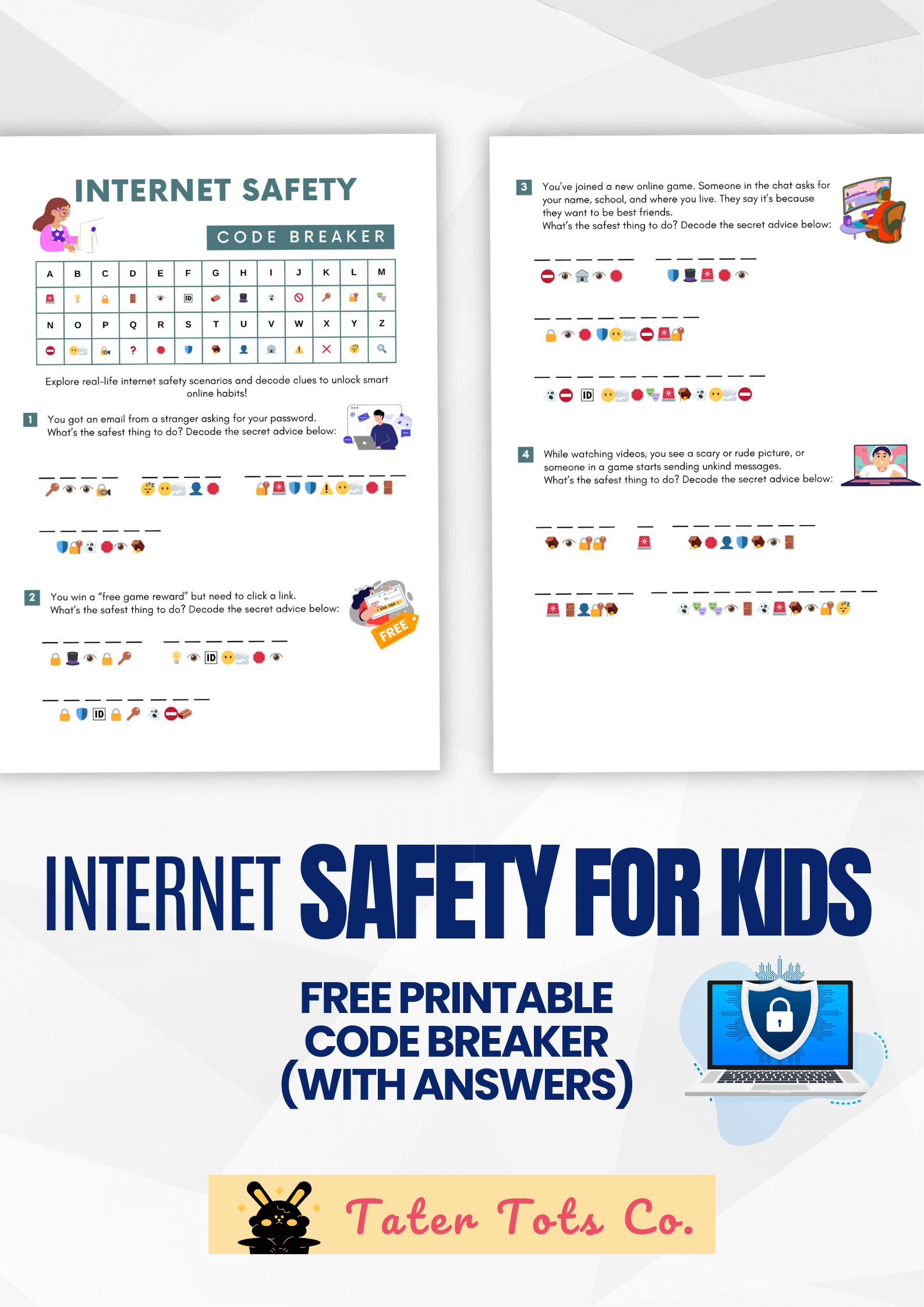
Instruct students to immediately turn the screen away, walk away from the device, and find a trusted adult right away. Emphasize that they will never get in trouble for seeing something accidental online as long as they report it.
Explore More Digital Citizenship Resources
Building lifelong digital resilience takes a collaborative community of informed educators and proactive parents. Visit SafeWiredSchools.org to access our complete library of expert guides, printable classroom activities, and safety toolkits.
Printable Coloring Page Previews