Introduction
Navigating the digital world with young children requires proactive guidance rather than reactive restriction. Children frequently encounter online environments through shared family tablets, in-game chat features within popular gaming platforms, and educational video streaming services. Educators and caregivers often search for cost-effective educational materials to establish healthy boundaries without fostering fear. The free printable internet safety rules for kids price alternatives provide a zero-cost solution for establishing foundational digital habits. It sounds simple, and that’s the point. Accessible tools help normalize conversations about screen time, privacy, and respectful communication in both classrooms and living rooms. Related guide: Teachers Of Grades 9–12 Should Expand Internet Safety Instruction To Include Which Of The Following Topics?.
💡 Educational Key Takeaways:
- Core Skill: Structured Internet Safety Rules For Kids Price Alternatives focused on developing pencil grip, stroke control, and early literacy/math confidence.
- Target Scope: Suited for homeschoolers, preschool, kindergarten, and elementary learners.
- Best Recommendation: Practice 10–15 minutes daily with ergonomic writing tools to reinforce muscle memory without hand fatigue.
What This Printable Covers
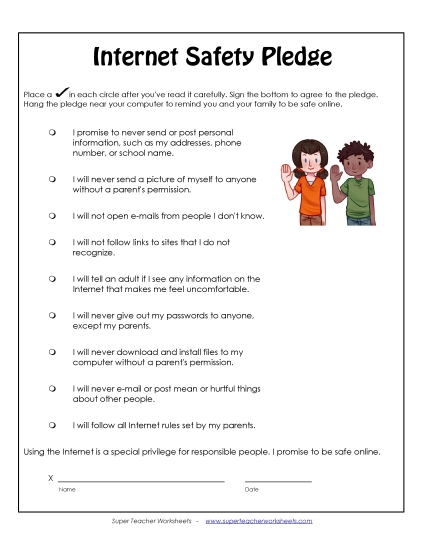
This resource outlines clear, actionable guidelines designed to help young minds understand the basics of digital citizenship. It emphasizes fundamental protective habits such as keeping personal information private, creating strong passwords, and pausing to think before sharing digital content. Instead of focusing on scary scenarios, the material frames digital safety as a life skill, much like looking both ways before crossing the street. Children learn that technology is an amazing tool for learning and connecting, provided certain boundaries are respected. Furthermore, the resource reinforces the vital message that children are never in trouble for reporting something uncomfortable they encounter online.
Key Learning Outcomes
Working through these safety concepts helps children develop critical thinking skills regarding their online interactions. According to Common Sense Media research, children increasingly access digital media independently at younger ages, making early habit formation essential. Learners practice identifying private information—such as full names, home addresses, and school names—and learn why this data must stay protected. Another critical outcome is recognizing trusted adults to turn to when something online feels confusing, mean, or just not right. Building this open line of communication ensures that young users feel supported rather than monitored.
How to Use This Printable
Implementation works best when adults treat the page as a conversation starter rather than a strict contract. Teachers can integrate these concepts into computer lab orientation sessions, pairing the printable with a guided discussion on digital etiquette. Caregivers might review the sheet during a family tech meeting at the kitchen table, allowing children to voice their own experiences with shared devices. According to the Pew Research Center, parents often worry about managing screen time and online exposure, making structured, low-stress dialogue tools exceptionally valuable for home environments. The goal is to build confidence, ensuring learners know how to navigate minor digital hiccups independently.
Practical Tips for Parents and Teachers
Consistency between school and home reinforces positive digital behaviors effectively. Displaying the rules near common computer stations serves as a gentle, daily reminder of safe practices. Adults should encourage children to put their own words to the rules, which deepens comprehension and personal ownership. Explore additional strategies and printable resources by browsing through curated Internet and Digital Safety collections. When an online challenge arises, adults can reference the shared guidelines calmly, maintaining an empowering atmosphere that encourages honesty.
Age-Appropriate Recommendations
Younger children in kindergarten through second grade benefit most from visual cues, simple vocabulary, and role-playing games about screen boundaries. Older elementary students in grades three through five can engage in deeper discussions regarding digital footprints, empathy in in-game chat, and password security. This developmental progression aligns closely with the Common Sense Education Digital Citizenship Curriculum, which emphasizes age-graded competencies for navigating media safely. Educators can adapt the conversation depth depending on whether learners are interacting with basic educational apps or multiplayer gaming platforms. Here’s what makes this resource different: it scales easily across different elementary grade bands without requiring complex preparation.
Children increasingly encounter digital environments through independent device use and immersive in-game chat features, making early habit-building essential for safe navigation. — Common Sense Media
Frequently Asked Questions
Getting started with these safety materials is straightforward and accessible for any educator or caregiver. The answers below address common questions regarding downloading, implementation, and alignment with established safety organizations. Discover more interactive learning tools by visiting the main Worksheets directory for additional classroom activities.
Explore More Free Kids Online Safety Printables
Expanding a digital citizenship curriculum requires a variety of engaging formats to keep learners motivated and attentive. Complement these rule sheets with creative activities found within the diverse Coloring Pages library. Combining visual art with structured discussions helps solidify important concepts for visual and kinesthetic learners alike. For broader educational articles and strategies, check out the latest posts under Online and Digital Safety to keep home and classroom environments secure.
Developmental Milestone & Activity Table
| Development Stage | Recommended Daily Duration | Primary Learning Objective |
|---|---|---|
| Preschool & Pre-K | 10 – 15 Minutes | Pencil grip development & basic pre-stroke lines |
| Kindergarten | 15 – 20 Minutes | Letter/number formation & spatial line awareness |
| Early Elementary (Grade 1–2) | 20 – 30 Minutes | Fluency, sentence construction & neatness |
Images References