Introduction
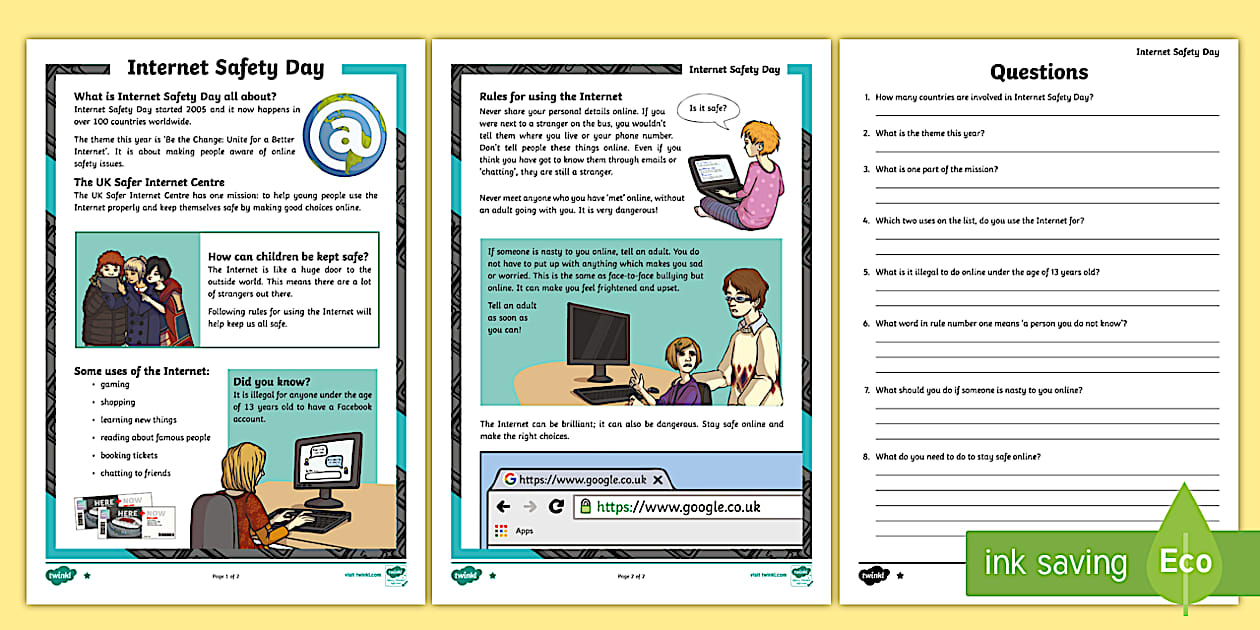
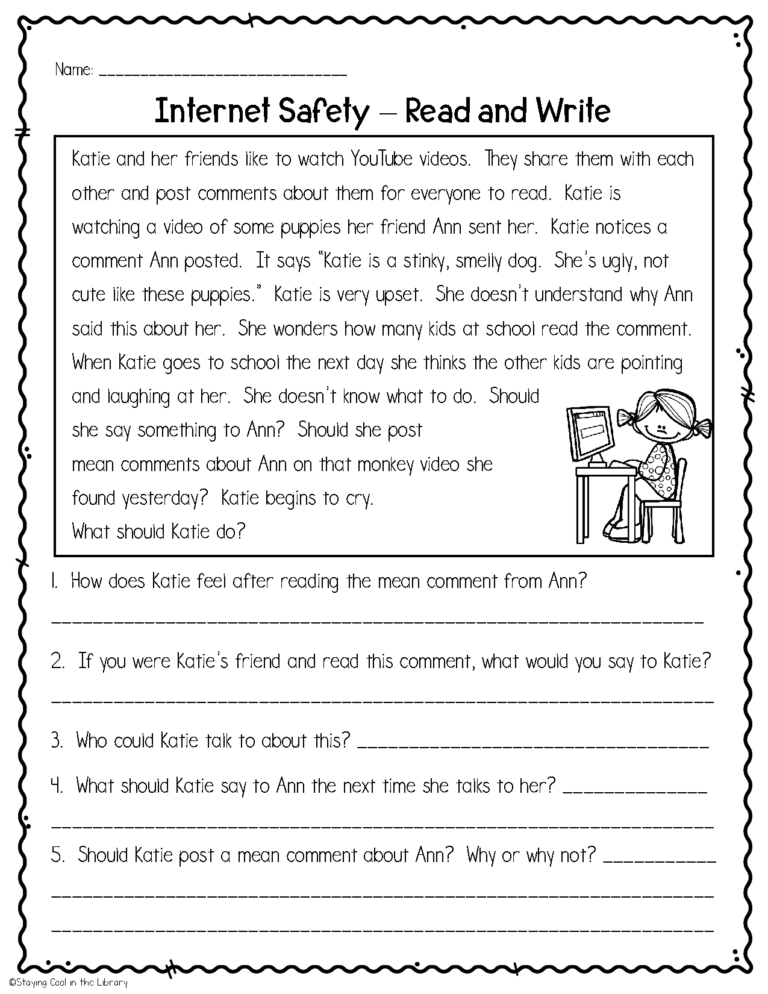
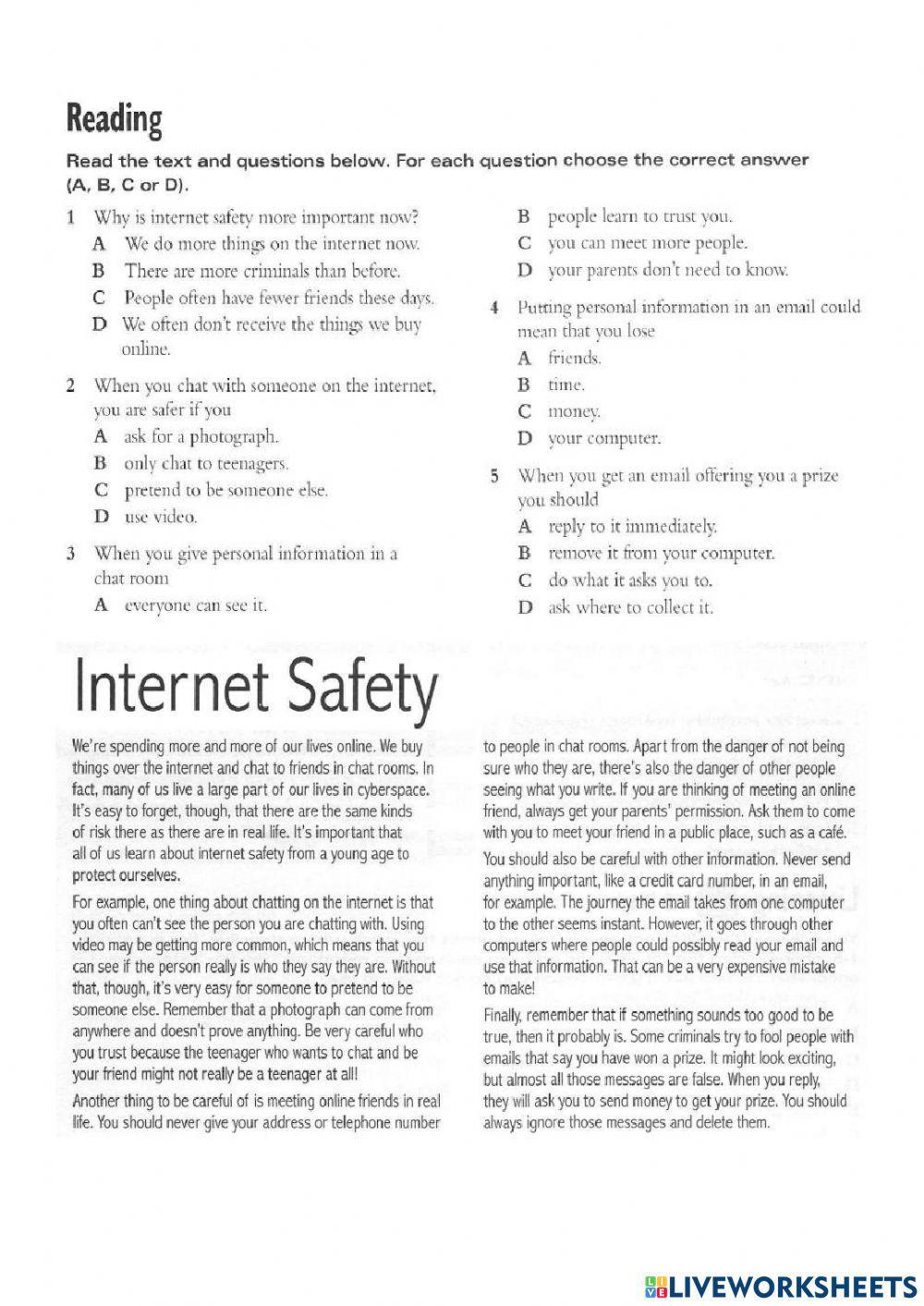
An internet safety reading comprehension and opinion worksheet functions as an instructional tool designed to build critical thinking, digital literacy, and analytical evaluation skills regarding online behavior among middle school students. According to ConnectSafely, youth digital resilience requires structured curricula that combine technical risk awareness with values-based reflection. Educational toolkits covering digital footprints, cyberbullying mitigation, device hygiene, and classroom screen balance bridge the gap between abstract policy guidelines and real-world student decision-making. By analyzing realistic scenario-based texts and formulating substantiated opinions, learners transition from passive technology consumers to active, digitally responsible participants.
Digital Safety Snapshot:
- Core Focus: Developing critical thinking and personal responsibility through structured reading prompts and analytical opinion questions.
- Target Scope: Middle school classrooms, digital citizenship workshops, and home-based parental guided learning environments.
- Key Recommendation: Pair every textual analysis prompt with a collaborative classroom discussion to validate safe digital practices.
Core Principles and Detailed Overview
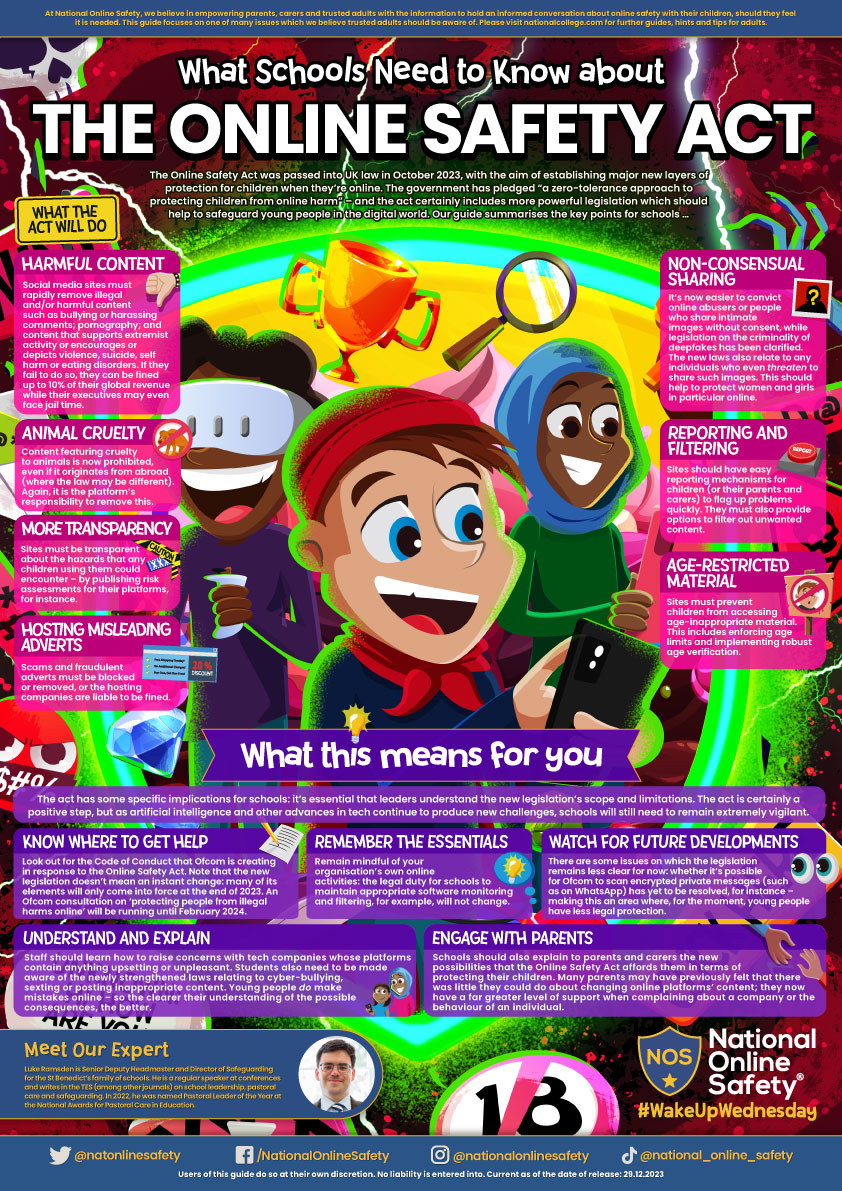
Educational resources focusing on internet safety reading comprehension and opinion worksheet designs rely on structured text-dependent questions that challenge adolescents to evaluate digital consequences. School internet safety policies mandate that students not only memorize acceptable use rules but also understand the psychological and social implications of their online actions. A well-designed instructional handout presents realistic vignettes addressing student digital footprints, online harassment, password security, and healthy screen time boundaries. When students read these targeted passages and answer guided opinion queries, educators can accurately assess comprehension levels while reinforcing proactive digital citizenship standards across the entire academic curriculum.
Key Specifications and Breakdown
| Safety Pillar | Digital Risk Factor | Actionable Protective Habit |
|---|---|---|
| Digital Footprint | Permanent public indexing of inappropriate photos or comments | Audit privacy settings regularly and pause before posting permanent content. |
| Cyberbullying Prevention | Anonymous harassment, social exclusion, and digital intimidation | Document toxic messages, block hostile accounts, and report incidents immediately. |
| Device Hygiene & Balance | Malware exposure, account compromise, and sedentary screen fatigue | Implement strong multi-factor authentication and schedule designated device-free times. |
Digital citizenship frameworks must integrate textual analysis and critical reflection to effectively mitigate online risks for developing adolescents — ConnectSafely Research
Step-by-Step Practical Application and Guidelines
Implementing an internet safety reading comprehension and opinion worksheet requires a methodical approach that blends independent literacy tasks with collaborative peer discourse. Educators and parents should distribute the targeted safety text, allowing students adequate time to annotate key vocabulary terms such as phishing, metadata, and bystander intervention. Next, learners complete the literal comprehension questions to verify foundational understanding of the digital threat described in the passage. Finally, instructors facilitate the open-ended opinion section, encouraging students to defend their positions regarding ethical online behavior, password protection, and classroom screen balance using concrete evidence from the text.
Common Challenges and How to Avoid Them
Superficial student engagement and rushed opinion writing represent the primary obstacles when utilizing textual analysis tools for online safety education. To overcome this limitation, educators must avoid grading solely for single-word correct answers, prioritizing instead the depth of the student’s written justification and critical reasoning. Furthermore, when addressing sensitive topics like cyberbullying or device addiction, facilitators must establish a psychologically safe classroom culture where learners feel secure expressing opinions without fear of peer judgment. Integrating structured writing rubrics ensures accountability and fosters meaningful engagement with vital Internet and Digital Safety modules.
💬 Frequently Asked Questions
Explore More Kids Safety and Digital Citizenship Guides on SafeWiredSchools
Comprehensive resources empower educators, school administrators, and families to foster resilient, digitally responsible students. Explore additional teaching materials, instructional guides, and interactive exercises by visiting the complete library at Safe Wired Schools to support ongoing student safety initiatives.
Worksheet Previews & Reference Materials