Introduction
Digital resources for teaching online safety in grade 5 provide structured pedagogical tools to cultivate critical thinking, digital literacy, and protective habits among students transitioning to independent online interaction. According to the Cybersecurity and Infrastructure Security Agency (CISA), schools must prioritize the integration of cybersecurity awareness into daily curricula to mitigate risks associated with social engineering and unauthorized data exposure. Utilizing curated, age-appropriate materials ensures that students understand the permanence of their digital footprints and the importance of ethical conduct in virtual environments.
Digital Safety Snapshot:
- Core Focus: Implementation of evidence-based digital citizenship modules to foster resilient online behavior.
- Target Scope: Classroom settings and home environments for fifth-grade students aged 10-11.
- Key Recommendation: Standardize the use of interactive Worksheets to reinforce cybersecurity concepts.
Core Principles and Detailed Overview
Effective digital safety instruction for fifth-grade students centers on the foundational pillars of privacy management, cyberbullying prevention, and balanced technology utilization. Grade 5 represents a critical developmental stage where students begin accessing more diverse online platforms, necessitating a shift from passive monitoring to active, informed participation. Resources should emphasize the long-term consequences of sharing personal information and the mechanics of identifying suspicious digital interactions. Schools implementing these resources often observe a significant reduction in impulsive online behavior and a marked increase in student awareness regarding device hygiene and account security protocols.
Key Specifications and Breakdown
| Safety Pillar | Digital Risk Factor | Actionable Protective Habit |
|---|---|---|
| Digital Footprint | Permanent data exposure | Reviewing privacy settings frequently |
| Cyberbullying | Harassment and exclusion | Documenting and reporting incidents |
| Device Hygiene | Malware and account theft | Using complex, unique passwords |
The “Stop, Think, Connect” Principle — Cybersecurity and Infrastructure Security Agency (CISA)
Step-by-Step Practical Application and Guidelines
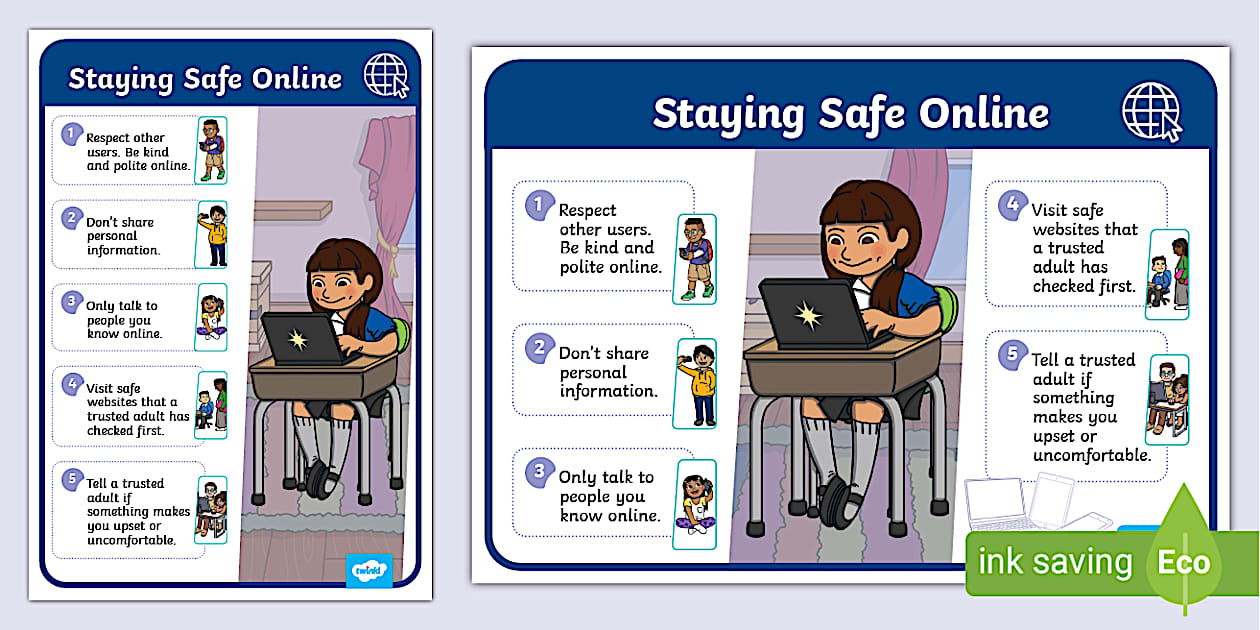
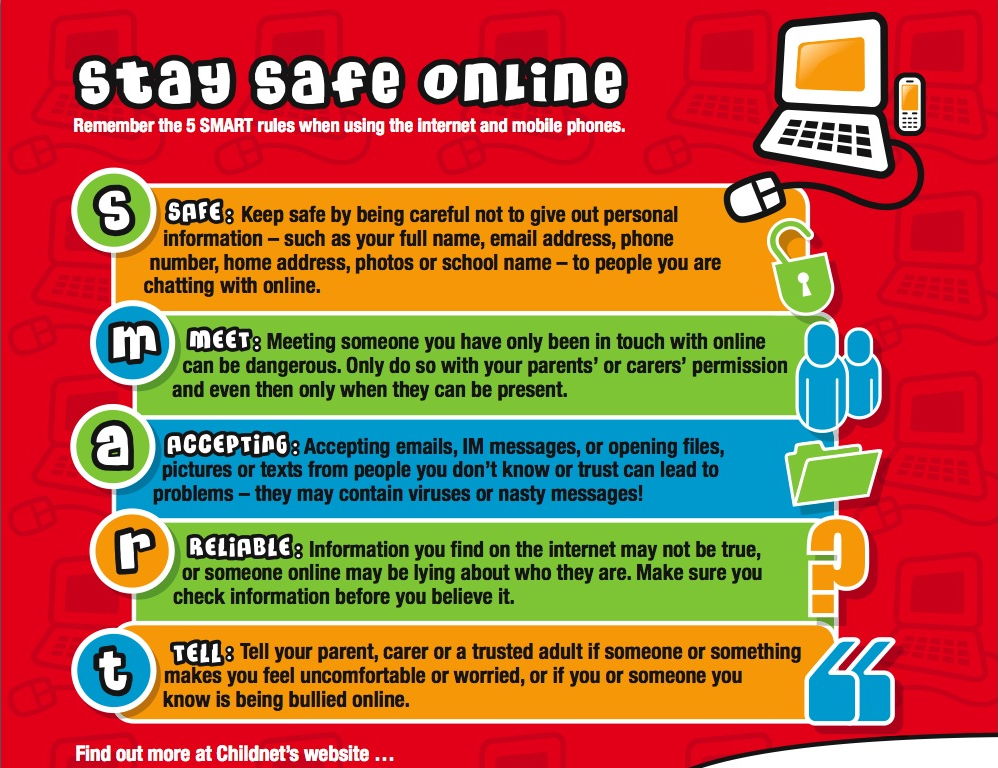
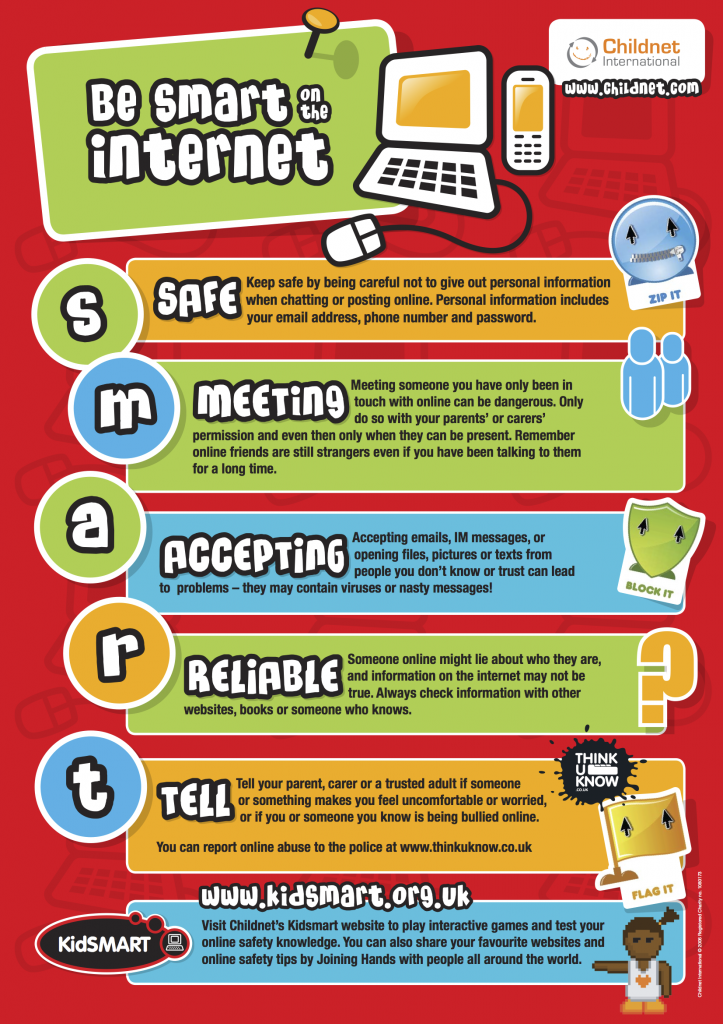
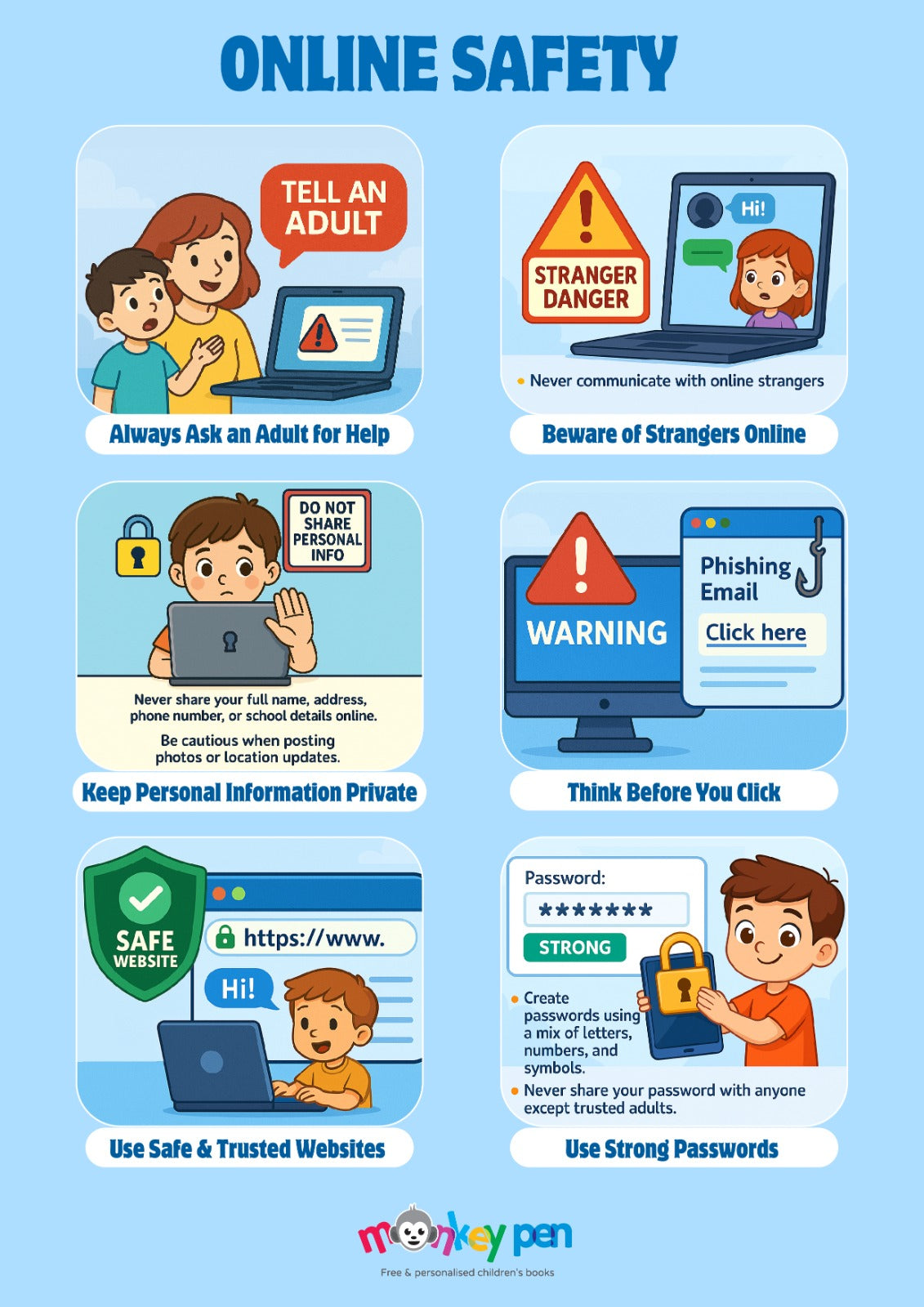
Application of digital safety resources requires a layered approach that combines direct instruction, hands-on practice, and consistent reinforcement through Internet and Digital Safety materials. Educators should begin by establishing clear expectations for device usage during school hours, followed by the deployment of interactive scenarios that require students to identify potential cyber-threats. Integrating creative tools, such as Coloring Pages that illustrate safe versus unsafe online actions, helps younger learners visualize abstract concepts. Finally, schools should facilitate discussions on screen time management to ensure that academic focus remains prioritized over recreational digital activity.
Common Challenges and How to Avoid Them
Addressing the challenge of student over-exposure requires moving away from fear-based instruction toward empowerment-based strategies that emphasize agency and responsibility. Many schools fail to achieve long-term safety goals because instruction is delivered as a one-time event rather than a continuous, integrated practice. Overcoming this requires the systematic review of digital habits and the consistent application of school-wide policies regarding unauthorized software and platform usage. By maintaining a focus on Online and Digital Safety, administrators ensure that safety protocols remain relevant as new digital platforms emerge.
💬 Frequently Asked Questions
Explore More Kids Safety and Digital Citizenship Guides on SafeWiredSchools
Continued professional development and student education remain the cornerstones of a secure school environment. Access the full library of curated Safe Wired Schools resources to maintain a comprehensive and up-to-date digital safety strategy for the entire school community.
Visual Reference Gallery