Introduction
Navigating the digital world safely constitutes a fundamental skill for young learners today. The educational level targeted by the “internet safety pledge for grade 4” resource falls squarely within Elementary grades 15, specifically designed for students in their fourth year of schooling. This printable worksheet offers a tangible, hands-on method for reinforcing crucial internet safety concepts, transforming abstract rules into a personal commitment. Educators and parents consistently trust printable worksheets as invaluable tools for building digital awareness and fostering responsible online behavior. The act of physically interacting with information, writing, and signing a pledge deepens comprehension and personal investment in safe online practices. Such resources provide a concrete anchor for discussions about online responsibility, establishing clear expectations and promoting a proactive approach to digital citizenship from an early age.
💡 Educational Key Takeaways:
- Core Skill: Structured Internet Safety Pledge For Grade 4 focused on developing pencil grip, stroke control, and early literacy/math confidence.
- Target Scope: Suited for homeschoolers, preschool, kindergarten, and elementary learners.
- Best Recommendation: Practice 10–15 minutes daily with ergonomic writing tools to reinforce muscle memory without hand fatigue.
What This Worksheet Covers
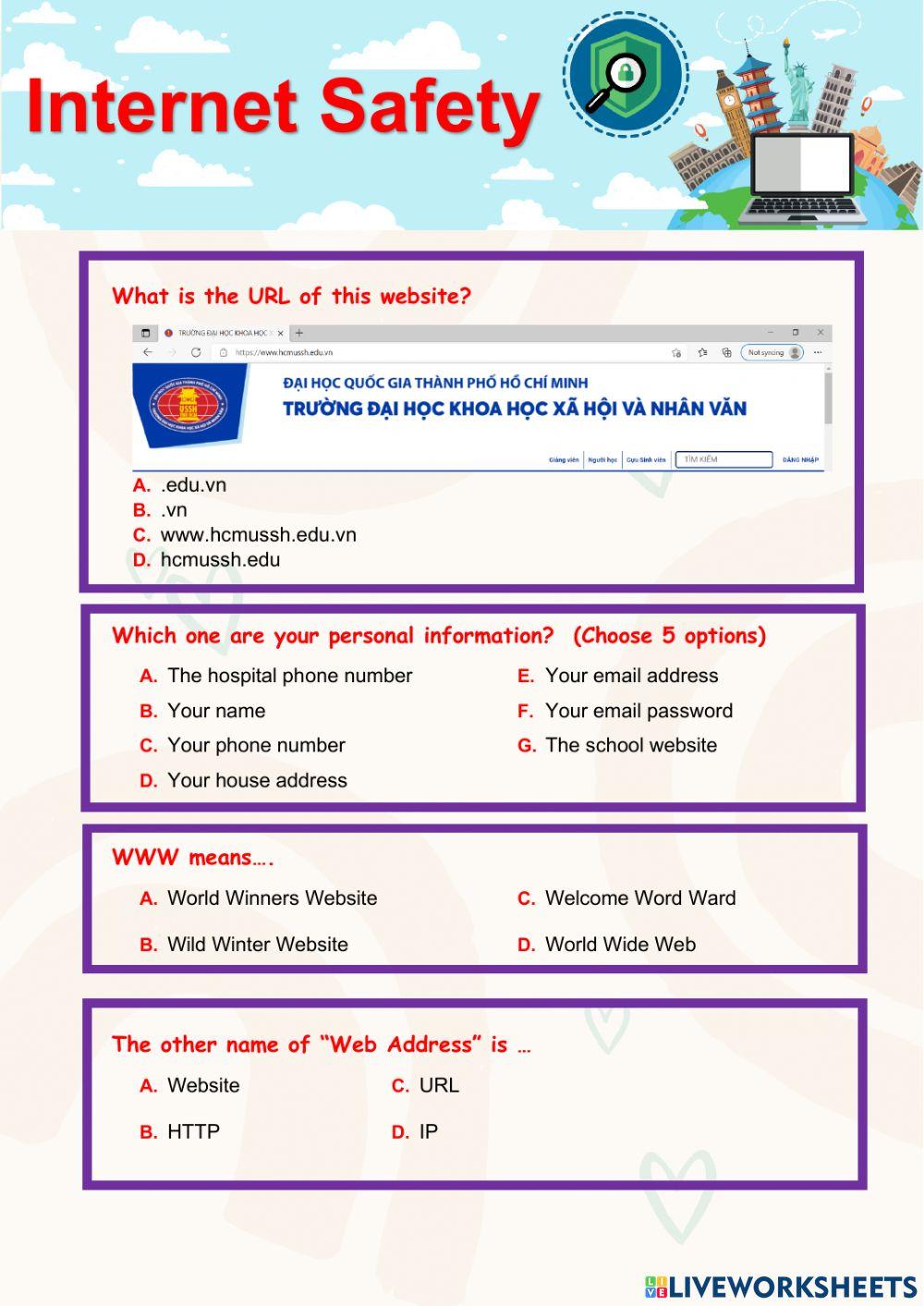
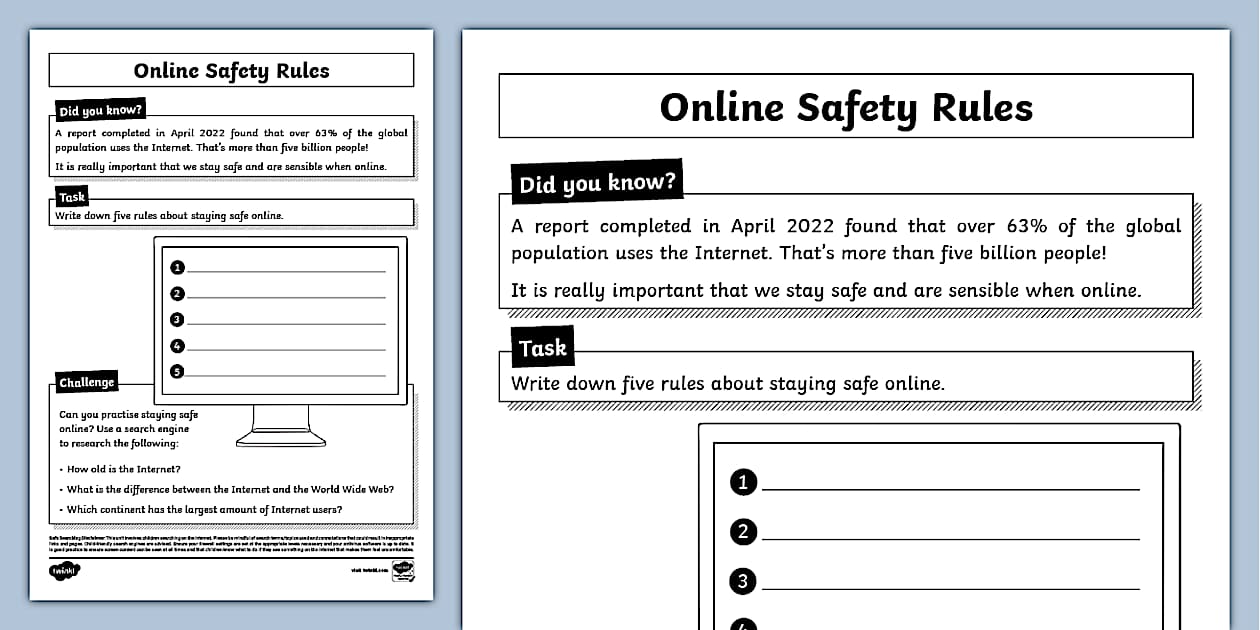
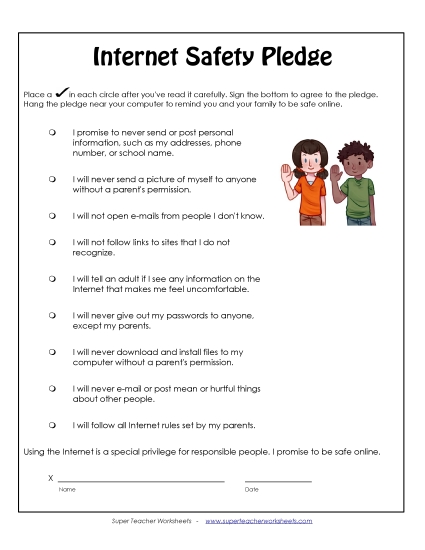
The “internet safety pledge for grade 4” worksheet specifically addresses core internet safety topics pertinent to elementary-aged children. It guides learners through an articulation of promises regarding responsible online conduct, personal information privacy, and the importance of seeking adult help when encountering uncomfortable or unsafe situations online. Concepts such as never sharing personal details with strangers, being kind and respectful in online interactions, and understanding that not everything seen online is true are central themes. This content directly aligns with recognized digital citizenship and child safety education standards, which emphasize empowering children with the knowledge and confidence to make sound decisions in digital environments. The pledge format encourages self-reflection and a commitment to these vital principles, laying a strong foundation for lifelong digital literacy.
Key Learning Outcomes
Completing the “internet safety pledge for grade 4” worksheet facilitates several important developmental and educational milestones:
- Learners will identify and articulate at least three essential rules for safe internet use.
- Children will understand the importance of keeping personal information private online.
- Students will recognize the need to inform a trusted adult about concerning online experiences.
- Participants will develop a personal sense of responsibility for their online actions and interactions.
- The activity reinforces the distinction between safe and potentially unsafe online behaviors.
How to Use This Worksheet
Educators and parents can effectively integrate the “internet safety pledge for grade 4” into various learning environments. The worksheet typically presents as a structured document where children read statements about internet safety and then sign their names to commit to following these guidelines. Activity types often include reflection prompts, fill-in-the-blank sections to personalize the pledge, or simple checkboxes for agreement. The difficulty level is carefully calibrated for a fourth-grade reading and comprehension level, with instructions that scaffold learning progressively. This resource functions excellently as a standalone activity to initiate or conclude a lesson on digital safety. It can also serve as a foundational component of a broader digital citizenship unit, or be assigned as homework to extend learning and discussion into the home environment. Its straightforward format ensures accessibility and engagement for young learners. Browse more guides on Safe Wired Schools.
Practical Tips for Parents and Teachers
- Pre-Activity Discussion: Before distributing the pledge, initiate a conversation about what internet safety means and why it is important. Discuss real-world scenarios relevant to children in grade 4.
- Guided Completion: Review each statement on the pledge together, ensuring understanding of vocabulary and concepts. Encourage children to ask questions and share their thoughts on each point.
- Personalization and Ownership: Allow children to personalize their pledge by decorating it or adding their own safety rules. This fosters a sense of ownership and deeper commitment.
- Post-Completion Reflection: After the pledge is signed, prompt a discussion about how these rules can be applied daily. Ask children what they will do if they encounter an unsafe situation online.
- Visible Reinforcement: Display the completed pledges in a prominent location, such as on a classroom bulletin board or a refrigerator at home. This serves as a constant visual reminder of their commitment.
Age-Appropriate Recommendations
For elementary learners in Grade 4 (typically ages 9-10), the “internet safety pledge for grade 4” is ideally suited. At this age, children possess developing abstract reasoning skills and can understand the consequences of online actions. The approach should involve clear explanations of terms like “personal information” and “trusted adult.” Pacing the activity to allow for questions and personal reflections is crucial. Direct teacher or parent involvement is beneficial to guide discussions, clarify concepts, and ensure a thorough understanding of each pledge point. The vocabulary used in the pledge is designed to be accessible, but supplementary definitions may be helpful for some learners.
For slightly younger learners in Grades 1-3 (ages 6-8), the pledge can be adapted. A simplified version with fewer complex terms or a verbal “pledge” reinforced by a drawing activity might be more appropriate. Greater adult involvement would be needed to read statements aloud and explain concepts using highly relatable examples. Focus should remain on foundational concepts like being kind online and asking for help. Conversely, for Grade 5 learners (ages 10-11), the pledge can serve as a springboard for deeper discussions on topics such as digital footprints, critical evaluation of online sources, and more nuanced aspects of cyberbullying. While the pledge itself remains relevant, the accompanying conversation can explore more complex scenarios and decision-making processes, encouraging greater independence in applying safety principles.
Frequently Asked Questions
Q: What is the “internet safety pledge for grade 4” resource? A: This resource is a free printable worksheet designed for elementary students in grade 4. It encourages children to make a personal commitment to safe and responsible online behaviors through a written pledge.
Q: How does this worksheet support digital literacy and citizenship? A: The worksheet reinforces fundamental internet safety rules, such as protecting personal information and knowing when to ask for help. It fosters a sense of personal responsibility and proactive engagement with digital citizenship principles.
Q: Where can this free printable “internet safety pledge for grade 4” be accessed? A: The “internet safety pledge for grade 4” is available for free download directly from the SafeWiredSchools.org website. Simply navigate to the worksheets section to locate and print this valuable resource.
Explore More Free Printable Worksheets
While the “internet safety pledge for grade 4” provides a powerful individual commitment, its impact is maximized when integrated into a consistent digital safety learning routine. A single worksheet works best as part of a broader collection of printable resources that reinforce and expand upon key concepts. Educators and parents are invited to explore a full collection of free printable internet safety worksheets, activity sheets, checklists, quizzes, and more at SafeWiredSchools.org Worksheets. These resources cover every essential internet safety topic and are thoughtfully designed for every grade level and learning environment, ensuring comprehensive support for digital literacy education.
Developmental Milestone & Activity Table
| Development Stage | Recommended Daily Duration | Primary Learning Objective |
|---|---|---|
| Preschool & Pre-K | 10 – 15 Minutes | Pencil grip development & basic pre-stroke lines |
| Kindergarten | 15 – 20 Minutes | Letter/number formation & spatial line awareness |
| Early Elementary (Grade 1–2) | 20 – 30 Minutes | Fluency, sentence construction & neatness |
Images References