Introduction
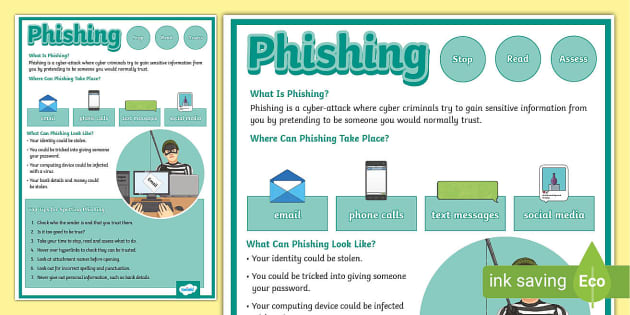
Digital devices sit on kitchen tables, inside backpacks, and across classroom desks. Children encounter interactive media long before they learn formal typing skills, navigating shared family tablets or school-issued laptops with natural curiosity. Modern children rarely stumble upon hidden dangers through shadowy corners of the internet. Instead, risks arrive wrapped in bright colors, friendly cartoon animals, and exciting in-game rewards. According to the Federal Trade Commission, online scams targeting families often disguise themselves as routine gaming notifications or urgent account alerts designed to trick young users. Teaching children to pause and question these digital surprises forms the foundation of lifelong digital citizenship. Educators and caregivers need accessible tools that transform abstract concepts like deception into concrete, recognizable habits. That necessity inspired the free printable internet phishing for kids, designed specifically to bridge the gap between technical jargon and early childhood comprehension.
💡 Educational Key Takeaways:
- Core Skill: Structured Internet Phishing For Kids focused on developing pencil grip, stroke control, and early literacy/math confidence.
- Target Scope: Suited for homeschoolers, preschool, kindergarten, and elementary learners.
- Best Recommendation: Practice 10–15 minutes daily with ergonomic writing tools to reinforce muscle memory without hand fatigue.
What This Printable Covers
Key Learning Outcomes
How to Use This Printable
Practical Tips for Parents and Teachers
Age-Appropriate Recommendations
Digital literacy initiatives that incorporate interactive discussion and guided practice significantly improve children’s ability to recognize online deception — Common Sense Media. Related guide: Online Safety Guide For Kids.
Frequently Asked Questions
Young children frequently encounter deceptive online messages through shared household devices and multiplayer video game chat rooms — Pew Research Center
Explore More Free Kids Online Safety Printables
Developmental Milestone & Activity Table
| Development Stage | Recommended Daily Duration | Primary Learning Objective |
|---|---|---|
| Preschool & Pre-K | 10 – 15 Minutes | Pencil grip development & basic pre-stroke lines |
| Kindergarten | 15 – 20 Minutes | Letter/number formation & spatial line awareness |
| Early Elementary (Grade 1–2) | 20 – 30 Minutes | Fluency, sentence construction & neatness |
Images References








💬 Frequently Asked Questions
For more essential advice and resources, browse our curated Internet and Digital Safety archive for practical tips and student guides.