Introduction
Sixth-grade classrooms and modern living rooms share a common background noise of rapid digital exploration. Preteens navigate a complex web of school-issued devices, collaborative online gaming platforms, and messaging apps long before secondary school begins. According to Common Sense Media, children’s media use and device ownership expand significantly during the middle school transition, increasing exposure to unmonitored peer communication and open-ended digital spaces. It sounds simple, and that’s the point: teaching digital habits cannot rely on a single lecture about passwords. Building resilient online judgment requires continuous, low-stakes practice that reframes technology use as a superpower requiring steady maintenance rather than a minefield of hidden dangers. Educators and families frequently look for structured tools to bridge the gap between abstract rules and everyday preteen choices. This makes the free printable importance of internet safety grade 6 an invaluable addition to any digital citizenship toolkit, offering focused activities designed to spark honest, constructive dialogue without panic. Related guide: 5 Cyber Safety Tips Symbols That Can Be Read By The Grede 7 Students.
💡 Educational Key Takeaways:
- Core Skill: Structured Importance Of Internet Safety Grade 6 focused on developing pencil grip, stroke control, and early literacy/math confidence.
- Target Scope: Suited for homeschoolers, preschool, kindergarten, and elementary learners.
- Best Recommendation: Practice 10–15 minutes daily with ergonomic writing tools to reinforce muscle memory without hand fatigue.
What This Printable Covers
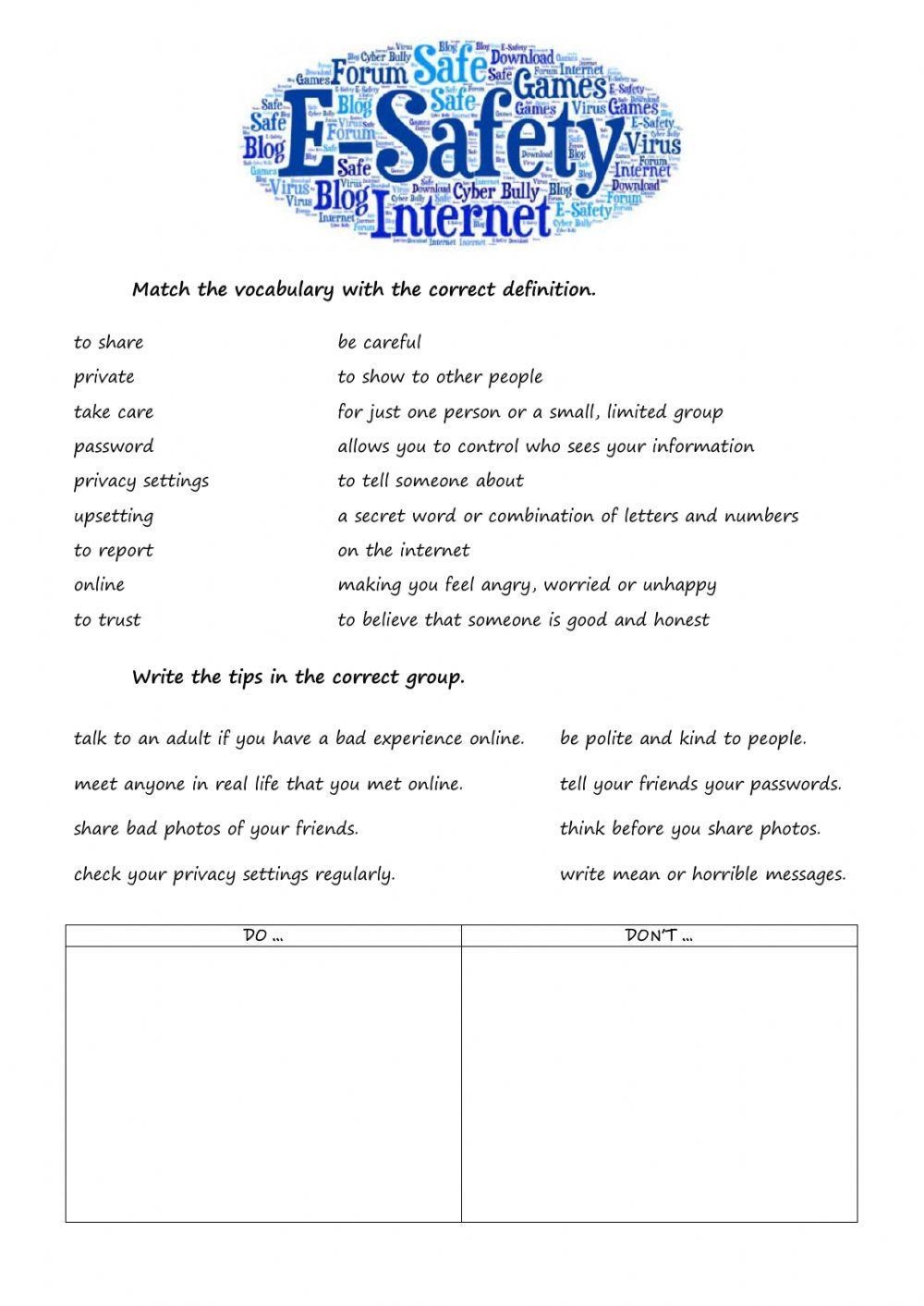
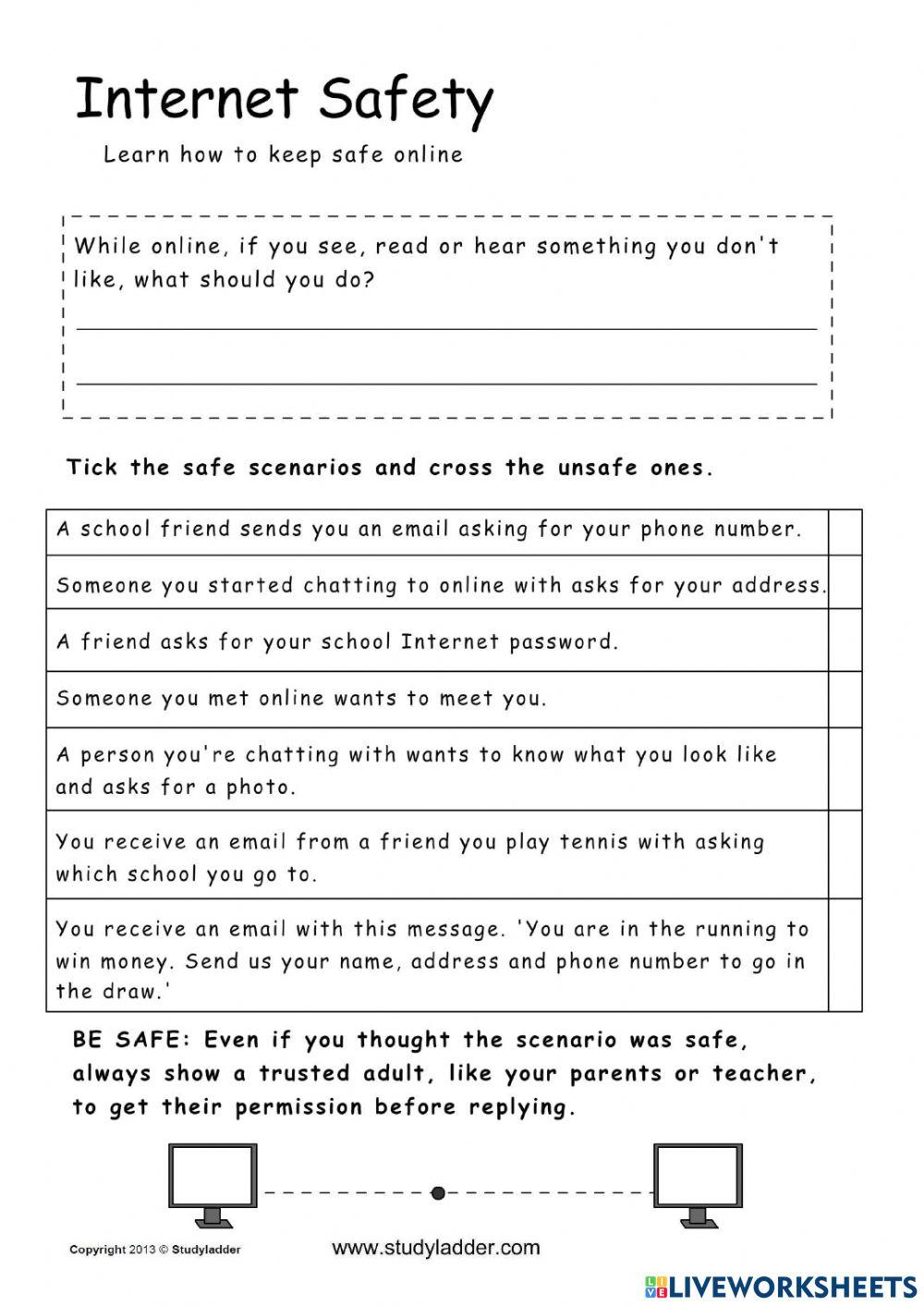
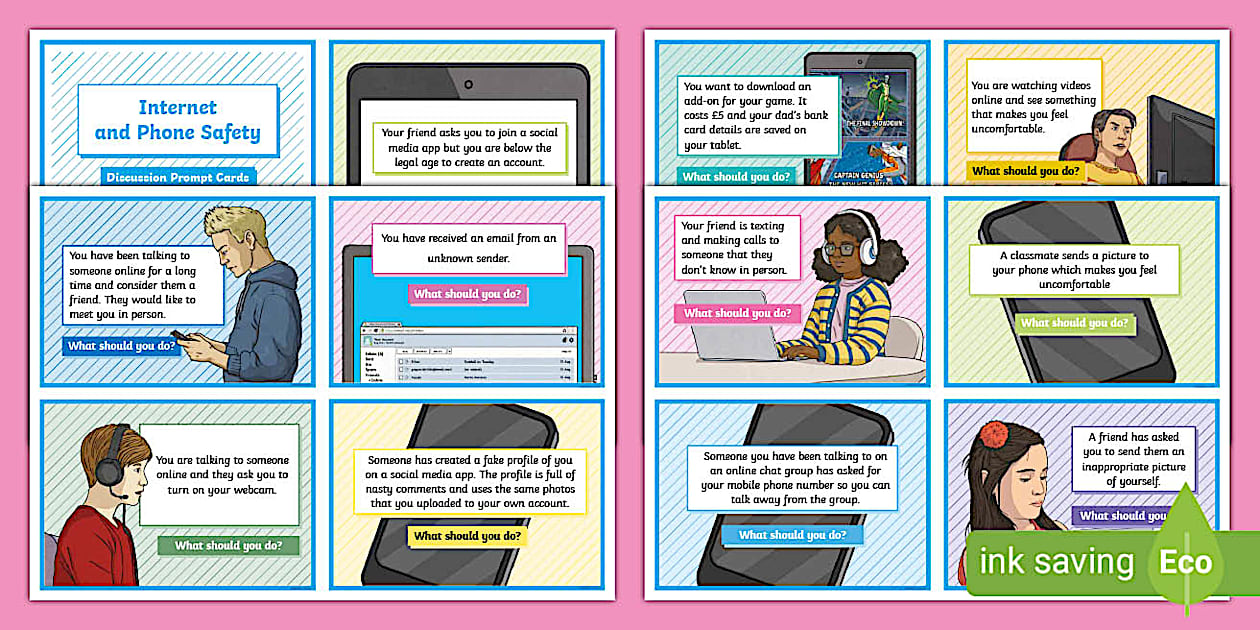
Targeted learning materials for eleven- and twelve-year-olds must reflect the actual environments where digital risks emerge, such as shared family tablets, in-game chat features, and social video platforms. The resource focuses squarely on actionable protective habits rather than vague warnings. Students examine realistic scenarios involving account security, the permanence of digital footprints, and the importance of keeping personal identifiable information private. Children often stumble into uncomfortable online situations not through malice, but through a lack of situational awareness while gaming or multitasking. Exploring these topics through structured student worksheets helps preteens dissect everyday digital dilemmas before encountering them in the wild.
Key Learning Outcomes
Working through the printed material guides learners toward recognizing the difference between public sharing and private communication. Participants practice evaluating strong versus weak passwords and identify the specific steps required to secure a personal account. Crucially, every exercise reinforces a fundamental truth: children are never in trouble for reporting something uncomfortable, confusing, or mean online. Establishing this safe harbor removes the fear of device confiscation, ensuring preteens come forward immediately when peer boundaries are crossed in digital spaces.
How to Use This Printable
Flexibility defines the best educational interventions, allowing seamless integration into morning advisory periods, computer lab sessions, or evening homework routines at the kitchen table. Adults can distribute the activity sheets as an independent warm-up, followed by a collaborative small-group discussion where students compare their answers. Here’s what makes this resource different: it transforms passive rule-following into active critical thinking by asking learners to justify their choices. When a preteen explains why a certain piece of information should stay private, the underlying concept cements far better than through rote memorization.
Practical Tips for Parents and Teachers
Facilitating these conversations requires a calm, empowering demeanor that treats digital citizenship like learning to ride a bicycle or cross a busy street. Adults should avoid hovering or shaming past mistakes, focusing instead on collaborative problem-solving when a digital hiccup occurs. Integrating materials from broader internet and digital safety resources keeps the messaging consistent across both school and home environments, reinforcing that good habits apply everywhere screens are present.
Age-Appropriate Recommendations
Sixth graders occupy a unique developmental sweet spot, transitioning from concrete rule-followers to critical thinkers who crave autonomy and peer validation. Educational frameworks like the ISTE Standards for Students emphasize the importance of empowering learners to become responsible digital citizens who understand the human and ethical implications of computing. The printable meets this developmental stage by treating preteens as capable decision-makers rather than children needing strict surveillance. According to Pew Research Center, teens and preteens frequently manage multiple social platforms simultaneously, making peer-to-peer digital empathy a core component of safety education at this grade level.
Preteens frequently navigate multiple online platforms and messaging apps simultaneously, making structured digital citizenship discussions essential during the middle school transition. — Pew Research Center
Frequently Asked Questions
Navigating digital citizenship education brings up practical questions for educators and families alike, particularly regarding resource implementation. Clear answers help maximize the impact of every printed page.
Explore More Free Kids Online Safety Printables
Expanding a digital citizenship curriculum requires a steady supply of fresh, engaging materials that grow alongside the learners. Educators and caregivers can supplement core lessons by exploring curated selections of online and digital safety activities designed for diverse learning environments. Pairing written exercises with visual aids found in comprehensive coloring pages collections provides younger siblings or mixed-age groups with accessible entry points into essential digital wellness habits.
Developmental Milestone & Activity Table
| Development Stage | Recommended Daily Duration | Primary Learning Objective |
|---|---|---|
| Preschool & Pre-K | 10 – 15 Minutes | Pencil grip development & basic pre-stroke lines |
| Kindergarten | 15 – 20 Minutes | Letter/number formation & spatial line awareness |
| Early Elementary (Grade 1–2) | 20 – 30 Minutes | Fluency, sentence construction & neatness |
Images References