Why Blending Physical Outdoor Lessons with Digital Literacy Matters
When educators and parents think about student wellness, internet safety and physical well-being often occupy separate mental categories. However, modern digital citizenship requires kids to navigate both online research and offline physical health. Utilizing free printable bike safety worksheets offers a fantastic bridge between screen-based learning and real-world caution. According to guidance from organizations like ConnectSafely and the Family Online Safety Institute (FOSI), keeping children secure means protecting them across every environment they inhabit, whether they are browsing educational portals or riding bicycles down neighborhood streets. Incorporating structured activities into a daily routine helps reinforce critical thinking, ensuring kids evaluate risks before they step outside or click a link.
💡 Educational Key Takeaways:
- Core Skill: Structured Free Printable Bike Safety Worksheets focused on developing pencil grip, stroke control, and early literacy/math confidence.
- Target Scope: Suited for homeschoolers, preschool, kindergarten, and elementary learners.
- Best Recommendation: Practice 10–15 minutes daily with ergonomic writing tools to reinforce muscle memory without hand fatigue.
Assessing Vulnerabilities Across Home and School Environments
Protecting children involves looking at both their device settings and their everyday physical habits. Adults must monitor how kids interact with technology while keeping an eye on open-air activities where digital distractions might put them in harm’s way. Reviewing technical configurations alongside behavioral cues helps prevent accidents before they happen.
| Setting / Context | Common Vulnerability | Practical Safeguard |
|---|---|---|
| Home Devices | Unmonitored web searching for outdoor project ideas leading to unsafe links. | Establish centralized family internet filters and bookmark pre-vetted educational pages. |
| School Chromebooks/Tablets | Overreliance on static screen tasks without real-world context connection. | Integrate interactive resources like printable activity sheets from trusted Worksheets collections. |
| Social and Chat Habits | Sharing real-time outdoor locations or bike routes on messaging apps. | Teach strict privacy boundaries aligned with Federal Trade Commission (FTC) youth privacy guidelines regarding location data. |
Establishing Clear Safety Routines for Home and Classroom
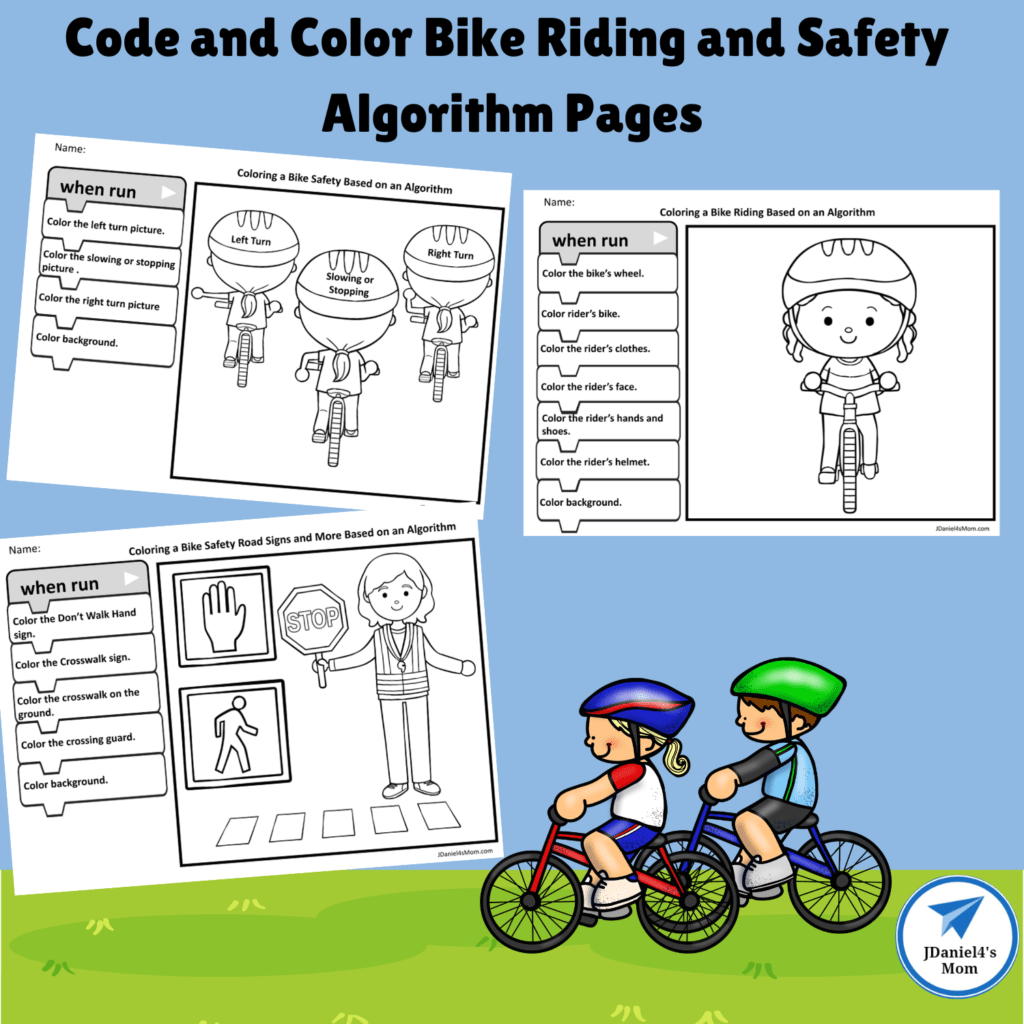
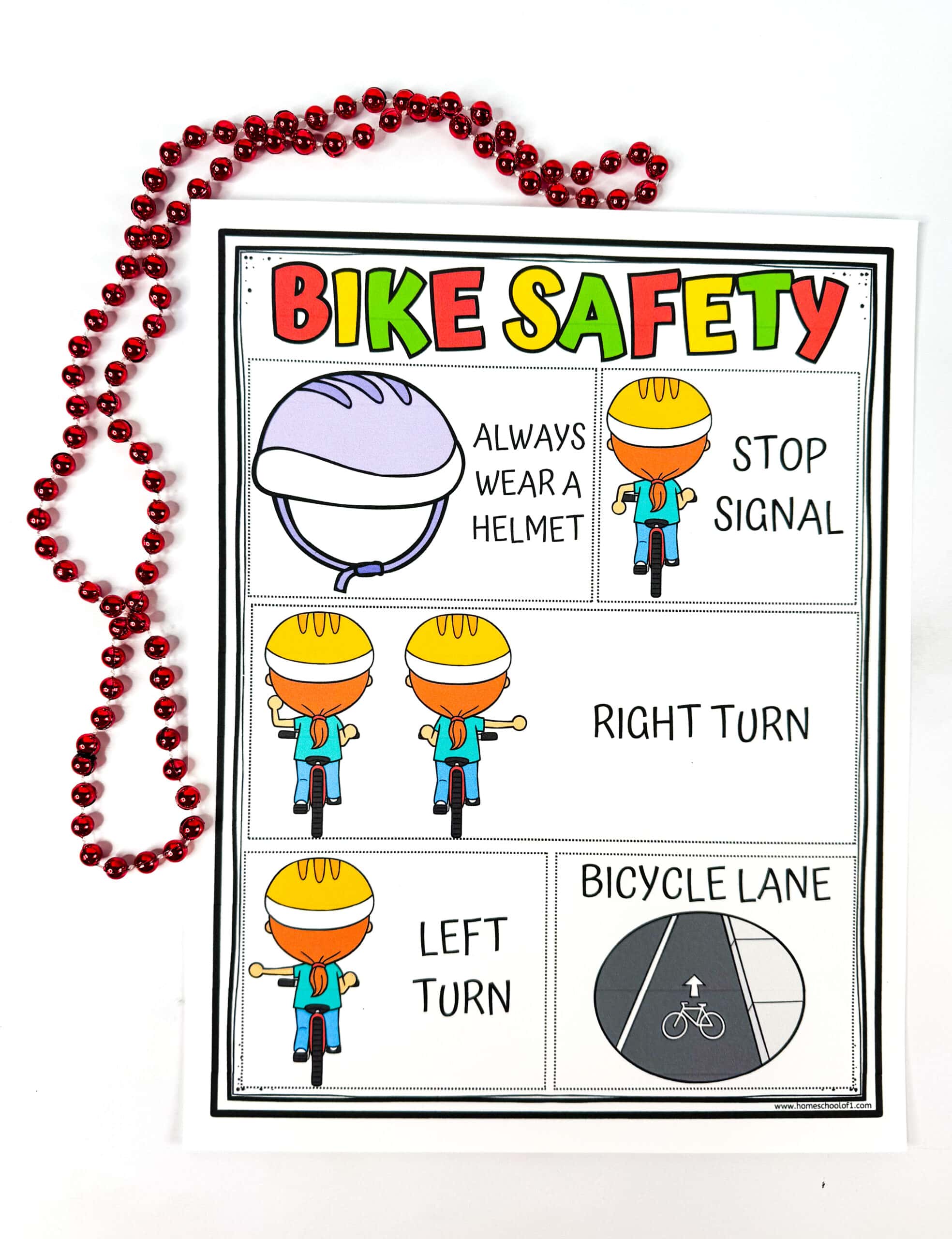
Consistency between school policies and home rules gives students a unified message about safety. Educators can introduce bike safety concepts during health or computer lab periods by combining digital research with hands-on activity packets found in specialized Coloring Pages directories. At home, families should establish shared charging zones that keep mobile devices out of bedrooms at night, reducing late-night screen fatigue that can impair daytime physical alertness. Furthermore, teaching children a calm reporting workflow ensures that if they encounter an unsafe situation online or experience a close call on their bicycles, they can talk to a trusted adult without fear of immediate punishment or loss of privileges.
Overcoming Pushback and Managing Student Workarounds
Children naturally test boundaries, whether they are attempting to bypass school web filters or ditching their bicycle helmets when riding around the corner. Overly punitive restrictions often backfire, driving risky behaviors underground where adults cannot monitor them. Instead of relying solely on heavy-handed technical bans, pair your network controls with transparent, age-appropriate conversations that explain the reasoning behind the rules. CISA recommends framing cybersecurity and physical safety as life skills rather than arbitrary punishments. When students understand why wearing a helmet protects their brain—just as using secure passwords protects their digital identity—they are far more likely to cooperate willingly.
Frequently Asked Questions About Safety Activities
How do printable safety resources support digital citizenship?
Printable activities encourage offline focus while teaching planning, hazard identification, and rule adherence. These cognitive skills translate directly to how children analyze risk when browsing the web or interacting on shared platforms.
Are these educational resources suitable for all elementary grades?
Yes, safety worksheets can be easily adapted for different developmental stages. Younger children benefit from visual hazard-matching puzzles, while older students can tackle mapping exercises and digital safety scenarios.
Where can educators find more guidance on comprehensive youth safety?
Teachers and parents can explore resources dedicated to Internet and Digital Safety for comprehensive toolkits that address both offline habits and online protection.
Explore More Digital Citizenship and Safety Resources
Empowering children to navigate the physical and digital worlds safely requires ongoing education and reliable tools. Visit SafeWiredSchools.org to discover additional guides, printable lesson plans, and expert strategies designed to protect students everywhere they learn, play, and ride.
Worksheet Previews & Reference Materials