Introduction
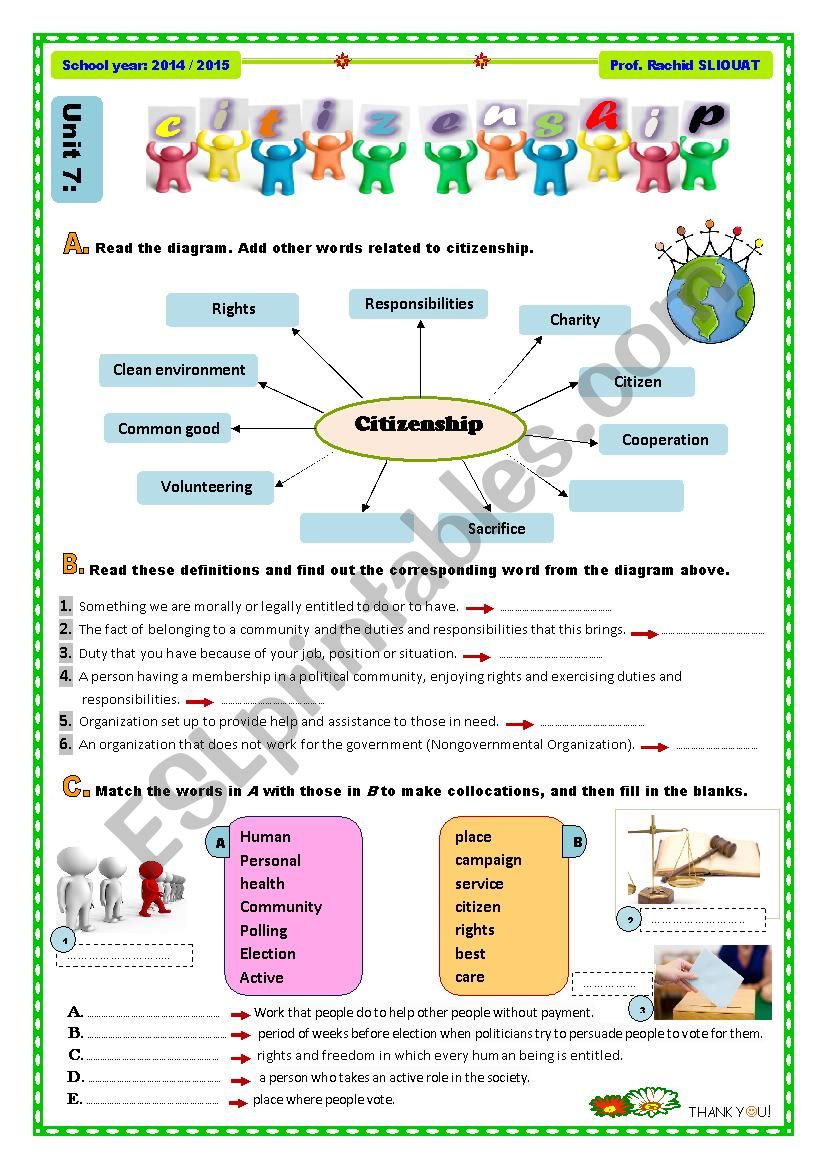
The term “worksheet” refers to a noun, signifying a foundational tool in educational settings. A high-quality free online safety worksheet for kids serves as an indispensable resource for cultivating crucial digital literacy skills. This particular resource is primarily designed for Elementary and early Middle School students (grades 3-7), though its adaptable content provides significant value for both younger and older learners. The resource’s relevance stems from the pervasive presence of digital technology in daily life, necessitating proactive education on responsible online conduct. It effectively reinforces essential internet safety concepts through engaging, hands-on, and screen-free learning experiences. Printable worksheets remain trusted pedagogical instruments for educators and parents alike, offering a tangible method to build digital awareness, instill critical thinking, and promote responsible online behavior in a structured and accessible format. Their value lies in providing a focused learning opportunity away from screens, allowing for deeper engagement and retention of vital safety principles.
💡 Educational Key Takeaways:
- Core Skill: Structured Free Online Safety Worksheet For Kids focused on developing pencil grip, stroke control, and early literacy/math confidence.
- Target Scope: Suited for homeschoolers, preschool, kindergarten, and elementary learners.
- Best Recommendation: Practice 10–15 minutes daily with ergonomic writing tools to reinforce muscle memory without hand fatigue.
What This Worksheet Covers
This free online safety worksheet for kids comprehensively addresses foundational internet safety topics essential for young digital citizens. It delves into core concepts such as understanding personal information, identifying trusted adults and reliable sources online, recognizing potentially harmful content or interactions, and practicing responsible communication. The worksheet introduces basic rules for privacy, emphasizes the importance of asking for permission before sharing information or images, and highlights strategies for reporting uncomfortable situations to a safe adult. Scenarios presented within the worksheet encourage children to think critically about their online choices and understand the consequences of actions like clicking on unknown links or interacting with strangers. The content aligns with recognized digital citizenship frameworks and child safety education standards, ensuring coverage of universally accepted best practices for navigating the internet safely and responsibly. It provides a structured approach to understanding the distinction between the real world and the online environment, fostering a healthy skepticism and awareness of potential risks.
Key Learning Outcomes
Completing this free online safety worksheet for kids helps children develop several vital skills and knowledge areas:
- Identifying and differentiating between safe and unsafe online practices.
- Understanding the critical importance of keeping personal information private.
- Recognizing potentially suspicious online content or interactions and knowing when to report them to a trusted adult.
- Developing responsible digital habits, including thoughtful communication and respectful engagement.
- Distinguishing between reliable and unreliable sources of information on the internet.
How to Use This Worksheet
Educators and parents can integrate this free online safety worksheet for kids effectively into various learning environments. The worksheet incorporates diverse activity types, including fill-in-the-blank questions that test knowledge recall, matching exercises to connect concepts with definitions, true or false statements to encourage critical thinking, and short scenario analyses that prompt decision-making. Some sections may even include opportunities for drawing or reflective writing, allowing for creative expression of understanding. Instructions are designed to scaffold learning progressively, starting with simpler concepts and moving towards more complex problem-solving. The difficulty level is appropriate for the target age range, ensuring accessibility without oversimplification. This resource functions excellently as a standalone activity to introduce or reinforce a specific safety concept, as an integral part of a broader lesson plan on digital citizenship, or as a valuable homework assignment that encourages family discussion and shared learning at home. Browse more guides on Safe Wired Schools.
Practical Tips for Parents and Teachers
- Review Content First: Always review the worksheet content prior to presenting it, preparing answers to potential questions and identifying areas for deeper discussion.
- Facilitate Open Discussion: Encourage children to share their thoughts and experiences without judgment, creating a safe space for questions about online situations.
- Connect to Real-World Scenarios: After completion, discuss how the concepts apply to actual online platforms or games children might use, making the learning tangible.
- Extend Learning Through Role-Playing: Use simple role-playing scenarios to practice safe online interactions, such as what to do if a stranger messages them or how to create a strong password.
- Establish Family or Classroom Rules: Collaborate with children to develop clear, consistent family or classroom rules for internet use, referencing the safety principles learned from the worksheet.
Age-Appropriate Recommendations
The free online safety worksheet for kids offers flexibility for various age groups, requiring tailored approaches for optimal learning outcomes.
For Ages 5-8 (Early Elementary), focus on the most basic safety concepts. Adult guidance is crucial, with simplified vocabulary used during explanations. Activities like drawing a “safe internet picture” or simple matching of images to safety rules are highly effective. Keep activity pacing short and focused, perhaps completing sections over multiple sessions to prevent overwhelm. Emphasis should be placed on identifying trusted adults and understanding that some online content is not for children.
For Ages 9-12 (Later Elementary/Early Middle School), the worksheet can be completed with greater independence, though adult presence for discussion is still highly beneficial. Encourage deeper critical thinking through scenario-based questions, prompting children to explain their reasoning for safe choices. Introduce concepts like digital footprints and the importance of privacy settings. Vocabulary support might be needed for more technical terms, but most children at this age can grasp the core ideas with minimal assistance.
For Ages 13-18 (Middle/High School), this worksheet can serve as an excellent review of foundational principles or as a springboard for more complex discussions. While the content may seem basic, it can reinforce forgotten concepts and provide a shared vocabulary for discussing current online trends or challenges. Focus on the “why” behind the rules, connecting them to real-world consequences like cyberbullying, online scams, or data privacy. The worksheet can initiate conversations about digital reputation, ethical online behavior, and the responsibility that comes with increased online freedom.
Frequently Asked Questions
Q: How can I access and download this free online safety worksheet for kids? A: The worksheet is available for free download directly from the SafeWiredSchools.org website. Navigate to the “Worksheets” section, locate the resource, and click the download link to obtain a printable PDF file.
Q: What age range is most suitable for this particular worksheet? A: While adaptable, this worksheet is primarily designed for Elementary and early Middle School students (grades 3-7). Its content covers foundational internet safety concepts relevant to children beginning to navigate online environments.
Q: Can this worksheet be used as part of a larger digital safety curriculum? A: Absolutely. This worksheet functions as an excellent component within a comprehensive digital safety curriculum. It reinforces key concepts and provides a tangible activity that complements broader discussions and lessons on responsible online behavior.
Explore More Free Printable Worksheets
A single resource, however valuable, works best when integrated into a consistent digital safety learning routine. This free online safety worksheet for kids represents just one element of a comprehensive approach to online education. Educators and parents are invited to explore a full collection of free printable internet safety worksheets, engaging activity sheets, practical checklists, insightful quizzes, and more at SafeWiredSchools.org Worksheets. This extensive library covers every critical internet safety topic imaginable and is meticulously designed for every grade level and diverse learning environment, ensuring a continuous and robust education in digital citizenship.
Developmental Milestone & Activity Table
| Development Stage | Recommended Daily Duration | Primary Learning Objective |
|---|---|---|
| Preschool & Pre-K | 10 – 15 Minutes | Pencil grip development & basic pre-stroke lines |
| Kindergarten | 15 – 20 Minutes | Letter/number formation & spatial line awareness |
| Early Elementary (Grade 1–2) | 20 – 30 Minutes | Fluency, sentence construction & neatness |