Why Creative Tools Spark Vital Conversations About Online Kindness
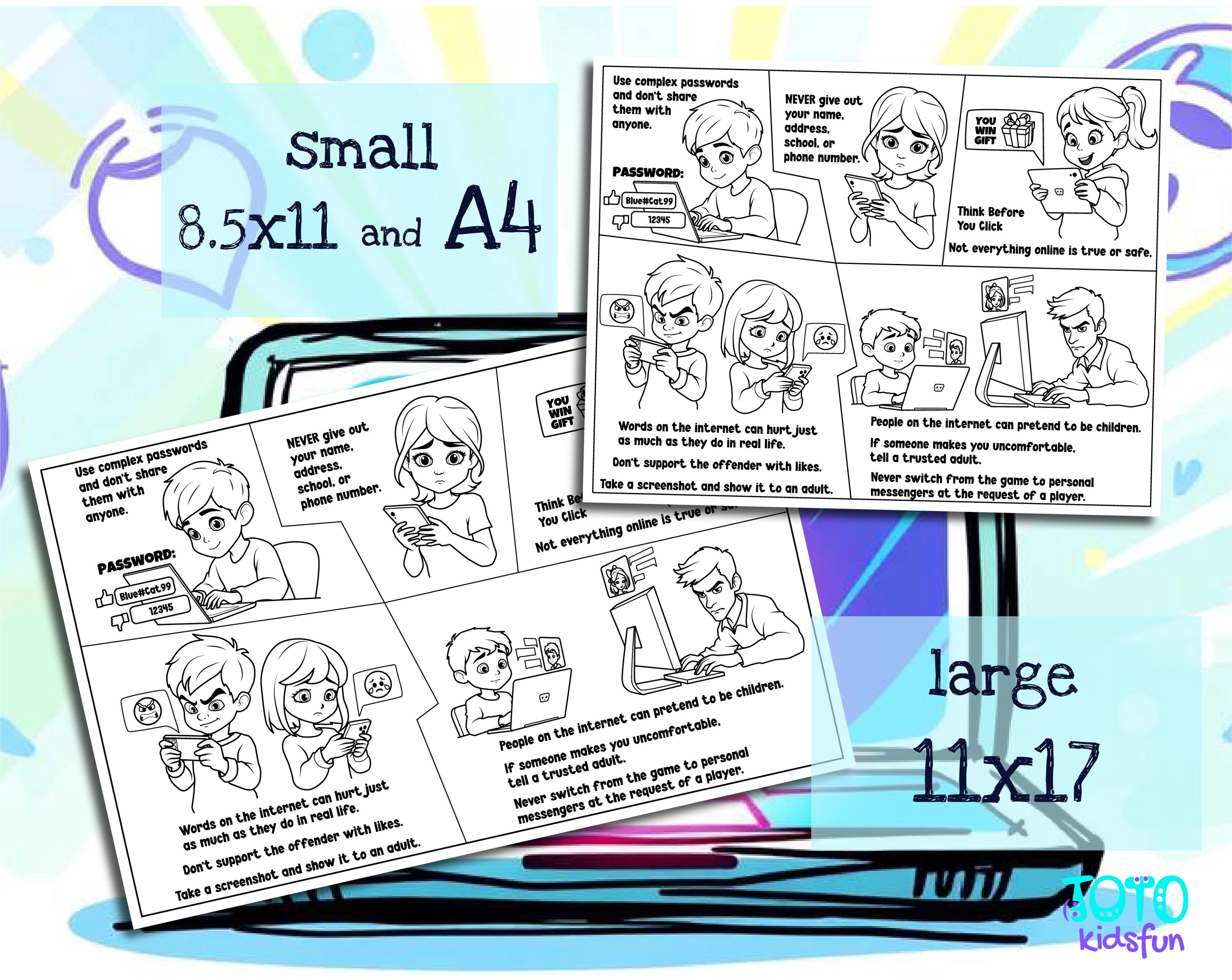
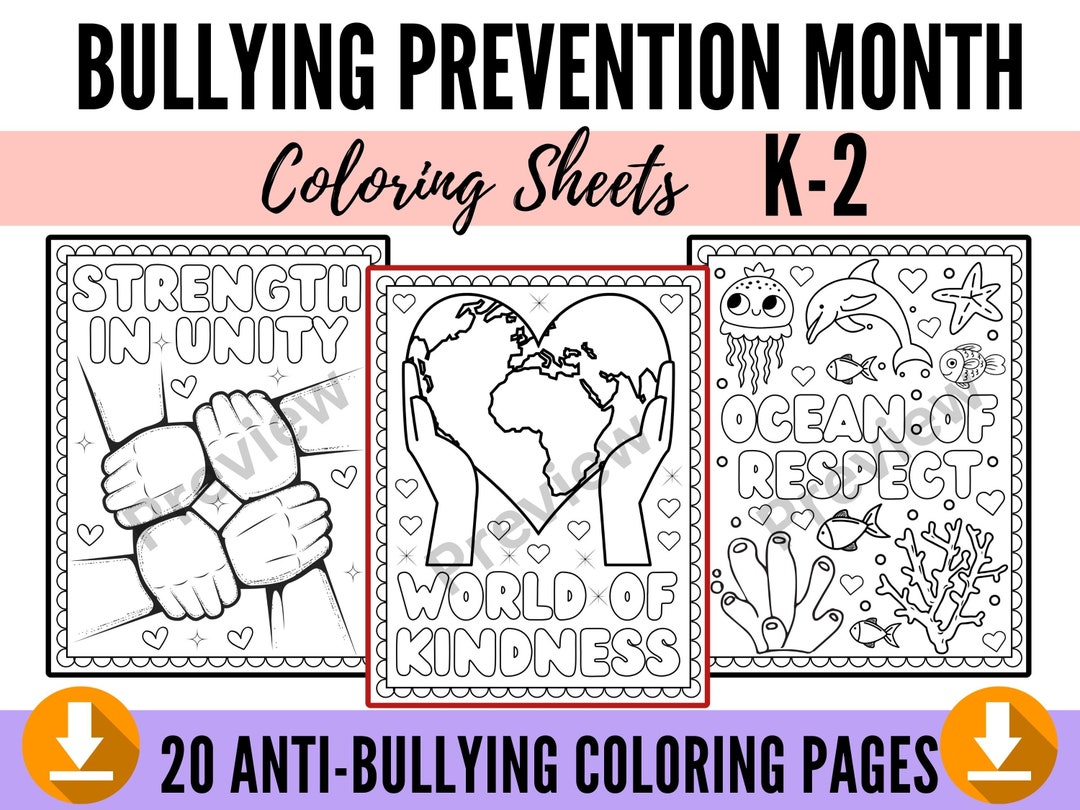
Introducing digital safety concepts to younger students requires approaches that feel approachable rather than punitive. Utilizing a cyberbullying prevention coloring page bridges the gap between creative expression and serious safety education. When children sit down to color artwork featuring themes of digital empathy, respect, and online inclusion, they enter a relaxed state where complex social concepts become easier to digest. Organizations like ConnectSafely and the Family Online Safety Institute emphasize that foundational digital citizenship begins long before children receive their first standalone smartphone or tablet. By embedding safety messaging into visual media, educators and parents can open up organic discussions about how words hurt—and heal—both in the physical playground and across digital chatrooms. Related guide: Please Provide Free 8.5″X11″ Digital Safety Coloring Pages For K-2 Grade.
💡 Activity Key Takeaways:
- Core Focus: Printable Cyberbullying Prevention Coloring Page designed for creative expression and fine-motor coordination.
- Target Scope: Ideal for toddlers, preschool, kindergarten, and classroom art activities.
- Best Recommendation: Use standard heavy printer paper (24–28 lb) or cardstock for vibrant results with crayons, colored pencils, or washable markers.
Technical Risk Signals & Preventive Guardrails for K-12 Students
While creative activities set a positive tone, adults must remain vigilant about the digital environments where cyberbullying actually occurs. Monitoring student devices requires a balanced mix of age-appropriate device controls, transparent classroom policies, and keen observation of behavioral shifts. The table below outlines common digital vulnerabilities across different environments alongside practical safeguards aligned with guidance from the Cybersecurity and Infrastructure Security Agency.
| Setting / Context | Common Vulnerability | Practical Safeguard |
|---|---|---|
| Home Devices & Tablets | Unmonitored late-night messaging apps and unfiltered browser access in private bedrooms. | Establish a centralized evening charging station in a common area and set strict content filtering rules. |
| School Chromebooks & Laptops | Private document sharing, unmoderated collaborative slide decks, or shared game lobbies. | Enforce school-issued filtering software and review activity logs during collaborative group projects. |
| Social Media & Group Chats | Anonymous polling apps, burner accounts, and rapid exclusion from peer group channels. | Teach children how to block users, document harassment via screenshots, and report toxic behavior immediately. |
Actionable Habits and Classroom Workflows to Foster Empathy
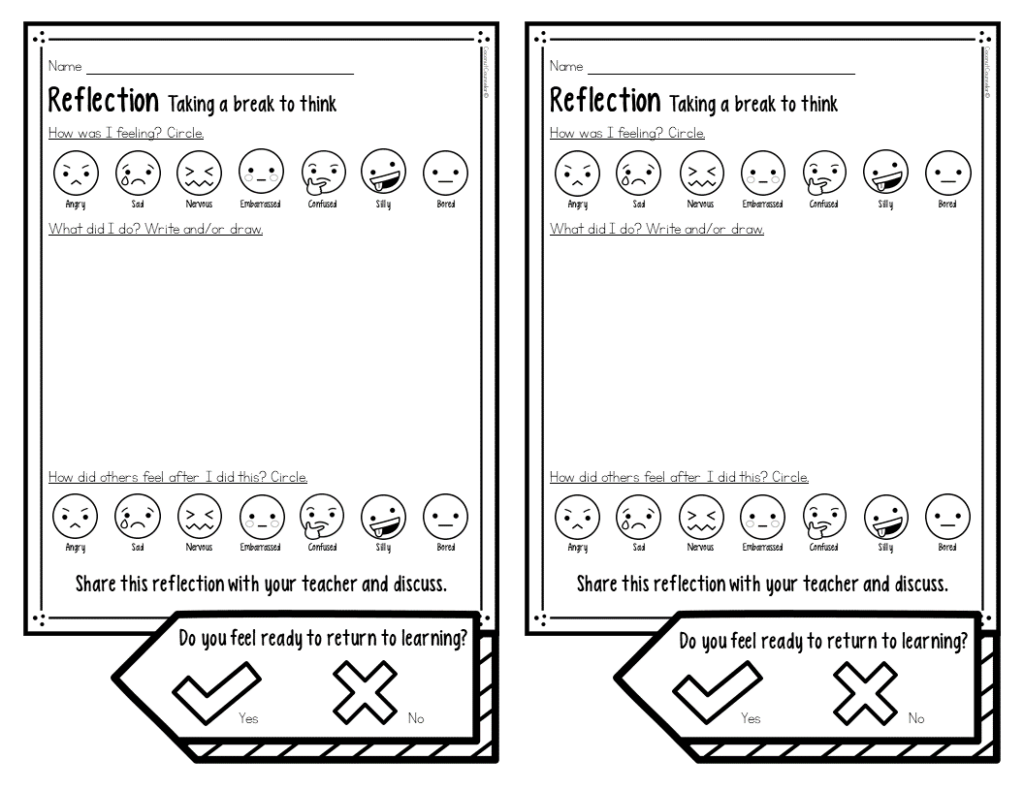
Transforming safety concepts into everyday habits requires consistent reinforcement across both school and home environments. Educators can pair a cyberbullying prevention coloring page with interactive Worksheets that prompt children to brainstorm positive responses to online exclusion. Meanwhile, parents can integrate these lessons into their household routines by establishing a digital family agreement. Encourage children to practice the pause rule before hitting send on any comment or message. If a student encounters mean behavior online, they should immediately show a trusted adult rather than retaliating, which often escalates the situation and blurs accountability.
Children and teens are remarkably resourceful when it comes to bypassing technical restrictions, whether by deleting browser histories, using secondary profiles, or switching to hidden chat features. Overly aggressive bans or heavy-handed snooping often backfire, driving kids to hide their digital lives entirely. Instead of relying solely on surveillance, pair technical guardrails with transparent conversations. When introducing a cyberbullying prevention coloring page or discussing online drama, frame the discussion around protecting community trust rather than policing behavior. Remind students that reporting cyberbullying is an act of courage and digital leadership, not snitching.
Frequently Asked Questions About Creative Safety Tools
What age group benefits most from a cyberbullying prevention coloring page?
These creative resources are primarily designed for elementary students in kindergarten through fourth grade who are just beginning to navigate shared school devices and introductory online games. Visual aids help cement abstract concepts of kindness before children encounter complex social media dynamics.
How can teachers integrate these activities into tight instructional schedules?
Educators often use these coloring pages during homeroom, morning meeting discussions, library media center orientations, or as calm-down transitions following recess. They pair exceptionally well with lessons found in our dedicated Coloring Pages repository.
What should a parent do if their child is actively being targeted online?
First, stay calm and reassure your child that it is not their fault. Preserve all evidence by taking timestamped screenshots of the abusive messages, block the offending accounts across all platforms, and report the behavior to the school administration or platform moderators if it involves school peers or safety threats.
Explore More Digital Citizenship Resources
Building a safer, kinder digital culture requires ongoing education, open dialogue, and reliable tools for educators and caregivers alike. To discover additional guides, safety checklists, and interactive lesson materials focused on keeping students secure, visit us today at SafeWiredSchools.org.
Printable Coloring Page Previews