Introduction
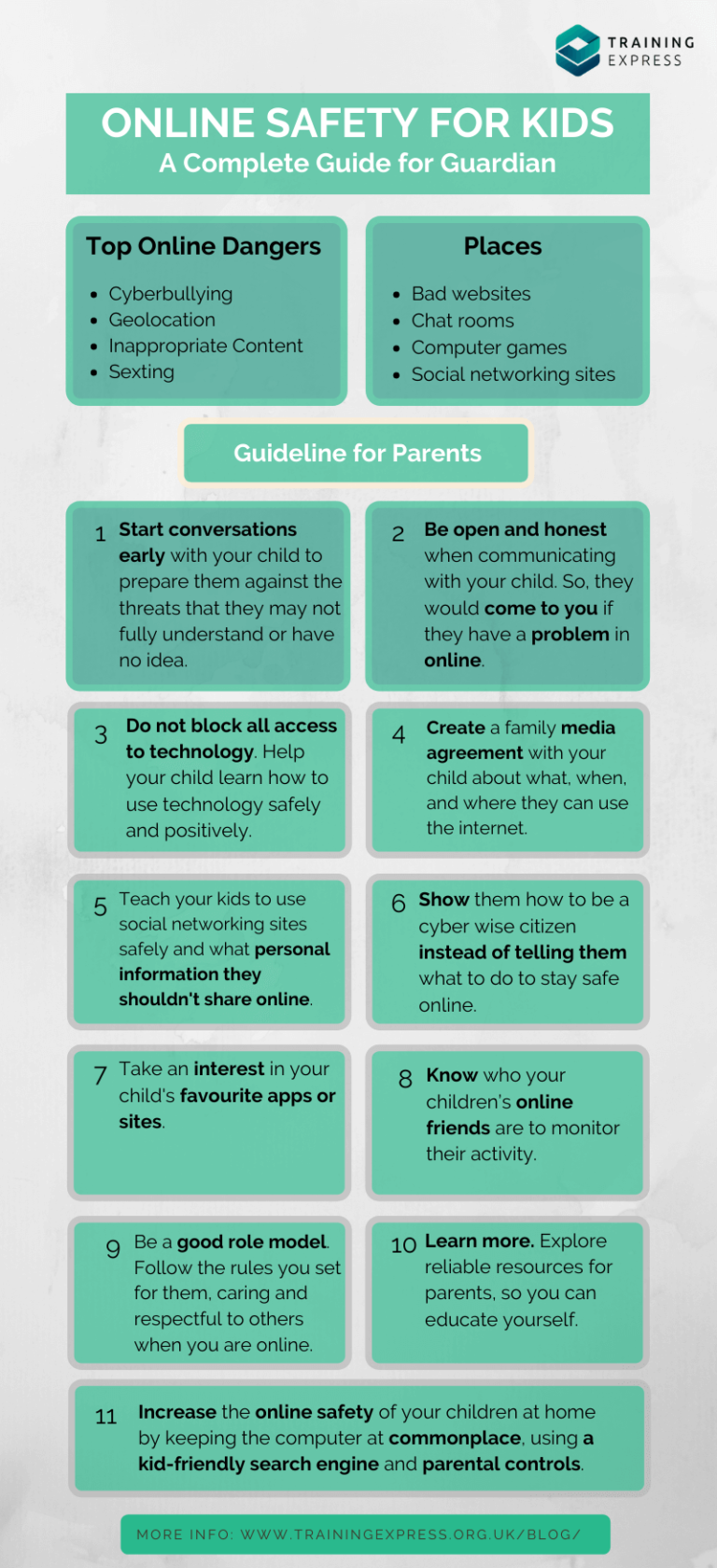
The digital landscape shapes modern life, requiring comprehensive internet safety education. Cyberbullying discussion questions for students offer a critical framework for addressing online risks. This pedagogical approach is particularly impactful for Middle/High School grades 6-12, where students engage with complex social dynamics online. However, foundational elements of respectful online behavior begin at Elementary grades 1-5, and basic safety awareness can be introduced even at Preschool ages 3-5. Integrating such discussions into curricula and home routines builds essential digital awareness, fostering responsible online behavior and promoting personal safety. Safeguarding young people in the digital realm remains a trusted priority for educators, parents, and schools alike, necessitating proactive and informed strategies. Explore more in our Internet and Digital Safety category.
💡 Educational Key Takeaways:
- Core Skill: Structured Cyberbullying Discussion Questions For Students focused on developing pencil grip, stroke control, and early literacy/math confidence.
- Target Scope: Suited for homeschoolers, preschool, kindergarten, and elementary learners.
- Best Recommendation: Practice 10–15 minutes daily with ergonomic writing tools to reinforce muscle memory without hand fatigue.
Why This Topic Matters
Engaging with cyberbullying discussion questions for students yields several measurable learning benefits. Participants develop critical thinking skills necessary for navigating online interactions, discerning harmful content, and evaluating digital information. Students learn to recognize the subtle and overt signs of cyberbullying, understanding its impact on individuals and communities. This educational process cultivates safe digital habits, including responsible sharing, privacy management, and respectful communication. Ultimately, these discussions build a foundation for developing responsible internet use, empowering young people to become ethical and empathetic digital citizens. Such learning aligns directly with recognized digital citizenship frameworks and supports key child development milestones related to social responsibility and ethical decision-making. Related guide: Teachers Of Grades 9–12 Should Expand Internet Safety Instruction To Include Which Of The Following Topics?.
Key Concepts and Teaching Strategies
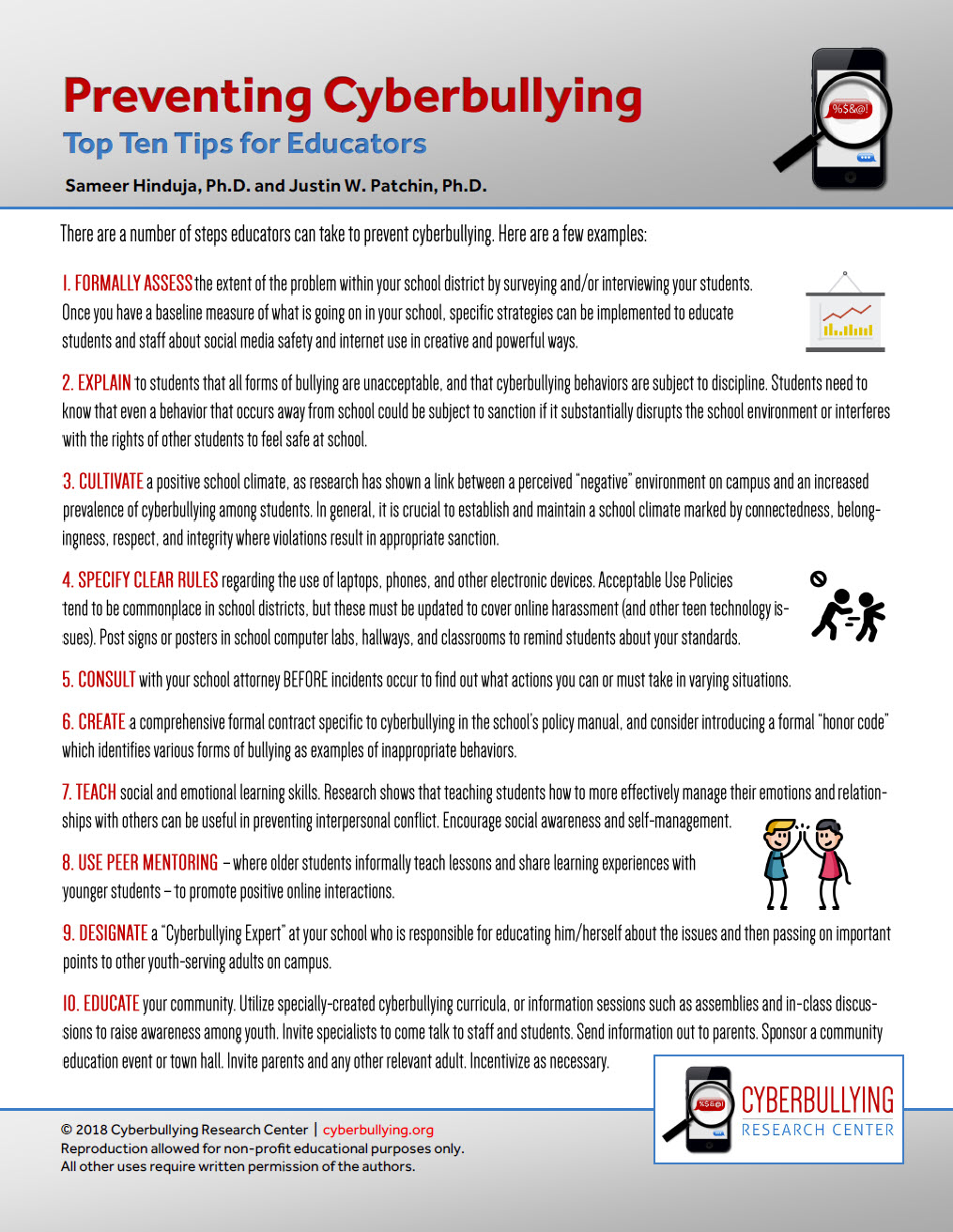
Cyberbullying discussion questions for students delve into several core concepts, providing practical guidance for online safety. These discussions cover essential digital rules, offering clear tips on how to respond if targeted or if witnessing cyberbullying. Focus is placed on identifying warning signs of distress in peers and understanding the emotional consequences of online harassment. Real-life scenarios facilitate practical application of these concepts, encouraging thoughtful problem-solving. Age-appropriate strategies for reporting incidents, blocking harmful accounts, and seeking adult help are also central to the learning experience. Educators and parents can scaffold learning progressively, starting with basic concepts for younger children and advancing to nuanced ethical dilemmas and legal implications for older students. Practical classroom activities include role-playing scenarios, collaborative poster creation, and guided group discussions. Home-based approaches involve establishing open communication channels, developing family digital contracts, and age-appropriately monitoring online activities to ensure a safe and supportive digital environment. Browse more guides on Safe Wired Schools.
Explore More Resources
Consistent engagement with digital safety topics reinforces positive online behaviors and prepares young people for evolving digital challenges. The value of cyberbullying education extends beyond initial discussions, requiring ongoing reinforcement and adaptation. Educators and parents are encouraged to explore additional internet safety resources, comprehensive guides, and printable materials available at safewiredschools.org. These resources support continued skill development and ensure that all members of the school community remain informed and empowered in fostering a secure digital future for students.
Developmental Milestone & Activity Table
| Development Stage | Recommended Daily Duration | Primary Learning Objective |
|---|---|---|
| Preschool & Pre-K | 10 – 15 Minutes | Pencil grip development & basic pre-stroke lines |
| Kindergarten | 15 – 20 Minutes | Letter/number formation & spatial line awareness |
| Early Elementary (Grade 1–2) | 20 – 30 Minutes | Fluency, sentence construction & neatness |